Photo credit: J0lly/Youtube
You can learn a lot about a gun shop by watching what happens when a sharp-eyed buyer walks in. The whole mood shifts. The glass gets wiped for the tenth time. The “sale” tags suddenly look less serious. And every now and then, a certain used gun that was sitting front-and-center last week somehow ends up tucked behind a row of polymer pistols.
I’m not saying dealers are out to get you. Most shops are just trying to keep the lights on, and used guns can be a minefield: oddball problems, missing parts, home “gunsmithing,” or a model that brings in more arguments than profit. But there are a handful of firearms that experienced buyers tend to eyeball hard—and those are the ones that sometimes get quietly rotated out of the spotlight when a knowledgeable customer starts asking the right questions.
1. Remington 770

If you’ve handled enough bolt guns, you can feel a 770 before you read the rollmark. The bolt travel is often rough, the detachable magazine setup can be finicky, and the whole rifle tends to feel more like a disposable package than a long-term hunting tool.
They get traded in a lot after a season or two when the scope won’t hold zero or the owner realizes the trigger and stock just never “settle in.” A dealer can sell one to a first-time buyer fast, but a guy who’s owned a couple 700s or a Savage 110 usually sees it for what it is.
2. Remington 710
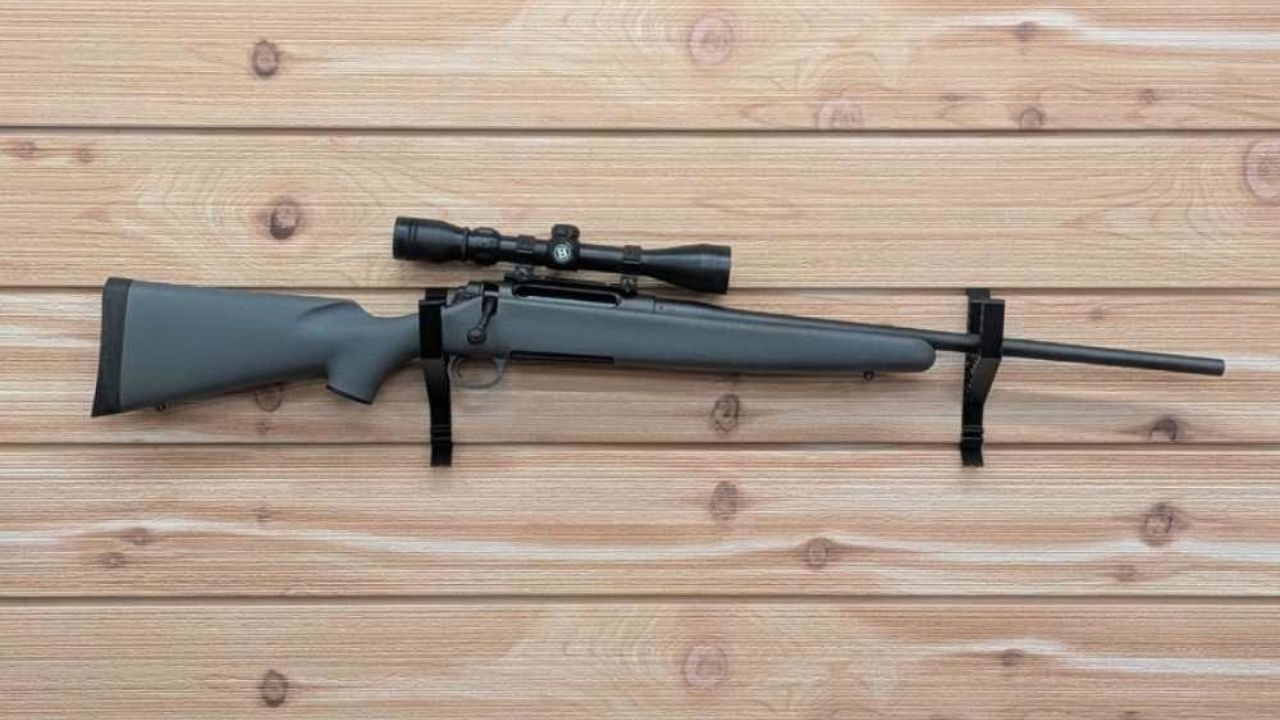
The 710 is the older cousin to the 770, and it has its own baggage. Some shoot fine. Some don’t. The bigger issue is long-term support and the way they can feel “sticky” when you run the bolt with cold hands in November.
When someone who knows rifles asks about parts availability, scope base quirks, and whether the bolt handle has ever been stressed, the conversation gets uncomfortable. That’s when these rifles tend to drift to the back rack.
3. Taurus PT111 Millennium G2
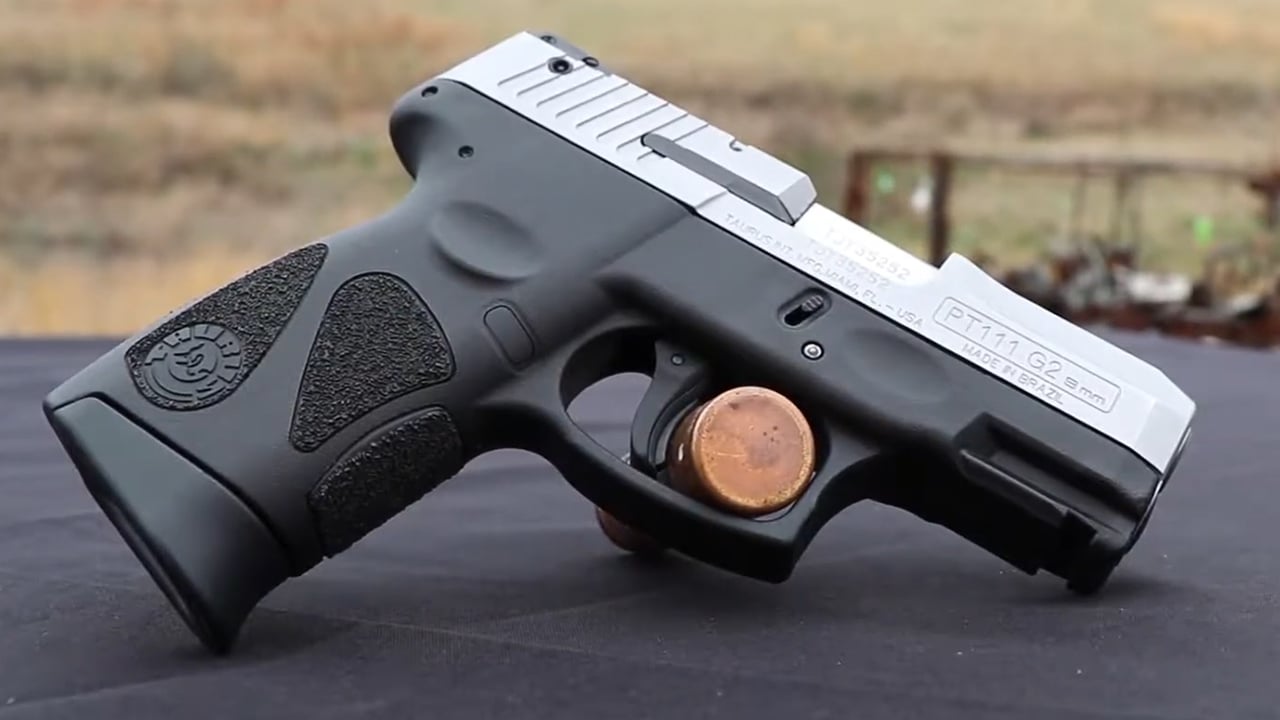
I get why these sold by the truckload. They were cheap, they felt decent in the hand, and they came with features the budget market wanted. The problem is that the used ones often show up with mystery histories and inconsistent trigger feel from gun to gun.
A buyer who knows what they’re looking at will check reset, look for peening, and ask about recalls or service history. If the shop can’t answer cleanly, it’s easier to move the gun out of the main case and steer the customer toward something else.
4. Taurus Spectrum
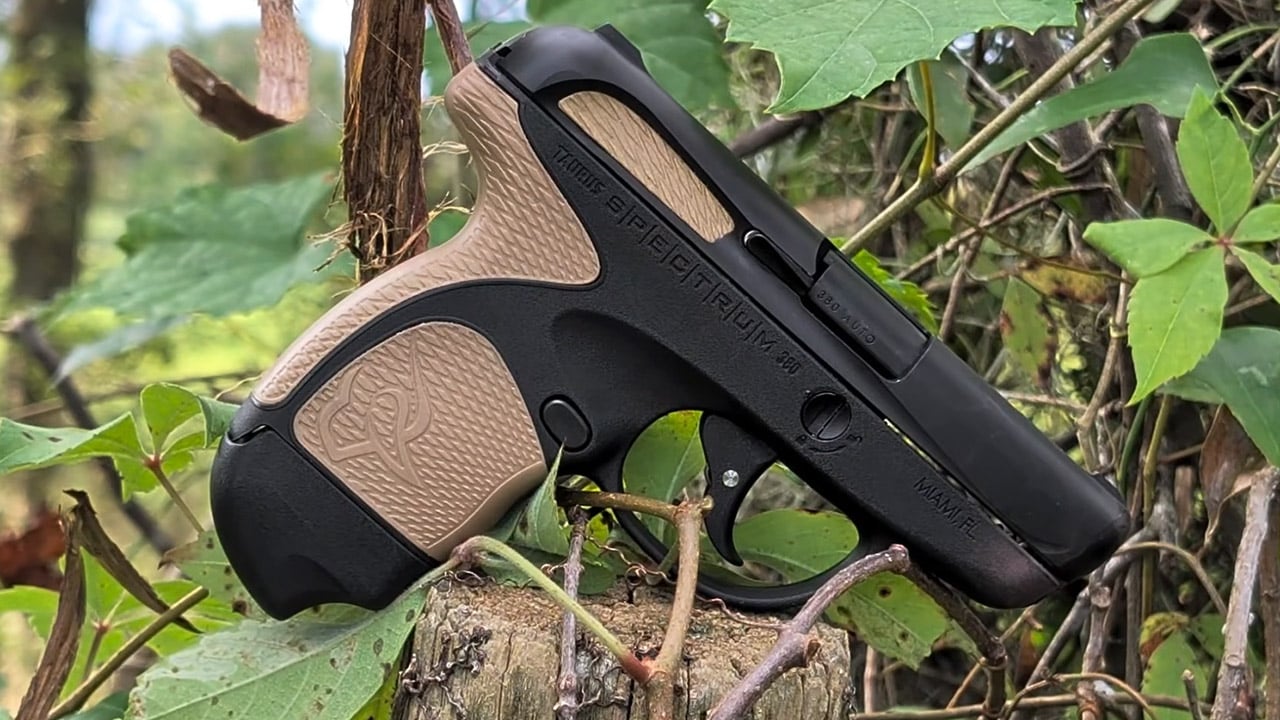
On paper, the Spectrum was a neat idea: tiny, modern, easy to carry. In reality, too many of them earned a reputation for being picky and unpleasant, especially once pocket lint and real-world carry got involved.
Experienced buyers don’t just rack the slide—they look at how the sights are regulated, how the trigger breaks, and whether the gun has a track record of running. The Spectrum doesn’t win many of those conversations.
5. SCCY CPX-2
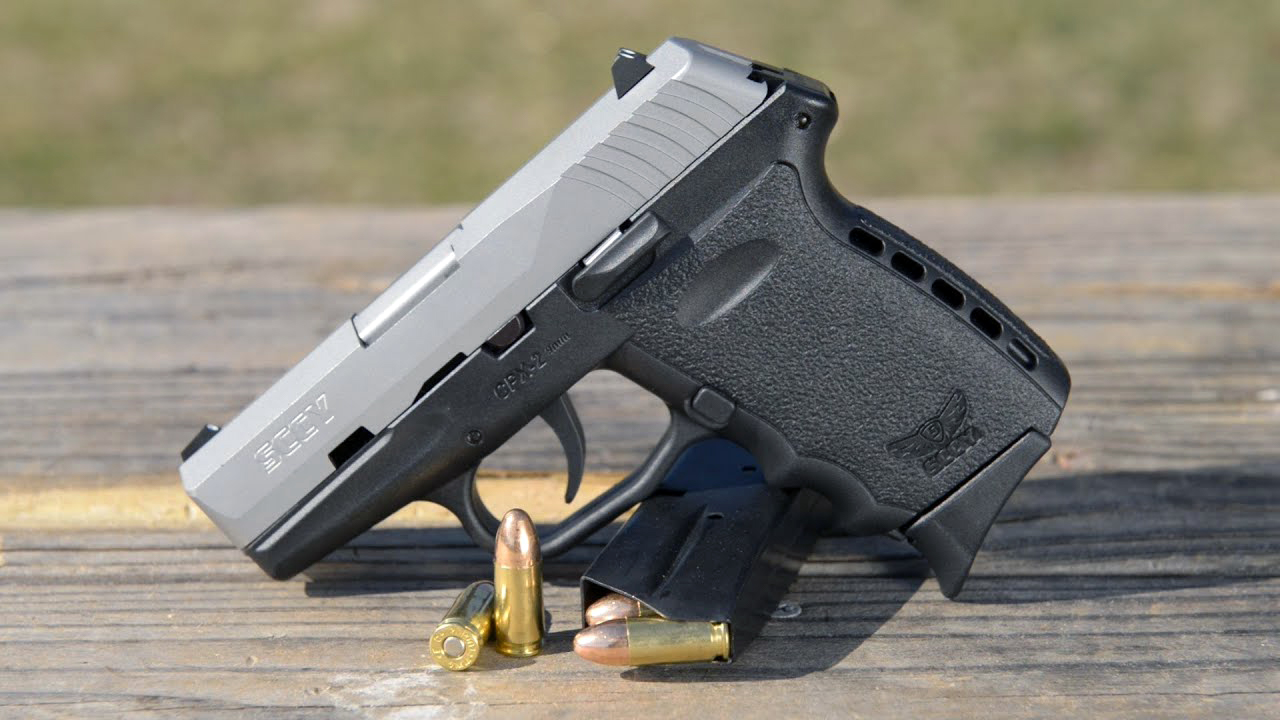
These show up used a lot, and there’s a reason. The long, heavy trigger pull isn’t for everyone, and the overall feel is “budget” in a way you notice after a few magazines at the range.
Plenty of them work. Plenty of them also end up being the gun someone bought in a hurry and never really trained with. A dealer knows a knowledgeable customer will ask about round count, springs, and whether it’s had any feeding issues.
6. Kimber Solo
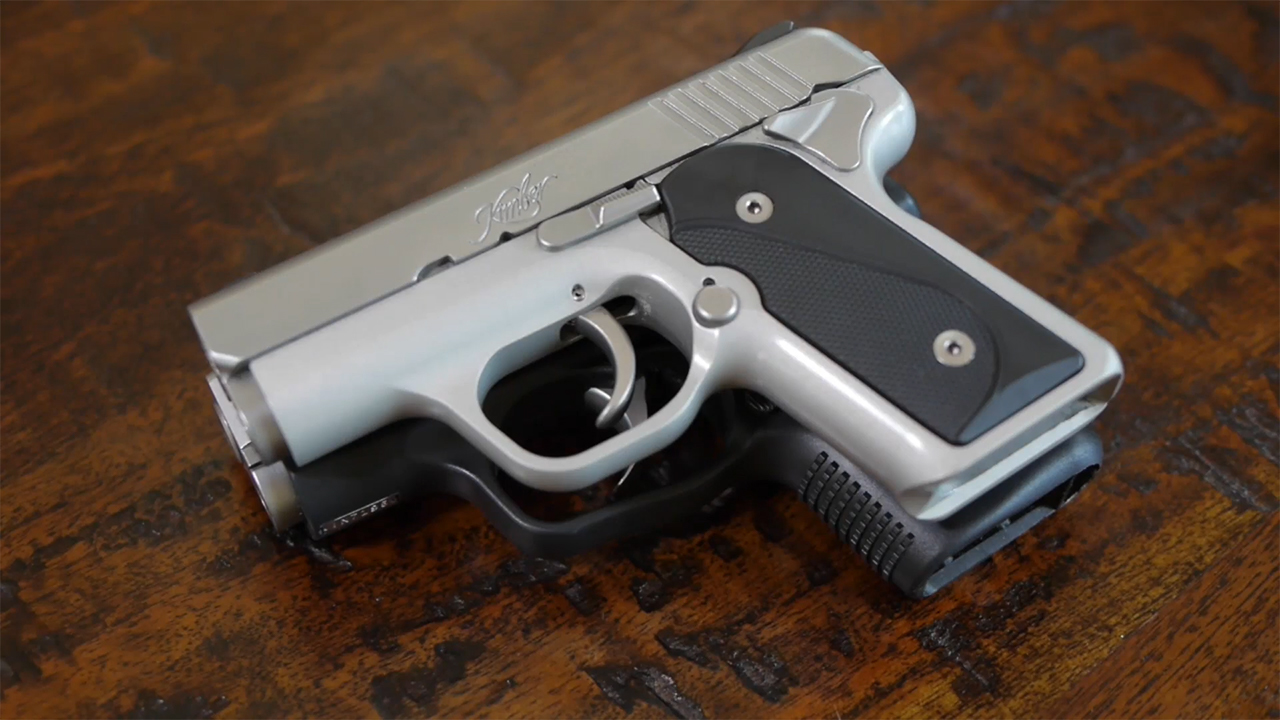
Kimber’s little 9mm was supposed to be a classy pocket rocket. What it became for many owners was a very picky pistol that wanted specific ammo and didn’t always tolerate being treated like a carry gun instead of a display piece.
A seasoned buyer will ask which loads it runs, whether it chokes on common practice ammo, and if the previous owner tried to “tune” anything. If the answers get fuzzy, the Solo tends to disappear from prime counter space.
7. SIG Sauer P250
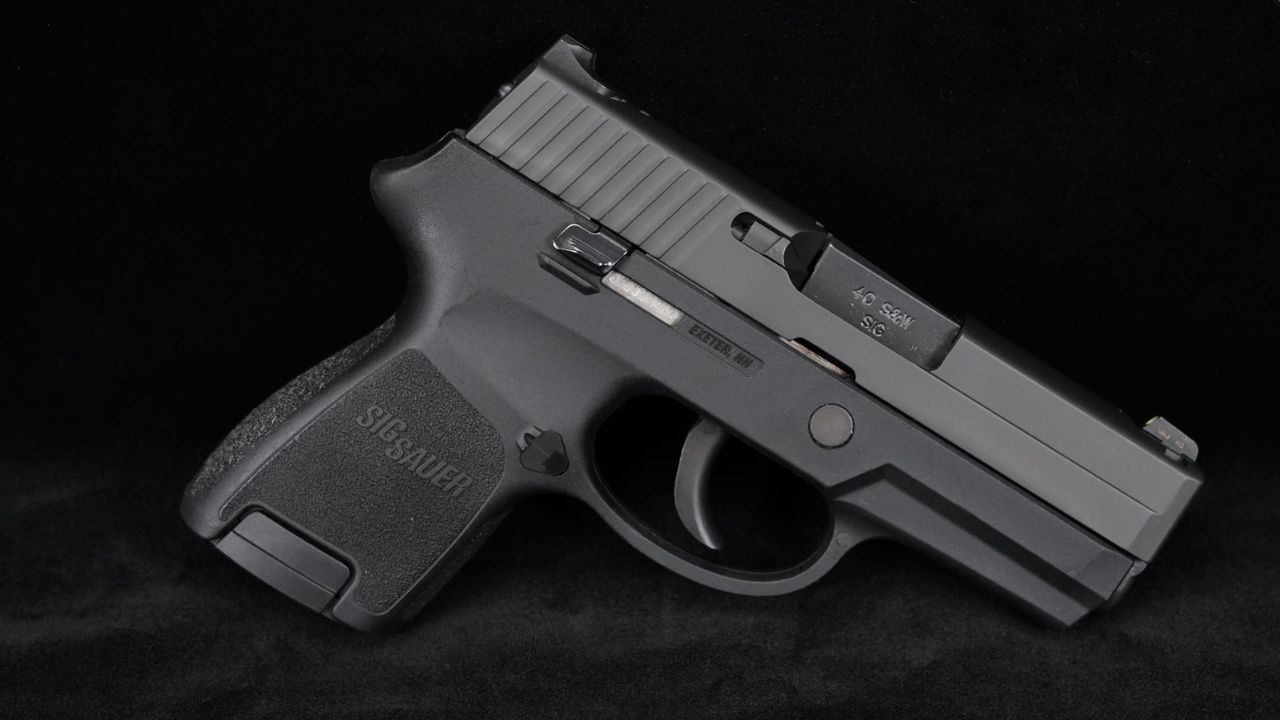
The P250 isn’t junk, but it’s an odd fit for today’s market. The long DAO pull is smooth, yet it feels outdated compared to modern striker guns, and not everyone shoots it well under stress.
When a buyer knows enough to ask about trigger system preference and parts interchange with the P320 (it’s not a simple swap world), a dealer realizes this isn’t going to be a quick, easy sale.
8. Springfield Armory XD-S (early generation)
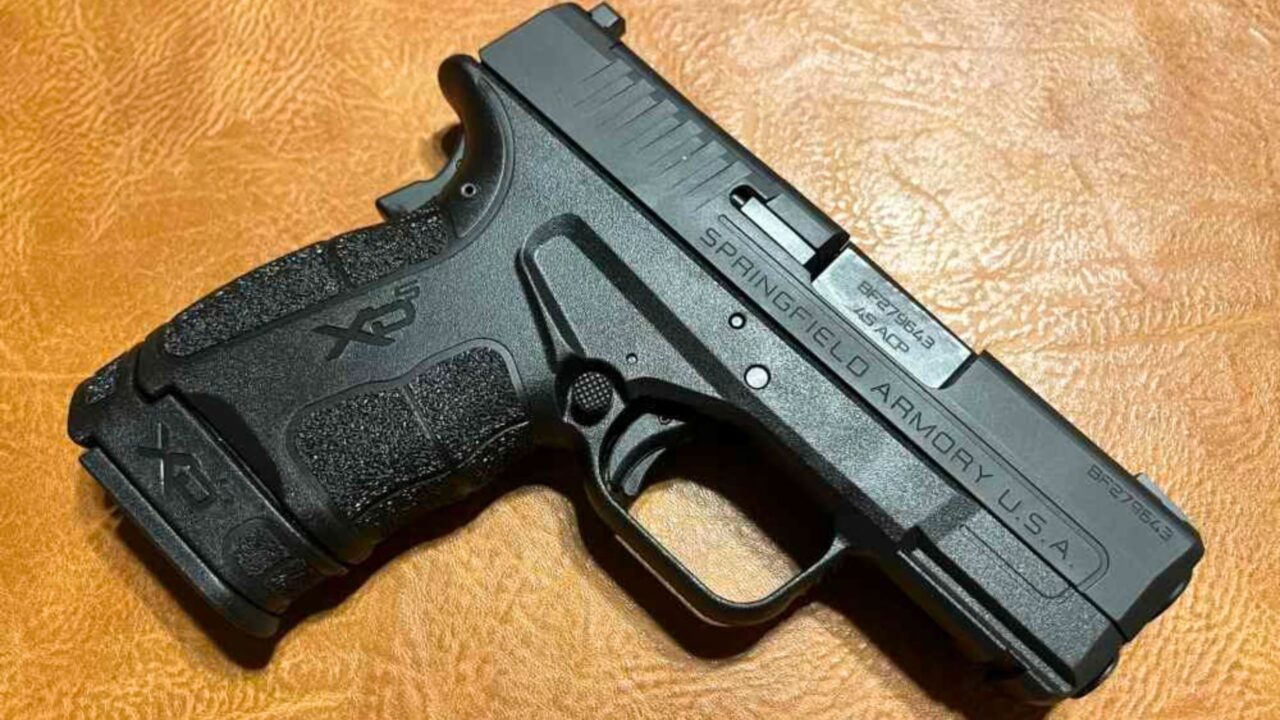
The XD-S is slim and easy to carry, and plenty of folks like them. The early guns, though, have a history that makes experienced buyers pause, especially if the paperwork doesn’t clearly show what updates have been done.
A knowledgeable customer will look for wear patterns, check magazine condition, and ask about service history. If the shop can’t confidently speak to it, it’s easier to push it behind a row of newer micro-compacts.
9. Freedom Group-era Remington 870 Express (rough finishes)

An 870 is supposed to be boring in the best way. But some of the later Express guns came out with rough chambers and finishes that didn’t hold up like the older ones.
Anyone who’s run an 870 hard will check extraction, look at the chamber, and work the action slowly and fast. If it feels gritty or the shell sticks, the buyer notices immediately. That’s when the dealer starts talking about other shotguns.
10. Mossberg 930 (early, finicky examples)
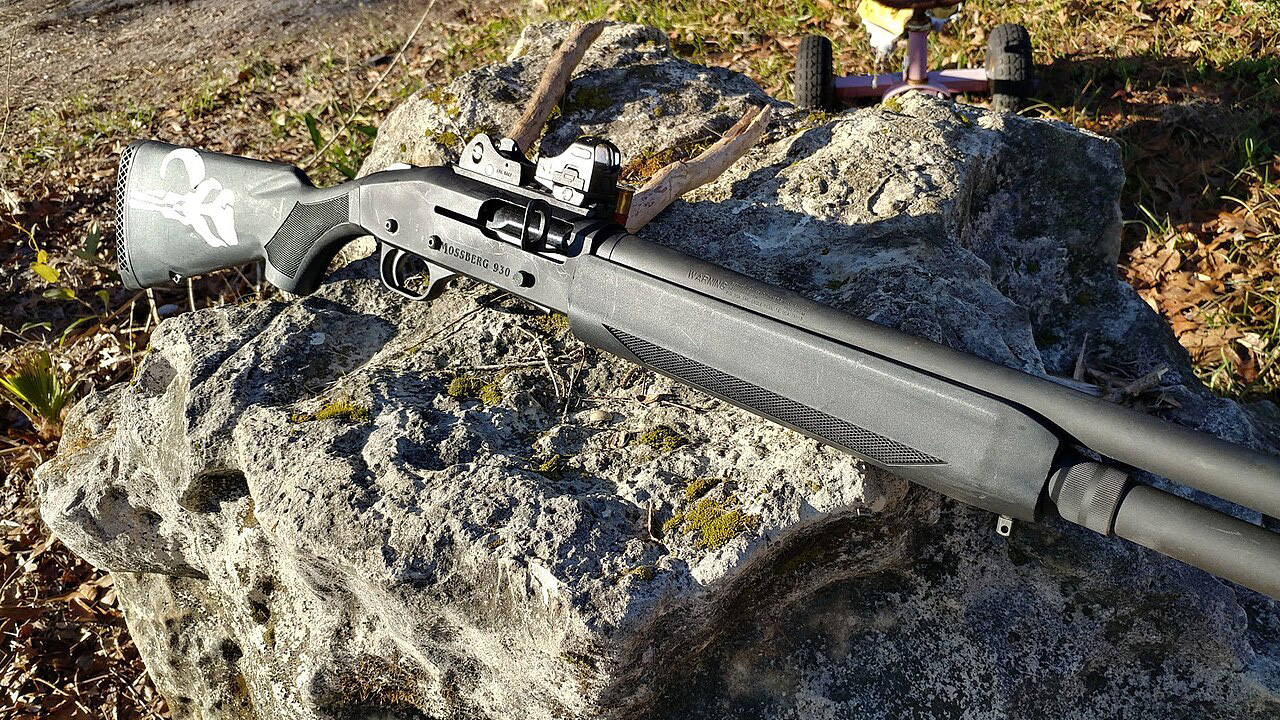
The 930 can be a solid semi-auto shotgun, but the used ones are a gamble. If it wasn’t kept reasonably clean, or if it was fed a weird diet of bargain shells, it might be temperamental.
A buyer who knows shotguns asks about cycling light loads, checks the gas system area for neglect, and looks for battered controls. If it starts sounding like “it ran fine for me,” but nobody can prove it, the 930 suddenly isn’t featured up front.
11. Ruger American Rimfire (heavily used trainer guns)
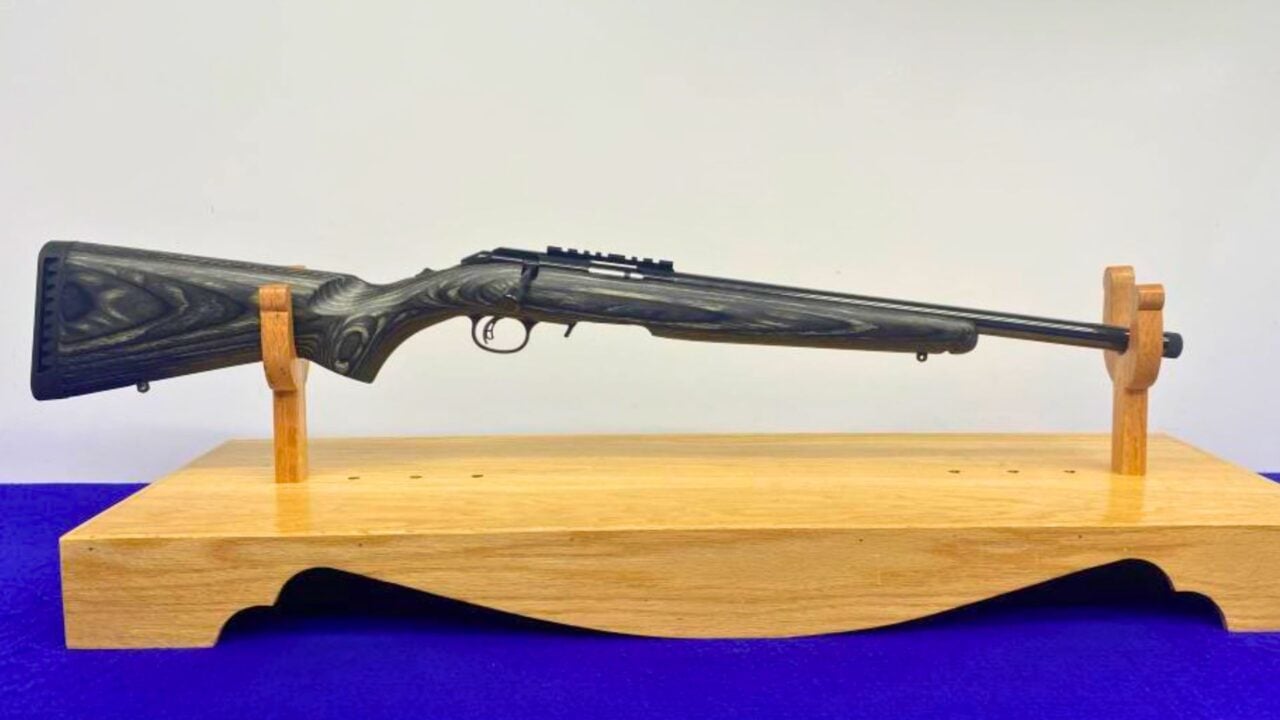
These are handy little rifles, and I like the concept. The issue is how many of them have lived hard lives as cheap trainers—thousands of rounds, minimal cleaning, and a lot of “loaner gun” handling.
Some are still great buys. The worn ones will have sloppy magazines, tired springs, and dings that tell a story. An experienced rimfire guy checks the bolt feel, magazine lockup, and crown. If it looks tired, it’s not a showpiece for the front rack.
12. Marlin Model 60 (neglected tube-fed .22s)

A good Model 60 is a sweetheart. A neglected one is a jam machine that will waste your Saturday. Tube-fed .22s get run dirty, stored in barns, and then traded when they stop behaving.
The buyer who knows what they’re doing will check the feed throat area, action screw tightness, and overall grime level. A shop knows that kind of customer is going to want to test function or at least see signs of basic care.
13. Rossi Circuit Judge
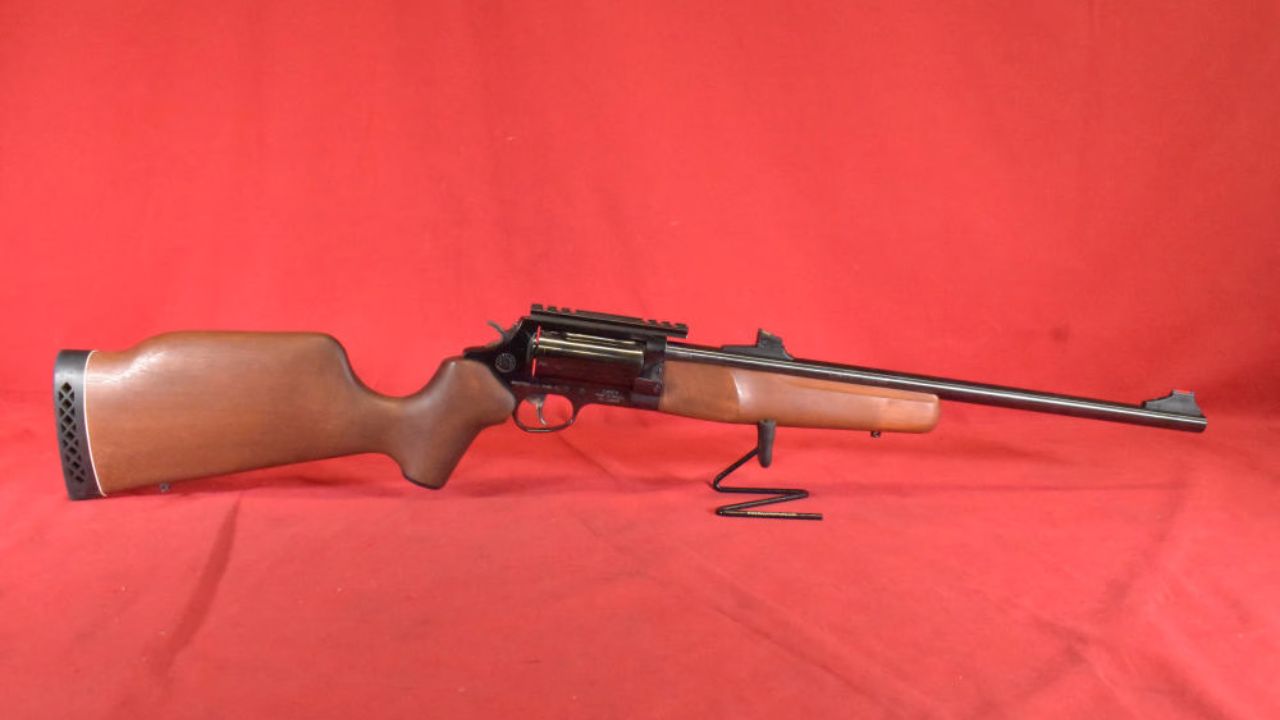
They look like a fun idea—revolver and carbine mashed together. In practice, they’re niche. Accuracy can be all over the place depending on ammo, and the ergonomics are awkward compared to a normal lever gun or a light .410.
When someone who understands hunting and utility guns starts asking “What job does this do better than anything else?” the Circuit Judge doesn’t have many clean answers. That’s why they tend to be a slow mover.
14. Henry US Survival AR-7

I like the concept of a packable .22, but AR-7s are one of those guns that can either be fine or be a headache, depending on the individual rifle and magazine situation.
A knowledgeable buyer will ask about which mags come with it and whether it’s been tested with common bulk ammo. If the shop can’t show decent magazines or confirm it runs, it’s not something they want to highlight to a picky shopper.
15. Century Arms C39V2 (milled AK)
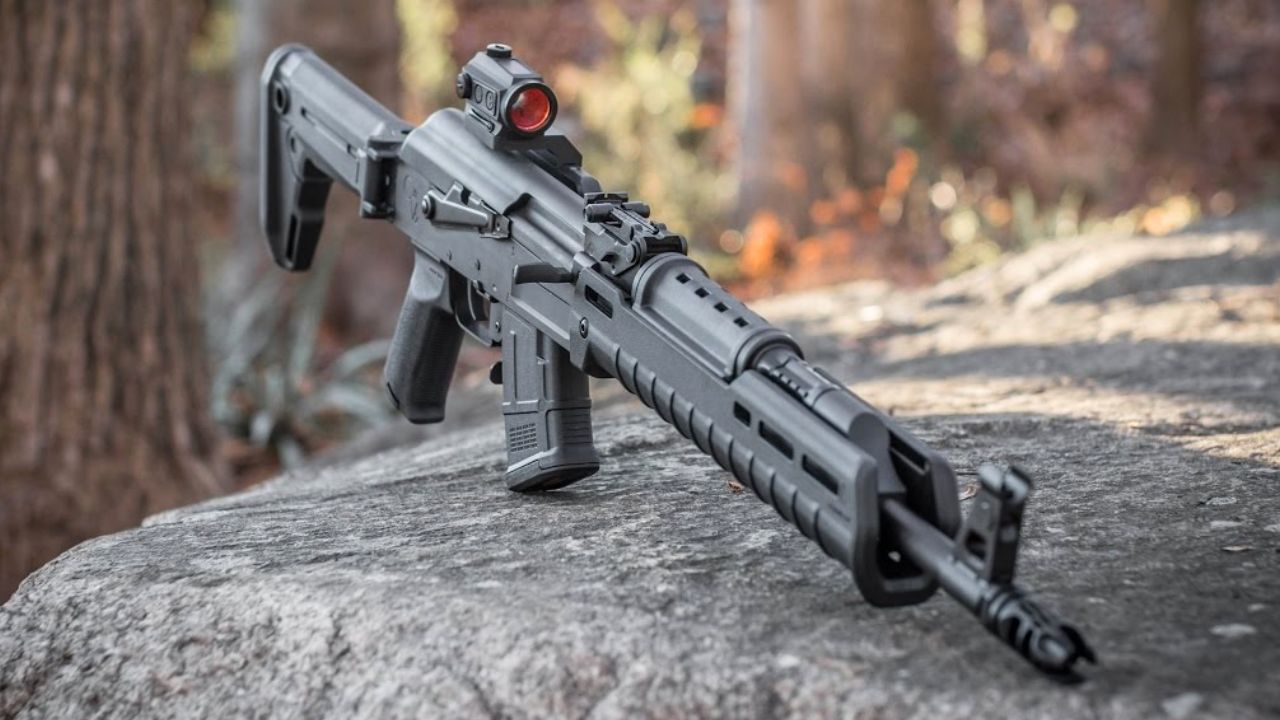
This is where the serious AK guys start squinting. The C39V2 has a reputation that makes informed buyers check things most casual shoppers never think about.
When a customer starts talking headspace, trunnion wear, and long-term durability, the dealer knows the sale just got complicated. Plenty of shops would rather steer that buyer toward a different AK pattern than have a long debate at the counter.
16. I.O. Inc. AKM247

These rifles became a cautionary tale for a reason. A used one might look fine on the wall, and a new shooter might not know what to inspect. A knowledgeable buyer does.
If the shop doesn’t want to get into a back-and-forth about known issues and inspection points, the easiest move is to keep it out of the spotlight and focus on rifles with cleaner reputations.
17. DPMS Oracle (hard-used, bargain build)
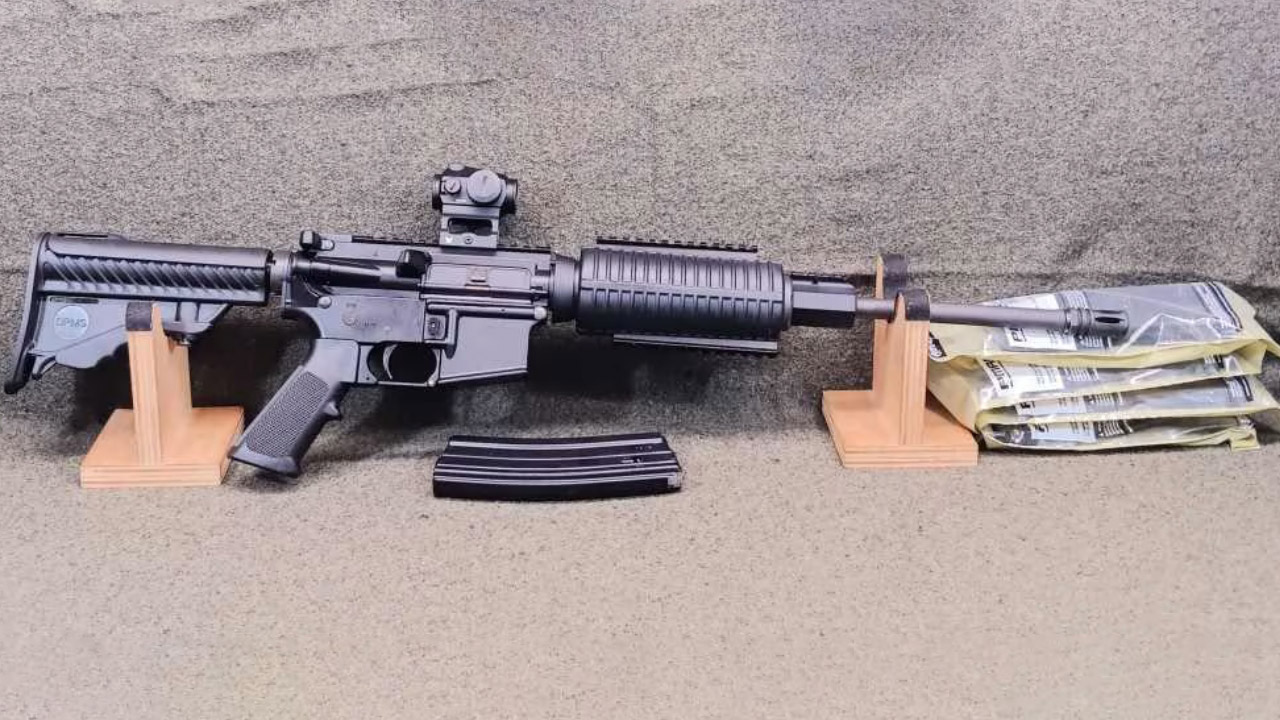
An Oracle can be a perfectly serviceable AR, especially if it’s left alone and maintained. The problem is what owners do to budget ARs: questionable accessories, bargain optics, mystery triggers, and “upgrades” that aren’t upgrades.
A buyer who knows ARs will look at the gas key staking, castle nut, general wear, and parts mix. If it screams “project gun,” the shop may not want it to be the first AR you pick up when you walk in.
18. Smith & Wesson SD9VE (well-worn trade-ins)
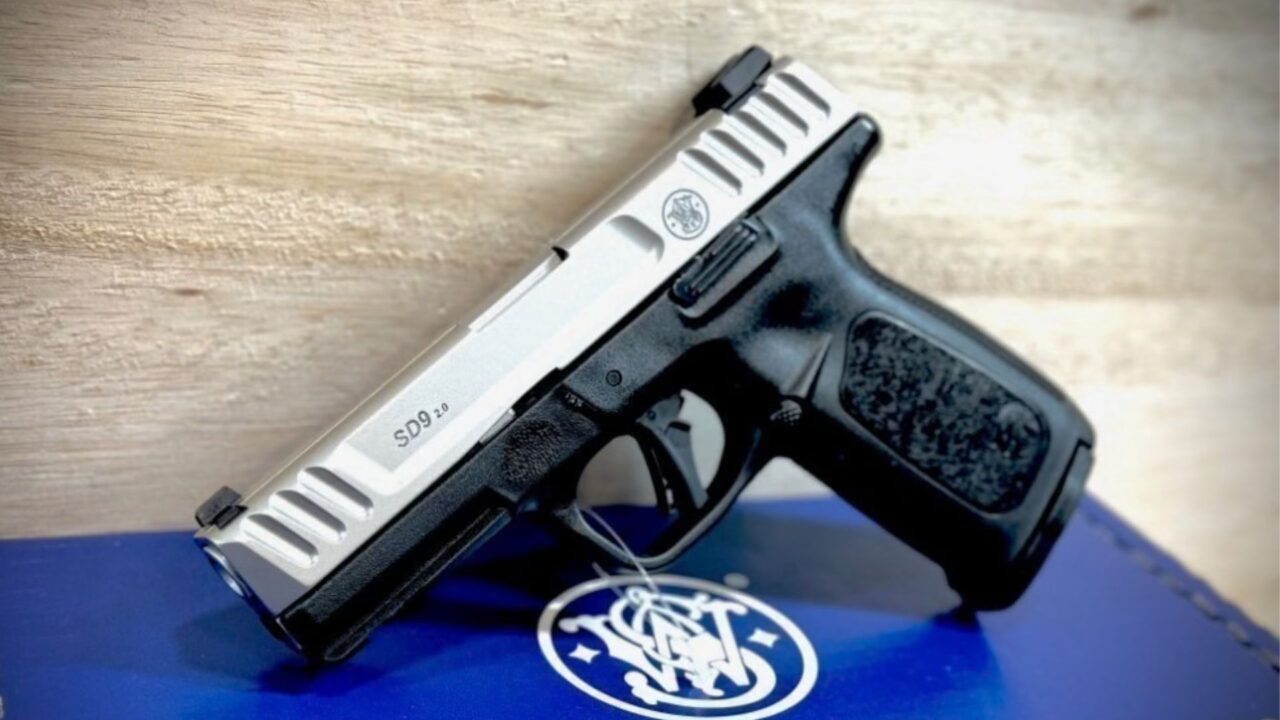
The SD9VE is one of those pistols that can run and run, but it’s not glamorous. The trigger is the make-or-break point, and used examples can feel even mushier if they’ve seen a lot of dry fire without much care.
Experienced buyers handle it and immediately compare it to a used Glock or M&P sitting nearby. If the SD looks tired, it’s not getting the prime real estate in the case.
19. Beretta Nano

The Nano had its moment before the current wave of micro-compacts really hit. It’s small, snag-free, and kind of boring. The downside is the sights and the feel—some folks shoot it well, others never do.
When a customer walks in already knowing what they like in a carry gun, the Nano has a hard time defending itself against newer designs. Dealers know the questions are coming: trigger feel, sight options, and how it handles under speed.
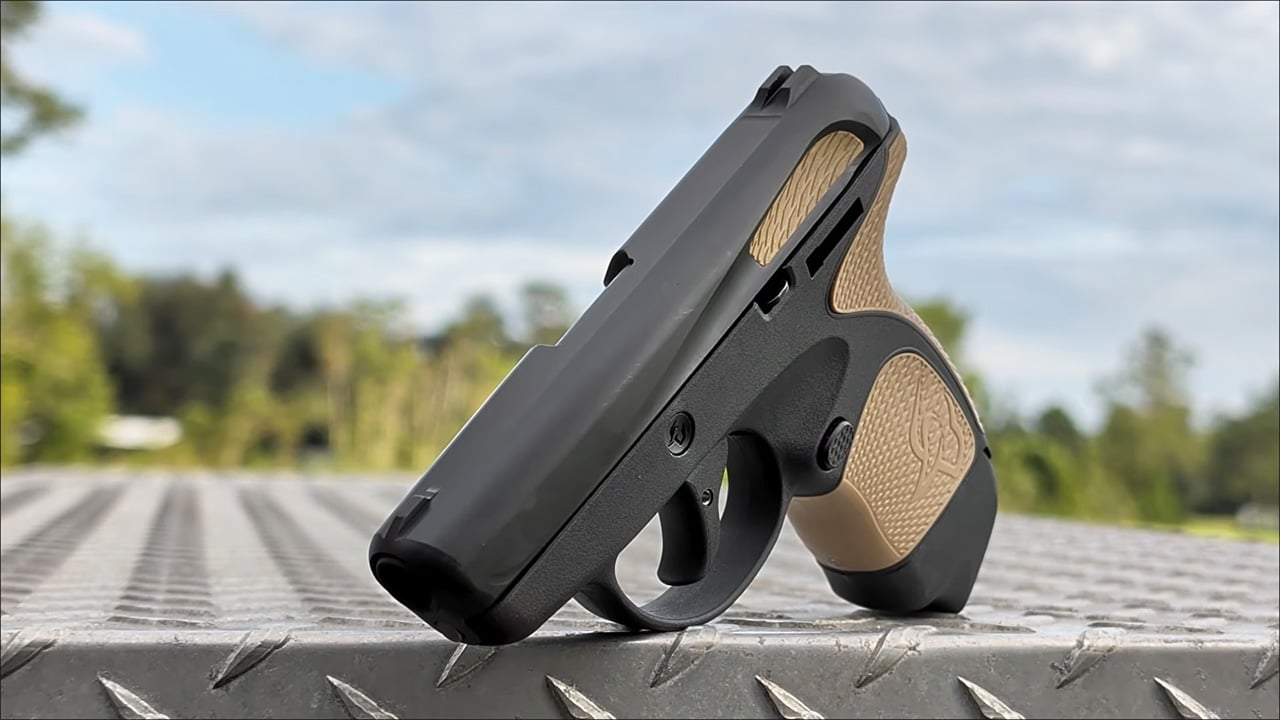
20. Ruger LCP (first generation)
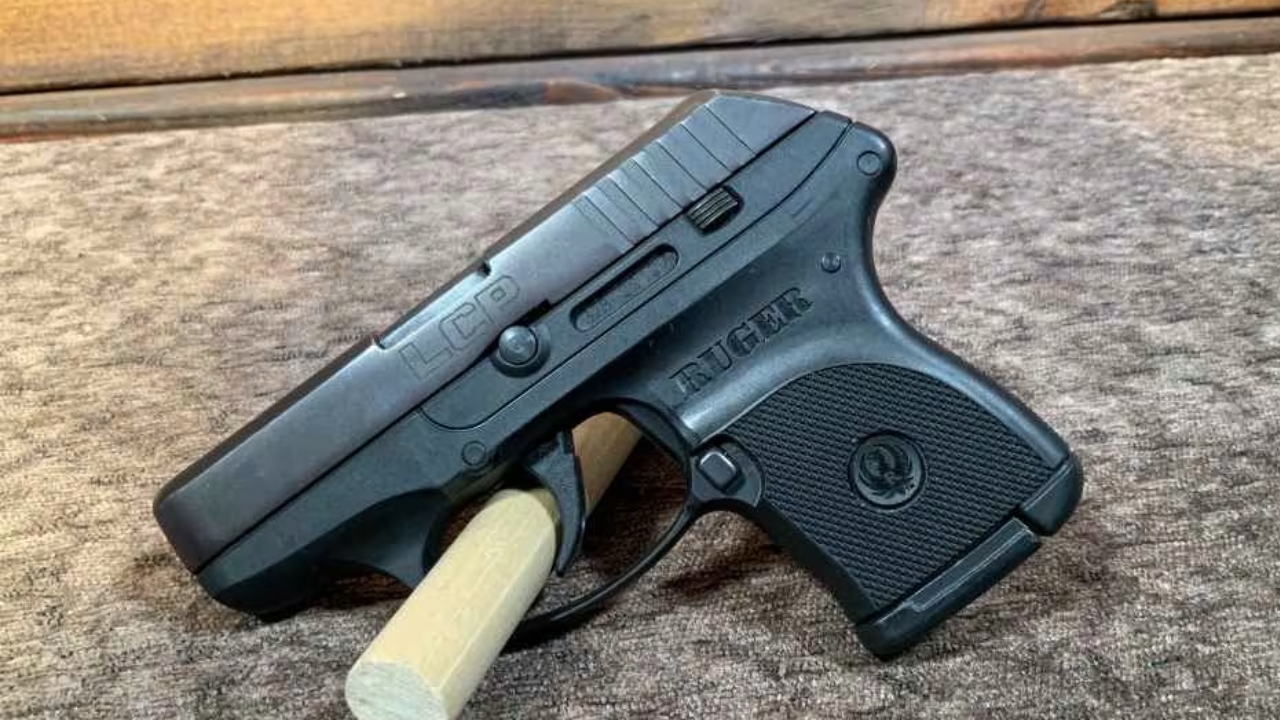
The original LCP changed the pocket gun world, and I’ll give it respect for that. But as a “shooting gun,” it’s not fun. The sights are minimal, the recoil is snappy for its size, and a lot of owners barely practice with it.
A buyer who knows pocket pistols will check for frame wear, magazine condition, and whether the gun has been carried a lot and shot a little. If there’s obvious lint-and-holster-life without much maintenance, the shop may keep it out of the front row and show you an LCP II or a different .380 instead.
None of this means every example of these models is bad, and it doesn’t mean a dealer is doing something shady by not putting them on a pedestal. Used guns are stories, and some stories are easier to sell than others. If you want to avoid surprises, handle the gun like you mean it, ask the questions that feel “too picky,” and don’t be afraid to walk out and come back when you’ve slept on it. The right firearm doesn’t need to be hidden to be a good buy.
Like The Avid Outdoorsman’s content? Subscribe to our newsletter so you never miss an article.
Here’s more from us: