Photo credit: Janos Csoman/YouTube
Some handguns get praised the second they hit the counter. Others have to wait. They look too plain, too heavy, too old-school, or too far outside whatever the market is obsessing over at the moment. Those are often the pistols that age best. They do not rely on hype. They rely on what happens after a few hundred rounds, a few months of carry, or a few years of owners realizing the flashy alternative never really became a favorite.
That is how real respect usually gets built. Slowly. A handgun keeps showing up, keeps shooting well, keeps avoiding drama, and keeps making more sense the longer you own it. These are the pistols that earned their reputation the hard way and ended up better regarded because of it.
Smith & Wesson 1076
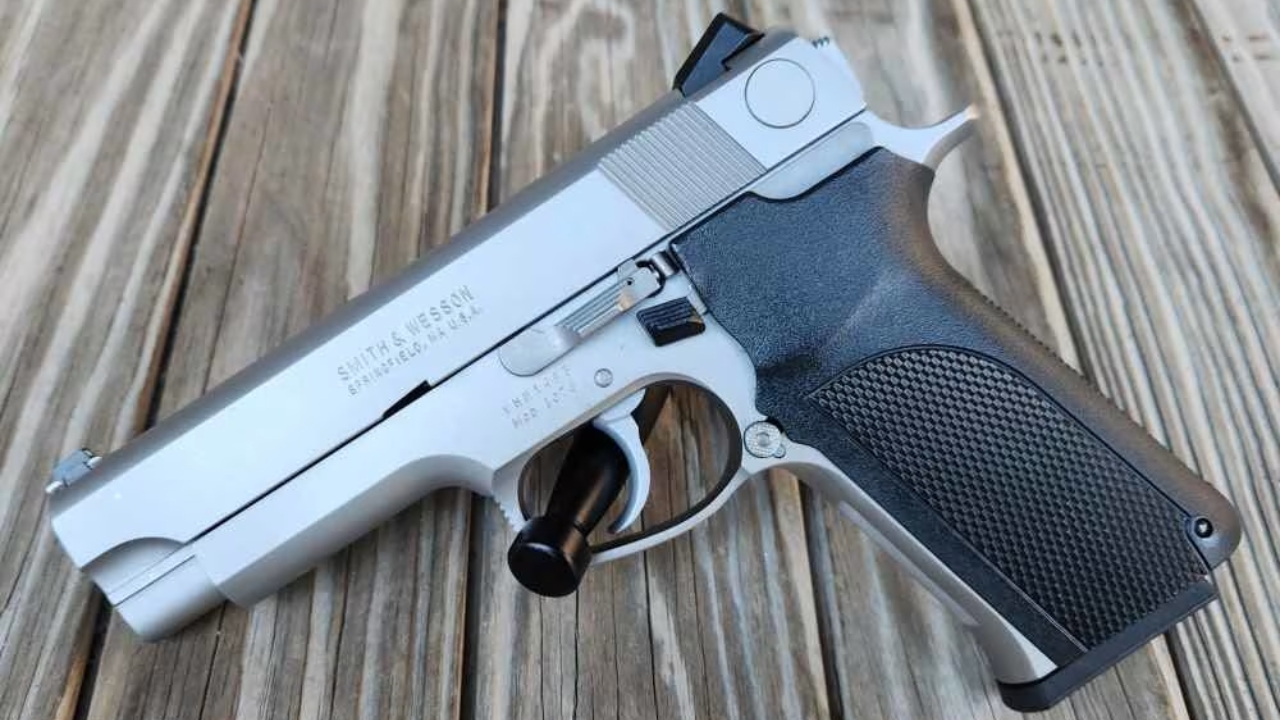
The 1076 was never a pistol for buyers chasing easy charm. It looked serious, felt heavy, and came from a period when Smith & Wesson was building semiautos that cared more about durability than first-date appeal. That made it easy for a lot of shooters to overlook when lighter, sleeker options seemed more current and easier to justify.
Then time started helping the pistol. The 1076 kept earning respect because it felt substantial, handled serious ammunition with real confidence, and carried the kind of mechanical honesty many later pistols never quite matched. Shooters who actually lived with one started realizing it was not just an old 10mm curiosity. It was a hard-use handgun from a period when service pistols still felt like they were built to matter.
CZ 97 B
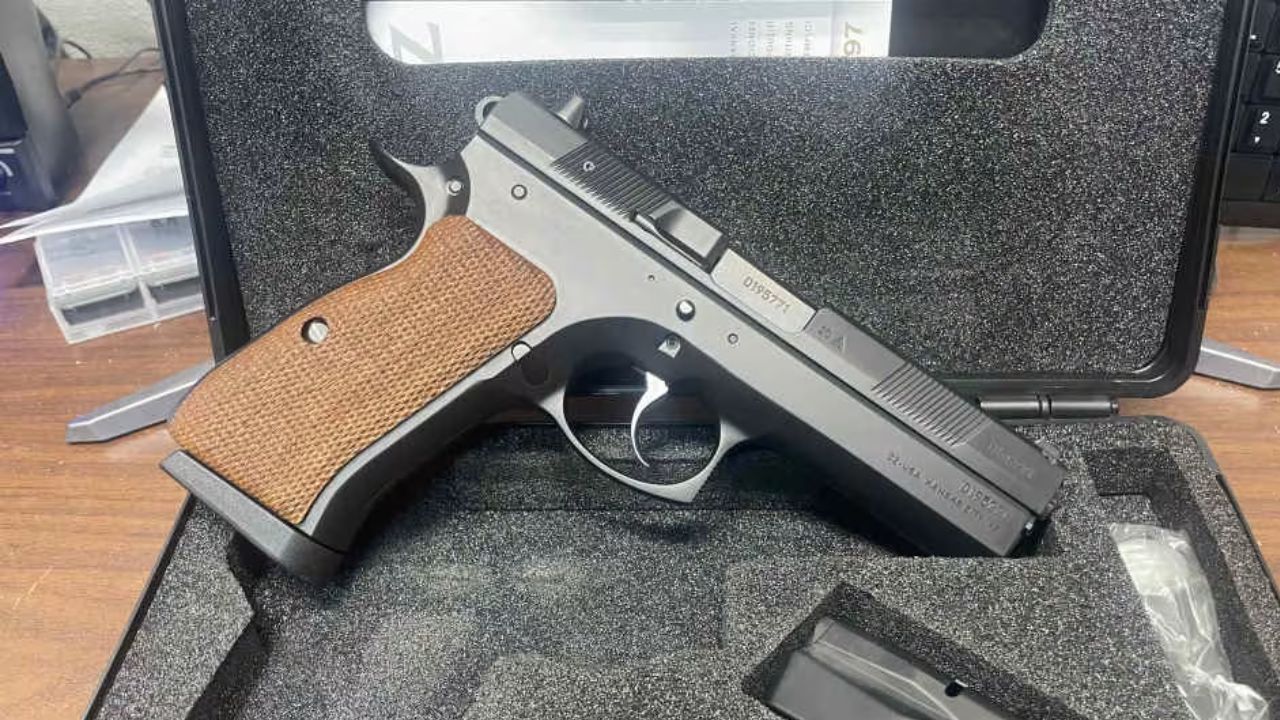
The CZ 97 B was never the .45 most buyers rushed toward first. It looked big, a little old-fashioned, and a little too committed in a market full of lighter polymer options and more aggressively marketed .45s. That made it easy to admire politely and leave behind while buying something that felt more current.
Then enough shooters spent real time behind one. The size started making more sense, the accuracy started standing out, and the steel-frame weight turned from liability into advantage. Over time, the 97 B earned respect because it felt calmer, more deliberate, and more rewarding than a lot of the pistols that seemed smarter at first glance. It was never trying to win a trend cycle. It was trying to be a very good .45, and that aged well.
Beretta PX4 Storm Full Size

The full-size PX4 spent years living under the shadow of pistols that looked more conventional or more fashionable. The rotating-barrel system made some buyers suspicious, and the styling never really helped the gun with people who wanted their service pistols to look tougher and more familiar. That kept a lot of shooters from giving it the fair chance it probably deserved.
Those who did usually came away with a different opinion. The gun shot flatter than expected, handled recoil well, and had a level of practical shootability that kept winning people over with use. The PX4 earned respect because it worked better than many expected and kept doing so after the novelty of more fashionable handguns wore off. It turned out to be the kind of pistol owners defended only after it had already proven itself to them.
Colt Night Cobra
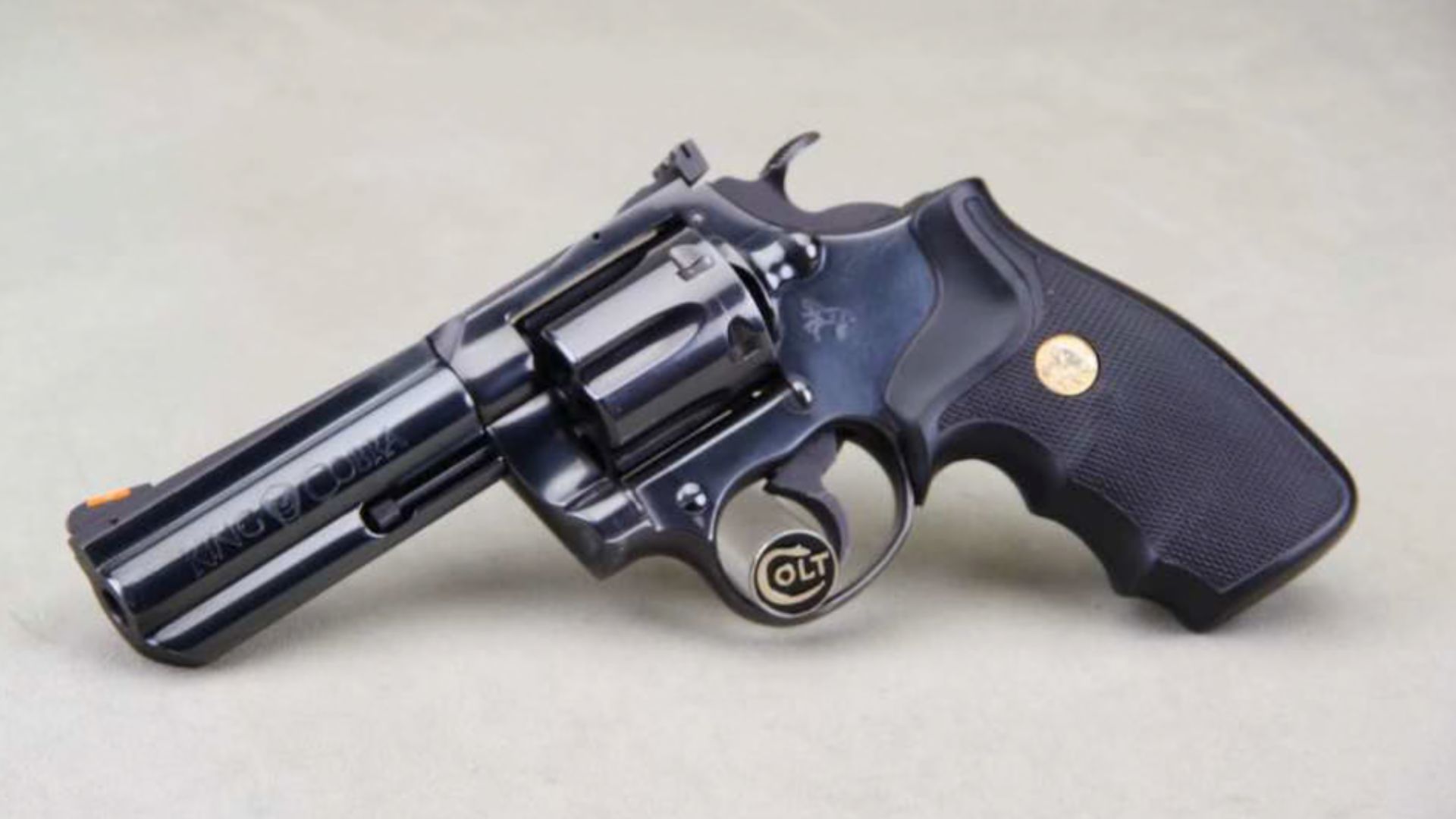
The Night Cobra never came in with the kind of broad hype that surrounds many modern defensive handguns. For some buyers, it just looked like another carry revolver with a famous name attached. That made it easy to underestimate, especially among shooters who had already decided revolvers were mostly a nostalgia lane and not something worth getting excited about in the current market.
Then people started shooting one. The trigger, handling, and overall carry-friendly feel started shifting opinions fast. It was not trying to reinvent the revolver. It was simply reminding people why a well-set-up small-frame wheelgun still had real appeal. Over time, the Night Cobra earned respect because it felt purposeful instead of performative, and a lot of skeptics realized that was exactly what they had been missing.
SIG Sauer P6
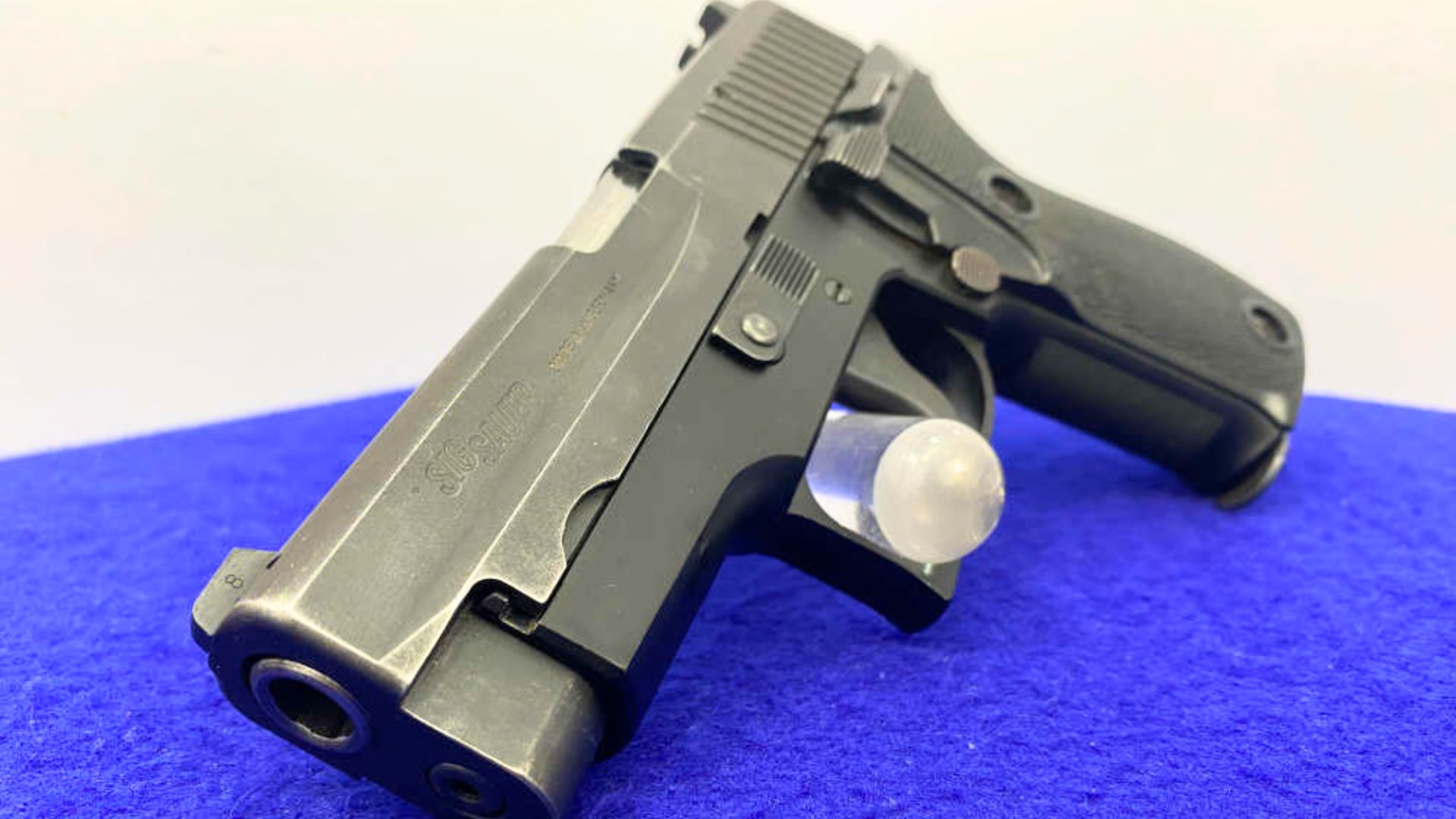
The P6 spent years getting treated like the less glamorous route into classic SIG ownership. It had the right bones, but it never felt urgent to buyers who were more interested in higher-capacity or more polished-looking handguns. To a lot of shooters, it was the service-style SIG you bought only if you were being practical rather than passionate.
Then the shooting started doing the convincing. The pistol’s balance, carry profile, and straightforward feel made a much better impression over time than it did on paper. It earned respect because it gave owners a very mature kind of confidence. It was not there to impress people at first glance. It was there to keep making sense after the newer pistols with more buzz had already been traded off.
Smith & Wesson Model 15
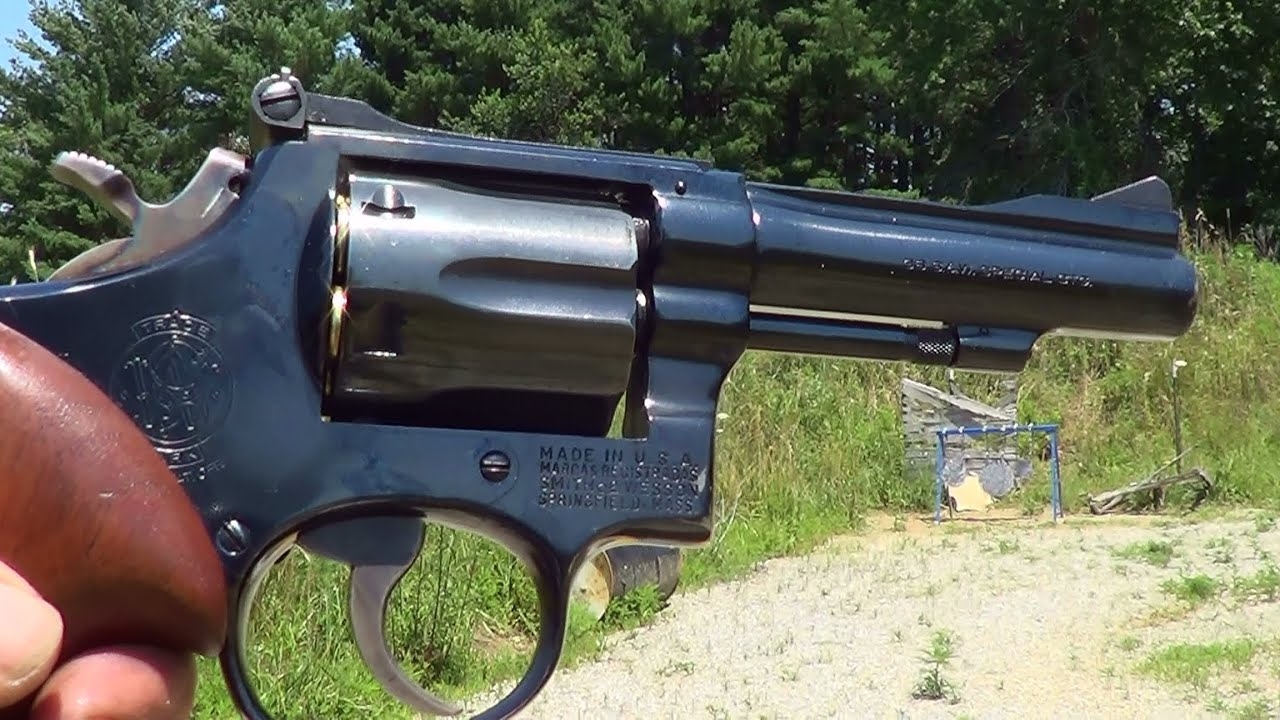
The Model 15 looked too simple to impress a lot of modern buyers. Fixed frame, old-school service-revolver profile, and no hint of tactical ambition made it seem like the kind of handgun people respected because they were supposed to, not because it still had anything left to offer. That is often how these guns get underestimated before experience catches up.
Once people started shooting it seriously, the tone changed. The balance made sense, the .38 Special chambering let shooters focus on skill instead of noise, and the trigger taught lessons many modern pistols tend to blur out. The Model 15 earned respect because it kept showing how much a well-made revolver could still offer once the shooter cared more about hitting than about image.
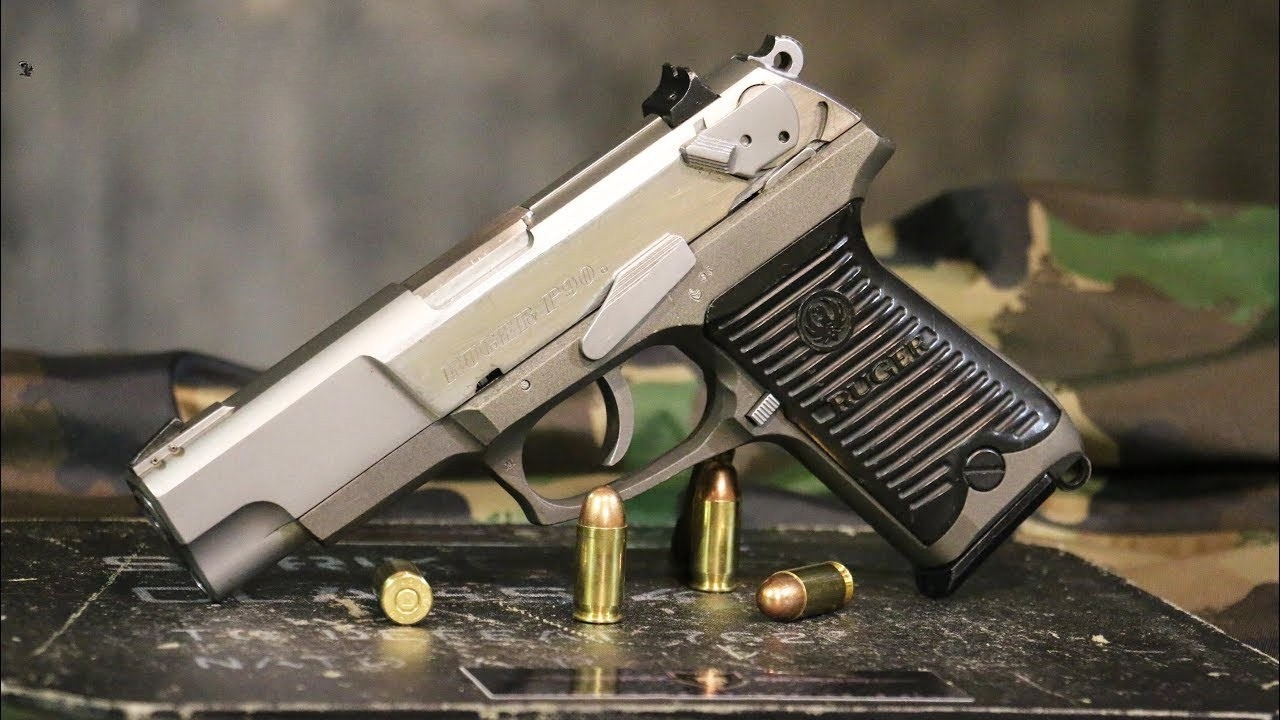
Ruger P90

The P90 looked like a brick when it was new, and that image never really went away. It was big, plain, and far from graceful in a category where many buyers wanted their .45s to feel either refined or cutting-edge. That made the Ruger easy to pass over, especially when so many other pistols seemed to offer more polish up front.
But the P90 kept hanging around for a reason. Owners learned it was durable, easier to shoot well than it looked, and more dependable than plenty of prettier guns that once seemed like better bets. It earned respect over time because the market’s first impression never matched the real ownership experience. The gun was tougher, steadier, and more trustworthy than its looks ever suggested.
Walther P5
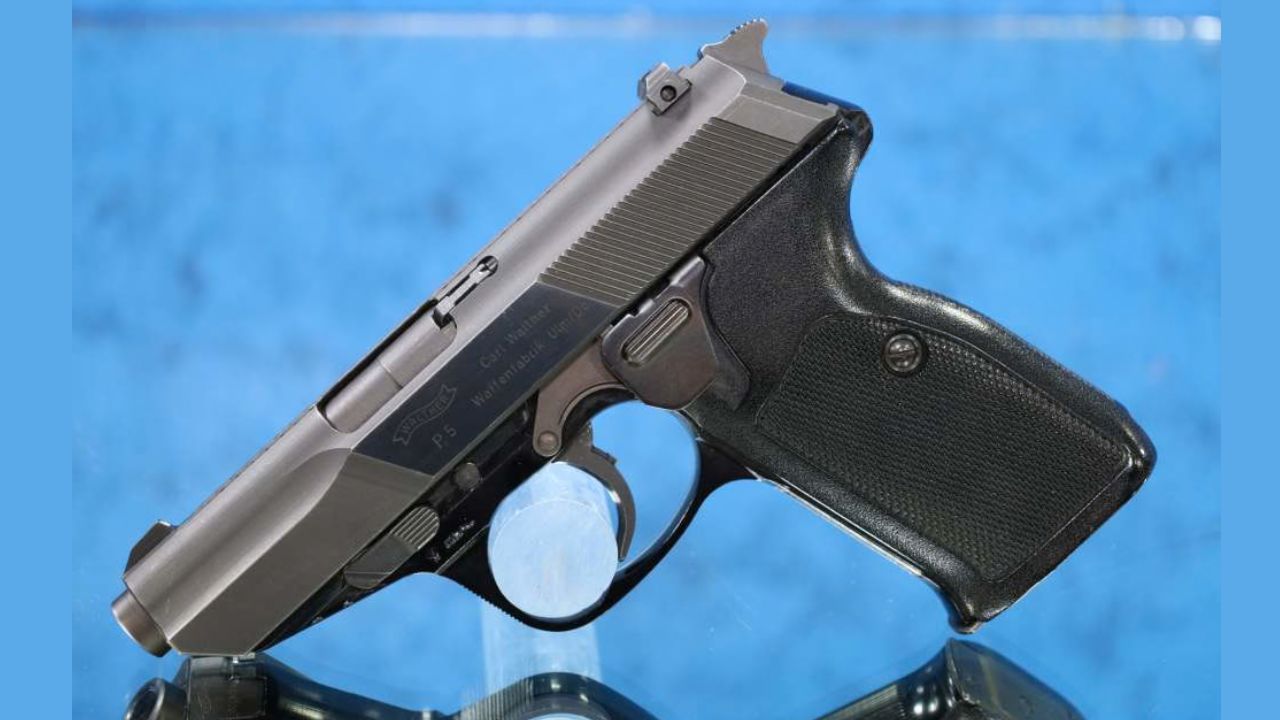
The P5 always had a strong personality, but that did not automatically make it easy for buyers to understand. It looked different, operated differently than a lot of the pistols around it, and never felt like the easiest gun to slot neatly into whatever category the market was pushing at the time. That gave it a long stretch where people admired it without fully respecting it.
Then enough shooters actually spent serious time with one. The ergonomics, quality, and smoothness of the design started clicking in ways the display case never could explain. The P5 earned respect because it rewarded attention. It was not the kind of pistol that screamed its value at first glance. It was the kind that gradually made more and more sense the better the shooter behind it became.
Colt New Agent
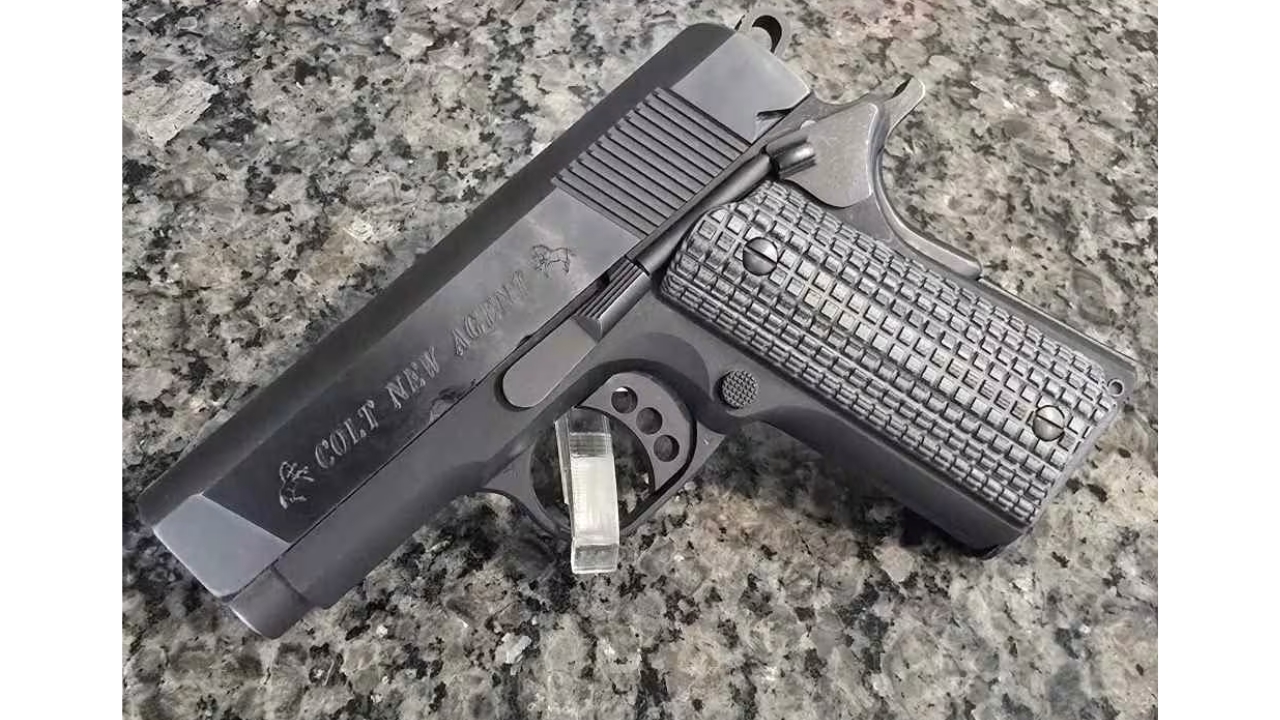
The New Agent was easy to dismiss when it first hit the market. A small 1911 with trench-style sights sounded like either a clever carry solution or a questionable experiment, depending on the buyer’s mood. A lot of shooters leaned toward the second reaction and assumed the gun was more niche than useful, especially compared with other compact defensive pistols competing for attention.
Then people who actually carried one started explaining why it worked for them. The size made sense, the profile stayed clean, and the pistol’s carry-first design began looking more intentional than gimmicky. The New Agent earned respect because it solved a real problem for shooters willing to understand what it was trying to be. It never needed universal approval. It just needed honest range and carry time.
Beretta Tomcat Inox
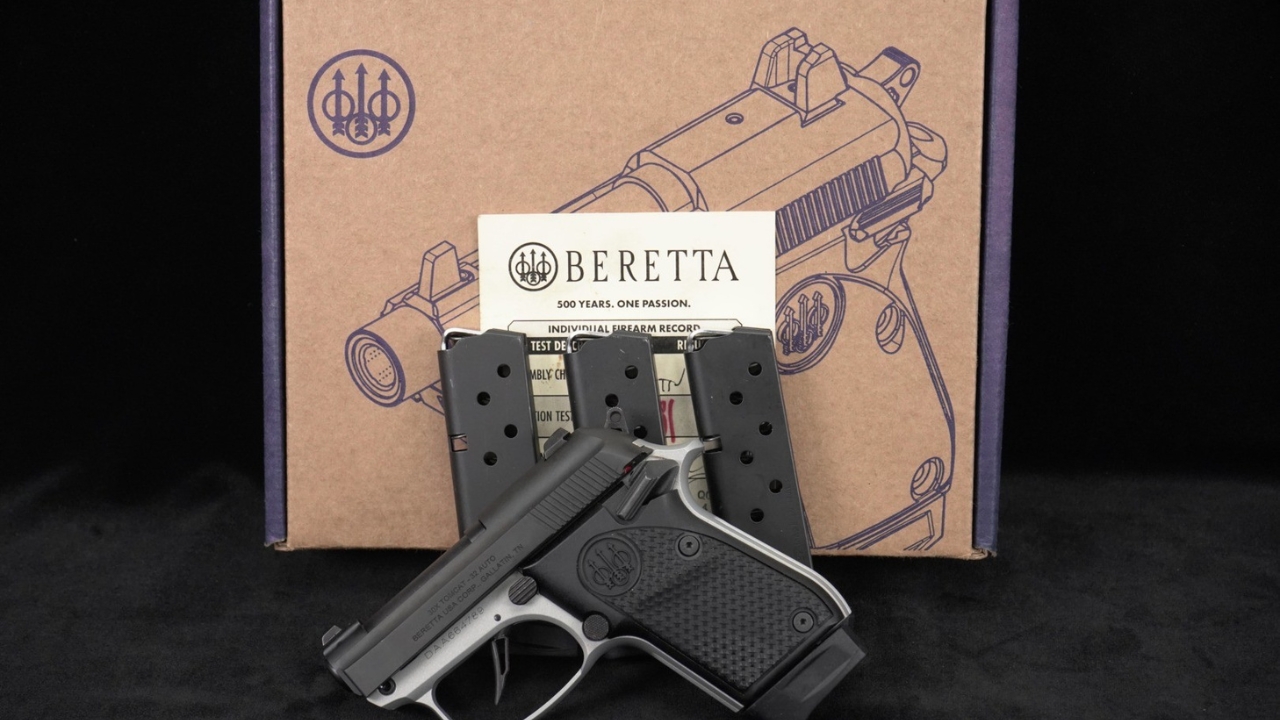
The Tomcat Inox often got treated like a novelty piece or a soft little backup gun that mattered more for style than substance. That kind of assumption was easy to make if all you saw was the size and the chambering. It looked more like a niche sidearm than something worth much long-term respect in a market that likes to equate seriousness with bigger numbers.
Then enough owners put real time into one. The tip-up barrel design, easy carry, and surprisingly useful role started winning people over in ways that first impressions never did. It earned respect because it turned out to be a smart answer for shooters who valued convenience, real concealment, and a different kind of practical thinking. The Tomcat was not for everybody, but the people who actually used one often ended up respecting it a lot more than expected.
Springfield Armory EMP

The EMP had to work through a lot of skepticism. Some buyers treated it like a dressed-up compact 1911 that looked smart on the shelf but might not justify the concept once it was time to carry and shoot it seriously. That suspicion was understandable, especially in a market full of compact pistols that made bigger promises than they could keep.
What changed opinions was real use. The EMP started showing owners that it could be more than just a trimmed-down 1911 idea. It carried cleanly, handled well for its size, and developed a following among shooters who appreciated a slim pistol that still felt like a serious sidearm. It earned respect over time because it actually worked as intended, which is more than can be said for many compact pistols that arrived with louder launches.
FNX-9

The FNX-9 never felt like the hottest pistol in the room. It had competition from every direction, and plenty of buyers treated it as just another polymer service pistol in an already crowded field. That kept it from becoming many people’s first choice, even though it had the sort of useful layout and real-world capability that tends to age well.
Time helped it because the pistol kept proving itself steadier than the attention it got. Owners learned it was easy to shoot, dependable, and more thoughtfully put together than some of the handguns that drew more hype. The FNX-9 earned respect because it never needed to dominate the conversation. It just needed enough rounds through it to show that it was better than its market profile suggested.
Colt Police Positive Special
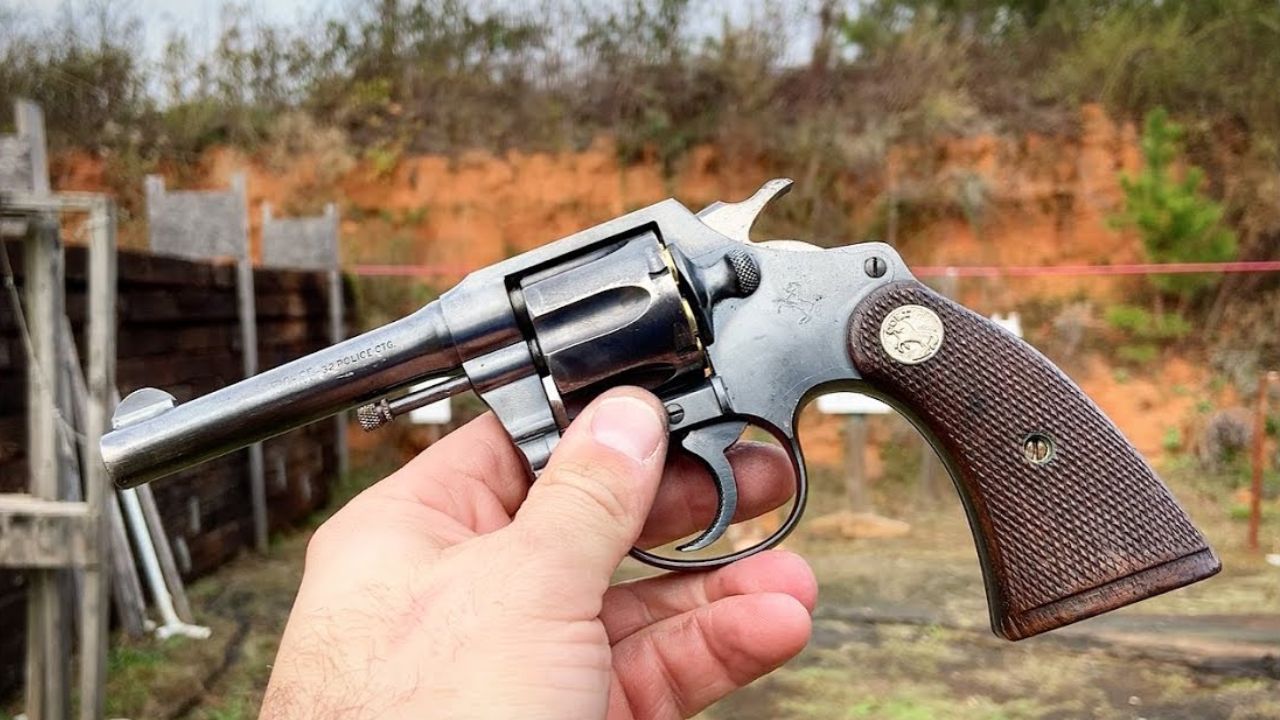
The Police Positive Special is one of those revolvers many shooters only really appreciate after they have spent enough time around handguns to value balance and control over pure modernity. At first glance, it can seem like just another old Colt service revolver that belongs more to history than to present-day respect. That is usually the view before someone actually shoots one with attention.
Then the handling starts doing the talking. The gun feels lively, accurate, and far more refined than a casual first look may have suggested. It earned respect over time because it kept showing that old service revolvers were not crude stepping stones to modern handguns. Some of them were already very, very good at what mattered, and the Police Positive Special proves that one range session at a time.
Smith & Wesson CS9
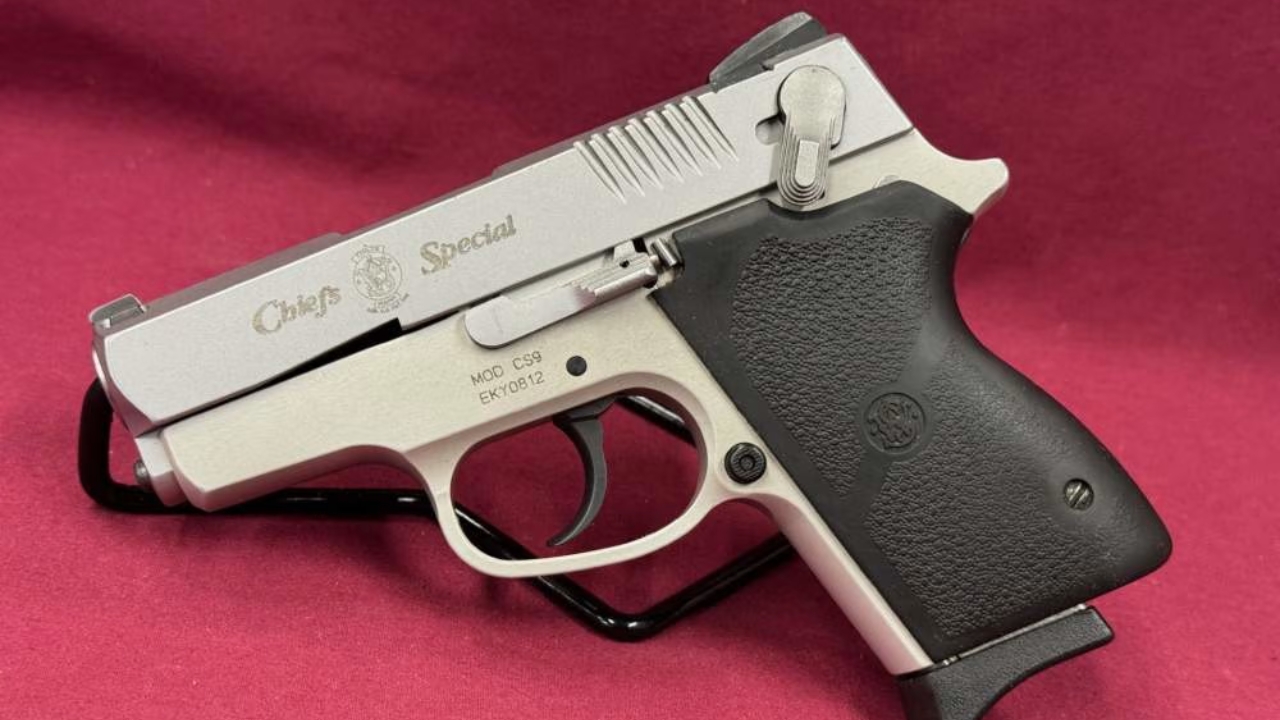
The CS9 spent a long time being one of those pistols that only the owners seemed to fully appreciate. It was compact, practical, and tied to Smith & Wesson’s older semiauto era, which made it easy to underestimate in a market constantly chasing the next carry-gun idea. To many buyers, it looked like a modest little metal-frame pistol from a chapter already closed.
That turned out to be part of its strength. People who carried and shot the CS9 enough began realizing how smart the format really was. It concealed well, felt more serious than many tiny carry pistols, and delivered a sort of understated competence that builds trust over time. The pistol earned respect because it kept making sense after the hype crowd had already moved on to something else.
Ruger Bisley Vaquero
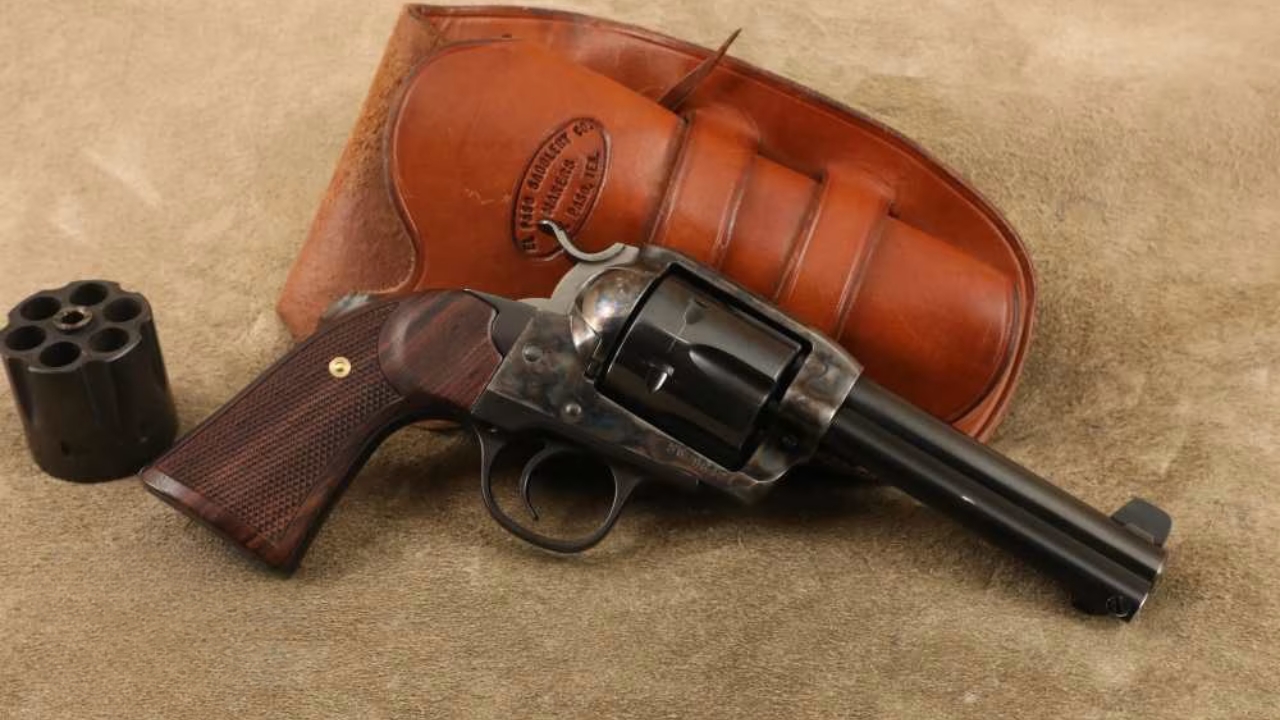
The Bisley Vaquero often gets dismissed early by shooters who assume it is mostly a style piece for people chasing western charm. That is an easy assumption to make if you have not spent much time with single-actions or do not yet understand why grip shape and shooting rhythm matter so much in that world. At first glance, it can seem more niche than meaningful.
Then the gun gets shot. The Bisley grip starts making more sense, recoil management feels better than expected, and the revolver turns into something far more practical and rewarding than skeptics gave it credit for. It earned respect because it taught people that old patterns can still solve real shooting problems extremely well. The Vaquero was never trying to be modern. It was trying to be right for what it was, and time helped prove that.
Like The Avid Outdoorsman’s content? Be sure to follow us.
Here’s more from us: