Photo credit: Elliott Delp/YouTube
When people talk about preparedness, they often get distracted by gear that looks advanced, expensive, or specialized. That is usually the wrong place to start. If you are choosing firearms for uncertain times, the guns that matter most are the ones you already know how to run, can keep fed, can maintain without drama, and can press into more than one role. That is why the old standbys keep hanging around. They may not look exciting next to the latest tactical release, but they have something better: a long track record of doing useful work in the hands of ordinary shooters.
A versatile firearm earns trust by solving practical problems. It should be manageable, supported by common ammo or parts, and flexible enough to cover defense, hunting, pest control, or general utility depending on what the day demands. That does not mean one gun can do everything perfectly. It means some guns make more sense when you value reliability and reach over novelty. The firearms below keep showing up in prepper circles for one reason: they still work where it counts.
Ruger 10/22
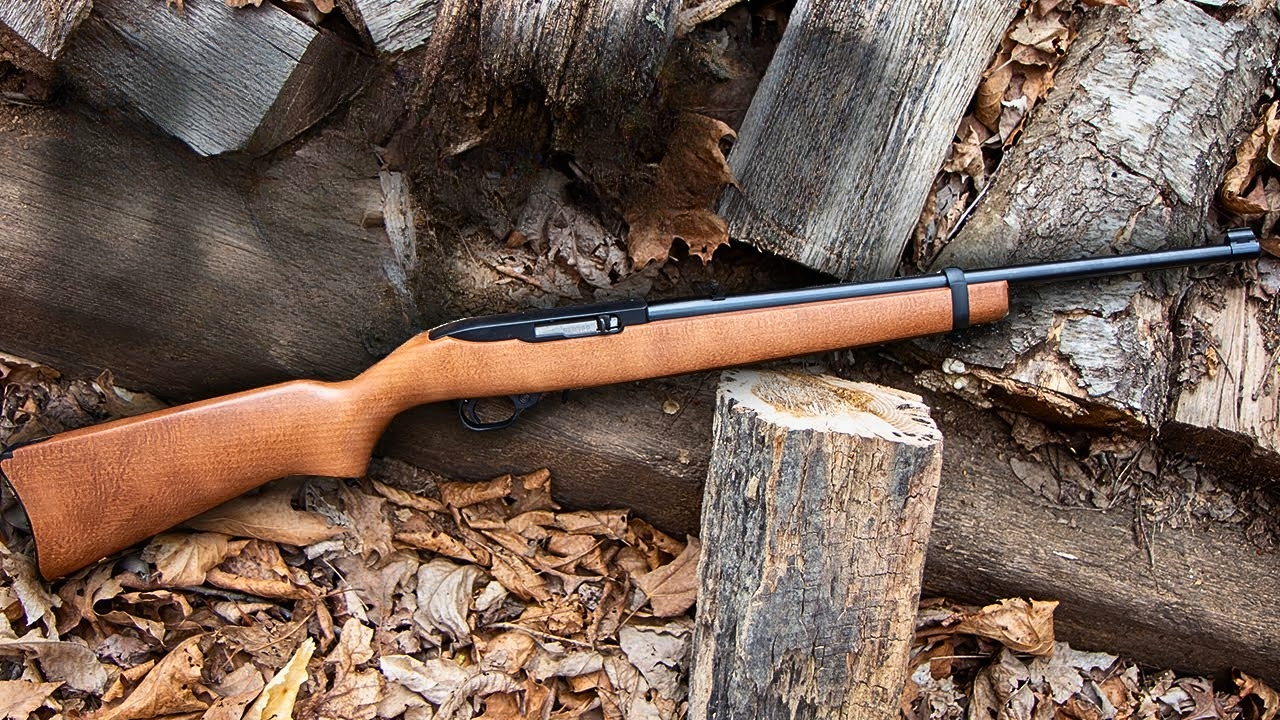
The Ruger 10/22 keeps getting dismissed by people who think preparedness starts and ends with centerfire firepower. That misses the point. A good .22 rifle gives you light recoil, easy shooting, and ammo you can carry in real quantity without weighing yourself down. If you are thinking in practical terms, that matters. The 10/22 also has a long-earned reputation for being handy, familiar, and easy to live with. You can teach new shooters on it, keep it running without much fuss, and use it for small game or pest work without burning through expensive ammunition.
That kind of usefulness is hard to replace. You are not choosing it because it looks imposing. You are choosing it because it covers real-world tasks with very little downside. In a preparedness setup, a rifle that is affordable to feed and easy to shoot well often gets used more, and the gun you actually practice with is worth more than one that mostly impresses people at the counter.
Remington 870
The Remington 870 has stayed relevant for decades because it does what a working shotgun is supposed to do. It is not fancy, and that is part of why people trust it. A pump gun like the 870 gives you flexibility across multiple loads, which matters when you want one firearm that can cover more than one job. Birdshot, buckshot, slugs—each changes what the gun can do, and that kind of range gives the 870 a place in a practical battery that flashier designs often do not earn.
You also get a platform that generations of shooters already understand. That counts for a lot when stress goes up and conditions are not ideal. The controls are familiar, the manual of arms is proven, and parts, barrels, and accessories have long been easy to find. If you want one long gun that can hunt, defend a home, and handle rough use without acting delicate, the 870 still makes a strong case for itself.
AR-15 carbine
The AR-15 keeps the trust of prepared shooters because it offers a rare mix of manageable recoil, useful accuracy, and adaptability. A basic 5.56 carbine can fill several roles without becoming miserable to carry or hard to shoot fast. That is a big reason it keeps winning people over. You can set one up plainly and leave it there, or tailor it to your needs without changing the core handling that made the platform popular in the first place. It is not a mystery gun. By now, most shooters know what it is and what it can do.
What makes it stick in preparedness conversations is that it gives you reach and controllability in the same package. You can train with it efficiently, maintain it with common parts, and find magazines and support almost everywhere in the market. New designs may promise more, but the AR-15 keeps proving that a familiar, supported rifle with broad capability usually beats a “next big thing” that has not earned long-term confidence.
Glock 19
The Glock 19 stays in the conversation because it hits a useful middle ground that a lot of handguns miss. It is compact enough to carry, large enough to shoot well, and common enough that magazines, holsters, and spare parts are everywhere. That kind of balance matters more than people like to admit. In a preparedness context, you are looking for a handgun you can actually live with, not one that shines only on paper. The Glock 19 has built its reputation by being practical, consistent, and easy for a lot of shooters to keep running.
You also get a handgun that does not demand much drama from its owner. The manual of arms is straightforward, maintenance is simple, and the design has been around long enough that few surprises remain. That is why it keeps beating newer pistols that arrive with louder marketing. When people are trusting a sidearm for serious use, they usually lean toward the one with the longest record of staying boring in the best possible way.
Marlin 336
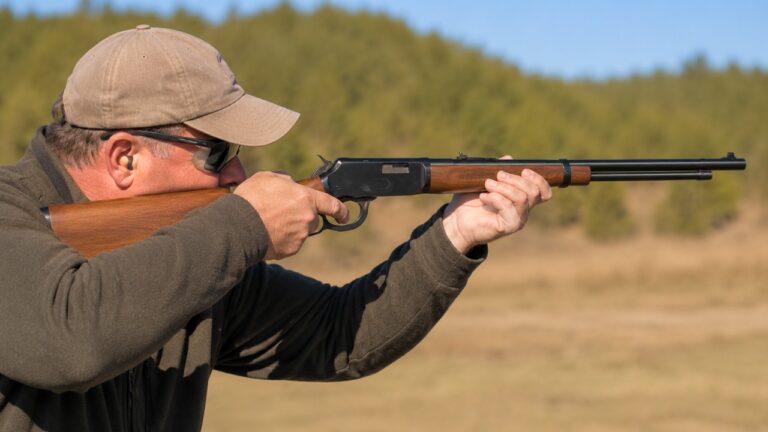
The Marlin 336 keeps showing up in practical gun talk because it represents a kind of versatility that many people understand the moment they pick one up. A lever gun in .30-30 is compact, easy to carry in thick cover, and strong enough for the kind of deer-sized game a lot of folks actually hunt. It is not trying to be a long-range rig or a high-capacity fighting rifle. What it offers instead is reliability, quick handling, and a proven cartridge that has been filling freezers for generations.
There is also something to be said for how approachable the rifle feels. The 336 is often easier for people to keep around, train with, and use confidently than more complicated or more intimidating designs. In a preparedness mindset, that counts. You want a rifle that fits real woods use, truck-gun duty, and plain old familiarity. Flashier platforms may do some things better on paper, but the Marlin 336 keeps earning trust because it does honest work without asking you to overthink it.
Ruger GP100
A good .357 Magnum revolver still makes sense in a preparedness lineup, and the Ruger GP100 is one of the clearest examples. It earns trust because it is sturdy, straightforward, and flexible in ways many semi-autos are not. You can run full-power .357 loads when you want more punch, or step down to .38 Special for easier recoil and softer shooting. That gives you options with one handgun, which is a big advantage when you are thinking in terms of practical use rather than chasing trends. The GP100 also has a reputation for holding up to hard use.
The other reason people keep coming back to it is predictability. A revolver does not depend on magazine function the same way a semi-auto does, and for some shooters that still carries weight. No handgun is perfect, and revolvers have their own limits, but the GP100 remains a trusted choice because it is durable, understandable, and capable of covering trail use, home defense, and general sidearm duty without trying to be something it is not.
Like The Avid Outdoorsman’s content? Subscribe to our newsletter so you never miss an article.
Here’s more from us: