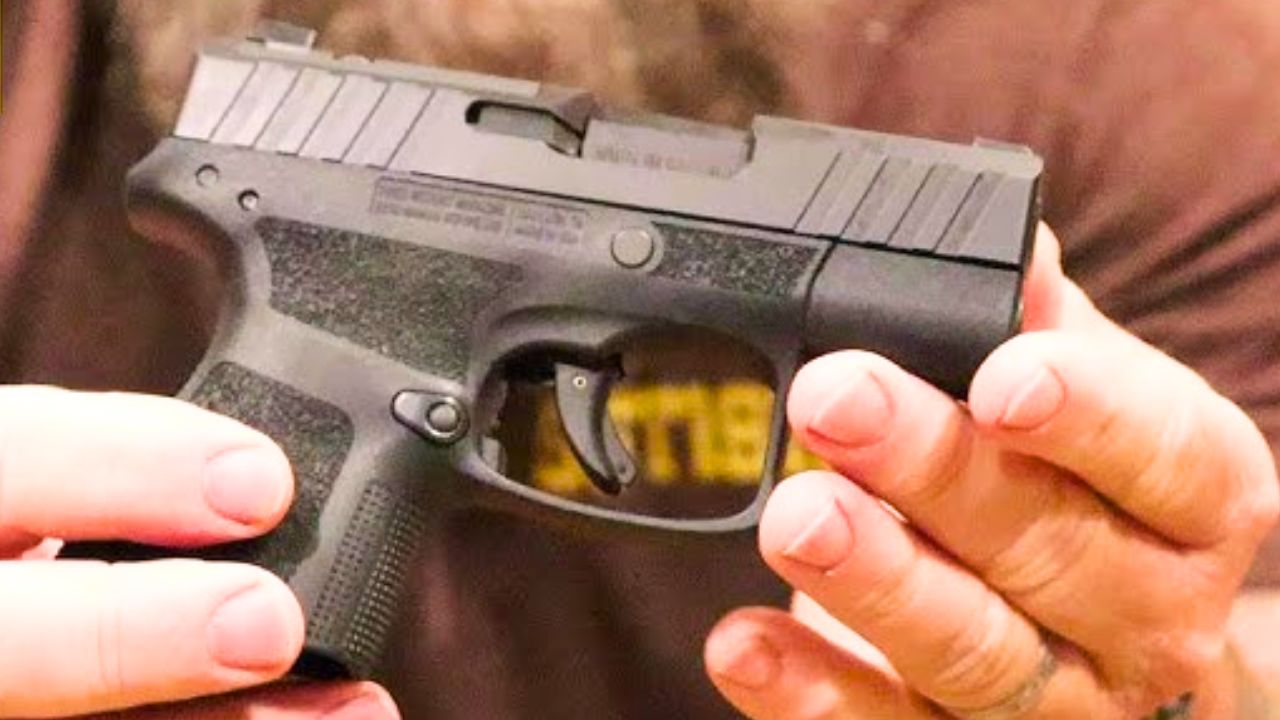
Photo credit: Black Bear Outdoors/YouTube
Reload drills are where pistols reveal their real personality. Some guns glide through magazine changes without a hiccup, while others turn a smooth motion into a scramble. Poorly designed mag wells, sticky releases, and inconsistent slide behavior can take a confident shooter and make them look clumsy in seconds. When a pistol forces you to fight the gun instead of running it, the frustration adds up fast. These are the handguns that have a track record of turning straightforward reloads into full-on chaos.
Beretta APX Full Size
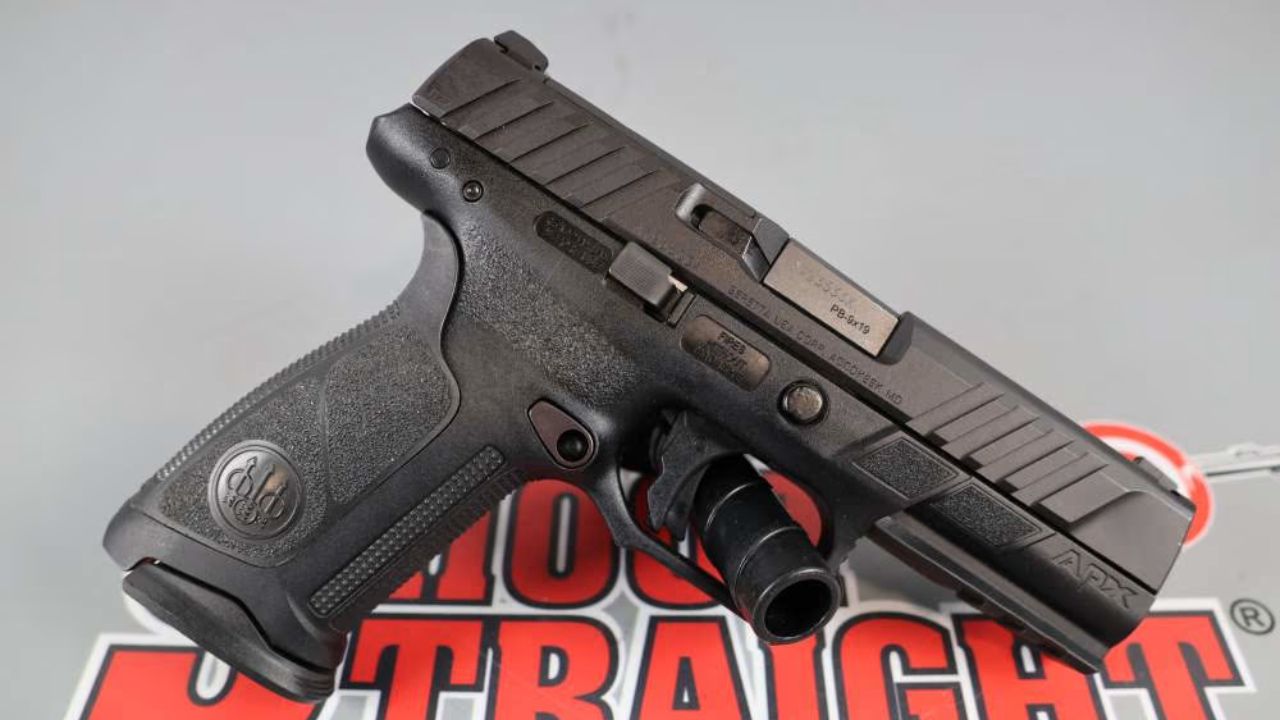
The APX Full Size has a lot going for it, but the wide grip and stiff mag release create challenges during reloads. Shooters often find themselves adjusting their grip mid-drill, which slows things down and interrupts rhythm.
The flared edges of the grip don’t always help guide the magazine in, and if your angle is slightly off, it bumps instead of seats. Under stress, the issue becomes more noticeable, leading many shooters to overcorrect and fumble. It’s a dependable pistol, but the reload experience takes real effort to smooth out.
Smith & Wesson SD9 VE
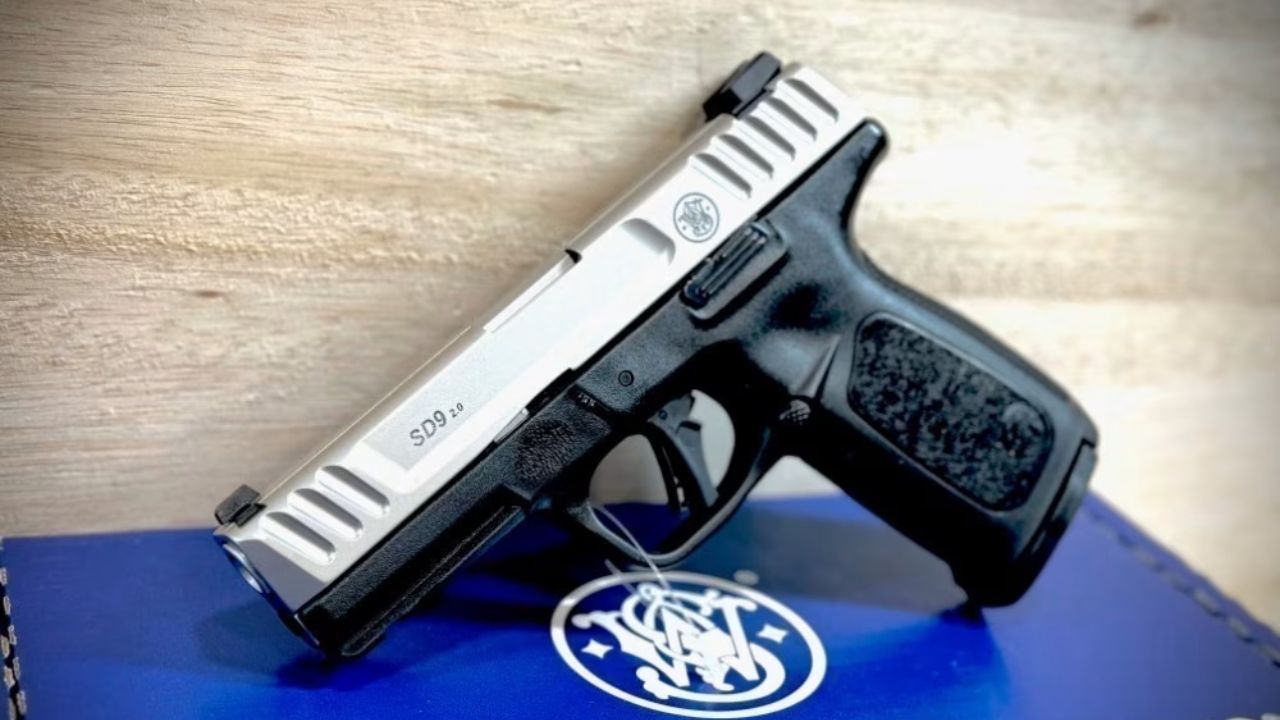
The SD9 VE’s magazine design has sharp edges that catch on the grip more than you’d expect, making fast reloads inconsistent. Some shooters also struggle with the shallow mag well, which doesn’t provide much guidance during speed drills.
The heavy trigger forces a tight grip, and once you start shifting to drop the mag, the whole gun can move off-line. That motion makes the magazine miss its seat more often than not. You can train around it, but compared to modern pistols, the reload feels dated and clunky.
CZ P-10 S

The P-10 S is accurate and compact, but its tight mag well tolerances turn reloads into a precision exercise. If the magazine isn’t perfectly aligned, it stops short of locking, forcing you to apply extra pressure or reposition entirely.
The short grip doesn’t give your hand much leverage during magazine changes, and shooters with larger hands often struggle with clearance. When you add stress or cold weather, the reload rhythm gets even choppier. It’s a good carry pistol, but not one known for forgiving reloads.
Ruger Security-9 Compact

While the Security-9 Compact is lightweight and easy to carry, the reload process demands attention. The magazine doesn’t always fall free, especially when worn or dirty. That means you’re forced to strip it out manually, adding extra steps.
The narrow mag well can also mislead shooters into thinking the mag is seated when it’s not. You’ll often see failures to lock because the lip caught on the edge. It’s reliable per shot, but the reload experience takes more fussing than most people want.
Walther CCP M2
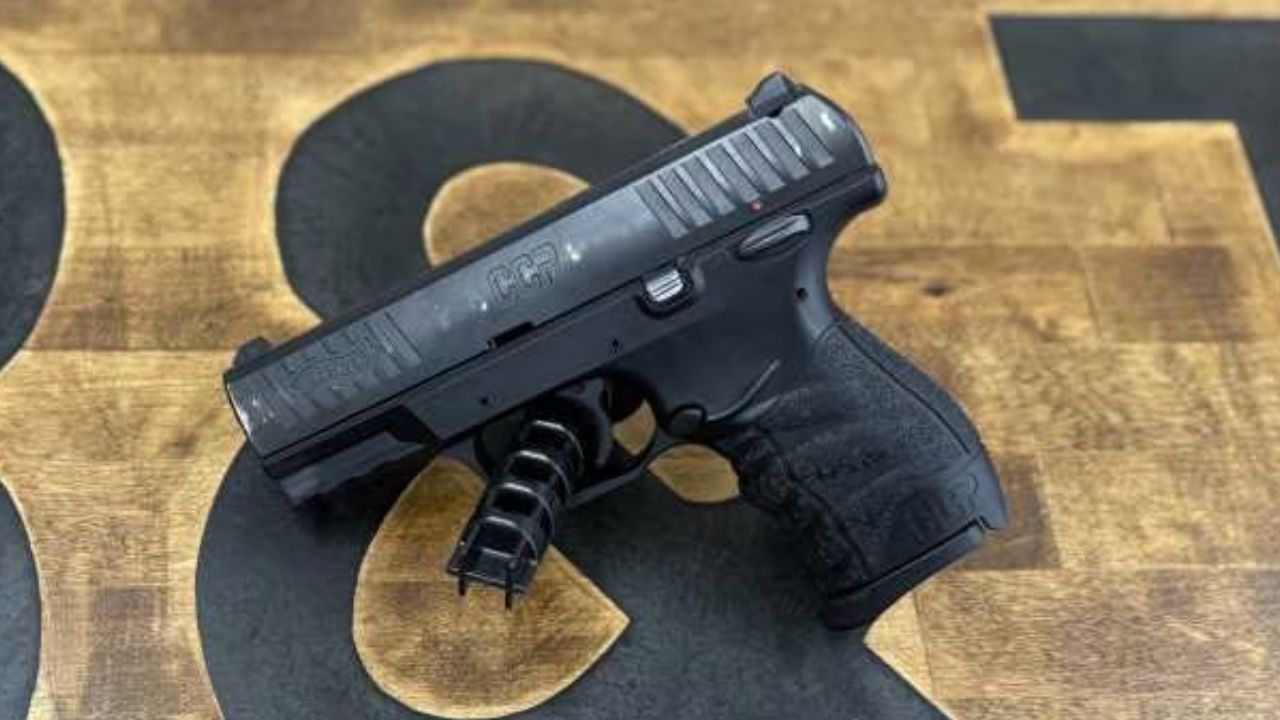
Despite its soft recoil, the CCP M2 complicates reloads with its unusually shaped magazine baseplate. The angle tends to snag on the grip, especially during fast or blind insertions. Shooters expecting Walther’s typical smoothness often get surprised.
The mag release placement also isn’t intuitive, forcing a grip shift that slows everything down. With practice, you can manage it, but the learning curve is real. For a pistol geared toward ease of use, the reload process feels unnecessarily awkward.
Taurus TH9

The TH9 has a traditional DA/SA layout, but the reloads tell a different story. The mag well is surprisingly narrow, and slight misalignment causes the mag to bind halfway in. Even experienced shooters find themselves tapping harder than normal to seat it.
On top of that, the magazines sometimes stick instead of dropping cleanly. Dirt, grime, or even a stiff spring can turn a smooth reload into a juggling act. It’s dependable enough on the firing line, but the reload process remains a sticking point.
Sig Sauer SP2022

The SP2022’s polymer frame and older design make reloads more challenging than newer Sig models. The mag well isn’t beveled much, so reloads must be deliberate. Under pressure, that leads to hesitation or missed attempts.
The slide release is also small and stiff, complicating slide-forward reloads unless you train specifically for it. The gun shoots well for its price, but reloads lack the flow and speed shooters expect from a modern combat pistol.
Glock 36
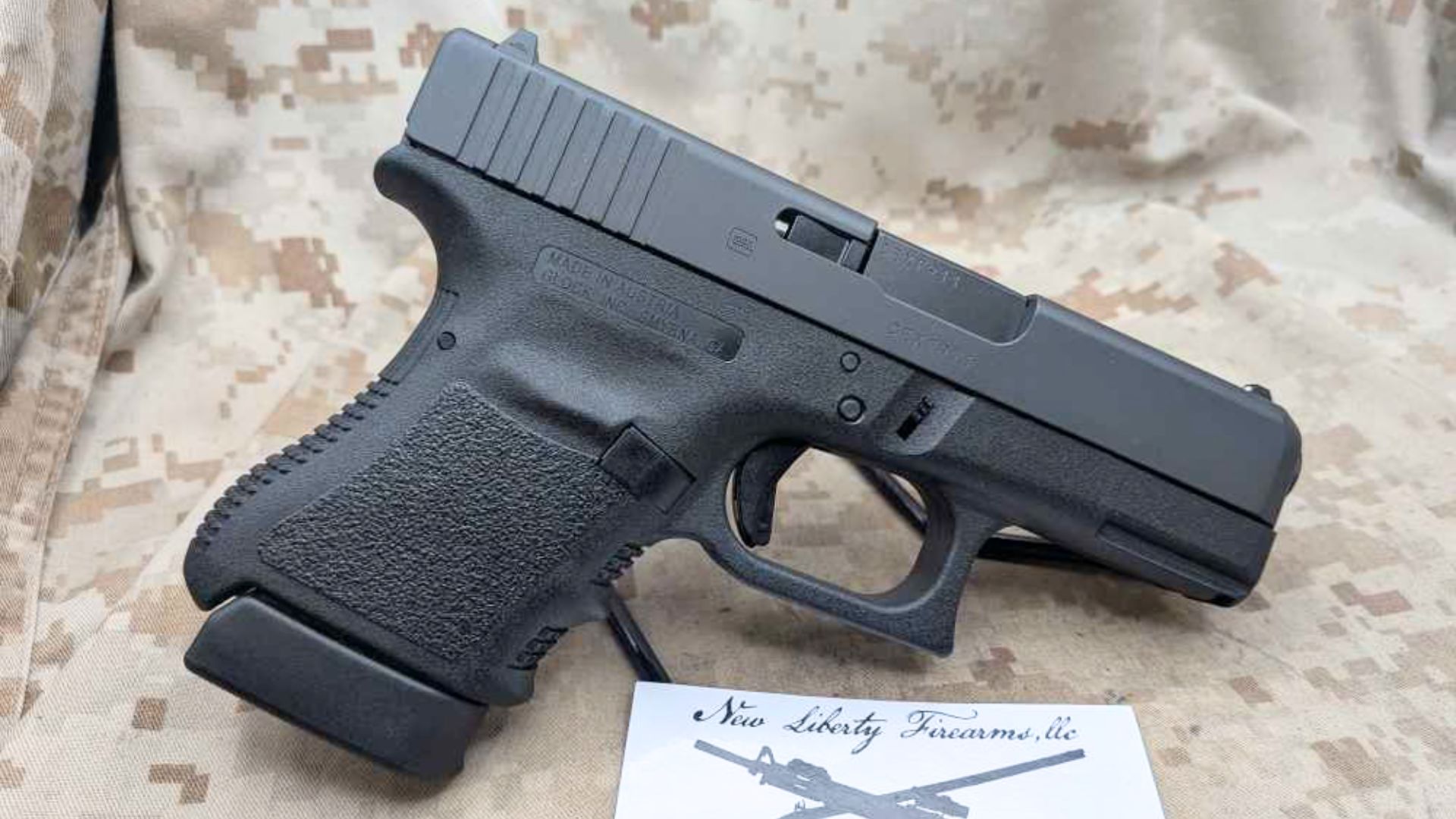
The Glock 36 offers slim carry comfort, but its single-stack magazines do not reload easily. The narrow mag well requires perfect alignment, and the shorter grip makes the process feel cramped.
Because the mags are lighter, they don’t always drop free with authority. Some shooters find themselves shaking the gun to clear it. For emergency reloads, that hesitation can be a problem. It’s a capable pistol, but not one known for smooth mag swaps.
FN FNP-9
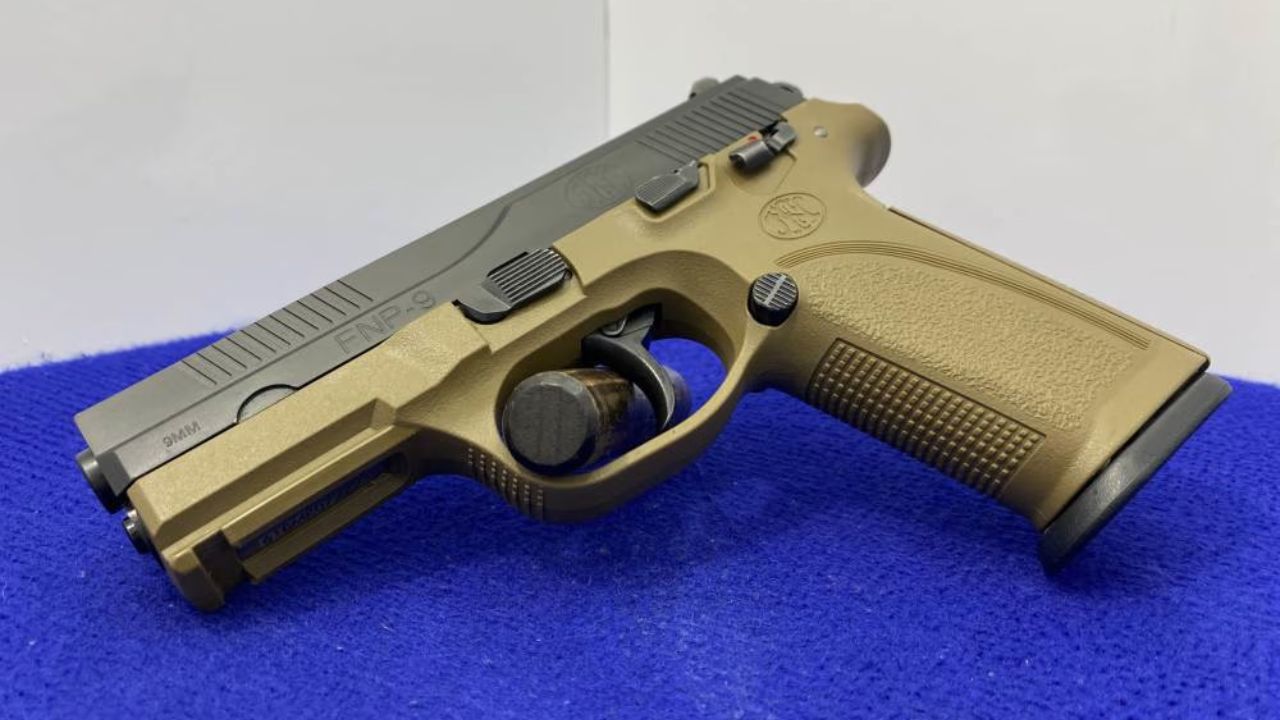
The FNP-9 is rugged, but its slide and frame geometry create reload hiccups. The mag well isn’t particularly forgiving, and if you insert the mag slightly off-center, it bounces out rather than seating.
Another issue comes from the oversized slide stop, which many shooters bump accidentally during reloads. That stops the slide from dropping when you expect it to move forward. The pistol can shoot well, but the user interface feels dated.
Bersa Thunder 9 Pro
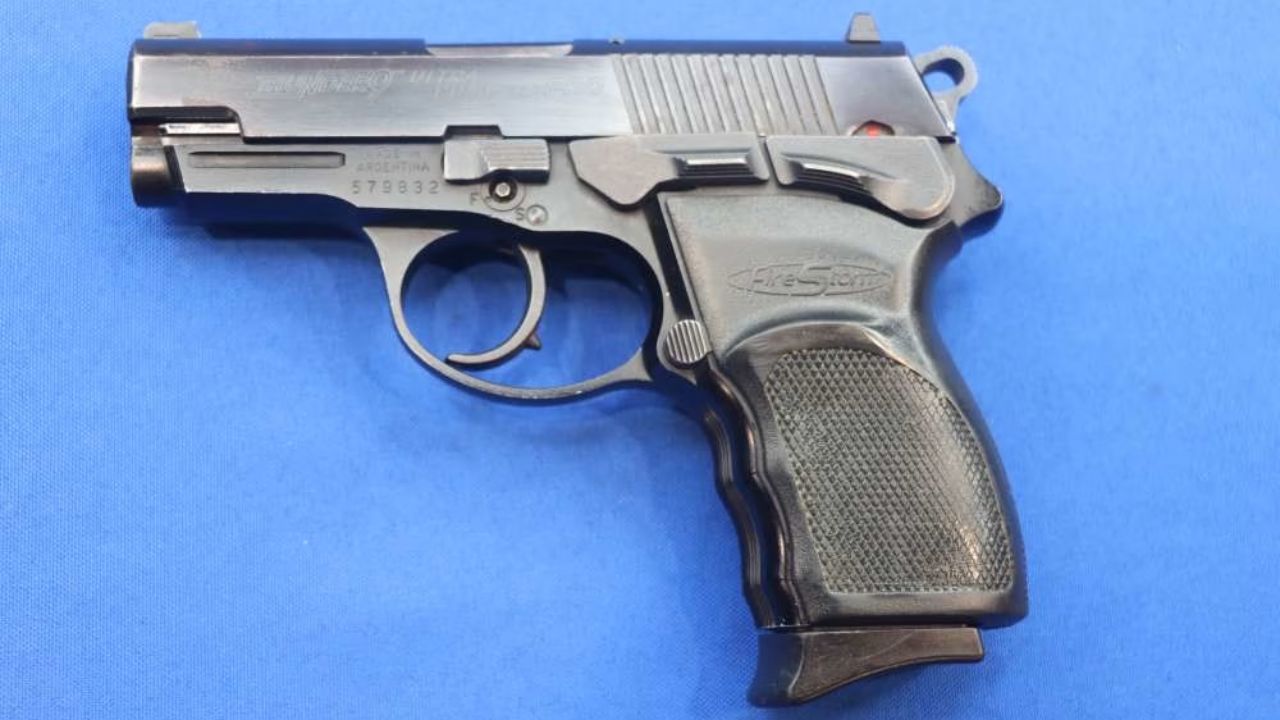
The Thunder 9 Pro packs features into a budget pistol, but the reload process is where its limitations show. The mag release is surprisingly stiff, and some shooters must reposition their thumb to activate it.
Magazines also tend to bind on the front lip of the well, especially during fast insertions. If your angle is off even slightly, the reload becomes a two-step correction. In casual shooting it’s fine, but for speed work, it demands more precision than similar guns.
Canik TP9 DA
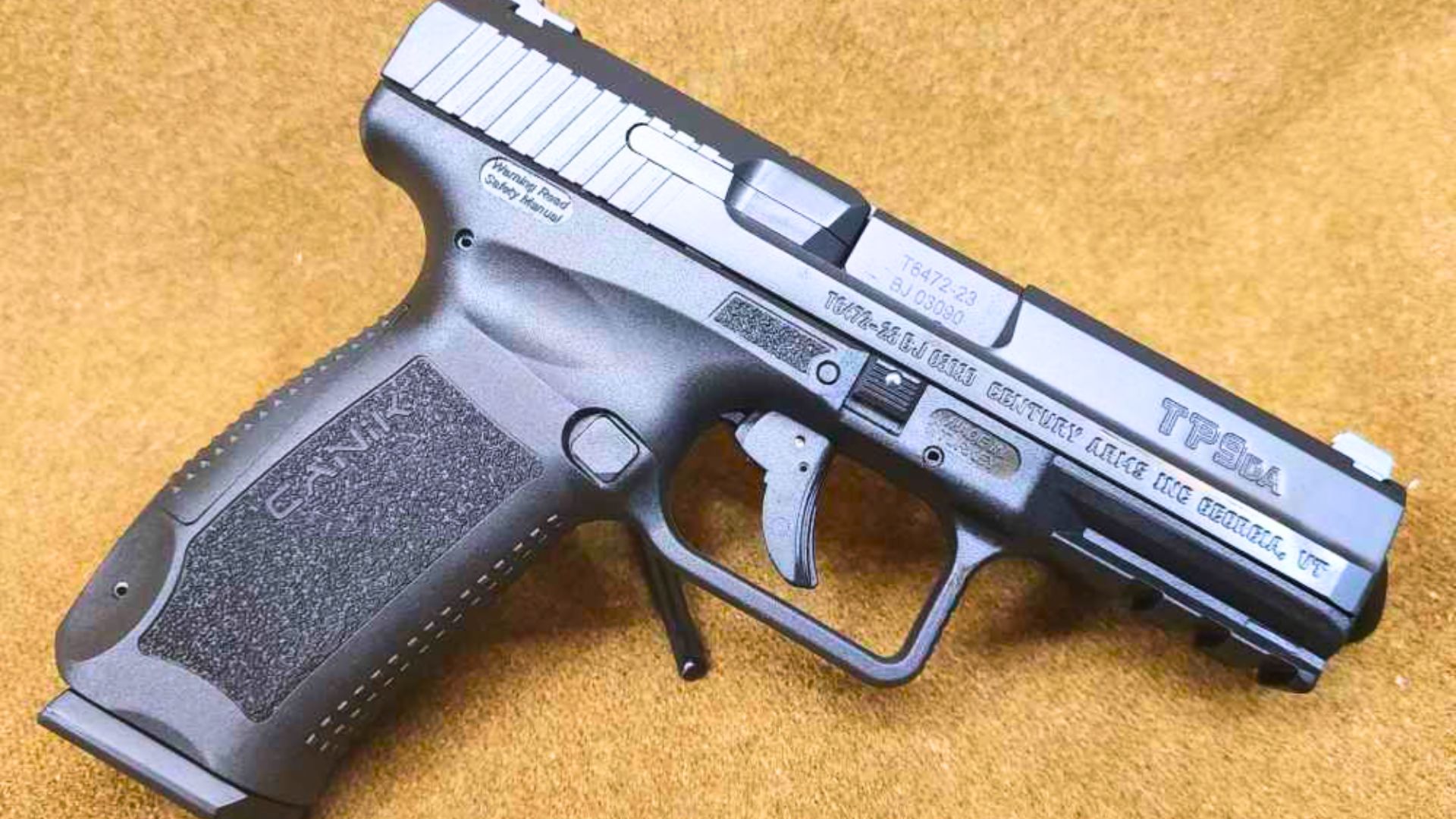
While many Canik pistols shine, the TP9 DA’s reload mechanics feel clunky. The double-action trigger requires a deep grip, and shifting that grip to drop the mag slows reloads more than shooters expect.
The mag well has minimal beveling, and the first inch of insertion is often where alignment goes wrong. Some shooters blame the magazines, but the geometry is simply less forgiving than the later TP9 variants.
ATI FXH-45
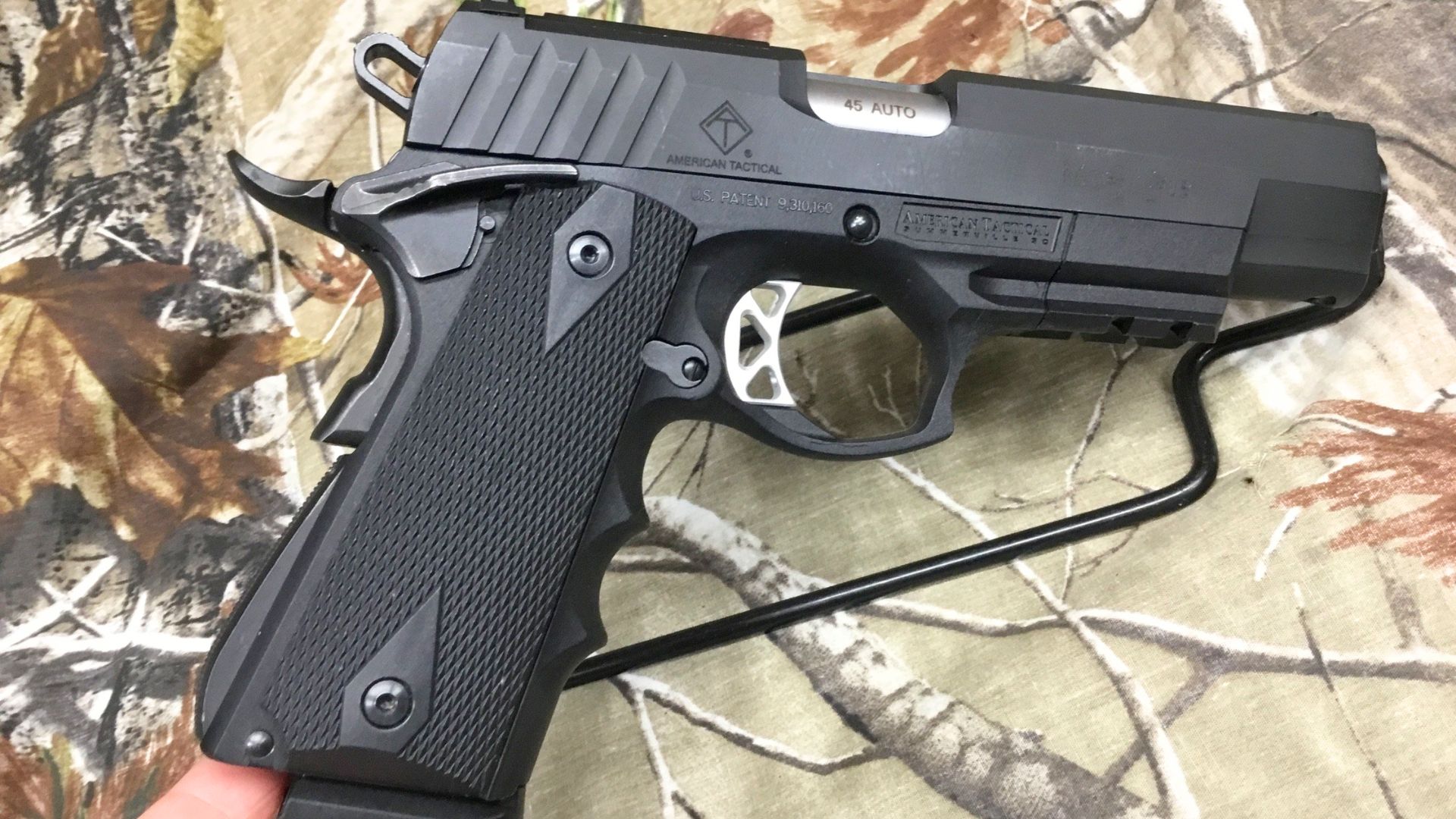
This hybrid 1911-style pistol brings a polymer frame to a classic design, but the reload experience suffers. The mag well is sharp and flat, offering little help in guiding magazines home at speed.
Because the pistol is so light, inserting magazines shifts the whole gun unless you brace it carefully. That leads to missed seats, partial locks, and slide-forward failures. It’s interesting conceptually, but reloads require more focus than most shooters prefer.
Rock Island TAC Ultra FS 9mm
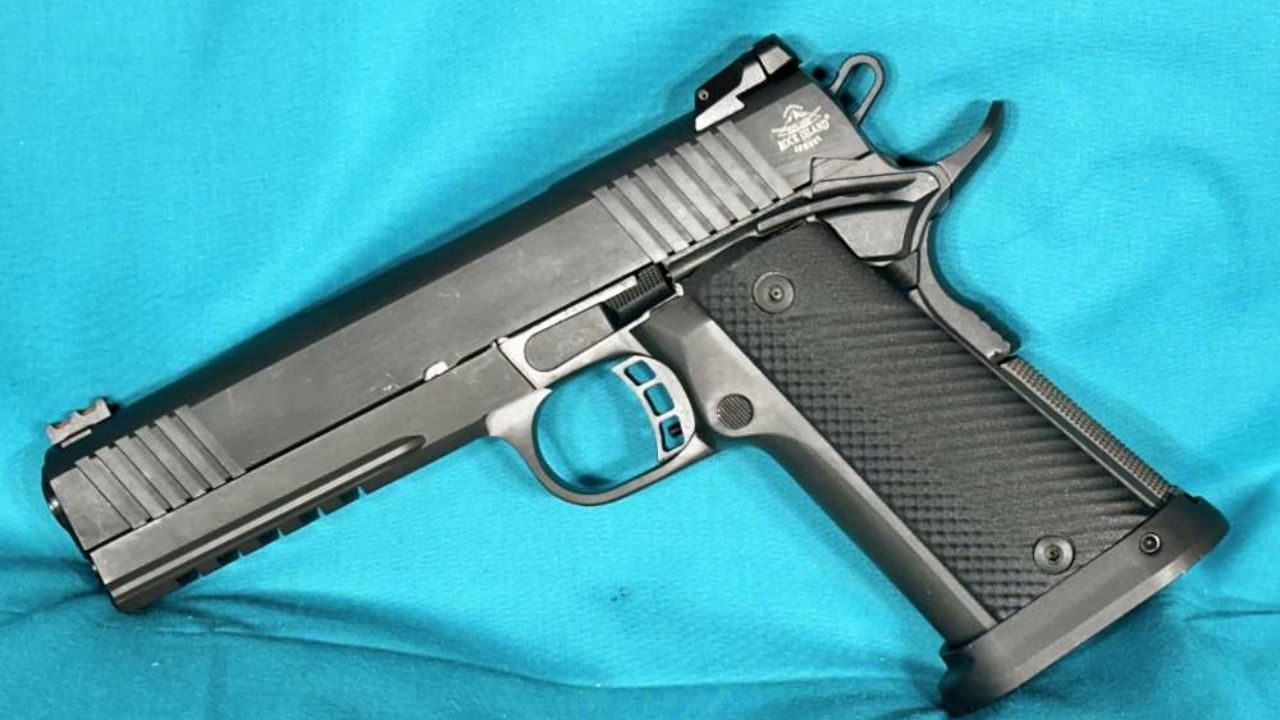
The TAC Ultra FS can shoot respectably, but reloads often expose inconsistencies in magazine fitment. Some mags seat easily, while others require extra force or a slight forward tilt to lock.
During fast-paced drills, this variation becomes a real frustration. The pistol’s weight actually works against it here, forcing shooters to manage momentum while trying to align the mag. It works, but only after you’ve learned the quirks.
SCCY CPX-2

The CPX-2 offers affordability, but reload handling is one of its rougher traits. The mag well edges aren’t rounded, so magazines catch easily when inserted at speed. Combine that with the short grip, and alignment becomes tricky.
Magazines also don’t always drop free, especially when dirty. That turns reloads into a three-step dance instead of a smooth motion. It’s fine for casual plinking, but it doesn’t reward fast manipulation.
Beretta PX4 Storm Subcompact

The PX4 Subcompact is ergonomic, but the rotating barrel design changes the slide geometry, making reloads feel strange. The slide sits higher, so reach to the mag release feels longer and less natural.
Magazines sometimes bounce off the front edge of the grip during insertion, especially with new shooters. Once you learn the angle, it’s manageable, but out of the box, reloads tend to be bumpier than expected. Great shooter, quirky reloader.
Like The Avid Outdoorsman’s content? Subscribe to our newsletter so you never miss an article.
Here’s more from us: