Photo credit: Tac 2 Weapons For The 2nd Amendment 1789/YouTube
Some handguns show up with bold promises about reliability. They get marketed as duty-ready, carry-ready, or combat-proven, and plenty of shooters take those claims at face value. But once the pistols hit the range, the truth comes out fast. Feeding issues appear out of nowhere, safeties hang up, triggers feel inconsistent, and some guns flat-out refuse to run the ammunition most people actually carry.
You learn pretty quickly which platforms you can trust and which ones need ideal conditions to function. These are the handguns that prove reliability isn’t guaranteed, no matter how polished the brochure or how confident the shop clerk sounded.
Kimber Solo

The Kimber Solo looks refined and carries well, but many shooters learn quickly that reliability depends heavily on ammunition. The pistol often struggles with standard-pressure range rounds and runs best only with hotter defensive loads. That quickly turns casual practice into an expensive ordeal.
The small grip and brisk recoil make it hard to stay consistent during rapid fire. Even shooters who appreciate Kimber’s craftsmanship eventually find the Solo too unpredictable for everyday carry. It’s a pistol that looks trustworthy yet demands more ideal conditions than most people can give it.
Remington R51 (Modern Version)

When the R51 reappeared, it generated excitement, but early users faced frequent feeding and extraction issues. The delayed-blowback action felt rough, and the slide could bind during cycling, leading to unpredictable stoppages.
Even after revisions, many shooters still experienced inconsistent performance compared to other compact pistols. The gun handles well when it runs, but reliability concerns overshadow everything else. Most owners eventually park it in the safe because they can’t trust it to function during harder drills or defensive-speed shooting.
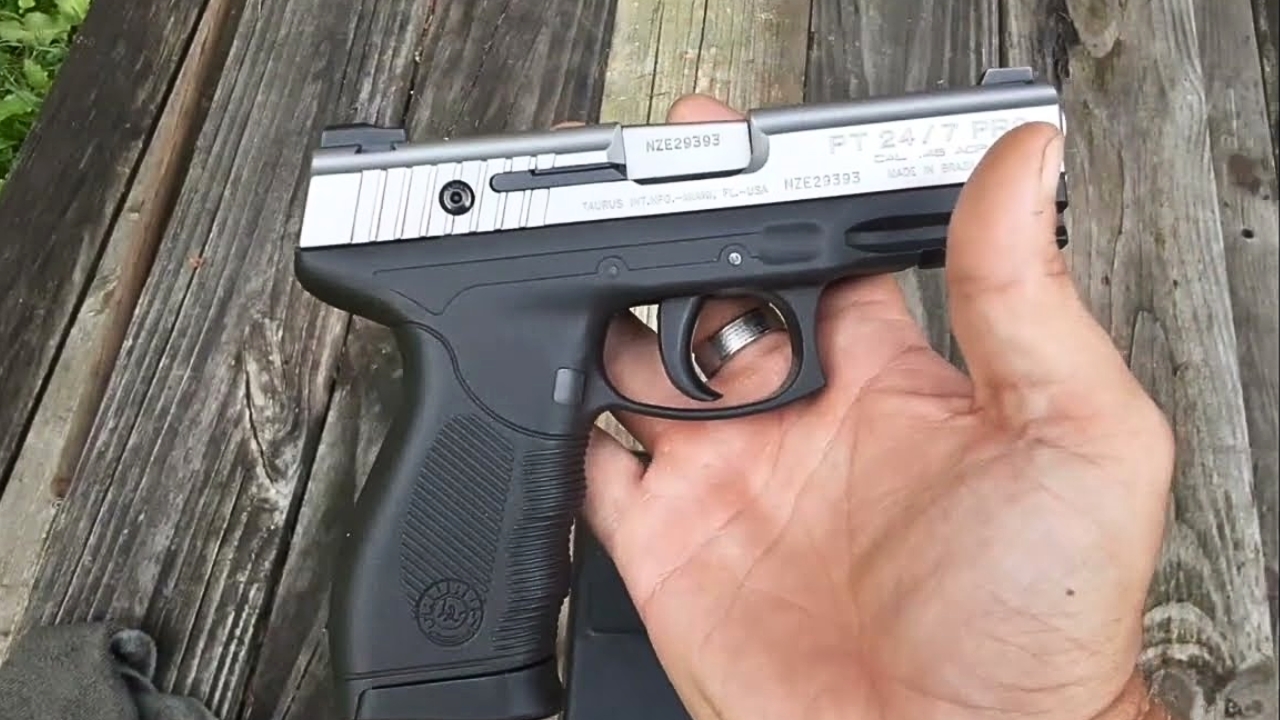
Taurus PT24/7 (Early Models)

The original PT24/7 series had ambitious features, but reliability didn’t match the design. Some shooters reported striker problems, inconsistent trigger resets, and feeding issues under rapid fire.
While later versions improved, the early guns developed a reputation for unpredictable performance that lingered long after production shifted. Even people who liked the ergonomics learned to keep expectations measured. For many shooters, a pistol that needs perfect conditions to run cleanly is something they won’t rely on for serious use.
SIG Sauer Mosquito
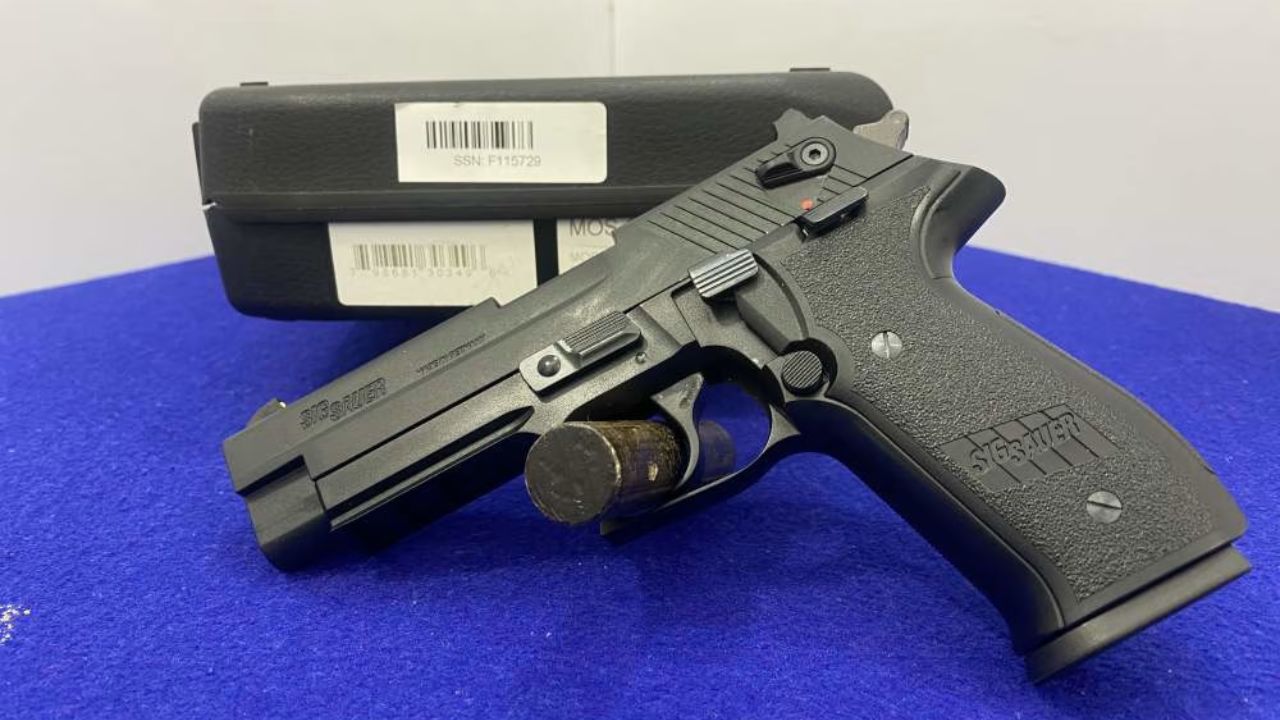
The Mosquito was supposed to be a fun training pistol, but it earned a reputation for being extremely finicky with ammo. If you didn’t feed it premium high-velocity .22 LR, you’d likely see failures to feed or eject.
That sensitivity frustrated new shooters who wanted an affordable way to practice. While some managed to tune theirs through trial and error, many gave up and moved to more forgiving rimfire pistols. The Mosquito proved that brand reputation alone can’t guarantee reliability.
Walther CCP (Original)

The original CCP used a gas-delayed system that created cycling issues for many shooters. It struggled with lighter loads, and the disassembly process was more complicated than expected for a carry pistol.
Some owners reported failures once the pistol got dirty, which made practice sessions shorter than they needed to be. While the ergonomics were comfortable, they weren’t enough to offset the inconsistency. Many shooters who wanted a soft-recoiling carry gun ended up trading the CCP for something more trustworthy.
Kahr CW40
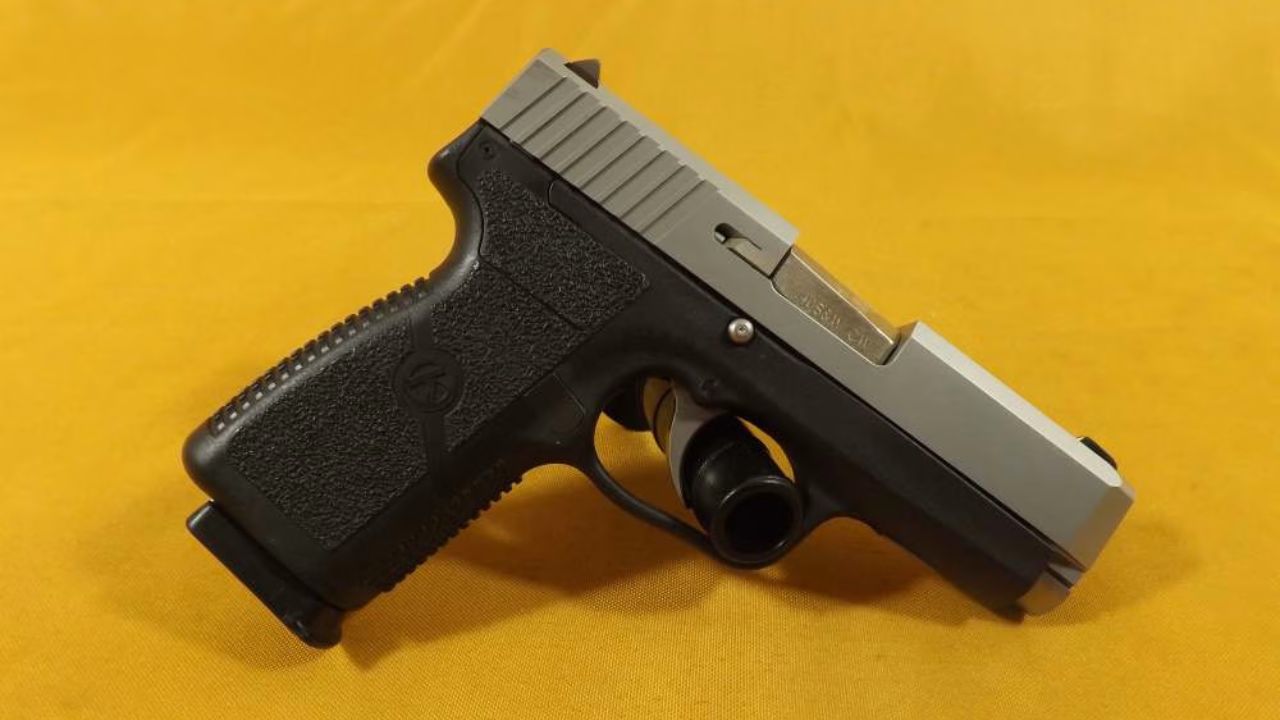
The CW40 brings .40 S&W performance in a small package, but that pairing introduces challenges. The recoil is abrupt, and maintaining control for fast follow-up shots can be difficult.
Some shooters also reported feeding issues depending on magazine and ammo combinations. While the CW40 can run well, it demands disciplined grip and steady maintenance. Most people who buy one eventually switch to the 9mm version or move to a compact platform with more forgiving behavior.
SCCY CPX-1
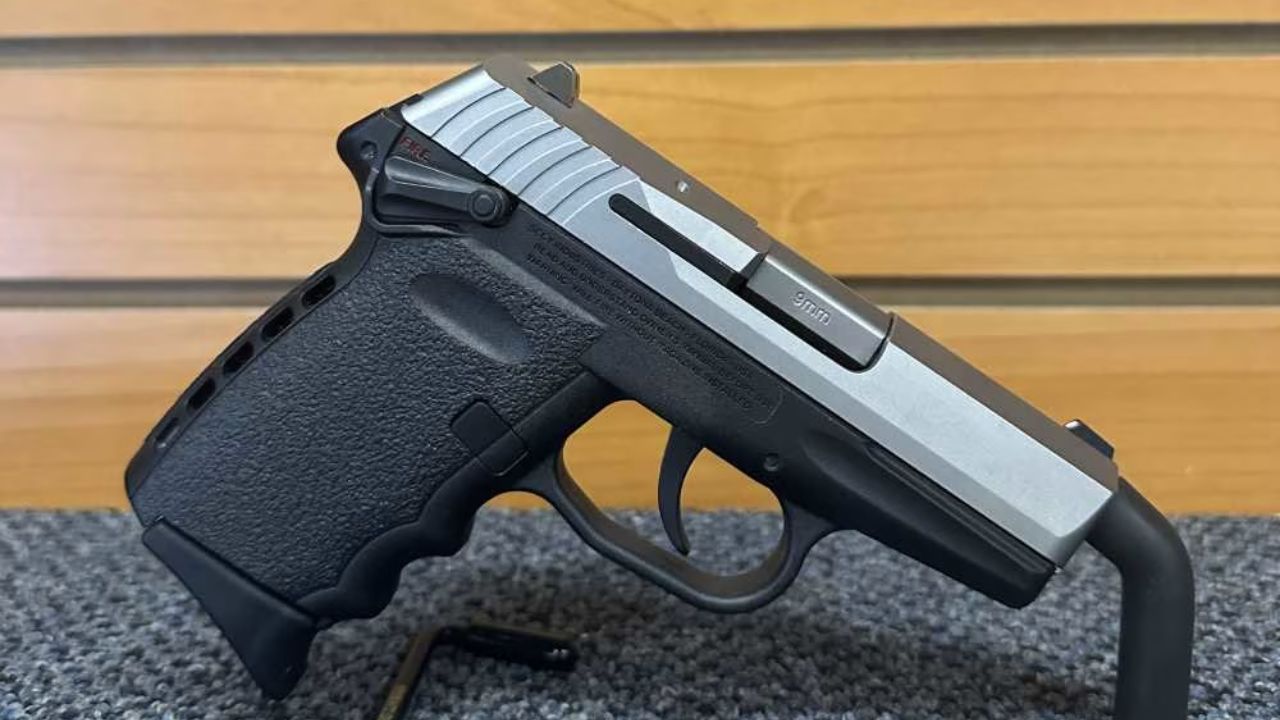
The CPX-1 built a following thanks to its price, but reliability issues kept many shooters from trusting it. The manual safety could engage unintentionally, and the long, heavy trigger made controlled shooting difficult.
Some users encountered feeding problems depending on magazine batches and ammunition. SCCY’s customer service is strong, but most owners never develop the confidence needed for carry. It’s a pistol that offers value, but not the consistency many shooters expect.
Beretta Nano

The Nano’s clean, snag-free design appealed to concealed carriers, but its cycling reliability left something to be desired. Many shooters experienced failures with lighter ammunition, and the stiff recoil spring created challenges for anyone with weaker grip strength.
Without external controls, clearing those malfunctions wasn’t always quick. The trigger didn’t inspire confidence either. The pistol could run well with the right loads, but most shooters eventually moved on to more consistent micro-9s.
Hi-Point C9

The C9 has defenders who point to its ability to run under harsh conditions, but the reality is more complicated. Many shooters encounter feeding issues with hollow points, and the heavy slide makes the recoil impulse feel sluggish and awkward.
While the gun can function, its reliability varies depending on individual pistols and magazine tuning. Most people who buy a C9 eventually upgrade to something lighter, smoother, and more predictable once they spend enough time on the range.
Smith & Wesson Bodyguard .380 (Original)

The original Bodyguard .380 offered compact carry convenience, but the trigger was heavy enough to slow down accurate shooting. Some pistols also showed inconsistent reliability with defensive loads.
Recoil felt sharper than expected due to the small frame, and malfunctions increased as the round count rose. While easy to conceal, the pistol didn’t inspire long-term trust for many shooters who wanted dependable pocket-carry performance.
Taurus Spectrum
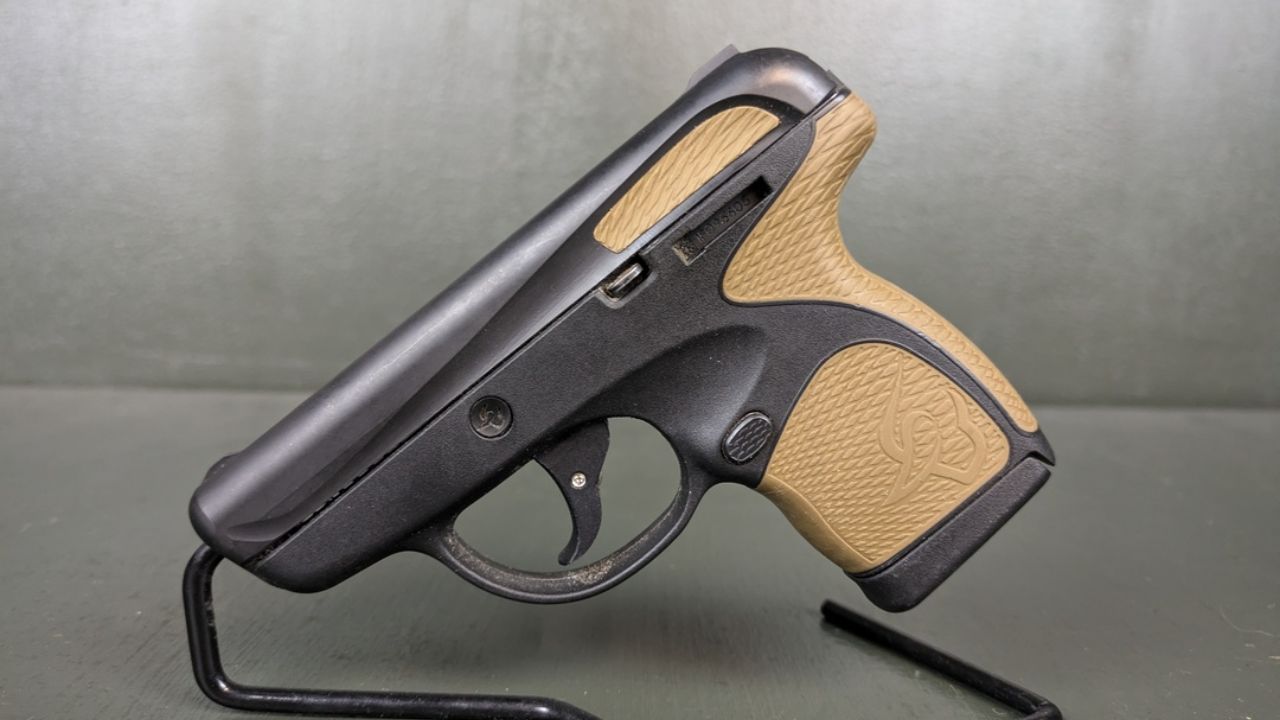
The Spectrum stood out with its unique design and soft edges, but reliability didn’t match the appearance. Many shooters reported feeding issues, weak ejection, and general inconsistency across different ammo types.
The controls also felt vague, which didn’t help new shooters trying to build confidence. Once people tried running drills or carrying it regularly, they quickly learned the pistol needed more refinement than the platform delivered.
SIG Sauer P250

The P250’s modular design was groundbreaking, but the long DAO trigger made reliability feel dependent on shooter input. Rapid-fire cycles sometimes caused short-stroking or incomplete resets, especially for those not accustomed to the long pull.
The pistol itself was mechanically sound, but many shooters struggled to run it smoothly without deliberate pacing. As a result, the platform never gained the trust that SIG’s striker-fired guns later earned.
KelTec PF-9

The PF-9’s lightweight build made it attractive for carry, but that same design led to reliability issues for some owners. The recoil can disturb grip stability, causing premature slide lock or feeding mishaps.
Magazine consistency was another recurring issue. While the PF-9 could be made to run reliably, it required commitment and practice that many shooters weren’t willing to give. Most eventually opted for a more predictable compact 9mm.
Bersa Thunder .380

The Thunder .380 has a loyal following, but some shooters experience feeding issues depending on magazine condition and ammo choice. The DA/SA trigger transition can also throw off consistency during rapid fire.
While accurate enough at close range, the reliability gap becomes clear once you try varied loads or shoot at higher volume. Many owners enjoy it as a range gun but avoid trusting it for carry after encountering stoppages.
Glock 36

The Glock 36 promised a slim .45 ACP carry option, but early models showed feeding issues and inconsistent ejection. The single-stack magazine introduced challenges Glock’s wider designs never had.
Recoil felt sharper than many expected, making it harder to stay accurate under speed. While some shooters love theirs, many others discovered it didn’t meet the reliability standard they expect from a Glock. As a result, the 36 rarely becomes anyone’s long-term carry choice.
Like The Avid Outdoorsman’s content? Be sure to follow us.
Here’s more from us: