
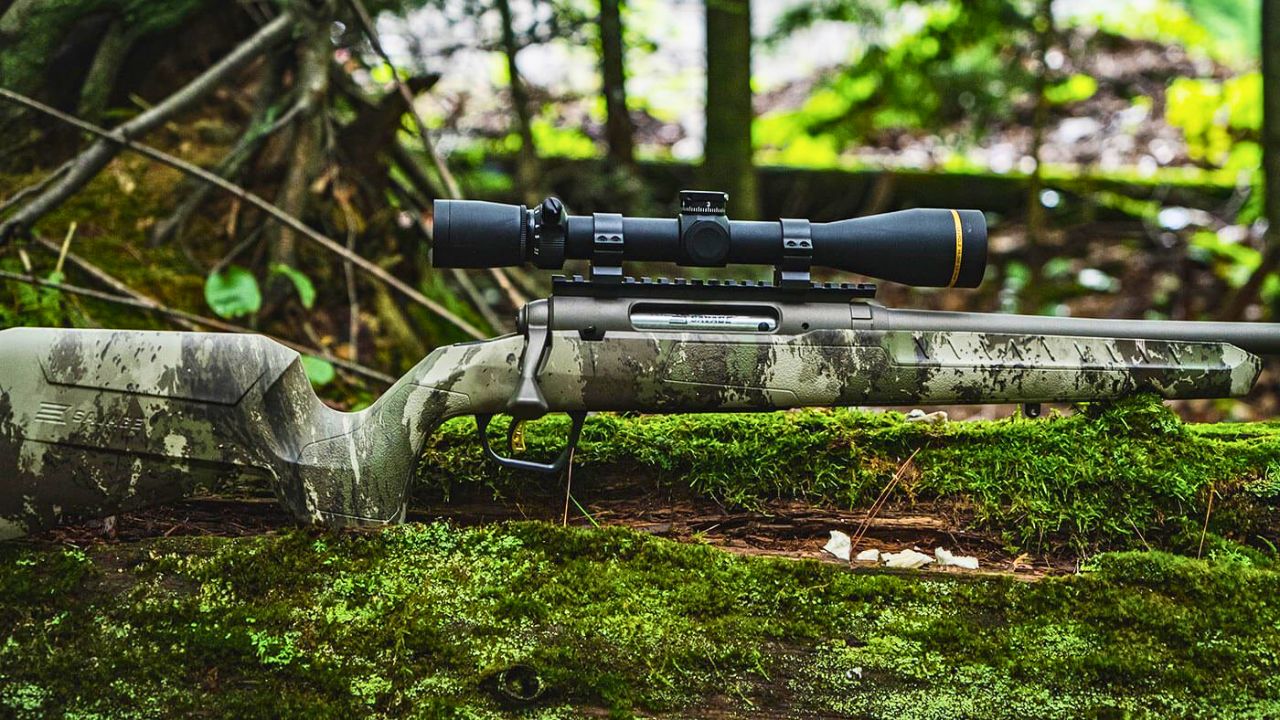
Photo credit: Savage Arms
A rifle’s appearance can be misleading. Some models look sharp enough to convince you they’ll shoot as good as they look. The problem is when they refuse to hold zero. Whether it’s barrel warping, loose stock fit, or design shortcuts, certain rifles drift off target no matter how carefully you mount an optic. You can spend hours at the bench dialing it in, only to see your groups slide around the next trip. These are the guns that fool you at first sight.
Savage Axis (first generation)

The first generation Savage Axis rifles came with an attractive price tag and clean styling, but accuracy stability wasn’t its strong suit. The flexible synthetic stocks allowed shifting during recoil, which made holding zero difficult.
Even after careful bedding, many shooters found their groups wandering between sessions. The rifle looked modern and handled well enough, but that didn’t matter if you had to re-sight it constantly. Later versions improved, but the early Axis models showed how a sharp appearance couldn’t mask poor consistency.
Rossi RS22 (early production)

The Rossi RS22 had sleek lines and looked like a great budget rimfire. Unfortunately, some early runs developed issues with sights and receiver fit that caused shifting accuracy. Owners who carefully zeroed often found themselves chasing point of impact changes.
While it performed well enough for casual plinking, consistency wasn’t there. The rifle’s appearance suggested it could be a dependable trainer, but real-world shooting showed otherwise. It’s one of those rimfires that left buyers frustrated when looks didn’t line up with performance.
Browning BAR Mark II Safari (problem rifles)

The Browning BAR Safari is a handsome rifle, with its polished finish and traditional lines. But certain rifles developed problems with scope mounting stability. Some owners reported shifts in zero after only a few shots, usually caused by receiver and mount fit issues.
While plenty of BAR rifles have served hunters well, those unlucky enough to own one of the problem examples were left frustrated. You could sight it in one day, then watch your shots land inches away the next. Its beauty sometimes hid unpredictable behavior.
Marlin Model 995

At first glance, the Marlin Model 995 looked like a well-built semi-auto rimfire. In practice, the receiver-to-stock fit often caused issues. The rifle’s lightweight build made it sensitive to small shifts, so it rarely stayed dialed in for long.
Groups wandered even with careful sight adjustments. For casual shooting, this wasn’t as big of a deal, but anyone expecting repeatable precision was left disappointed. It was a rifle that had clean looks but couldn’t be trusted to stay consistent where it mattered.
Remington 522 Viper

The Remington 522 Viper carried a futuristic design that stood out at the time, but the heavy reliance on plastic parts created problems. Many shooters found their zero drifting as the lightweight stock and receiver flexed under recoil.
Even with a scope properly mounted, stability was inconsistent. While the design looked appealing, it didn’t translate into lasting accuracy. Owners often ended up adjusting optics more than shooting. The Viper became one of those rifles remembered more for its styling than its staying power.
Mossberg 702 Plinkster
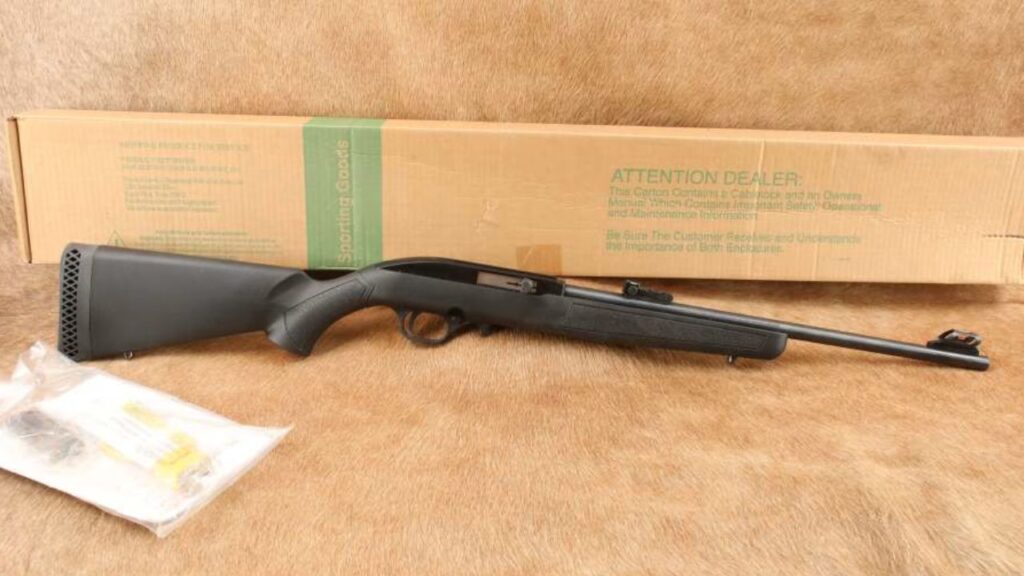
The Mossberg 702 Plinkster looked like an affordable, fun .22, but it was never known for holding zero. Factory iron sights often loosened, and even with optics, groups wandered over repeated sessions.
The rifle’s appearance suggested reliability, but its accuracy didn’t keep up. Shooters who wanted a dependable rimfire trainer were often left re-zeroing after each range trip. While it served as a budget option, the Plinkster showed how cosmetic appeal doesn’t always match practical consistency.
Remington Model Six

The Remington Model Six looked like a step up from the 742, but many hunters found the same wandering zero problems. Wear on the receiver rails and poor bedding made scopes lose alignment over time.
On the bench, you might start with a tight group, but returning to it later often meant finding your shots drifting. Despite its solid appearance, the Model Six carried over the same frustrations its predecessor had. It proved that looks alone don’t guarantee lasting accuracy.
KelTec Sub-2000

The KelTec Sub-2000 folds into a compact package and looks like a clever design. The downside is its lightweight polymer frame and loose fit between parts, which often led to zero shift. Owners found iron sights and optics rarely stayed consistent.
While it looked like a versatile carbine, reliability of point of impact was questionable. Some shooters managed to get decent results, but many reported constant re-zeroing. It’s a gun that looks practical but often drifts away from precision expectations.
Charter Arms AR-7 Explorer

The Charter Arms AR-7, an earlier version of the survival rifle, had a slick takedown design that drew attention. Unfortunately, each time it was reassembled, barrel alignment often shifted, throwing off the zero completely.
Even if you sighted it in perfectly, it wasn’t dependable on the next outing. While its looks suggested a handy pack rifle, its inconsistency hurt its usefulness. Owners discovered quickly that portability doesn’t matter if you can’t rely on where your rounds land.
Winchester 190

The Winchester 190 had an attractive profile for a semi-auto rimfire, but its zero-holding reputation wasn’t great. Many rifles suffered from stock fit and receiver alignment issues that caused shifting point of impact.
While it worked for casual backyard shooting, anyone expecting reliable accuracy ended up frustrated. Its looks carried it for sales, but performance didn’t match the promise. The 190 remains one of those rifles remembered more for appearances than its ability to stay true to its sights.
*This article was developed with AI-powered tools and has been carefully reviewed by our editors.


