Photo credit: Military Arms Channel/YouTube
When a firearm struggles to deliver quick, controlled follow-up shots, the problem usually goes deeper than recoil. Some guns suffer from sluggish cycling, awkward controls, or poor ergonomics that make it tough to settle back on target. Others lose their rhythm once they heat up or get dirty, turning what should be a smooth second shot into a forced correction.
If you’ve spent any time running drills or shooting under pressure, you’ve probably noticed which firearms let you stay in the fight and which ones slow you down. The following guns have developed a reputation for making follow-up shots a challenge, whether you’re dealing with heavy recoil, inconsistent timing, or designs that simply get in their own way.
Remington 750 Woodsmaster
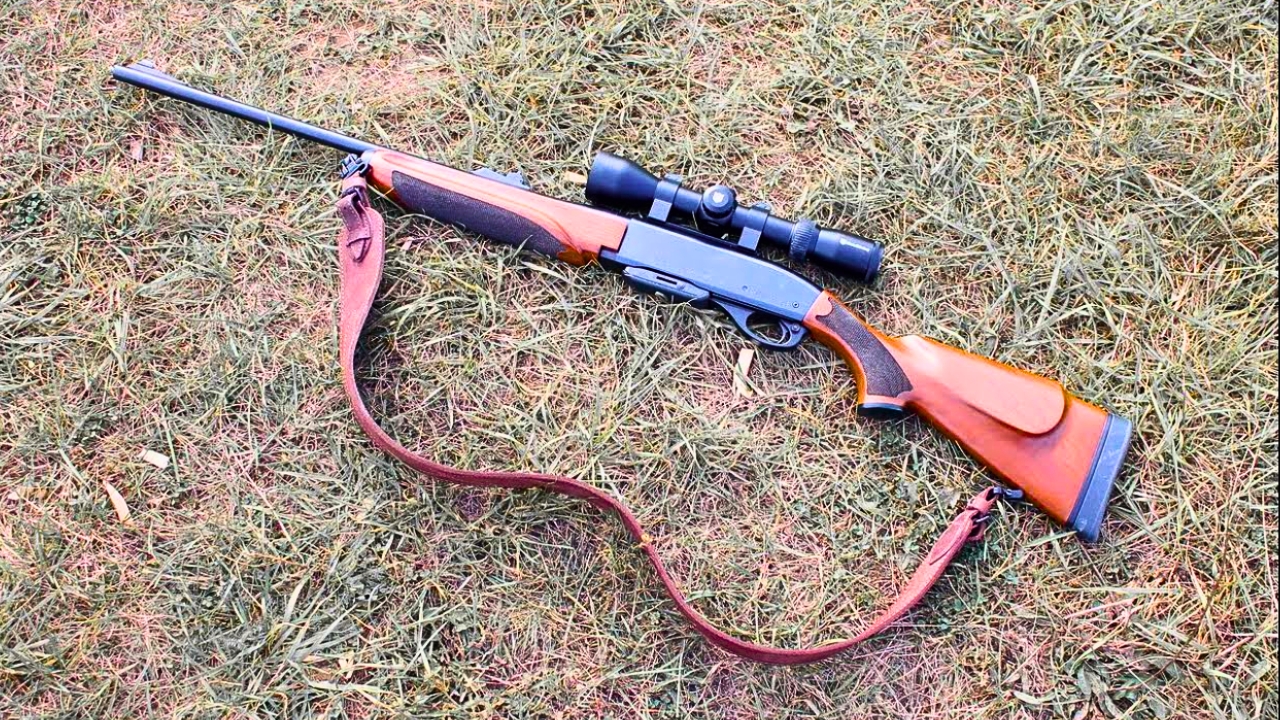
The Remington 750 has long been known for inconsistent cycling, especially with heavier hunting loads. As the gun heats up or gets even slightly fouled, failures to eject become common, forcing you into clearing drills rather than settling for the next shot. That lag time turns what should be a smooth second trigger pull into a scramble.
The rifle’s gas system is also sensitive to variations in ammunition, making timing unpredictable. Even when it runs clean, the recoil impulse feels uneven, knocking you off target more than it should. For shooters who rely on quick follow-up shots on game or steel, the 750 rarely delivers the confidence you want.
Ruger American Ranch (early .450 Bushmaster runs)

The early .450 Bushmaster versions of the Ruger American Ranch earned a reputation for stiff feeding and rough extraction, especially once the magazine was fully loaded. That hesitation between rounds makes fast follow-up shots harder than expected.
Recoil from the .450 is also punchy, and with the lightweight setup, the gun tends to hop more than similar rifles in the caliber. Many shooters find themselves breaking their cheek weld and having to reestablish their position for every shot. While later models improved, those early runs left plenty of shooters struggling to stay on target for rapid shots.
Browning BAR (worn or neglected examples)

A clean, well-maintained BAR can be excellent, but older rifles with worn gas systems often suffer from sluggish cycling. When carbon starts to build up, timing gets inconsistent, leading to delayed ejection and failures to chamber the next round smoothly.
The added delay disrupts your shooting rhythm, especially when you’re trying to stay on a moving target. Because many BARs have decades of use behind them, it’s common to run into rifles that need more attention than their owners realize. If the gun isn’t kept perfectly maintained, follow-up shots can feel slow and unpredictable.
Marlin 336 (worn extractors)

A solid 336 runs great, but worn extractors on older rifles can turn follow-up shots into a chore. Once that extractor loses tension, spent cases start hanging in the chamber, forcing you to muscle the lever harder than you should. Every hesitation in that cycle adds time before your next shot can break.
Old rifles often show timing issues too, especially if they’ve been run dry or stored poorly. That leads to uneven cycling that breaks your shooting rhythm. When you’re counting on the lever to stay smooth and fast, a tired 336 can slow things down more than you might expect.
Henry Big Boy (tube-fed models)

Tube-fed Henry Big Boys are smooth, but they don’t always play well with rapid cycling. The design uses a brass or steel frame with a heavy lever throw, and when recoil is combined with fast manipulation, the action can feel sluggish.
Some shooters also notice feeding inconsistencies with certain flat-nose bullets, especially when the magazine is full. That slight pause during the feeding stroke breaks your timing on follow-up shots. While the rifle is accurate and well-built, it isn’t as quick-handling as other lever guns when you need two or three shots in rapid succession.
Remington 742 Woodsmaster

The 742 has one of the most recognized reputations for cycling problems. The locking lugs and receiver rails wear quickly, and once that happens, failures to extract become common. When brass gets stuck, your follow-up shot disappears entirely.
Even rifles that still run have uneven recoil timing that strikes many shooters as “slappy,” pushing the muzzle around more than necessary. For consistent second shots, the platform requires constant cleaning and careful ammo selection. Many hunters learned the hard way that the 742 tends to struggle right when you need it to settle back in.
Mossberg Patriot (heavy calibers)

Lightweight Mossberg Patriot rifles chambered in heavier calibers like .300 Win. Mag. can be tough on shooters trying to fire quickly. The recoil impulse is abrupt, and the rifle often jumps off target enough to force you to rebuild your position.
Some owners also report sticky extraction as the rifle heats up, especially with hot loads. That little stall in bolt lift slows your rhythm and makes repeat shots inconsistent. While the Patriot is budget-friendly and capable of good accuracy, its lightweight build works against you when you’re trying to keep shots close together under pressure.
Winchester SXP (early production)
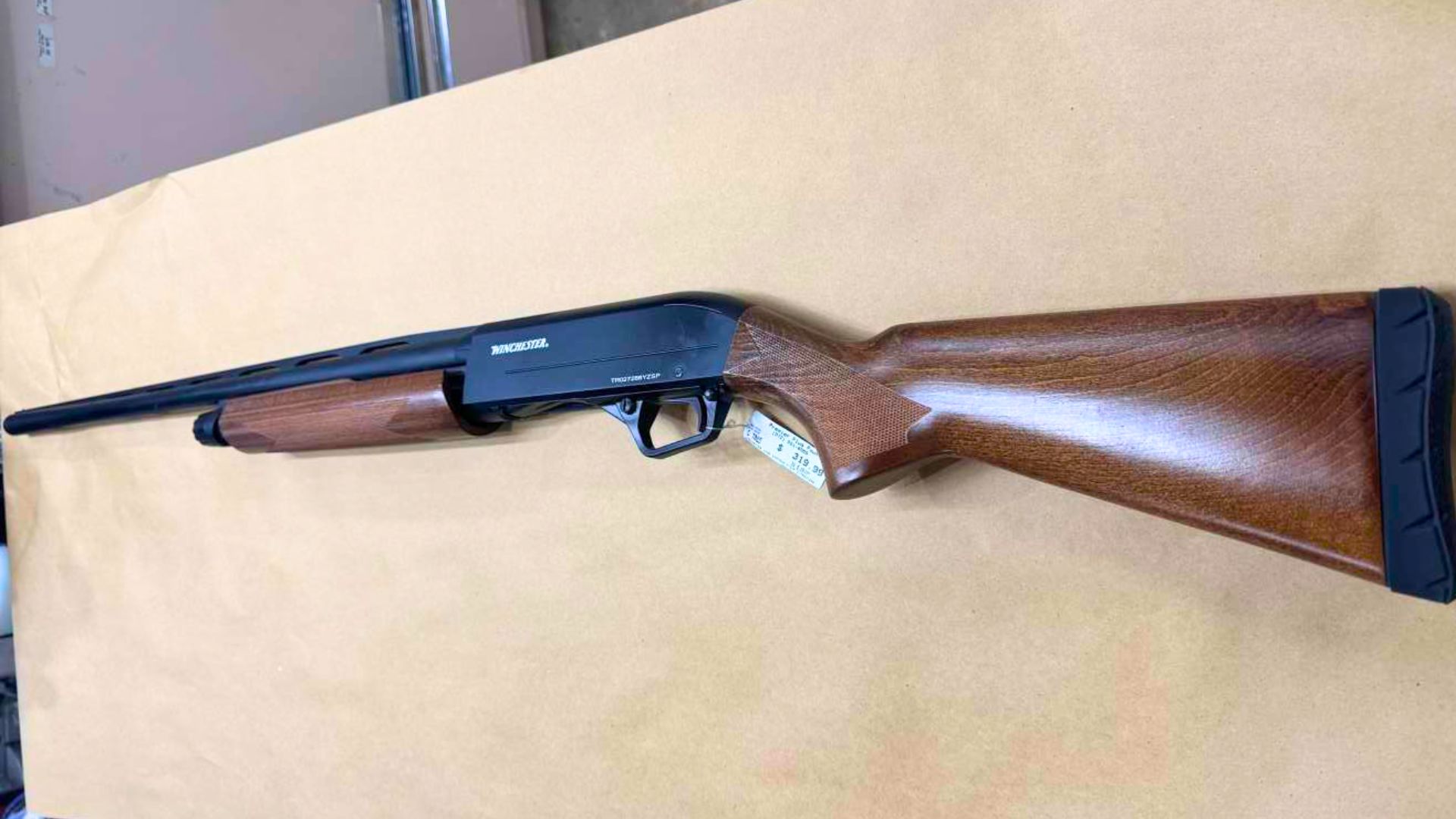
Some early SXP shotguns had issues with timing and the inertia-assisted pump system. Under recoil, the action could begin moving rearward before the shooter was ready, causing cycling rhythm to fall apart. That makes it easy to short-stroke the pump when trying to work the gun quickly.
When the system isn’t synced with the shooter, follow-up shots become delayed or outright fumbled. The gun works well for many owners, but early runs earned a reputation for being difficult to control when firing fast strings. If you’re pushing for speed, that timing mismatch becomes hard to ignore.
Benelli Super Black Eagle
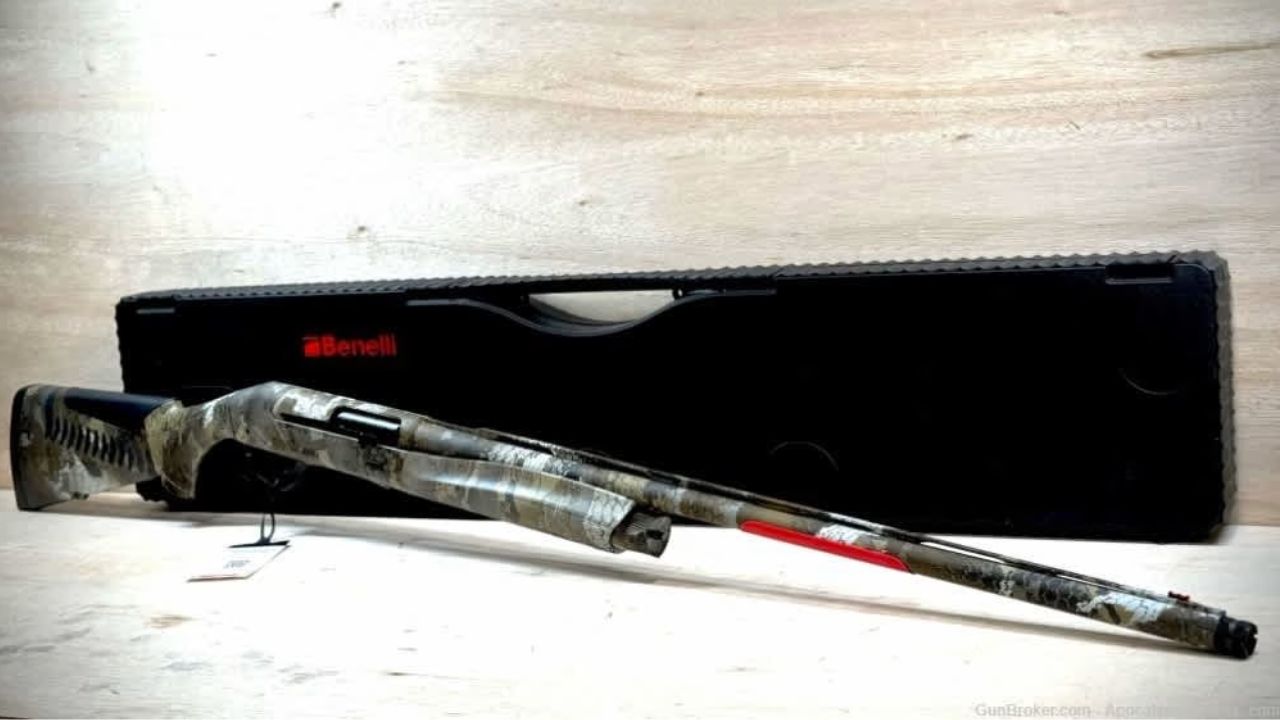
The SBE is legendary, but its inertia-driven system requires a firm shoulder weld and consistent technique. Newer or smaller-framed shooters sometimes experience cycling issues when shooting light loads or firing from unstable positions. That hesitation slows the next shot dramatically.
When the system doesn’t fully cycle, you’re forced to correct or manually clear the gun. In a field setting, that delay feels massive. Seasoned shooters who know how to run the platform have no issues, but anyone who breaks their stance or doesn’t lock in tightly will struggle to fire quick follow-ups.
KelTec Sub2000

The Sub2000 has a lightweight design and a flexible polymer frame that tends to bounce under recoil. That movement can cause the bolt to feel sluggish on return, especially with hotter defensive loads.
The stiff charging handle and narrow forend also make it harder to maintain a solid grip when shooting rapidly. As the gun heats up, cycling can become inconsistent, making second and third shots feel clunky. While the Sub2000 is handy and compact, its design isn’t ideal for shooters who rely on smooth follow-up shots.
Remington 770

The Remington 770 already struggles with accuracy, but its bolt system also has a reputation for being rough and inconsistent. The bolt lift can feel sticky, especially with budget ammunition, slowing your ability to chamber the next round.
The stock flexes under recoil, which can shift your sight picture just enough to delay your follow-up shot. When you try to work the bolt quickly, those flaws compound. For shooters who practice fast shooting or need rapid corrections, the 770 forces you to work harder than you should.
FN FAL (worn surplus rifles)

Surplus FALs with worn gas systems often display erratic ejection patterns and inconsistent cycling. When the gas settings aren’t matched to your ammo—or the internals are simply tired—the rifle slows down between shots.
The recoil impulse on worn rifles also becomes unpredictable, sometimes pushing the muzzle higher than expected. All of that makes follow-up shots challenging, especially for shooters who aren’t familiar with tuning the rifle. When maintained well, the FAL is solid, but surplus examples frequently need more attention than buyers expect.
M1 Carbine (commercial reproductions)
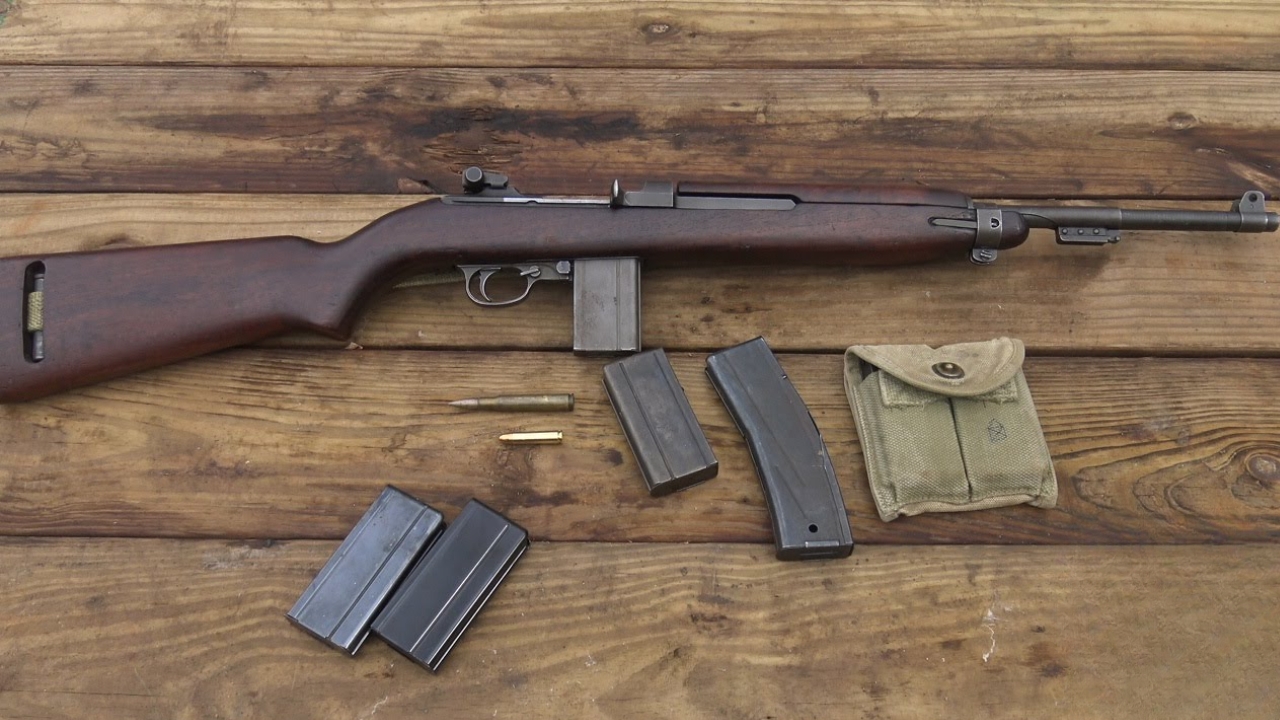
Some commercial M1 Carbine reproductions struggle with feeding, particularly with soft-point defensive ammo. When rounds nose-dive or hang on the feed ramp, your next shot disappears.
Lightweight carbines also move more under recoil than people anticipate. That bounce forces you to reset your sight picture longer than with heavier rifles. While the originals were reliable, many reproductions don’t share the same consistency, making rapid follow-up shots unreliable.
Rossi 92

The Rossi 92’s action can be stiff from the factory, especially when cycling .357 Magnum loads. That resistance slows your rhythm and makes it hard to get back on target quickly.
Feed issues also show up with certain bullet profiles, creating pauses in the action. Once tuned or broken in, the rifle runs smoother, but many shooters find the out-of-the-box experience frustrating when trying to fire multiple accurate shots in quick succession.
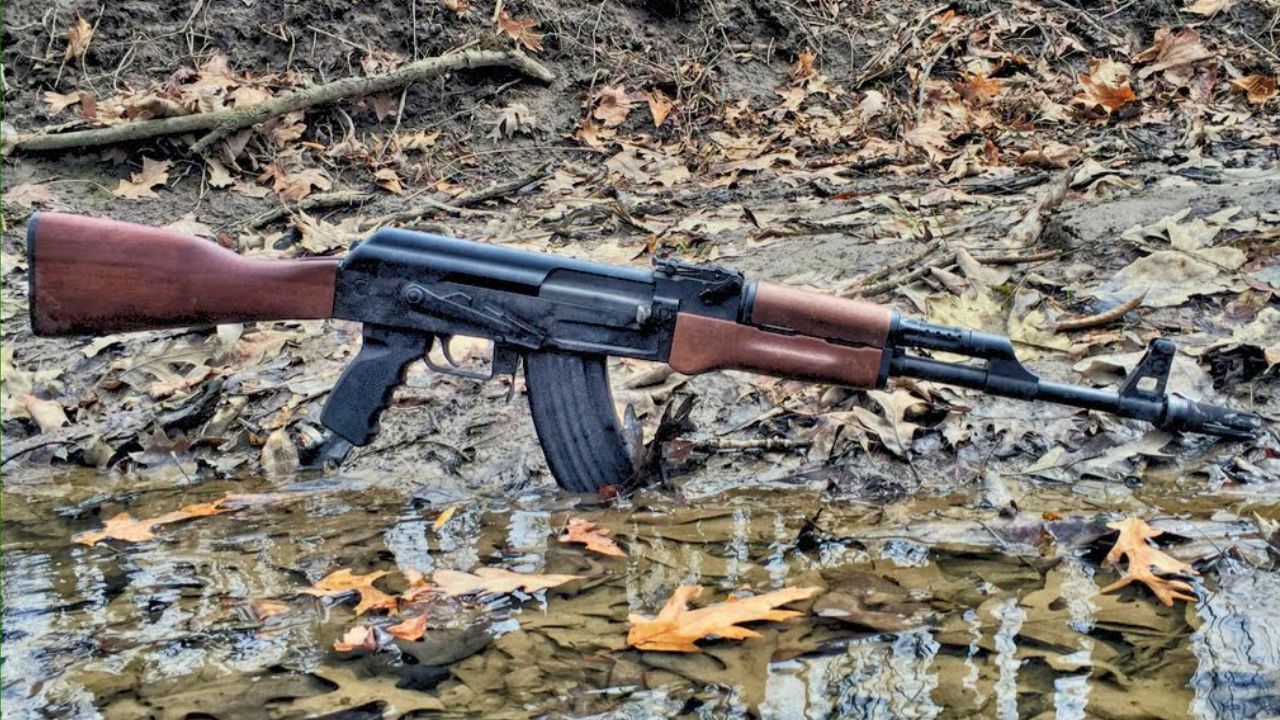
Century Arms C39V2

Some C39V2 rifles have issues with headspacing and bolt lug wear over time. As those parts degrade, the rifle’s cycling becomes unpredictable, leading to delays between shots.
The recoil impulse also feels different from traditional AK-pattern rifles, with some shooters noticing more vertical rise. Combined with the potential mechanical concerns, it becomes harder to make controlled, fast follow-up shots. Many shooters eventually shift to more proven AK platforms for better consistency.
Like The Avid Outdoorsman’s content? Subscribe to our newsletter so you never miss an article.
Here’s more from us: