Photo credit: Henry Repeating Arms/YouTube
Some rifles and pistols arrive with big promises of precision—tight groups, match-grade triggers, hand-picked barrels, the works. But once you get them on the bench, the truth comes fast. You start chasing flyers, adjusting optics, swapping ammo, and wondering why the gun refuses to settle in. That’s when you realize the marketing was polished, but the performance never matched it.
Plenty of guns look like precision machines at first glance. They feel good, they balance well, and the brochure claims impressive accuracy. But when the dust settles, all you’re left with is frustration and unpredictable groups. These are the rifles and pistols that promise precision yet rarely deliver it.
Remington 770

The Remington 770 is often marketed as an affordable precision option, but most shooters learn quickly that consistency isn’t its strong suit. The rifle’s action feels rough, and the factory stock flexes enough to change point of impact depending on how you hold it.
The trigger doesn’t help either, making fine control difficult when you’re trying to print respectable groups. While some rifles shoot better than others, the platform rarely delivers the accuracy people expect. After a few frustrating range sessions, most hunters upgrade to something more predictable.
Mossberg Patriot (In Higher-Recoil Calibers)

The Patriot can shoot well in lighter calibers, but once you move into heavier options, accuracy starts slipping. The lightweight stock amplifies recoil, and slight differences in grip pressure can shift your groups.
Some rifles run fine, but many shooters spend more time fighting inconsistencies than enjoying the range. Even with good ammo, the point of impact can wander from session to session. It’s a rifle that promises precision on paper but requires more work than most want to put in to get reliable results.
Browning X-Bolt Micro Composite
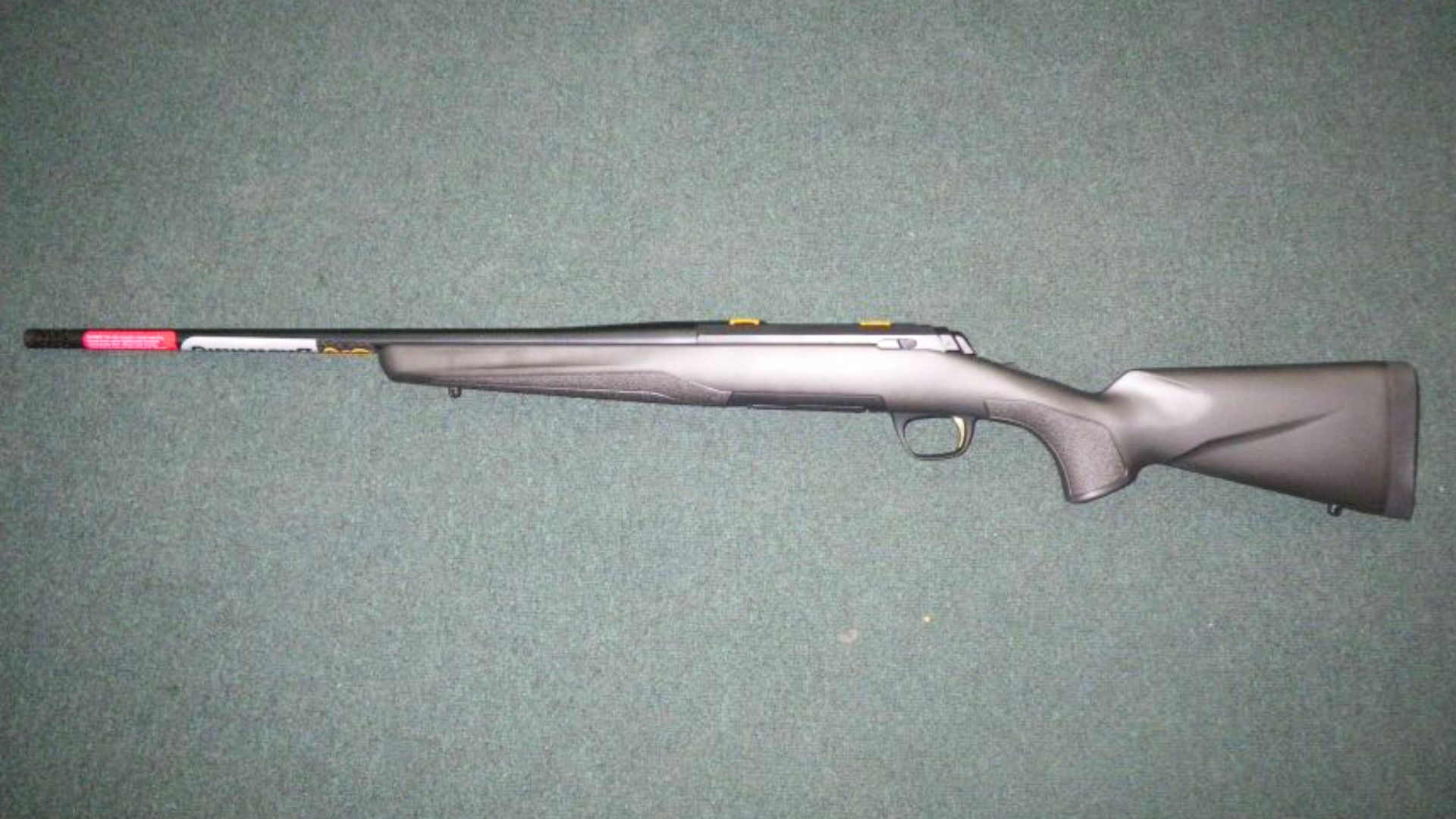
The Micro Composite has the Browning name behind it, but many shooters struggle with its accuracy due to the ultralight build. The recoil impulse is abrupt, and the stock can be difficult to anchor consistently.
Even with a good rest, muzzle rise and shoulder pressure variations lead to unpredictable groups. It’s a fine hunting rifle within typical ranges, but as a precision tool, it can become frustrating fast. Shooters expecting tight clusters often learn it demands more finesse than most lightweight rifles.
Ruger American Ranch in .450 Bushmaster

The Ruger American Ranch performs well in lighter calibers, but the .450 Bushmaster version pushes the platform beyond its comfort zone. The sharp recoil makes maintaining a steady hold challenging, and the compact size magnifies every movement.
Accuracy can be decent at close range, but once you try stretching it, groups open quickly. Many hunters expecting precision from the larger caliber walk away disappointed after a season of inconsistent results. The rifle feels capable, but the big-bore version rarely meets precision expectations.
Marlin X7 (Late-Production)
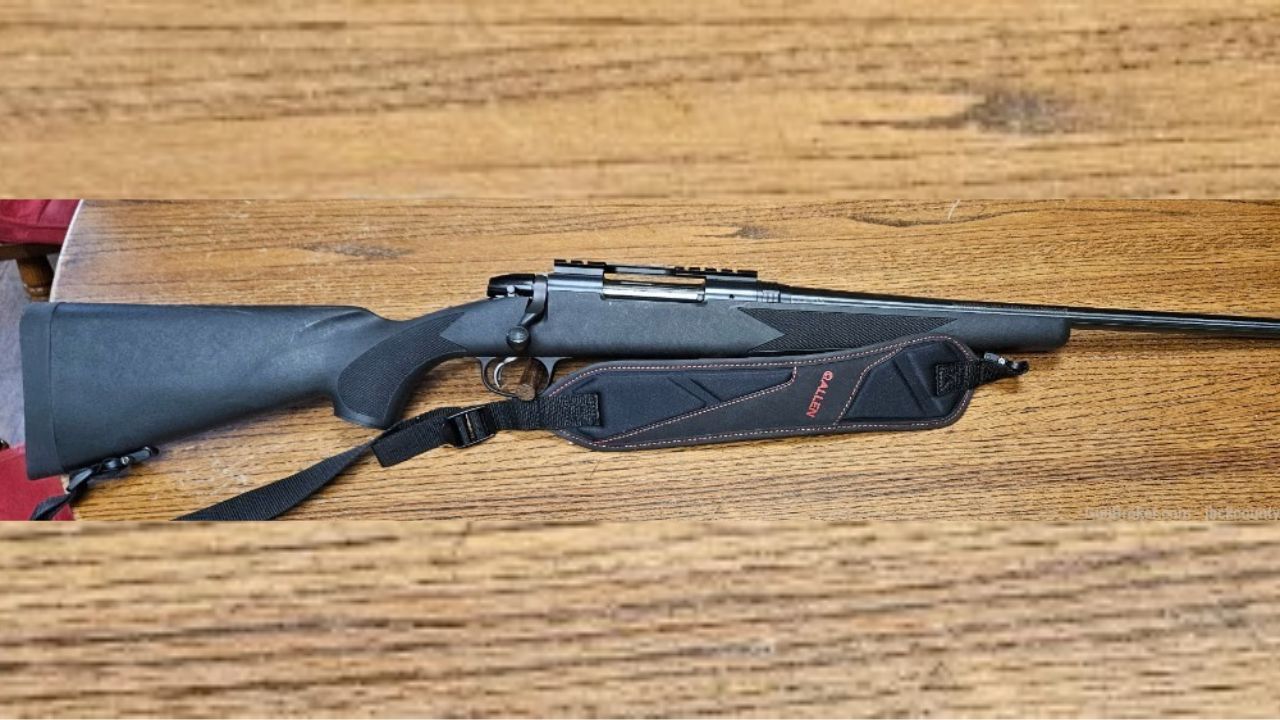
Early X7 rifles had a strong reputation, but late-production models under Remington ownership suffered from inconsistent barrels and triggers that varied from rifle to rifle. Some shot well, but others wandered enough to frustrate even experienced shooters.
You could spend an afternoon trying different ammo types only to find none of them grouped the way they should. The platform had promise, but late-era quality control kept it from achieving the precision many shooters expected.
Thompson/Center Compass

On paper, the Compass offers great value, but real-world accuracy can be unpredictable. The trigger is sometimes inconsistent, and the flexible stock often contacts the barrel under minor pressure, hurting group size.
Some rifles do impress, but others shift dramatically based on how they’re held or rested. Shooters expecting reliable precision often walk away wishing they had spent a little more on a platform with tighter tolerances and better consistency.
Savage 110 Hog Hunter (Heavy-Recoil Calibers)
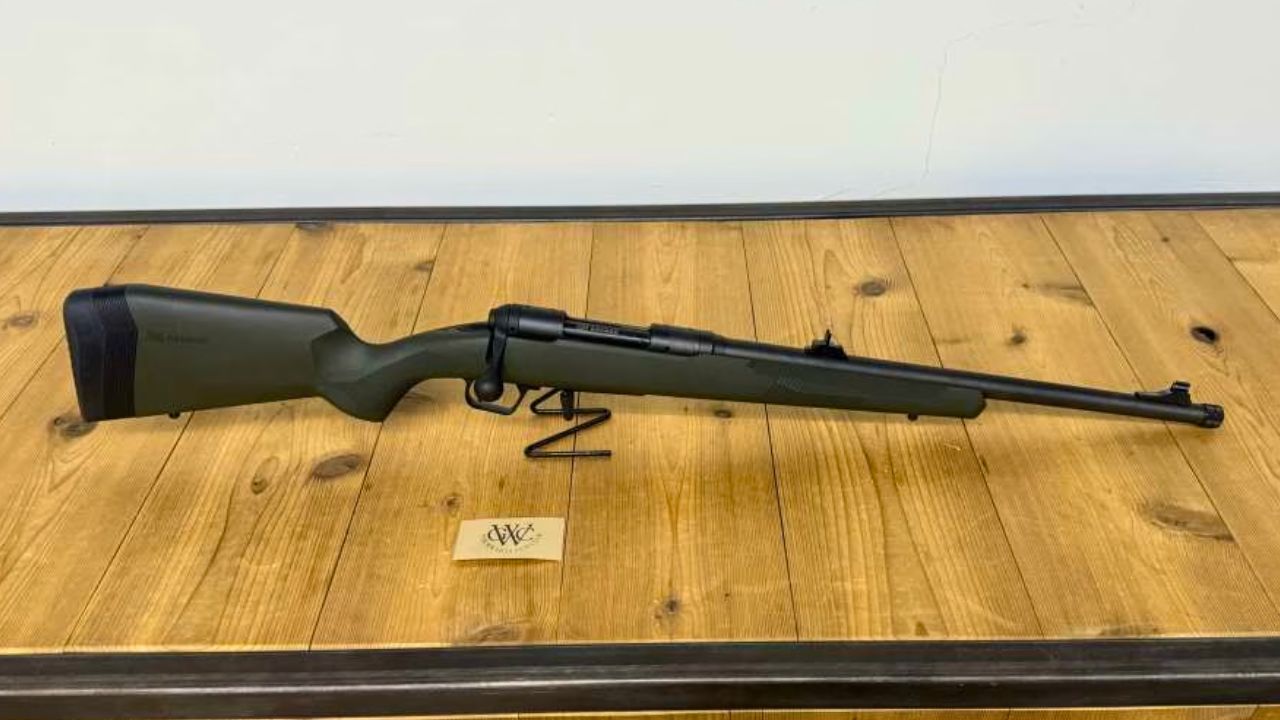
The Hog Hunter has potential, but in heavy calibers, it’s tough to keep steady. The rifle’s weight distribution and compact build make recoil management a challenge. Even slight variations in your shoulder pressure or grip can pull groups apart.
The iron sights are rugged, but pairing them with a scope sometimes introduces alignment issues due to rail height and mounting limitations. For close-range work, it’s solid, but precision shooters often find themselves frustrated by the wandering groups further out.
Winchester XPR in Magnum Calibers

The XPR shoots well in standard calibers, but the magnum versions can be demanding. The lightweight stock and stiff recoil make it difficult to maintain a consistent trigger break or cheek weld.
You may find the rifle shoots well with a specific load, but small changes in ammo or shooting position lead to sudden shifts in point of impact. Shooters expecting a precision tool often learn that the magnum chamberings require more discipline than the platform comfortably supports.
Remington 783

The Remington 783 tries to position itself as a budget precision rifle, but execution varies widely. The stock flexes noticeably, especially on bipods, and the barrel heating up can shift impact quickly.
Some rifles shoot respectable groups, but many require bedding or aftermarket stocks to reach their potential. Most hunters looking for precision find it doesn’t meet expectations out of the box, leading to unnecessary tinkering and frustration.
Howa Mini Action in 7.62×39
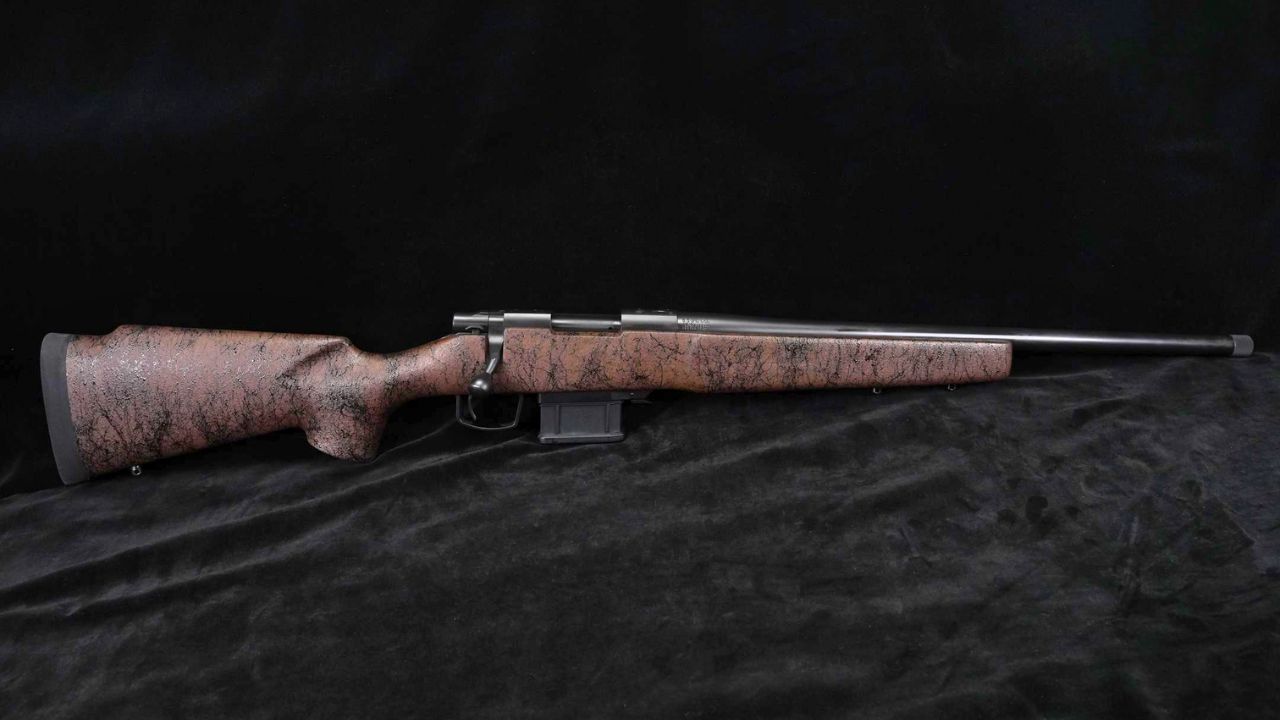
The Howa Mini Action is a smooth platform, but the 7.62×39 version relies on ammunition that isn’t known for precision. With many loads designed for general-purpose or defensive use, accuracy becomes inconsistent fast.
Even handloaders sometimes struggle to get the groups they want because of barrel twist and bullet selection limitations. While the rifle handles beautifully, the cartridge and accuracy potential rarely match the precision people hope for from a bolt-action platform.
Rossi RS22

The RS22 is a fun plinker, but some shooters expect more precision than it can reasonably deliver. The lightweight barrel heats up quickly, and the stock is flexible enough to influence shot placement when rested improperly.
While fine for casual shooting, consistent sub-inch groups simply aren’t in its wheelhouse. Many buyers hoping for a budget precision rimfire quickly learn its limitations and trade up to something with tighter manufacturing tolerances.
CVA Cascade (Early Production)
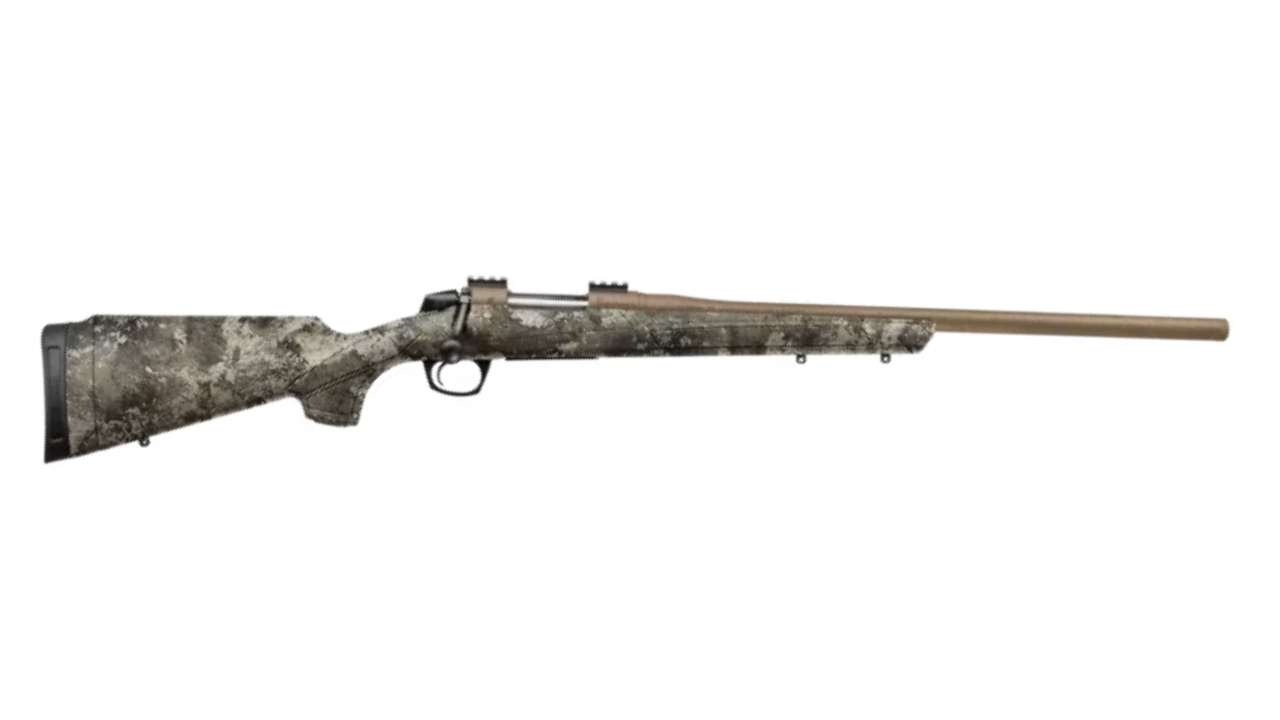
Early CVA Cascade rifles had accuracy varying from excellent to frustratingly inconsistent. Barrels ranged in quality, and some shooters experienced sudden shifts in point of impact due to bedding issues.
The rifle has improved since then, but early adopters often struggled to get consistent results without modifications. The design had real potential, but the inconsistency led many buyers to abandon it as a precision tool.
Ruger Precision Rimfire
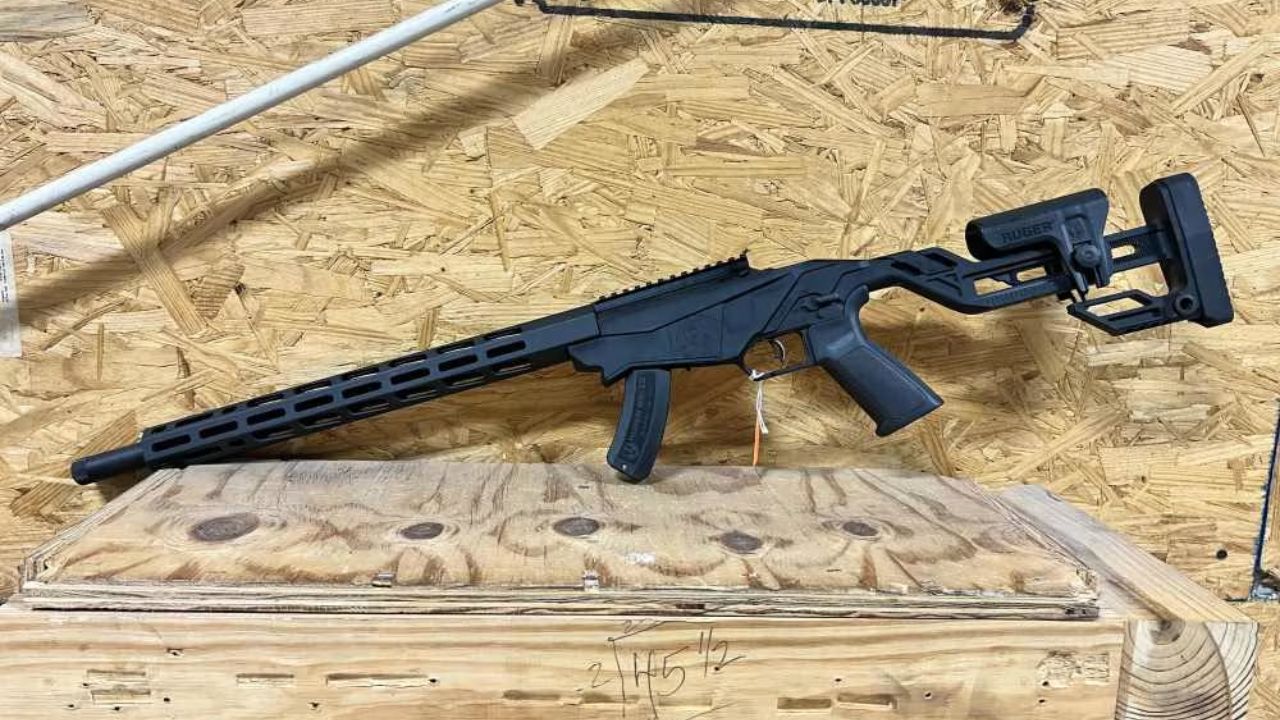
The Ruger Precision Rimfire looks like a scaled-down precision rifle, but accuracy varies dramatically depending on ammunition. Some rifles shoot lights-out, while others scatter groups unpredictably with bulk ammo.
The adjustable stock and chassis feel great, but shooters often find themselves chasing perfect ammo combinations to squeeze out real consistency. For some, the reward is worth it. For many, it becomes a source of long-term frustration.
Henry Long Ranger in .308

The Long Ranger is a clever design, but precision-minded shooters sometimes run into accuracy barriers. The lever action introduces slight movement in the system, and the trigger isn’t as crisp as bolt-gun shooters prefer.
While perfectly adequate for hunting ranges, the rifle doesn’t deliver the tight clusters some buyers expect from a modern .308. It’s a capable rifle, but not the precision machine some were hoping for.
Century Arms C308

The C308 is built on a rugged platform, but precision is not its strength. The roller-delayed system, surplus barrels, and varying parts tolerances make it difficult to achieve consistent groups.
Shooters often find themselves chasing adjustments and experimenting with optics mounting solutions. The gun runs reliably, but accuracy expectations need to stay realistic. Anyone expecting precision-grade performance quickly discovers they’re fighting the limitations of the platform itself.
Like The Avid Outdoorsman’s content? Subscribe to our newsletter so you never miss an article.
Here’s more from us: