
A lot of “collectible” gun prices make sense at first glance: limited runs, military history, famous makers. The strange part is how often the real money shows up for reasons you wouldn’t notice on a quick rack check. A stamp in the wrong place, a contract that went sideways, a sight nobody uses, or a rollmark from an unexpected company can turn an ordinary-looking firearm into a bidding war.
When you’re shopping historic guns, you’re not only judging function. You’re judging originality, documentation, and whether the story matches the steel. That’s why two examples of the same model can sit miles apart in price. The rifles and pistols below earned their value through odd details, paperwork, and cultural moments that collectors latch onto—and once the market decides those details matter, it rarely un-decides.
Singer M1911A1

You can buy a perfectly respectable M1911A1 and still feel like you overpaid, but a Singer is different for a reason that has nothing to do with shooting. Singer didn’t build pistols as a normal product line. They made a small run under wartime contract, and collectors can’t get past the idea that a sewing-machine company briefly turned out service pistols. That odd backstory, plus low numbers and heavy faking, is what drives prices into serious money territory.
If you’re tempted, you treat it like a rare coin, not a carry gun. You’re verifying markings, finish, parts, and provenance, and you’re assuming anything “too clean” needs scrutiny. A Singer can be legitimate history, but it’s also one of the most counterfeited 1911A1s on the planet.
DWM P08 Luger (Artillery model)

A Luger isn’t valuable only because it’s German and old. The strange price jumps happen around details most people ignore: a long barrel “Artillery” pattern, a correct tangent rear sight, matching-number small parts, and even the magazine’s base. Collectors will pay more for those tiny specifics than for overall wear, because the story is in the configuration. One P08 looks like another to a casual buyer, but the collector market reads it like a checklist.
You don’t chase an Artillery Luger because it’s practical. You chase it because the exact variant ties to a narrow window of production and an even narrower survival rate in original form. If you’re shopping, you inspect every number, look for mismatched toggles and swapped grips, and remember that “matching” is where the money lives.
Mauser C96 “Red 9”

The C96 is already a conversation starter, but the “Red 9” variant adds a weird collector twist: a giant painted or inlaid 9 on the grips. That marking was used to keep 9mm guns from getting mixed with 7.63 Mauser, and it turned into a collector magnet. You’re paying for a big, blunt number on the grips more than you’re paying for how the pistol shoots, and that’s the kind of collecting logic that surprises new buyers.
The other driver is pop culture. The C96 shape shows up everywhere, and people recognize it even if they don’t know its name. If you want one that holds value, you’re checking for correct grips, correct barrel length, and signs of refinishing that wipe out collector interest. A Red 9 in original condition is rare enough that small details swing the price hard.
Walther PPK (pre-war)

A pre-war PPK can jump in value for reasons that feel unrelated to mechanics: certain slide legends, specific proof marks, and the right combination of caliber and finish. A lot of the money is tied to period correctness and how cleanly the markings survived. Then you add the fact that the PPK became a cultural icon, and you get buyers chasing a look and a feel as much as a firearm.
You should also know the PPK market is full of near-misses. Post-war pistols, mixed parts, and refinished examples can look “right” to the eye and still be wrong to collectors. If you’re buying, you’re verifying the era through proofs and serial ranges, and you’re checking that the grips, magazine, and sights match the period. The weird part is how quickly value climbs when the markings line up perfectly.
Smith & Wesson Model 29-2
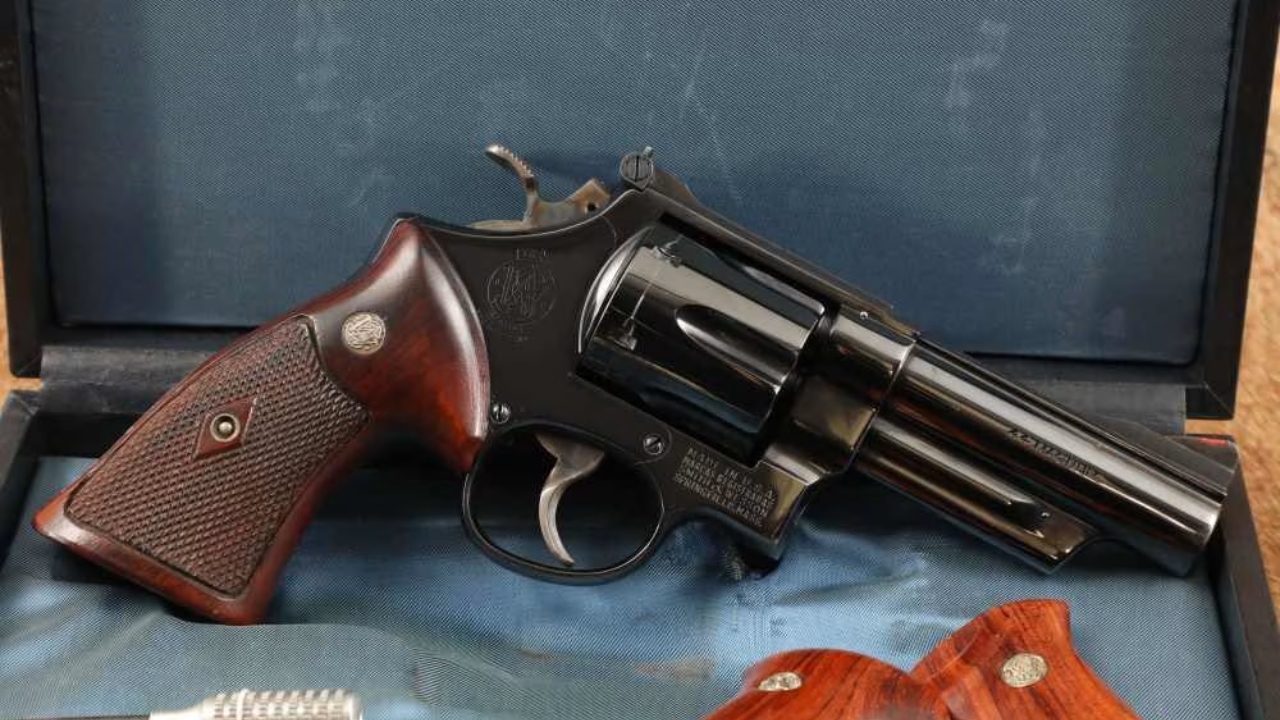
The Model 29 was a serious revolver before it became a movie legend, but the price spikes came from Hollywood, not hunting. When a certain big-screen cop made the .44 Magnum famous, demand didn’t rise politely. It surged, and collectors started chasing specific dash numbers and barrel lengths, especially the configurations that “feel” like the era people remember. You’re not paying for stronger steel or better accuracy. You’re paying for a time capsule.
If you want one, you’re watching the details that separate a shooter from a collector piece. Original stocks, correct rear sight, clean screw heads, and factory finish matter more than a tight group at 25 yards. The Model 29-2 is still a powerful handgun, but the market often prices it like a prop with a serial number. That’s why the value feels weirdly disconnected from performance.
Colt Single Action Army (1st Generation)

A 1st Generation Colt Single Action Army can become expensive for reasons that have nothing to do with caliber or barrel length. One of the strangest drivers is paperwork. A factory letter that ties your revolver to an early shipment, a known retailer, or a specific configuration can move the price dramatically. Without that letter, it’s “an old Colt.” With it, the same gun becomes a documented artifact.
You also see value swings tied to finish and tiny parts. An original front sight profile, an untouched screw slot, or matching-era grips can add more than you’d expect. If you’re shopping, you’re looking for honest wear and avoiding guns that were polished into softness. A SAA can be a working revolver, but the collector market rewards the ones that look like they time-traveled. The weird part is how much money lives in ink, stamps, and small edges.
Winchester Model 1897 Trench Gun

The Model 1897 Trench Gun is a pump shotgun that became expensive because of furniture and metal bits, not because it’s rare as a design. A heat shield, a bayonet lug, and the right martial markings can multiply the value. That’s wild when you remember the base gun is a century-old pump that runs like any other ’97. The collector money shows up when it matches the combat configuration people picture in their heads.
You need to be careful here, because reproduction parts are everywhere. A standard Winchester 1897 can be dressed up to look “trench” in an afternoon, and the market knows it. If you’re buying, you’re verifying markings, barrel length, and the fit of the shield and lug, plus any signs the gun was cut and reworked. The appeal is real, but so is the risk of paying trench-gun prices for a costume.
High Standard HDM (OSS pistol)

The High Standard HDM is valuable for an odd reason: it’s tied to the spy-world mythology of the OSS. Mechanically, it’s a .22 pistol with an integral suppressor setup, but collectors aren’t buying it for rimfire ballistics. They’re buying the idea of a purpose-built clandestine tool, and that story makes even a small-caliber pistol feel heavyweight in the market.
If you’re shopping, condition and completeness are everything. Original suppressor components, correct markings, and the right magazines matter, and missing pieces can turn a “deal” into a headache. You also watch for parts guns built from mixed components, because the HDM family shares DNA with other High Standards. The strange part is watching a quiet .22 command serious money, but it makes sense when you remember collectors pay for narrative, not recoil.
Remington Model 81 Special Police

The Remington Model 81 “Special Police” climbed in value because it sits at a weird crossroads: early semi-auto history, law enforcement lore, and a look that feels ahead of its time. It isn’t a modern defensive rifle, but collectors chase it because it represents the era when agencies were figuring out what rifle firepower meant. The “Special Police” marking and period-correct features can push prices far beyond what you’d expect from an old hunting-style semi-auto.
If you want one that holds value, you’re looking for originality and mechanical health. You check the wood for cracks at the wrist, confirm correct sights and magazines, and pay attention to markings that separate a standard Model 81 from the police-marked guns. The weird part is that the market often values the stamp on the receiver almost as much as the rifle, because the stamp carries the story.
International Harvester M1 Garand

An International Harvester M1 Garand got expensive because collectors love an unexpected name on a war rifle. IHC is a tractor company in most minds, and seeing that rollmark on a Garand feels like finding a farm logo on a battlefield tool. Production numbers were smaller than Springfield’s, parts mixes are common, and that combination makes true “as-correct” rifles harder to find. The odd manufacturer identity is a big part of the premium.
When you’re buying, you’re separating “IHC receiver” from “all IHC.” Many rifles went through rebuild programs, so mixed parts are normal and not automatically bad. Value climbs when the rifle has correct-era components, consistent markings, and strong throat and muzzle readings. The weird driver is branding: people will pay more for the same design because it says International Harvester instead of Springfield.
Irwin-Pedersen M1 Carbine

The Irwin-Pedersen M1 Carbine is valuable because it’s a failure story that survived. The company struggled with production quality, the contract was canceled, and relatively few carbines stayed in original Irwin-Pedersen form. That scarcity isn’t mainly battlefield loss. It’s manufacturing trouble turned into collectibility, which is a strange path for a service rifle.
If you’re hunting one, you’re verifying markings and being realistic about rebuild history. Many carbines were reworked, and parts swaps are common across the whole M1 Carbine world. What moves the price is an honest receiver with correct markings, plus enough correct features to tell a coherent story. You also watch for faked stamps, because the premium invites bad behavior. The weird part is that the rifle became valuable because the factory couldn’t get it right.
Inglis Browning Hi-Power No.2 Mk I*

An Inglis Hi-Power can get pricey for reasons that sound like a checklist from a different hobby: tangent sights, a stock slot, and specific Canadian markings. The No.2 Mk I* pattern ties to wartime production and overseas contracts, and collectors pay up when those details survive intact. It’s not that the pistol suddenly shoots better. It’s that the configuration tells you exactly what it was meant to be, and “meant to be” matters in collector circles.
If you’re buying, you look for originality first. The correct rear sight, correct slide markings, matching-ish wear between parts, and the right magazine style all matter. You also stay alert for swapped barrels and refinished metal that erase value. The strange part is that a sight you’ll never use at its intended distance can add a huge premium, because the sight is a clue that the pistol stayed itself for decades.
Japanese Type 99 Arisaka

A Type 99 Arisaka can be worth far more than you’d expect because of a tiny chrysanthemum stamp on the receiver. That “mum” was often ground off after surrender, so rifles that still have it intact draw collector money. Then you add early-war features—like aircraft sights and a monopod—and you get a price jump that feels disconnected from how most Type 99s shoot at the range.
If you want one, you’re paying attention to condition and to what’s missing. An intact mum matters, but so do matching serials on major parts, correct bolt, and an uncut stock. You also avoid rifles “restored” with mismatched reproduction parts, because collectors can spot it. The weird driver is that a small stamp and a couple of fragile accessories can make the same basic rifle jump categories.
Mosin-Nagant 91/30 PU Sniper

A 91/30 PU sniper brings more money than it seems to deserve until you realize what buyers are chasing: originality of the sniper setup. The rifle itself is common. What’s not common is a correct receiver, a correct mount, and a PU scope that matches known patterns. The odd part is that the price can hinge on machining marks and stamp placement that most shooters never notice.
If you’re shopping, you treat it like a verification exercise. You’re looking for signs of an original sniper build versus a standard 91/30 that was drilled later. Correct mount style, correct scope markings, and consistent wear between mount, scope, and rifle matter. A conversion can still shoot fine, but collector money follows authenticity. The strange reality is that the scope and mount can be worth a big chunk of the package.
Colt 1903 Pocket Hammerless

The Colt 1903 Pocket Hammerless became valuable because it sits in the sweet spot of size, history, and reputation. It looks modern enough to carry, old enough to feel like a relic, and it’s tied to famous owners and eras people read about. That combination pushes prices in ways that don’t match its caliber or its practical performance. You’re paying for the vibe and the timeline as much as the pistol.
If you’re buying, condition drives everything. Original finish, sharp rollmarks, and correct grips matter more than tight groups, and refinished guns often lose the collector audience fast. You also watch for small variant changes—early features, safety types, and correct magazines—that can nudge value up. The weird reason behind the price is that the 1903 feels like the prototype of the modern pocket pistol, and collectors pay extra to own that feeling in steel.
Like The Avid Outdoorsman’s content? Be sure to follow us.
Here’s more from us:


