Photo credit: Pontiac-Exchange/GunBroker
When people argue about “reliability,” most of it is noise. A pistol isn’t reliable because it had one good range day. It’s reliable when it keeps cycling after thousands of rounds, dirty mags, weird grip angles, and the kind of neglect real carry brings—lint, sweat, and the occasional hard knock into a door frame. The 9mm has become the default for a reason: manageable recoil, modern bullet performance, and enough capacity that you don’t feel underfed.
But not every 9mm earned the same level of trust. A few designs became the measuring stick because they ran across agencies, climates, and training cycles without needing excuses. They’re not perfect, and they still require decent magazines and springs, but these are the handguns people point to when they say, “This is what a duty pistol should do.” If you want a standard, start here.
Glock 17 Gen5

The Glock 17 is the baseline because it’s hard to kill and easy to keep in service. The Gen5 version tightened up the barrel and refined the feel without changing the core formula. You get a full-size grip, long sight radius, and a simple system that tends to keep running even when it isn’t pampered.
Most “Glock problems” show up after people get cute with parts or run bargain magazines. Keep it stock inside, use factory mags, and replace the recoil spring assembly on schedule. Clean the breech face, keep the rails lightly lubed, and don’t flood the striker channel with oil. Do that and the 17 stays boring in the best way. It’s the pistol other companies still benchmark against when they claim “duty-grade reliability.”
Glock 19 Gen5

The Glock 19 became the do-everything 9mm because it carries easier than a full-size while still shooting like a real pistol. The Gen5 version is easier to fit to different hands and tends to be accurate enough that you stop blaming the gun. If you can only own one 9mm and you actually plan to carry it, this is the standard answer for a reason.
Reliability comes down to basics. Good magazines, a fresh recoil spring, and a firm grip when you’re shooting weak training ammo. If you add a weapon light, test it with your carry load because some setups can change cycling feel. Keep the extractor area clean, don’t stack questionable aftermarket triggers, and it keeps running. The 19’s real talent is staying dependable while being small enough to live on your belt.
SIG Sauer P226

The P226 earned its reputation in the duty world by running through long training cycles without turning into a project. It’s big enough to control easily, and the weight helps keep recoil flat, especially during fast strings. When you’re shooting hard, that matters as much as raw mechanical reliability.
To keep it in that “runs forever” zone, you stay on top of springs and magazines. DA/SA guns also reward consistent handling—first pull, reset, and decocking should be automatic. Use quality mags, keep the rails wet, and don’t ignore small parts as round count climbs. A well-maintained P226 is the kind of pistol you can hand to a serious shooter and not worry about excuses. It’s been a benchmark for agencies that had no patience for drama.
SIG Sauer P229

The P229 is the compact workhorse that still feels like a duty pistol. It’s built stout, it locks up tight, and it handles high round counts well if you treat it like a service gun instead of a safe queen. You get the same basic SIG layout and reliability reputation in a slightly easier-to-carry package.
Most stoppages you see in older P229s trace back to tired springs or beat magazines, not some mysterious flaw. Replace recoil springs, rotate mags, and keep the gun properly lubricated. Don’t chase “better” triggers with random parts that change geometry. Learn the DA/SA rhythm and you’ll shoot it cleaner than you expect. The P229 set a standard by being the pistol that kept showing up to work, year after year, in holsters that didn’t baby equipment.
Beretta 92FS / M9

The Beretta 92-series has been proving itself for decades, and its reliability is tied to design choices people forget to credit. The open-top slide and big ejection port help it get brass out of the way. The gun also has enough mass to run smoothly with a wide spread of 9mm ammo and still stay controllable.
Where people get burned is magazines and maintenance. Cheap mags can turn a reliable 92 into a jam machine, and worn recoil springs or locking blocks can create issues if you ignore service intervals. Keep quality mags, swap springs, and watch the locking block like a responsible owner. Do that and the Beretta stays dependable and very shootable. It’s one of the clearest examples of a duty pistol that can run dirty, wet, and tired without turning into a range toy.
Heckler & Koch USP 9

The USP 9 was designed with durability in mind, and it feels like it. The gun is built to handle heavy use, and the recoil system helps it stay consistent across ammo types. It’s not the lightest or slimmest pistol, but it’s the kind of gun that keeps cycling when other designs start getting sensitive.
You do have to commit to your control variant and train it. Safety/decocker setups are great when you run them correctly, and clumsy handling is where people blame the gun for their own inconsistency. Keep it lubricated, run good magazines, and replace recoil springs when the gun starts feeling sharper. The USP earned its reputation by surviving real duty abuse. If you treat it like a tool, it behaves like one.
Heckler & Koch P30

The P30 is one of those pistols that quietly wins people over after long training days. The ergonomics matter when you’re shooting a lot, and the grip system lets you get a truly secure fit. A pistol that sits right in your hand is easier to run consistently, and consistency is a reliability multiplier.
Mechanically, the P30 has a reputation for being very tolerant of hard use. Keep quality mags, keep it reasonably clean, and don’t try to “fix” it with questionable aftermarket parts. If you choose a DA/SA variant, train the first pull until it stops being a thought. The P30 didn’t become respected because it was trendy. It became respected because it kept working for shooters who actually put time on their guns.
CZ 75B

The CZ 75B has a loyal following because it’s tough, accurate, and feeds well when it’s in spec. The all-steel frame soaks up recoil, which helps you stay on target and avoid the kind of sloppy grip issues that can make lighter pistols choke on weak ammo. It’s a pistol that rewards real shooting.
Reliability with CZs often comes down to magazines and springs, especially as guns age. Use proven mags, keep the rails lubed, and replace springs before they turn into malfunctions. If you’re running it hard in competition or training, pay attention to extractor tension and recoil spring life. The CZ 75 pattern set a standard by being both durable and shootable, and that combination is why so many other designs borrowed its feel even when they didn’t copy its internals.
CZ P-01
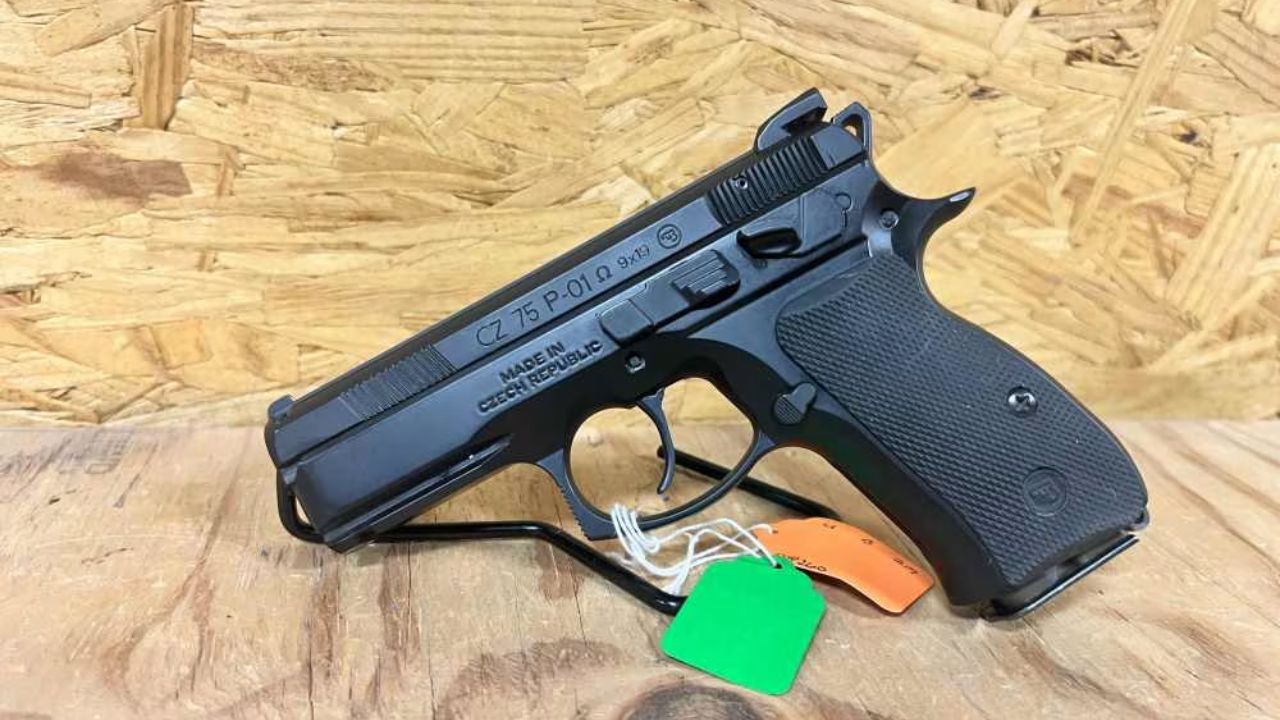
The CZ P-01 earned serious respect because it’s compact, controllable, and built like it expects rough handling. It has the same “shoots bigger than it is” vibe the CZ 75 family is known for, and that helps you run it fast without needing to muscle the gun.
To keep it reliable, you avoid bargain mags and stay disciplined about lubrication and springs. Alloy-frame guns can feel snappy with hotter loads, so a firm grip and a fresh recoil spring matter if you’re training hard. The P-01’s reputation is tied to being a practical working pistol, not a collector’s item. It’s the kind of gun you can actually carry and still trust after long sessions. When people talk about compact 9mms that don’t feel compromised, this one keeps showing up.
Walther P99 (original pattern)

The Walther P99 built a reputation by being a real service pistol before striker-fired dominance turned everything into copy-and-paste. It had thoughtful ergonomics, solid magazines, and a system that handled duty ammo well. The gun points naturally, and the controls make sense once you actually run it instead of judging it on paper.
Reliability depends on keeping it stock and feeding it quality mags. The P99 also benefits from normal spring replacement if you shoot it a lot, especially because many examples now have years behind them. The regret with the P99 is that it showed how good a service pistol could feel without being fragile, then it quietly faded from the mainstream. If you own a good one and keep it maintained, it stays dependable in a way that surprises people who only know the newest models.
Smith & Wesson M&P9 2.0
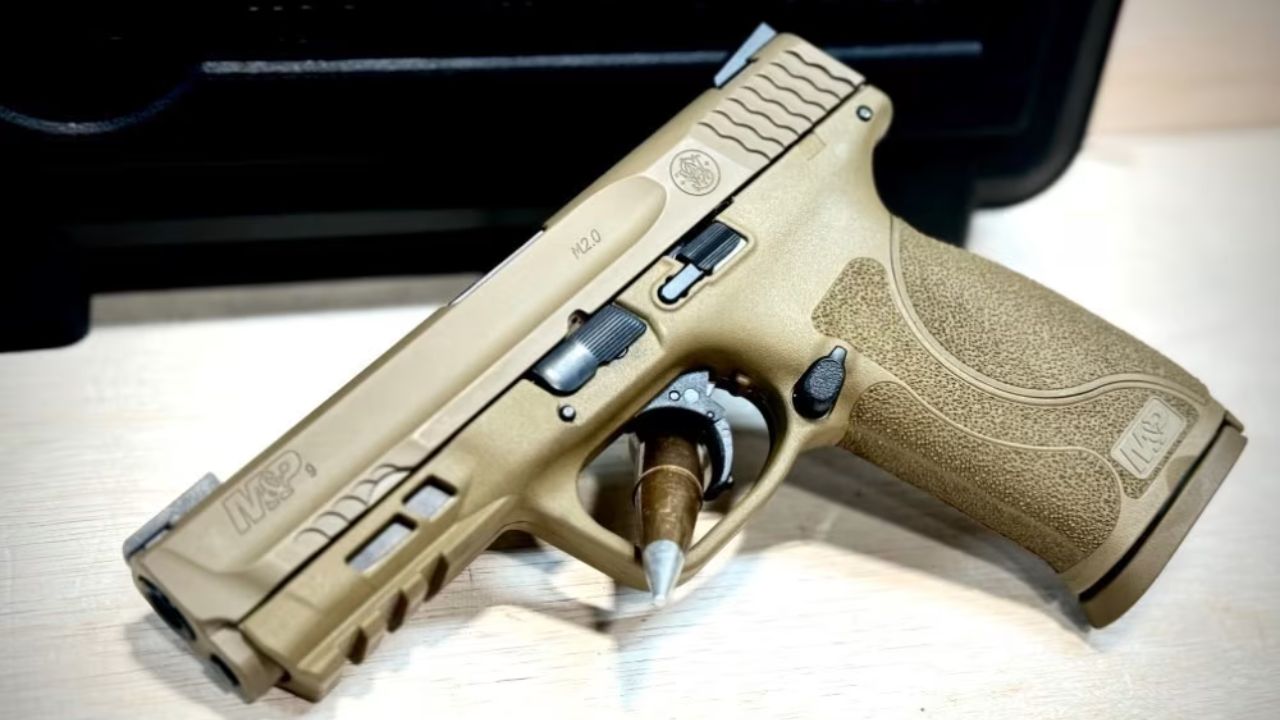
The M&P9 2.0 became a serious contender because it fixed the early complaints and kept the strengths: good ergonomics, durable construction, and a duty-ready layout. The updated trigger and grip texture make it easier to shoot well under speed, and the pistol tends to run across a wide range of ammo.
Reliability with the M&P is usually a matter of staying disciplined about magazines and not turning it into a Frankenstein build. Keep the internals sane, confirm function with your chosen carry load, and don’t ignore recoil spring life if you’re a high-round-count shooter. The M&P earned a spot on this list because it became a real alternative to the Glock standard without bringing extra drama. It’s one of the few platforms that agencies adopted in large numbers and stuck with for good reasons.
Ruger SR9
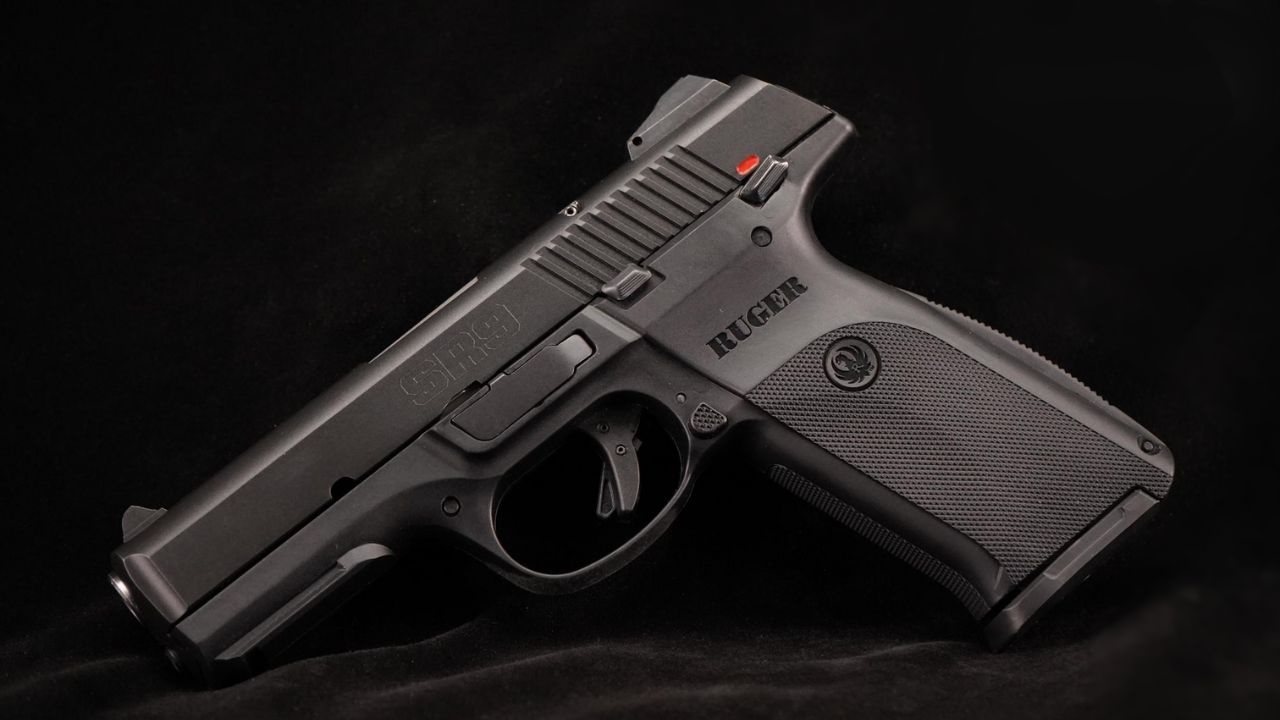
The Ruger SR9 doesn’t get talked about like the big-name duty pistols, but it earned a quiet reputation for running reliably with a wide variety of ammo. It’s slim for a full-size 9mm, points well, and doesn’t feel fragile. When you run one hard, you realize it’s more serious than people give it credit for.
Reliability stays strong when you keep the basics squared away. Use quality magazines, keep the gun clean in the usual high-fouling spots, and replace recoil springs before they get tired. Avoid sketchy aftermarket parts that mess with timing or sear engagement. The SR9 made its mark by being a dependable working pistol for people who actually shoot, not just shop. It’s a reminder that reliability standards aren’t only set by the loudest brand names.
FN 509

The FN 509 was built with duty use in mind, and it shows in the way it handles abuse and accessories. The design is meant to run with lights and optics without getting finicky, and the magazines and controls feel like they were designed for real hands, not marketing photos. It’s a modern service pistol that doesn’t need excuses.
To keep it performing, you keep it stock internally and confirm your setup with your carry load. Optics and lights can change how any pistol behaves under recoil, so you verify instead of assuming. Keep magazines clean, especially if you train in dust or sand, and replace springs when you actually shoot a lot. The 509 has become a benchmark for a modern duty 9mm that prioritizes function over fashion, and that’s why it belongs here.
Ruger American Pistol 9mm

The Ruger American Pistol often gets overlooked, but it’s built with a duty mindset: strong lockup, robust parts, and a design that tolerates real training schedules. It also handles recoil well and has a grip system that helps you fit the gun to your hand without forcing you into one shape.
Reliability stays high when you keep your magazines squared away and avoid the temptation to “upgrade” the gun into problems. Ruger built it to run with standard parts, standard springs, and standard ammo. If you’re using weak bargain range ammo, grip and spring life matter, so don’t ignore the basics. The American Pistol set a quiet reliability standard by being a gun that works for people who actually shoot—especially those who want a duty-style 9mm without paying for a name.
Steyr M9-A1

The Steyr M9-A1 is one of the most underrated service pistols in terms of pure reliability and shootability. The low bore axis and grip angle help it track flat, and the pistol tends to run cleanly with common 9mm loads. It’s a design that feels purpose-built instead of trend-driven.
Reliability comes from keeping it in factory trim and feeding it good mags. Because it’s less common, you also stay smart about spare parts and magazine availability—buy what you trust and stick with it. Keep the gun lightly lubed and don’t ignore recoil spring life if you run high round counts. The Steyr’s “standard setter” status is quiet, but real: it’s a pistol that often surprises experienced shooters because it runs and shoots better than the hype machines would lead you to expect.
Browning Hi-Power (classic pattern)
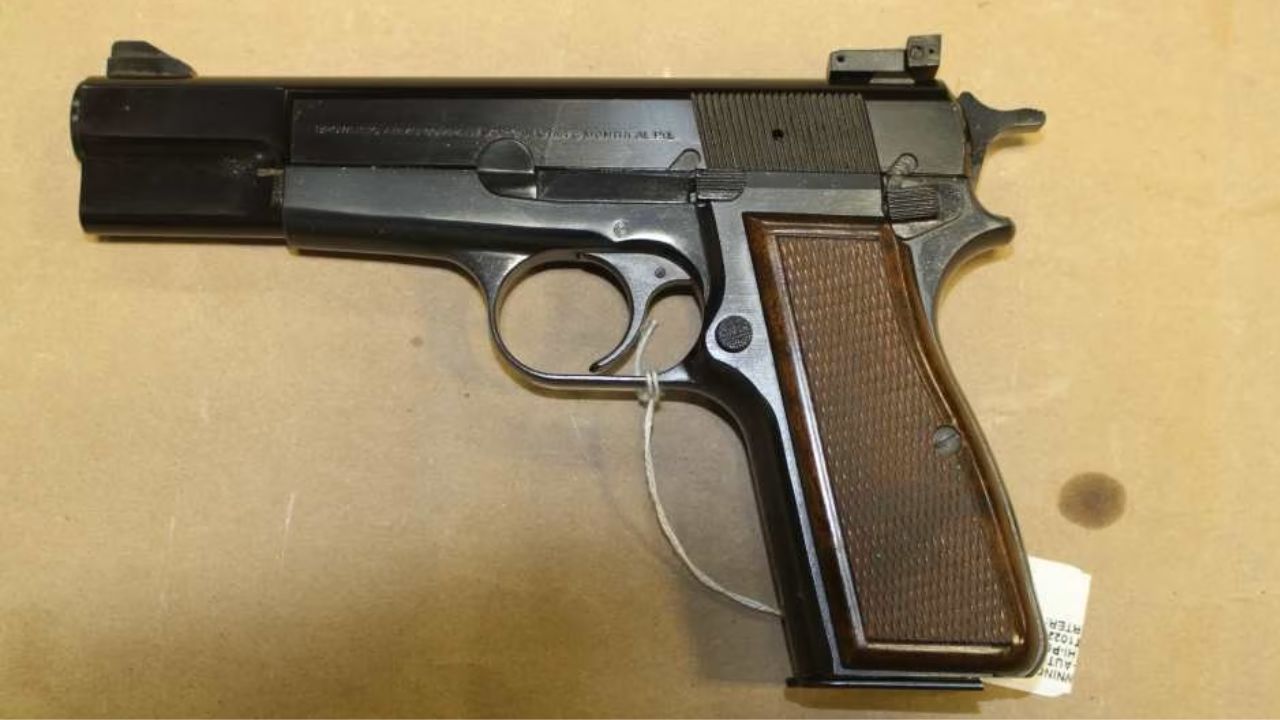
The classic Hi-Power set a reliability standard by being one of the most widely adopted 9mms in the world for a long time. It carried well, shot well, and gave you capacity that felt generous for its era. When maintained, it runs with a steadiness that still earns respect today.
You keep it reliable by respecting what it is. Good magazines matter, and the feed ramp geometry on older guns can be sensitive to certain hollow points compared to modern designs. Many Hi-Powers also benefit from spring refreshes because so many have decades behind them. Keep it maintained and it remains a dependable, shootable pistol that helped define what “service 9mm” meant globally. It’s not modern, but it helped set the bar that modern pistols still get compared against.
Like The Avid Outdoorsman’s content? Subscribe to our newsletter so you never miss an article.
Here’s more from us: