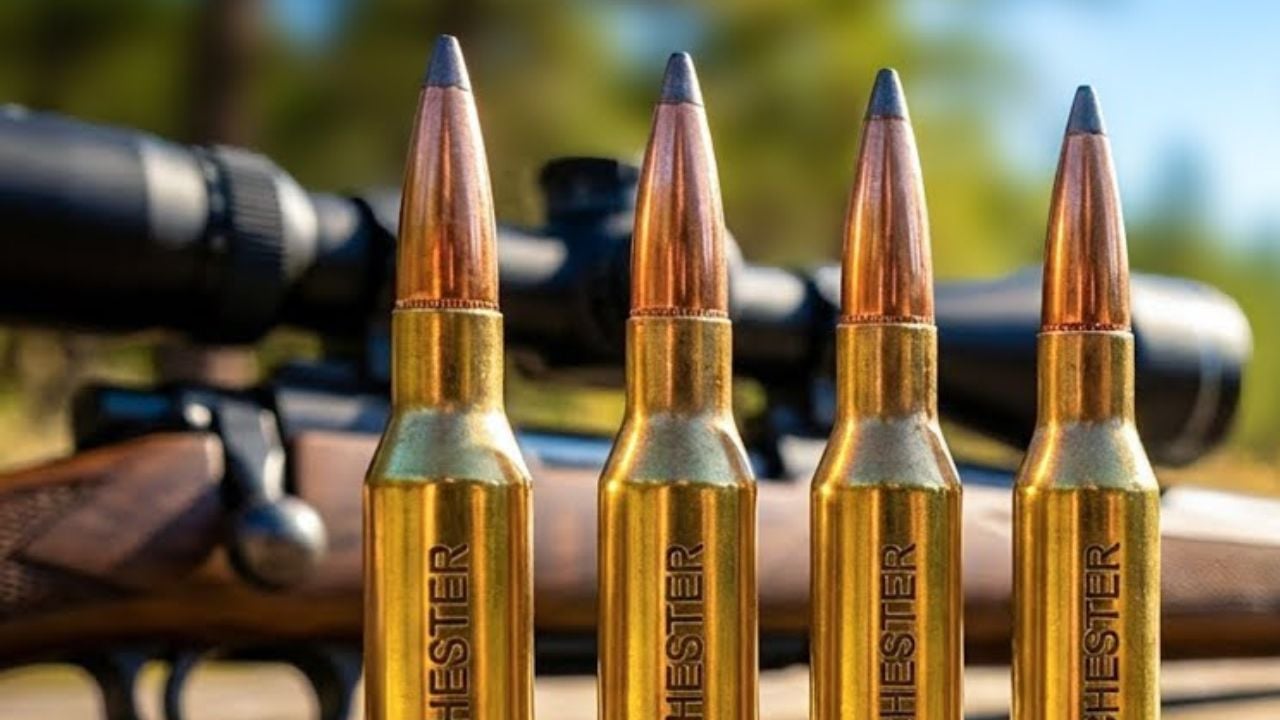
Photo credit: Survival Gear Showcase/YouTube
This one is already “specific” by nature (calibers), so I’m keeping it caliber-focused, but still grounded in the real reason the “hit hard / slow drop” story happens: bullet construction, shot angle, and what the bullet does after impact. Energy numbers don’t guarantee fast kills if the bullet doesn’t reach the right stuff or if it expands too fast and sheds weight.
.243 Winchester

.243 can kill deer clean, but it’s also one of the easiest calibers to get wrong on bullet choice, and when it’s wrong, animals don’t drop quickly. Light, fast bullets can blow up on shoulder and fail to drive deep, so you get a hard hit and a long track. Guys walk away thinking the caliber is weak when the real issue was bullet construction and shot angle. If you pick a tougher hunting bullet and place it through heart/lungs, it works. If you pick a fragile bullet and hit heavy bone or take a bad angle, you can get a dramatic hit with poor penetration. “Hard hit” doesn’t matter if you don’t wreck the plumbing. That’s why .243 has both loyal fans and angry critics—those camps are often using very different bullets and taking very different shots.
6mm Creedmoor

6mm Creedmoor looks awesome on paper and can absolutely hammer deer-sized game. The slow-drop story usually shows up when people use match-style bullets or very rapid expanders that create a lot of damage early but don’t punch through on tougher angles. That can produce big bloodshot areas and surprisingly little immediate collapse, especially if you’re not breaking major structure. You’ll hear “it hit like lightning but it ran.” That happens when the bullet expands early, doesn’t exit, and you don’t get a good blood trail right away. With controlled expansion hunting bullets, performance improves a lot. This caliber is just popular enough that people use whatever they can find, and not all 6mm bullets are built to handle real-world hunting impacts at varying ranges.
.357 Magnum (rifle or revolver)

.357 Mag can feel like a hammer, but with certain expanding bullets it can still give you “hard hit, slow drop,” especially if penetration isn’t there or if the bullet expands fast and stops short. On deer, especially with a revolver, shot placement matters more than people want to admit. If you’re not hitting heart/lungs clean or you’re clipping shoulder without enough drive to reach vitals, the deer can run. That’s why a lot of guys who swear by .357 on game use heavier bullets with tougher construction or hard-cast in certain roles. The caliber can absolutely work, but it’s not magic. If the bullet doesn’t reach what matters, the animal doesn’t drop quickly, no matter how hard the impact felt in your hands.
.44 Magnum

.44 Mag is powerful, but “powerful” doesn’t automatically mean “drops fast.” If you use soft bullets that expand too quickly and don’t drive deep on a bad angle, you can end up with a big wound and a runner. The other issue is shot placement confidence. Heavy recoil in some setups makes people shoot worse than they think, and a slightly rearward hit on a hard-hitting caliber still produces a track job. .44 shines when you use bullets that hold together and when you put them through the right zone. If you treat it like a guaranteed hammer and take marginal angles, it can disappoint. That’s the real story behind a lot of “I hit it hard and it still went 80 yards” experiences.
10mm Auto

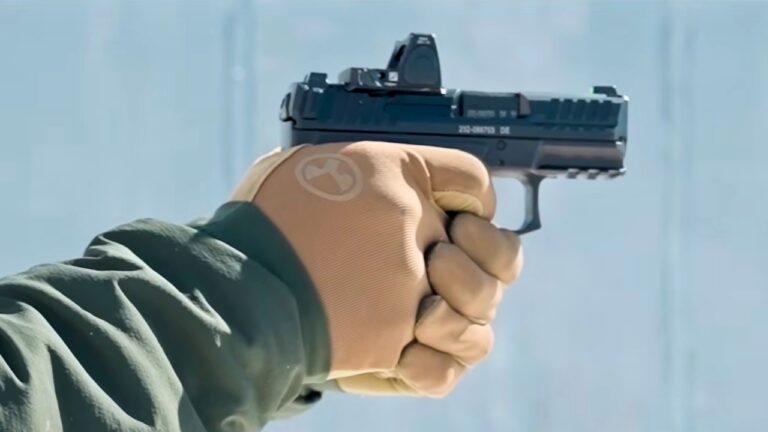
10mm hits hard and can still produce runners if the bullet expands too fast or if penetration is lacking on a steep angle. Plenty of defensive-style hollow points are built to expand aggressively, not to break shoulders and drive deep through a big-bodied animal. If you hunt or carry it in the woods, bullet choice is everything. When people use the wrong projectile, they get impressive impact and disappointing results. The other factor is that many 10mm pistols are compact and harder to shoot precisely under stress than folks admit. A hard-hitting caliber that’s placed poorly doesn’t drop animals quickly. If you want 10mm to be consistent, use a load designed for deep, controlled penetration and practice enough to put it exactly where it needs to go.
.350 Legend

.350 Legend is great in straight-wall states, but it can be a “hard hit, slow drop” round depending on bullet design and impact velocity. Some loads expand quickly and don’t exit, which can limit blood trail early and make recovery harder even if the hit was lethal. The caliber isn’t weak. The issue is that many .350 bullets are tuned for reliable expansion at moderate speeds, and some can open up fast and stop inside, especially on shoulder contact. If you don’t break major structure and you don’t get an exit, deer can run farther than you expected. Pick bullets that hold together, and don’t assume “bigger hole” equals “instant drop.” Instant drops usually come from CNS hits or broken structure, not energy math.
.45-70 Government (with softer modern expanders)

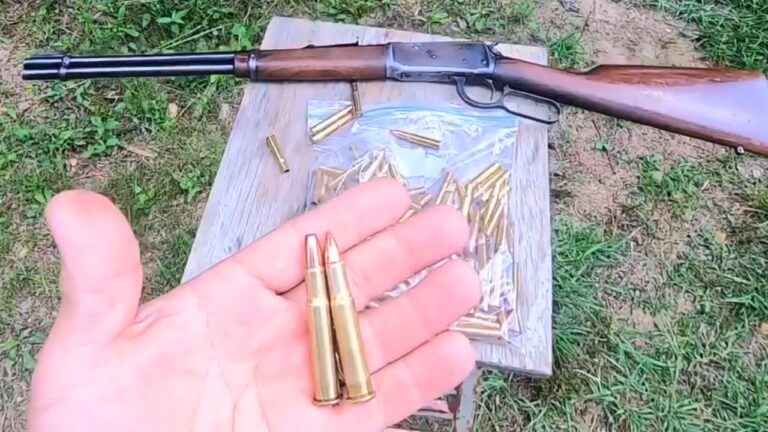
.45-70 is a classic, but it can still give you runners if you choose a soft, fast-expanding bullet and don’t hit structure. You can do massive tissue damage and still watch an animal run because heart/lung hits don’t always cause instant collapse. Another factor is that some .45-70 loads are built for expansion and shock, not necessarily for deep drive on bad angles. If you hit too far back, a big caliber doesn’t save you. This caliber teaches the same lesson as others: placement and bullet construction matter more than the size of the cartridge. If you want “boring” performance, pick a bullet that stays together, aim for a structural hit when appropriate, and accept that even big bores don’t guarantee a drop-on-the-spot result.
.300 Win Mag

You’d think a magnum solves everything, but a .300 Win Mag can still produce “hard hit, slow drop” if the bullet blows up, if you hit too far back, or if you clip the edge of the lungs without breaking anything. Fast expanding bullets at close range can do dramatic surface damage and still not penetrate like you assumed. Then you get a lethal hit that doesn’t anchor quickly. Also, recoil makes some shooters rush shots or flinch, and a slightly off placement with a magnum just makes a bigger problem. The caliber can be excellent, but it’s not a shortcut. If you want consistent quick kills, use a controlled expansion bullet and put it where it belongs, especially on heavier animals and harder angles.
7mm Remington Magnum

Same magnum story: lots of energy, not always lots of “instant drop.” With certain bullets at close range, expansion can be violent and penetration can be less than people expect, especially if the bullet isn’t built for magnum velocities. That leads to “it hit hard but ran anyway.” With a good bullet, 7mm Mag performs great. But if you’re using a fragile bullet or you’re taking steep angles without enough penetration, animals can go farther than you expected. The caliber is popular, so there are tons of bullet options, and not all are equal. When people complain about slow drops with a 7mm Mag, it’s often bullet choice and shot placement, not a lack of power.
.22-250 Remington

On coyotes and small game, .22-250 can look explosive. That “explosive” effect sometimes convinces people it’s more of a deep driver than it is. With thin-jacket varmint bullets, you can get dramatic impact with shallow penetration, especially if you hit shoulder or encounter thicker tissue than expected. That can create runners even when the hit looked impressive. The caliber can absolutely kill quickly when used correctly, but it’s also easy to get inconsistent terminal behavior because bullet construction varies widely. If you’re using it beyond its typical role or you’re expecting it to punch through like a heavier bullet, you can be disappointed. Fast doesn’t automatically mean deep, and depth is what reliably shuts things down.
.357 SIG

This is a “hard hit” pistol caliber that can still give inconsistent results on animals because it’s a defensive cartridge built around expansion and velocity, not necessarily deep penetration through bone and odd angles. If the bullet expands early and sheds speed, you can get a lot of initial damage without the straight-line drive you expected. That can lead to longer recoveries if you’re not hitting the right structure. It’s not a hunting round in the classic sense, and when people try to use it like one, they can get surprised. The solution is either bullet choice geared toward deeper penetration, or choosing a cartridge and platform that are more suited to the job you’re asking it to do.
.40 S&W

.40 hits hard and can still result in slow drops for the same reason: many loads are designed to expand reliably, not necessarily to penetrate deeply through bone and awkward angles. On animals, shot placement matters and you’re not always getting ideal broadside presentations. If your bullet expands too fast and doesn’t reach what it needs to reach, the animal can run. Also, .40 recoil in small pistols makes some shooters less precise than they think they are. A hard-hitting pistol caliber can still be “slow” if hits aren’t placed well or if bullets aren’t constructed for penetration. If your goal is quicker shutdown, prioritize deep, controlled penetration and use a platform you can shoot accurately under stress.
.450 Bushmaster

Big straight-wall, big impact, and still—animals run if you don’t break structure or if bullet construction causes quick expansion with limited exit. Some .450 loads are built soft and open fast at close range. That can create huge damage and still not give you the penetration/exit you assumed from a big bore. Without an exit, blood trails can be slower to develop, and the deer can cover ground even on a lethal hit. If you want faster drops, don’t rely on “big caliber magic.” Choose bullets that hold together, and be honest about placement. A shoulder hit with the right bullet can anchor. A soft hit behind the shoulder can still mean a run, even if the impact looked violent.
.50 Beowulf

Beowulf hits like a truck and still doesn’t guarantee quick drops if the bullet expands too early and doesn’t drive deep on odd angles. The other issue is accuracy expectations. A lot of Beowulf setups are not precision rigs, and if your hit is slightly off, a big bullet doesn’t correct that. Big bores also tend to cause people to aim “center mass” without thinking about angles, and angle is what determines what the bullet actually has to pass through. If you want Beowulf to be consistent, pick loads meant for hunting penetration, confirm accuracy, and understand that “big impact” doesn’t equal “instant lights out” unless you’re disrupting the right systems.
.25-06 Remington

This one surprises people because it’s fast and flat, and it can definitely “hit hard.” The slow-drop story shows up when lighter bullets expand aggressively and don’t penetrate through shoulder or steep angles the way people assume. It can create dramatic tissue damage and still produce runners if the bullet doesn’t hold together or if you’re not hitting structure. It’s a great cartridge with the right bullet, but it’s also one that punishes bad bullet selection. If you want consistent performance, don’t treat it like a varmint cartridge on deer-sized game. Choose a controlled expansion hunting bullet, pay attention to impact distance, and don’t let velocity trick you into assuming penetration is automatic.
Like The Avid Outdoorsman’s content? Be sure to follow us.
Here’s more from us: