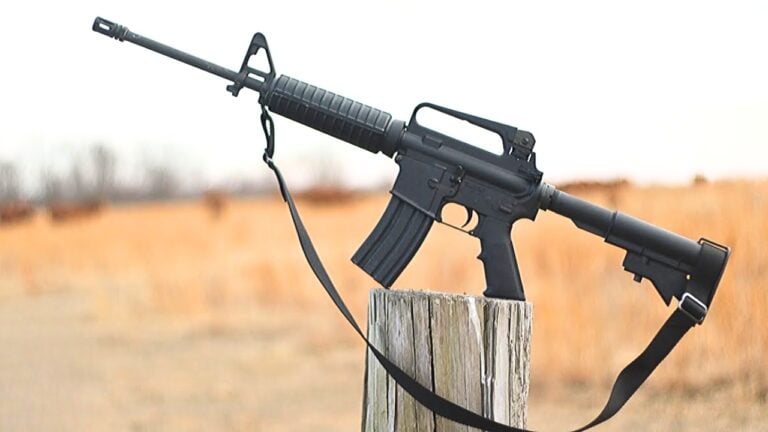
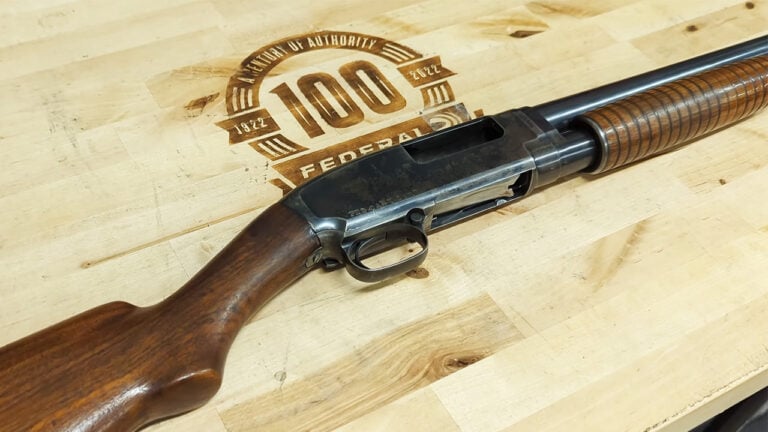
Photo credit: GunBox Therapy/YouTube
Some guns sell you with weight, tight fit, and that “this thing is built” feel. Then you field strip it, and the inside tells a different story. Rough machining, tiny springs doing big jobs, screws that don’t inspire confidence, and designs that feel more complicated than they needed to be. None of this automatically means a gun won’t run. It just means the “solid” feeling can be more about exterior vibe than interior execution.
This list is about guns that often impress at first touch and then raise eyebrows on the bench once you’re cleaning, inspecting wear, and seeing how the system is actually put together.
Kimber Ultra Carry II

The Kimber Ultra Carry II can feel like a serious piece when you first handle it. It’s compact, tight, looks clean, and the overall fit can feel “expensive.” Then you take it apart and remember that short 1911s live on narrow margins. The timing window is smaller, recoil spring setups can be picky, and the extractor side of the world matters more than it does on a lot of modern carry pistols.
Once you’re inside it, you also start noticing how much of the experience depends on magazines, spring life, and little fit details. When everything is right, guys love them. When it’s not, you can spend a lot of time chasing small problems that never show up on the sales counter. A compact 1911 can be a legit carry gun, but the Ultra is one that often looks “solid” before you see how much is going on under the hood.
Kimber Micro 9

The Micro 9 feels like a classy carry pistol. It points nice, it’s slim, it looks like a “real” pistol instead of a plastic micro. Then you strip it and you get that reminder: tiny 1911-style guns are not simple machines. Everything is miniaturized, springs are doing a lot of work in a small space, and the gun doesn’t have the same tolerance for neglect that bigger, more forgiving designs have.
When you start cleaning and watching wear, the small parts and tight packaging can make you more aware of maintenance and ammo sensitivity. It may run great for you. The point is that the “solid” feel up top doesn’t mean the internals are built with the same big margins you get in a compact striker pistol. For a lot of owners, the first detailed strip is where confidence either grows or starts to slip.
Remington R51

The Remington R51 is one of those pistols that can feel surprisingly good in the hand and then leave you with questions once it’s apart. It uses an unusual operating system compared to the mainstream striker guns most people are used to. That means more dependence on correct fit and correct function of parts you don’t normally have to think about.
When you’re inside it, it’s easy to get that “why is this so complicated?” reaction. If a carry pistol needs more mechanical luck or tighter harmony between parts to stay happy, it’s harder to feel relaxed about it long-term. Some people had decent experiences, but the R51 is a classic example of a gun that can feel like a sturdy, clever idea—until you see how much the design asks from its own tolerances.
Taurus PT1911
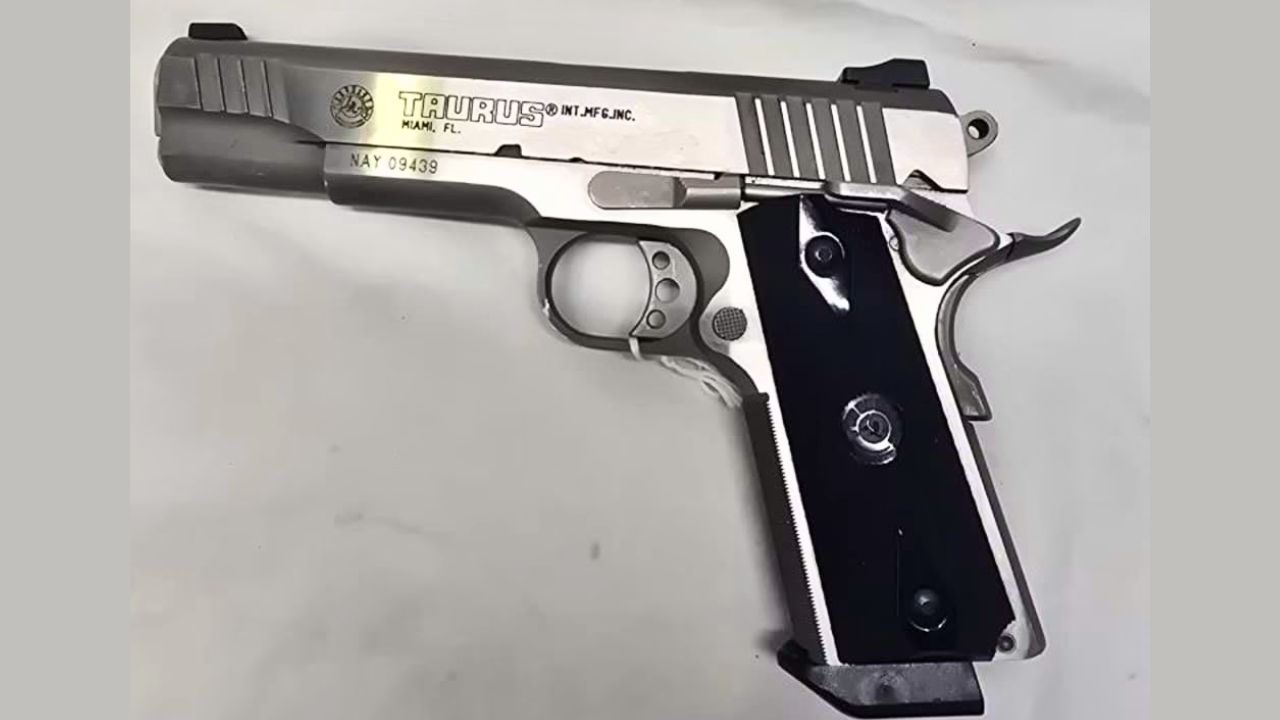
A Taurus PT1911 can feel like a steal. Steel frame, classic lines, and it has that weight that makes people think “this is built right.” When you take it apart, you’ll often see where the price point lives—finish inside the gun, tool marks, and small parts that don’t have that “cleanly fitted” look you get in higher-end 1911s.
The bigger issue is expectation. A lot of guys buy a budget 1911 thinking it’s basically the same as the premium ones, just cheaper. Then they start doing cleanings, watching wear, and realizing the inside doesn’t look like the gun they imagined. That doesn’t mean it can’t be a fun range gun. It means the “solid” feel is more about mass and shape than refined internal execution.
Rock Island Armory GI/FS 1911

Rock Island 1911s feel like tanks when you pick them up. They’re heavy, simple, and they scratch the 1911 itch without killing your wallet. Open one up and the “value build” shows itself fast—rougher internal surfaces, less refined fit, and parts that look more functional than polished.
A lot of these pistols run fine, and plenty of guys shoot them for years. But if you’re the type who equates interior finishing with long-term confidence, the first teardown can be a reality check. The gun feels solid because it’s steel and it’s a 1911 shape. Inside, you see it was built to hit a number, not to impress anyone doing a detailed inspection.
Springfield XD-S (especially early generations)
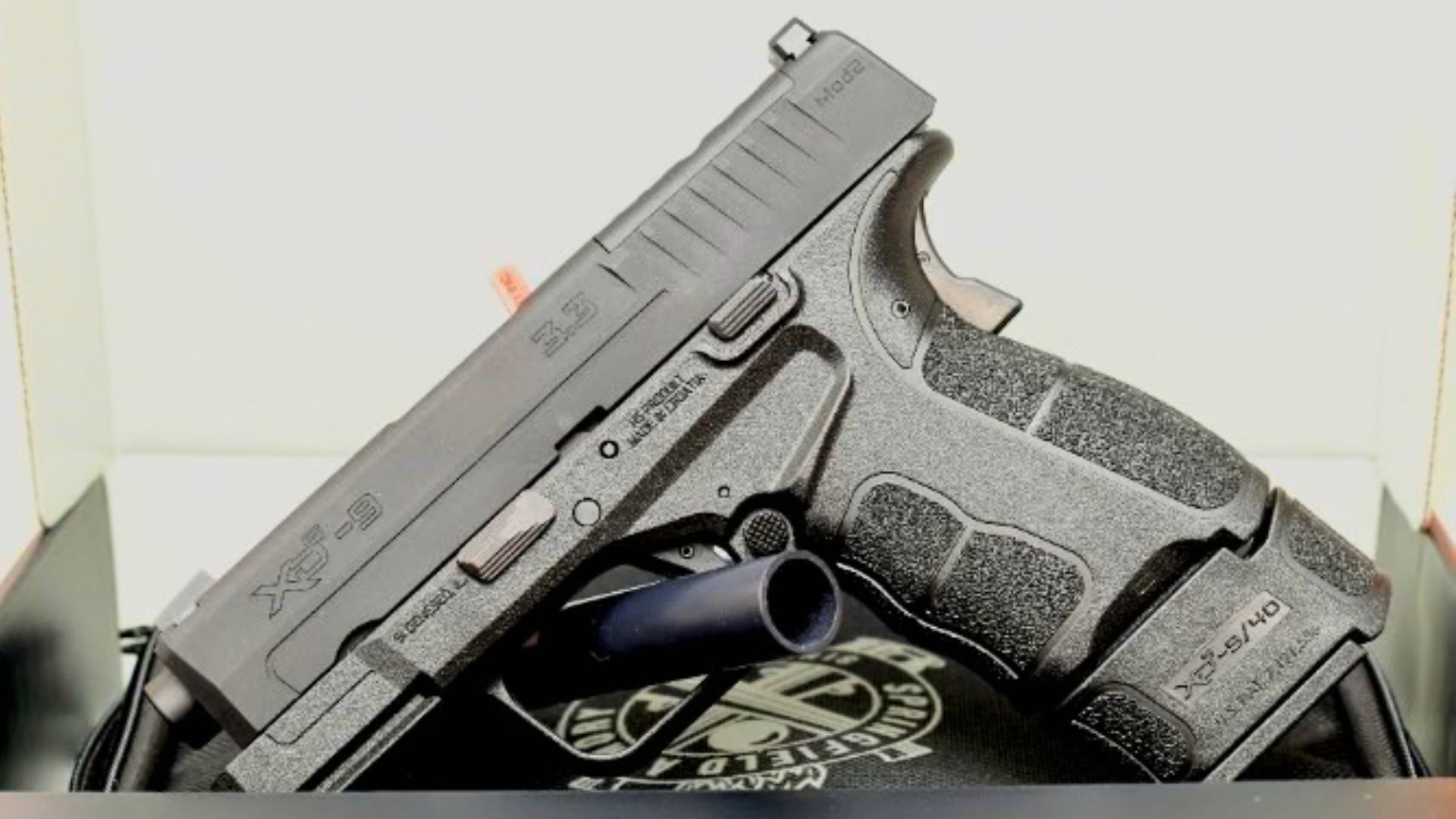
The XD-S often feels like a serious little carry pistol. Chunky slide, strong “duty-ish” vibe, and it sits in the hand like it means business. Then you take it apart and a lot of people are surprised by how busy it feels compared to a Glock, M&P, or P365-style system.
When you’re cleaning it regularly, you start noticing how the design choices stack up—more moving pieces, more areas that collect grime, and more little parts that you don’t love relying on in a tiny carry gun. Many XD-S pistols work fine. The point is that the outward feel of ruggedness doesn’t always match the internal simplicity people assume they’re buying.
SCCY CPX-2

The SCCY CPX-2 has that “brick” feel in the hand that makes some buyers think it’s extra durable. It’s also cheap enough that people talk themselves into it as an easy answer. Field strip it and you’ll often see the cost-cutting in the fit, finish, and overall refinement of the parts.
The concern isn’t that it’s made of polymer. The concern is how roughness and budget internals can show up over time, especially if someone actually trains with it. A lot of low-cost pistols are fine for occasional use, but the moment you start shooting real volume, cleaning often, and inspecting wear, the internal story matters more. The CPX-2 is a classic example of “feels sturdy” that can look less confidence-inspiring once you see how it’s built.
Hi-Point C9

Hi-Points are famous for being heavy and clunky, and that weight makes some people assume they’re tougher than they are. Pick one up and it absolutely feels solid. Take it apart and you see the reality of how they hit the price point: simple, rough, and very “built to function” rather than “built to last under hard use.”
If you understand what it is, a Hi-Point can be a range beater. But the teardown is where most people realize it’s not a refined system you’d want to rely on when you’re counting on consistent performance. The exterior sells “tank.” The internals sell “this is a budget tool,” and for a lot of owners that changes how they view it immediately.
Kel-Tec PF-9
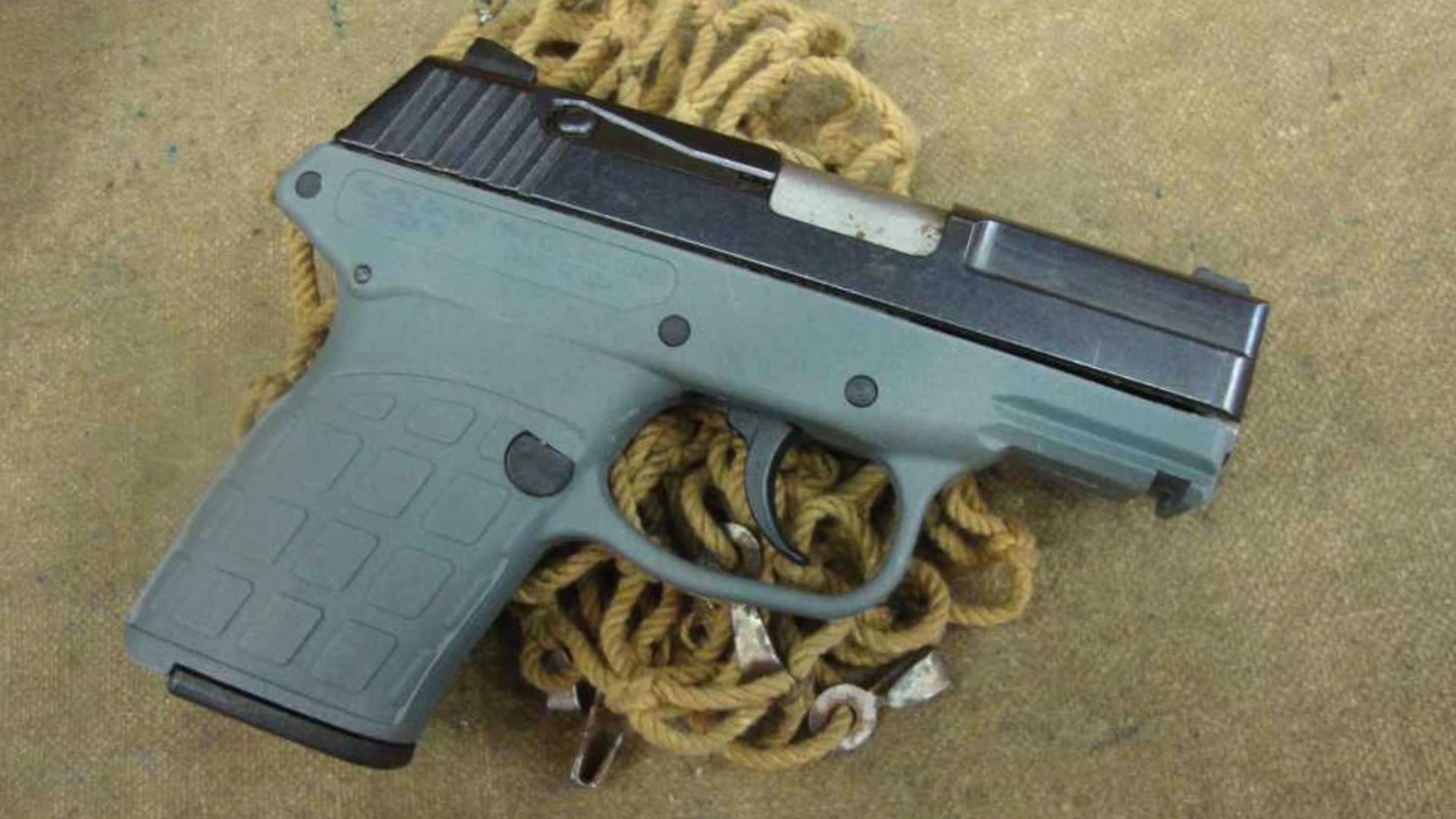
The PF-9 is one of those ultra-light carry pistols that feels like a great idea until you start living with it. In the hand, it feels minimal and practical. Then you take it apart and see how much the gun depends on being kept clean, being gripped properly, and not being pushed too far outside its comfort zone.
Kel-Tec designs often prioritize weight and size first, and you can see that when you’re inside them. That doesn’t mean they’re junk. It means the “solid” feel people expect from a carry pistol isn’t really what they bought. The PF-9 is more like a lightweight machine that needs realistic expectations and consistent maintenance—something a lot of buyers don’t realize until they’ve stripped it a few times.
Ruger LCP (original)

The original Ruger LCP can feel surprisingly stout for how small it is. You pick it up and think, “This little thing feels ready.” Then you field strip it and the tiny-gun reality hits: small springs, small bearing surfaces, and a system that’s built for deep concealment more than high-volume training.
When you start cleaning after a few range trips, you notice how quickly pocket lint, rimfire-style grime (even though it’s centerfire), and general carry dirt can matter. The LCP is a legit “always” gun, but the teardown is where many owners stop treating it like a primary and start treating it like a specialized tool. It feels solid because it’s compact and dense. Internally, it’s still a tiny machine with tiny tolerances.
Turkish M4-style semi-auto: Panzer Arms M4

The Panzer Arms M4 looks like a serious shotgun. It has the profile, the furniture, the “combat” feel, and it tends to impress people who want an M4-style build without paying Benelli money. Then you strip it and you start seeing inconsistencies—rough spots, fasteners you don’t trust, and internal finishing that varies gun to gun.
Some of these can run okay, especially if you stick to ammo it likes. The problem is the teardown often reveals why long-term confidence is hard: questionable small parts, uneven machining, and a general feeling of “assembled” rather than “engineered.” If it’s a range toy, fine. If someone bought it for serious use because it felt solid on the rack, the inside can change their attitude fast.
Turkish pump: Tokarev TX3
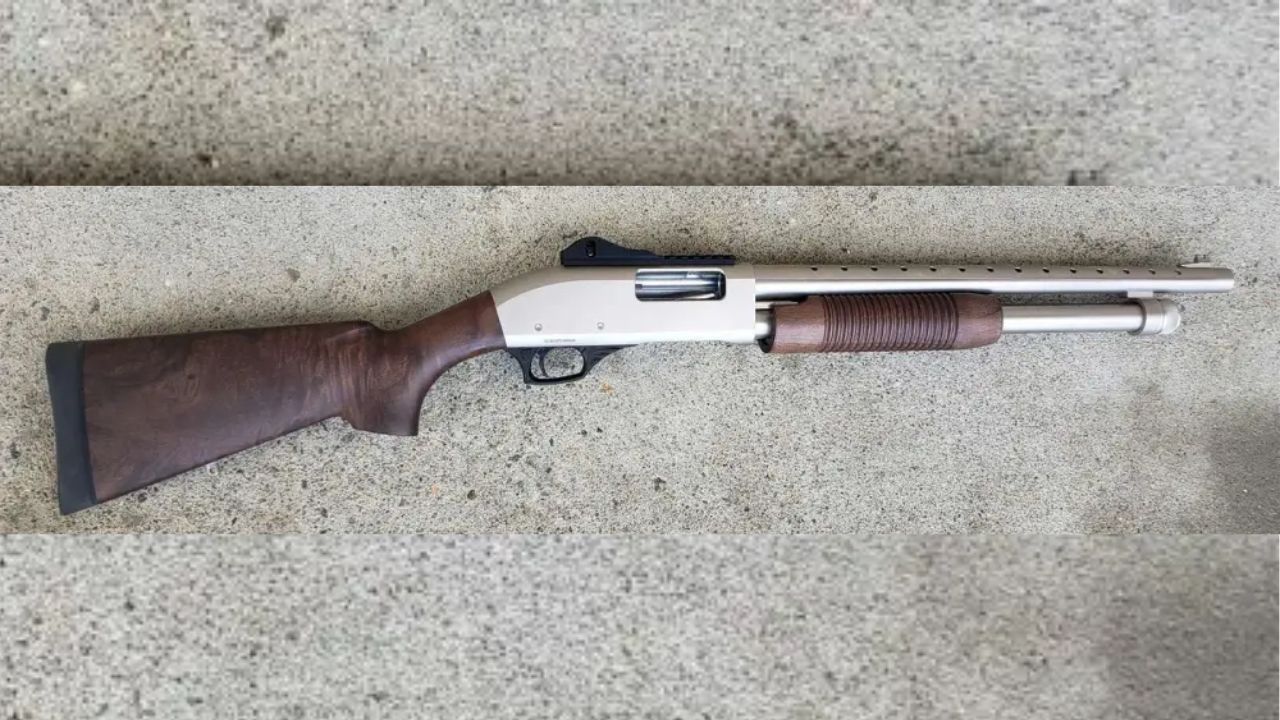
The Tokarev TX3 pump can feel like a rugged bargain in the hands. It’s got that pump-gun weight and the look people associate with “reliable.” Tear it down and you may find the corners that were cut: rough internal rails, basic finishing, and parts that don’t feel like they’re built for years of heavy cycling.
Pump guns are simple, but “simple” doesn’t mean “all pumps are equal.” The teardown is where you start seeing why some pumps feel smooth and last forever while others feel gritty and wear faster. A TX3 can do a job, but it’s one of those guns where the inside often tells you exactly why it was cheap.
DPMS Oracle (AR-15)
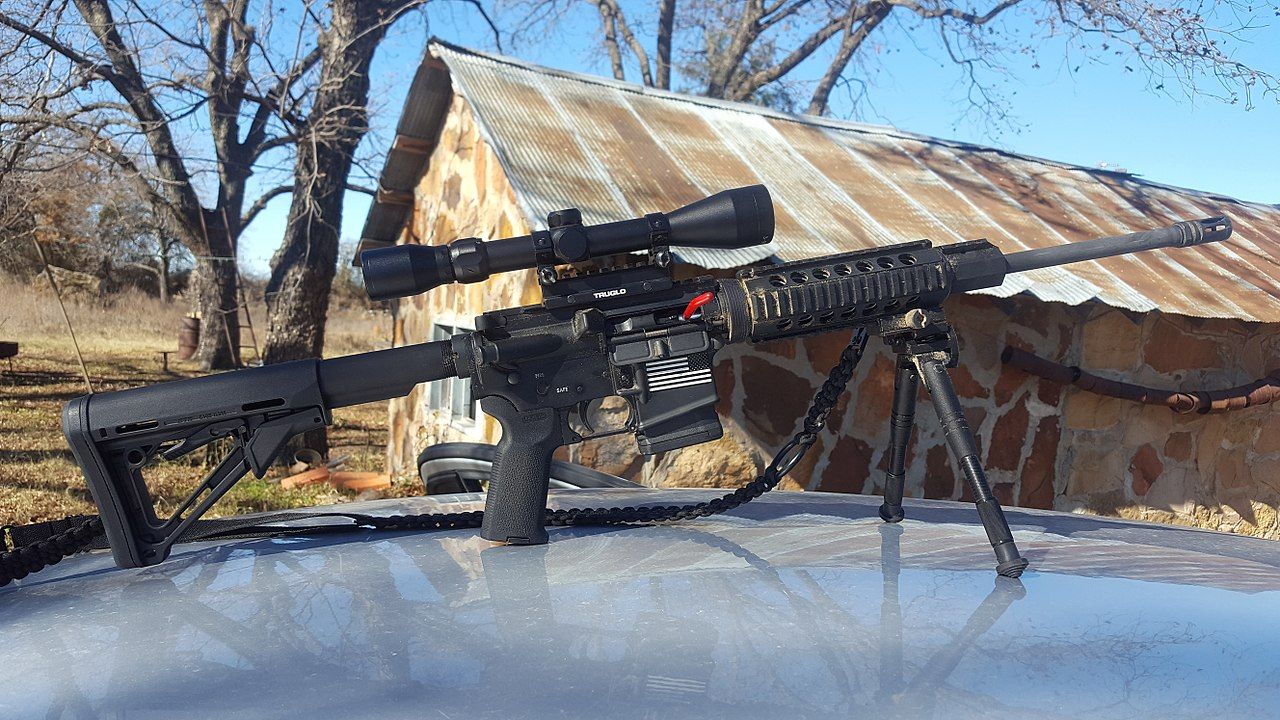
A DPMS Oracle can feel perfectly fine at the counter. Plenty of ARs do. The teardown is where you start checking the stuff that actually matters: staking, gas key integrity, extractor setup, and small parts quality. If you’ve been around ARs for a while, you know those details separate a range gun from a hard-use rifle.
The Oracle is a good example of why experienced shooters inspect the bolt carrier group like it’s the heart of the rifle—because it is. The rifle can feel tight, look good, and still have little details inside that make you pause. You can often fix or improve those parts, but most buyers don’t expect to need to. The teardown is where they learn what they actually bought.
Anderson AM-15 (budget builds)
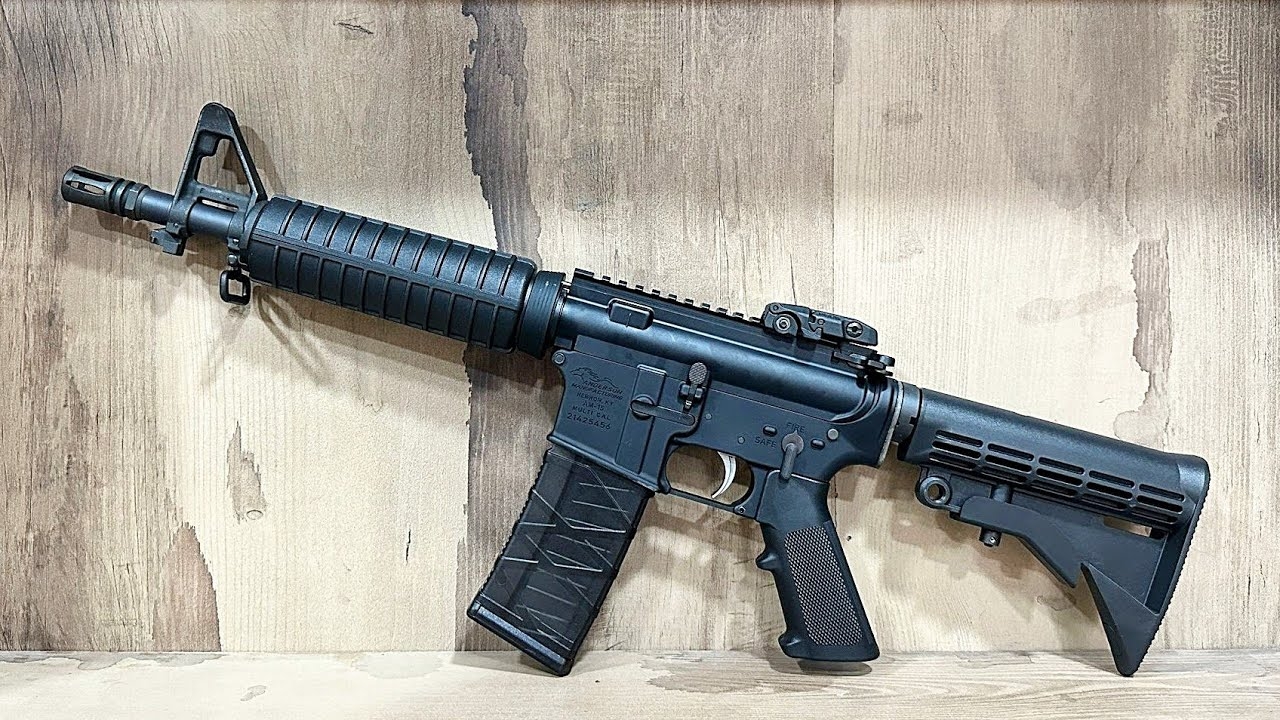
Anderson rifles and lowers are common because they’re affordable and widely available. A lot of them feel totally fine when you first handle them. Then you start pulling things apart and you realize the build quality depends heavily on the specific assembly and parts choices—gas block alignment, staking, buffer setup, and the quality of the bolt and extractor parts.
The main issue isn’t that every AM-15 is bad. It’s that budget rifles often have less margin and less consistency. If you’re a casual shooter, you may never notice. If you train, shoot dirty, and shoot a lot, the teardown is where you start checking everything because you’ve learned that small details become big problems under volume.
PSA PA-15 (some configurations)
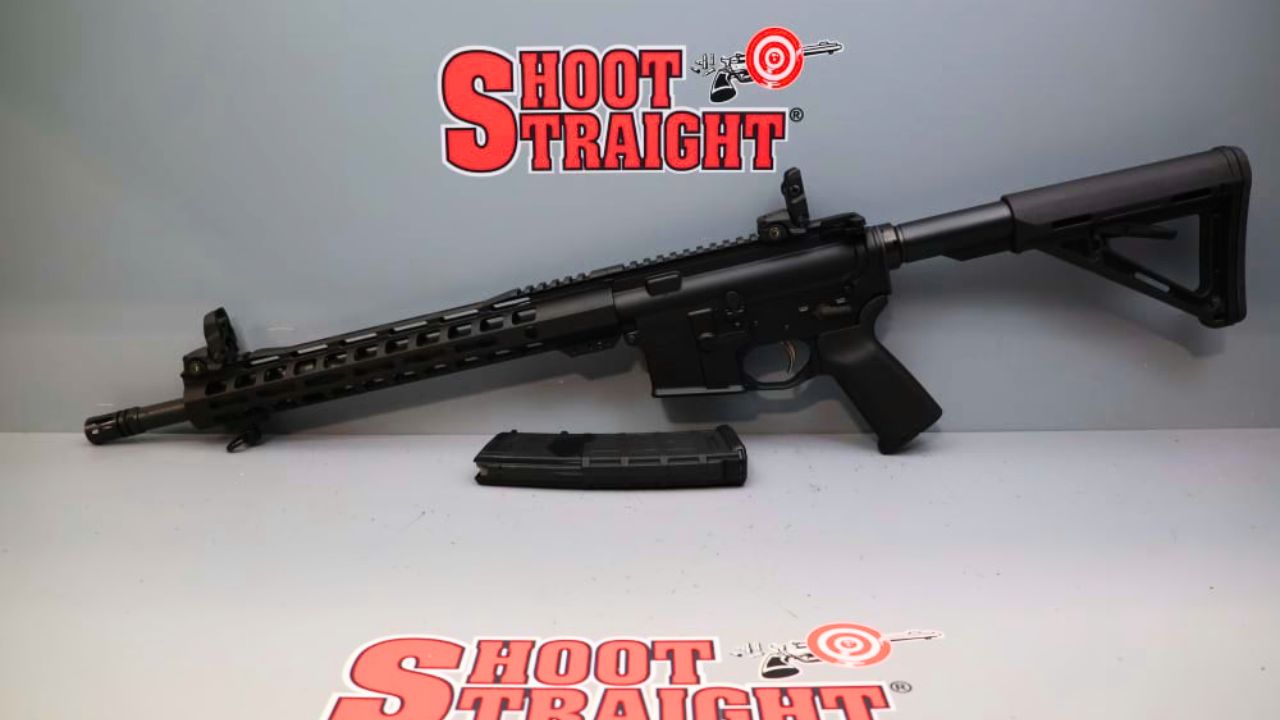
PSA makes a lot of rifles, and some of them are a solid value. But PSA is also a brand where the teardown is where you learn to be picky. Some rifles come out looking great and running great. Others show you mixed details—staking that isn’t as strong as you want, small parts that feel cheap, or assembly choices that make experienced shooters double-check everything before trusting it.
The PA-15 is included because it’s a common “first AR” that feels solid in the hands, then becomes a learning experience once the owner starts inspecting the guts. Plenty of guys run them with success. The point is that “solid” on the outside doesn’t guarantee the inside is built with the same margin you get from higher-end duty-focused rifles.
Stoeger STR-9
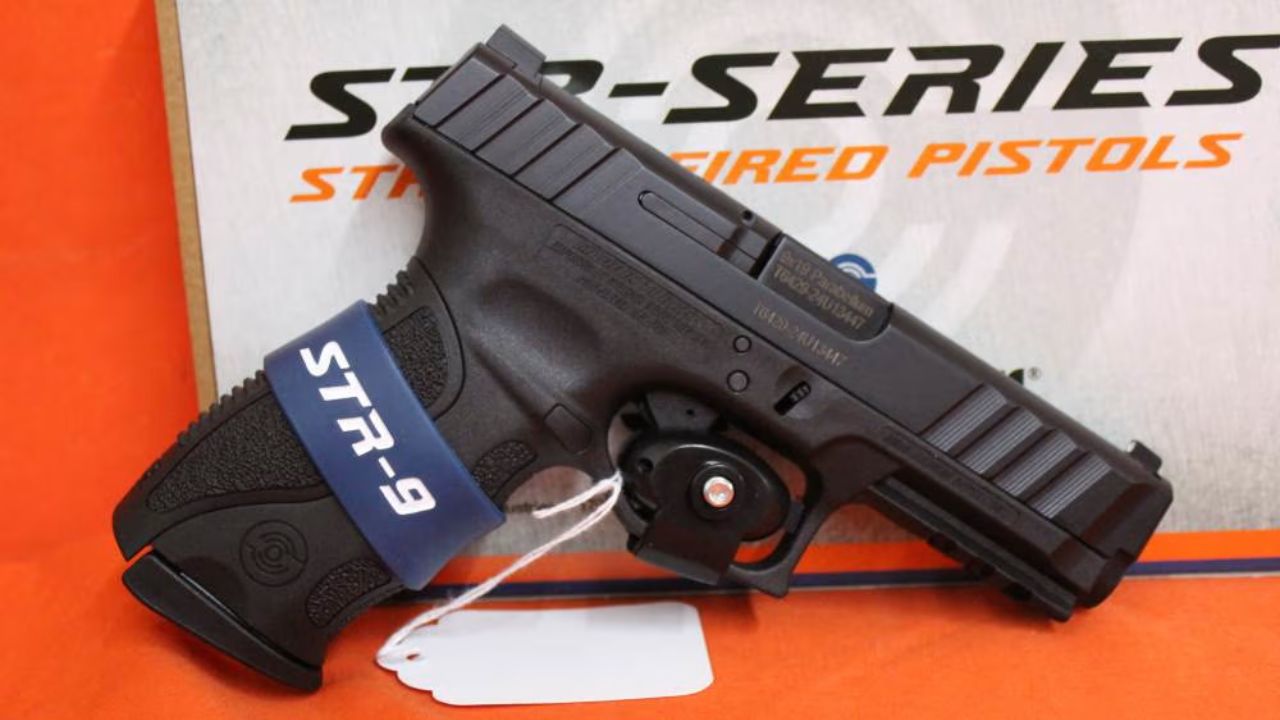
The Stoeger STR-9 surprises people because it feels good in the hand and has that modern striker pistol shape. On the counter, it can feel like a sleeper deal. When you start field stripping and cleaning, some owners notice the finishing and internal feel aren’t at the same level as the pistols it’s trying to compete with.
The STR-9 can still run fine, and many do. But it’s a great example of a pistol that can look and feel “more expensive than it is” until you start inspecting internals and watching wear patterns after a few thousand rounds. If you’re not a high-volume shooter, you may never care. If you are, the teardown is where you decide if it’s a long-term tool or a short-term experiment.
Like The Avid Outdoorsman’s content? Subscribe to our newsletter so you never miss an article.
Here’s more from us: