Photo credit: THE PEWPEW ZONE/YouTube
Some gun models earned real respect at one point and then just kept cashing the check. That is how reputation works in the firearms world. A model gets tied to military history, movie fame, old magazine praise, or some stretch of gun-counter mythology, and people keep repeating the same compliments long after the practical case starts getting shaky. Eventually the reputation gets protected harder than the gun itself.
That does not mean every model on this list is junk. Some are interesting. Some still have a role. A few are even enjoyable in the right hands. But they also attract a lot of forced loyalty. These are the gun models people keep defending because the name still sounds important, even when the real-world value, performance, or ownership experience has gotten a lot harder to justify.
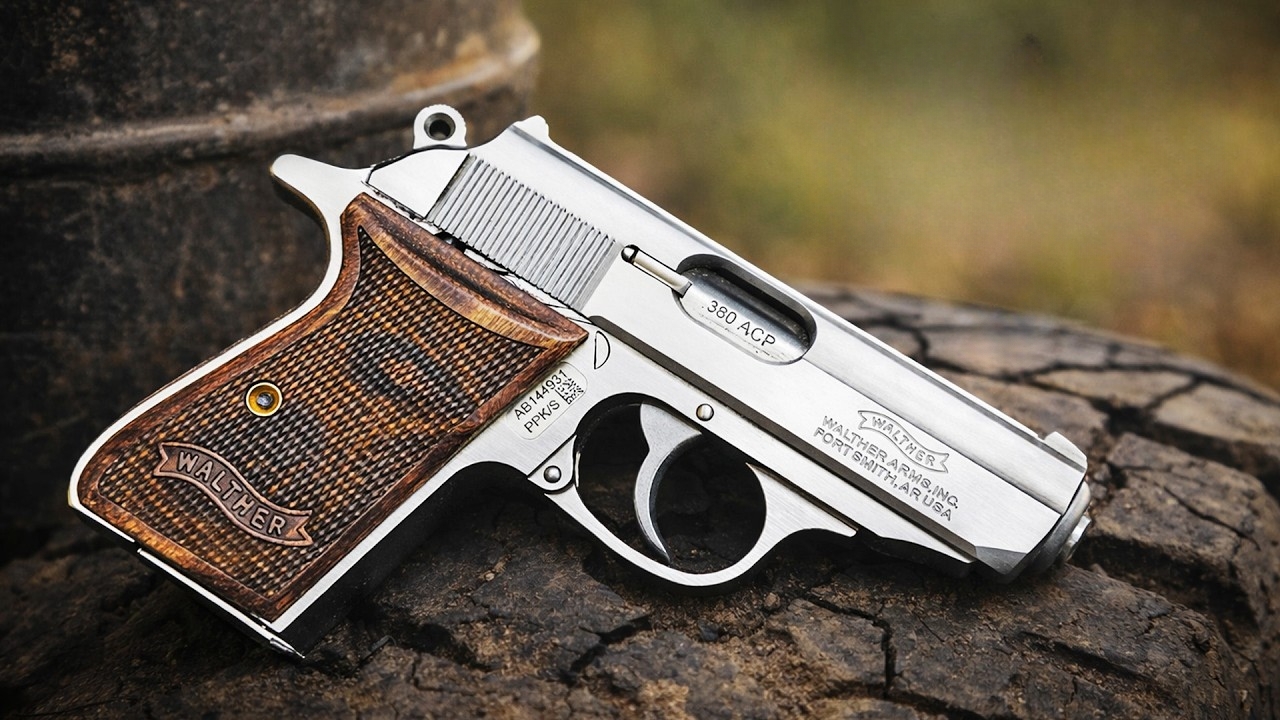
Walther PPK

The Walther PPK still gets talked about like it is the classy answer to concealed carry, but a lot of that praise lives in the world of image, not use. People love the lines, the history, and the whole old-school spy-gun aura. That part is real. The problem is that style keeps doing most of the work while the actual shooting experience keeps getting graded on a curve.
Once you put real rounds through one, the shine fades a little. It is smaller than many people want, sharper than they expect, and less rewarding than modern carry pistols that do not lean so heavily on fame. A lot of owners keep defending it because the name still sounds like taste. The gun itself does not always back that up.
Desert Eagle

The Desert Eagle survives on spectacle better than almost any handgun ever made. People still talk about it like it must be incredible because it is huge, famous, and instantly recognizable. That is exactly why it keeps getting defended. Owning one feels like owning a legend, which helps buyers avoid asking more practical questions about what the thing is actually good for.
The answer, for most people, is not much beyond novelty and attention. It is heavy, expensive to feed, awkward in real use, and not even remotely close to being the best answer to any normal handgun role. But the reputation is so big that people keep pretending the sheer size and fame somehow make it worth defending. Usually they are defending the fantasy more than the pistol.
Springfield Armory M1A
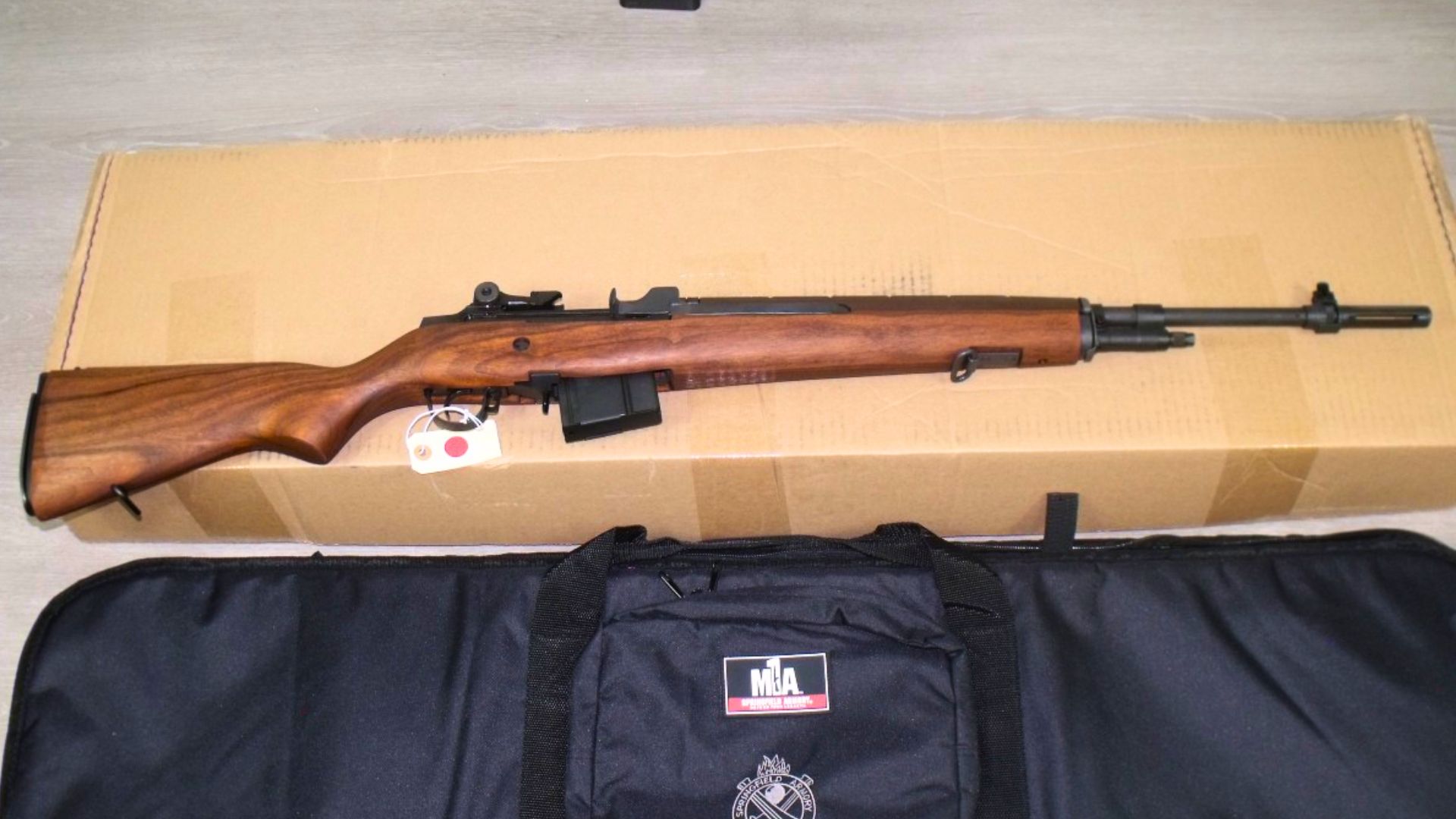
The M1A still gets praised like it is the obvious rifle for anybody who wants a serious .308 with heritage. The wood-and-steel look, the M14 shadow, and the whole old-school battle-rifle image give it an enormous amount of emotional cover. That reputation has survived far longer than the rifle’s practical edge really has.
Once you stop admiring it and start carrying it, scoping it, and comparing it honestly to modern .308 rifles, the drawbacks pile up quickly. It is heavy, expensive, and not nearly as simple to set up as its fans often act like it is. Still, the praise keeps flowing because a lot of owners do not want to admit they paid mostly for history and posture. The name keeps doing the work.
Taurus Judge

The Taurus Judge keeps getting treated like it is some genius do-everything sidearm, and that has always said more about the buyer’s imagination than the revolver’s actual strengths. It sounds versatile in conversation. That is why people cling to the reputation. The idea of .410 shells and .45 Colt in one gun feels like cleverness in a box.
Then the real tradeoffs show up. It is bulky, compromised, awkward to carry, and not especially good at most of the roles its defenders keep assigning to it. But the model survives because buyers love repeating the concept. The reputation sounds practical right up until somebody actually compares it to more normal handguns that do normal handgun things better.
Kimber Solo
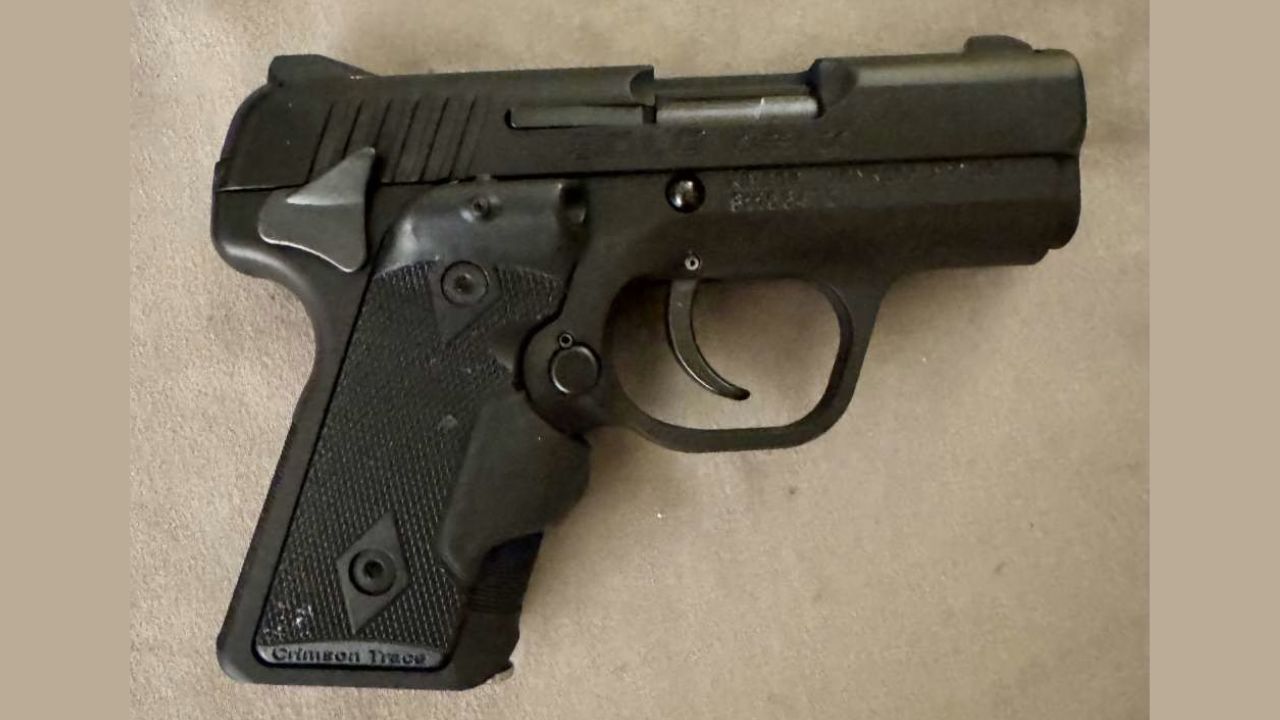
The Kimber Solo still gets defended like it was merely misunderstood instead of simply disappointing for a lot of buyers. People wanted it to be the upscale micro 9 that beat the market to the punch. It looked great, felt refined in the hand, and carried just enough premium Kimber energy that buyers convinced themselves they were buying ahead of the curve.
What they often got was a pistol that never really delivered on that promise cleanly enough to deserve the loyalty it still gets. Yet people keep talking about it like it should still be respected on the strength of what it was supposed to be. That is usually a tell. A model with a truly durable reputation does not need this much revisionist talking.
Remington 742 Woodsmaster

The 742 Woodsmaster still gets spoken about warmly in a lot of deer camps, and that warmth often covers up the harder truth. Hunters remember the rifle as familiar, handy, and tied to a certain era of American deer hunting. That memory is powerful enough to keep the model’s reputation afloat long after the practical concerns should have pulled it underwater.
The real issue is that memory is doing a lot of the defending. Long-term wear concerns, durability limitations, and the simple reality that many hunters were let down by the platform in ways they do not like to revisit all get softened by nostalgia. The 742 gets protected because people do not want to criticize what it represented, even if the rifle itself gave them reasons.
Ruger Mini-14

The Mini-14 still gets defended like it remains the obvious common-sense rifle for people too grounded to buy into AR culture. That image has kept the model alive for years. It feels traditional enough to earn approval from buyers who want a semi-auto without looking like they bought a modern black rifle, and that social comfort has helped the reputation a lot.
But that does not mean the practical case is always strong. For what people often pay, and for what the rifle actually delivers compared to alternatives, the old reputation can feel badly inflated. Still, owners keep talking like the Mini is the sensible answer by default. A lot of that is just loyalty to the idea of what it says about them.
Charter Arms Bulldog
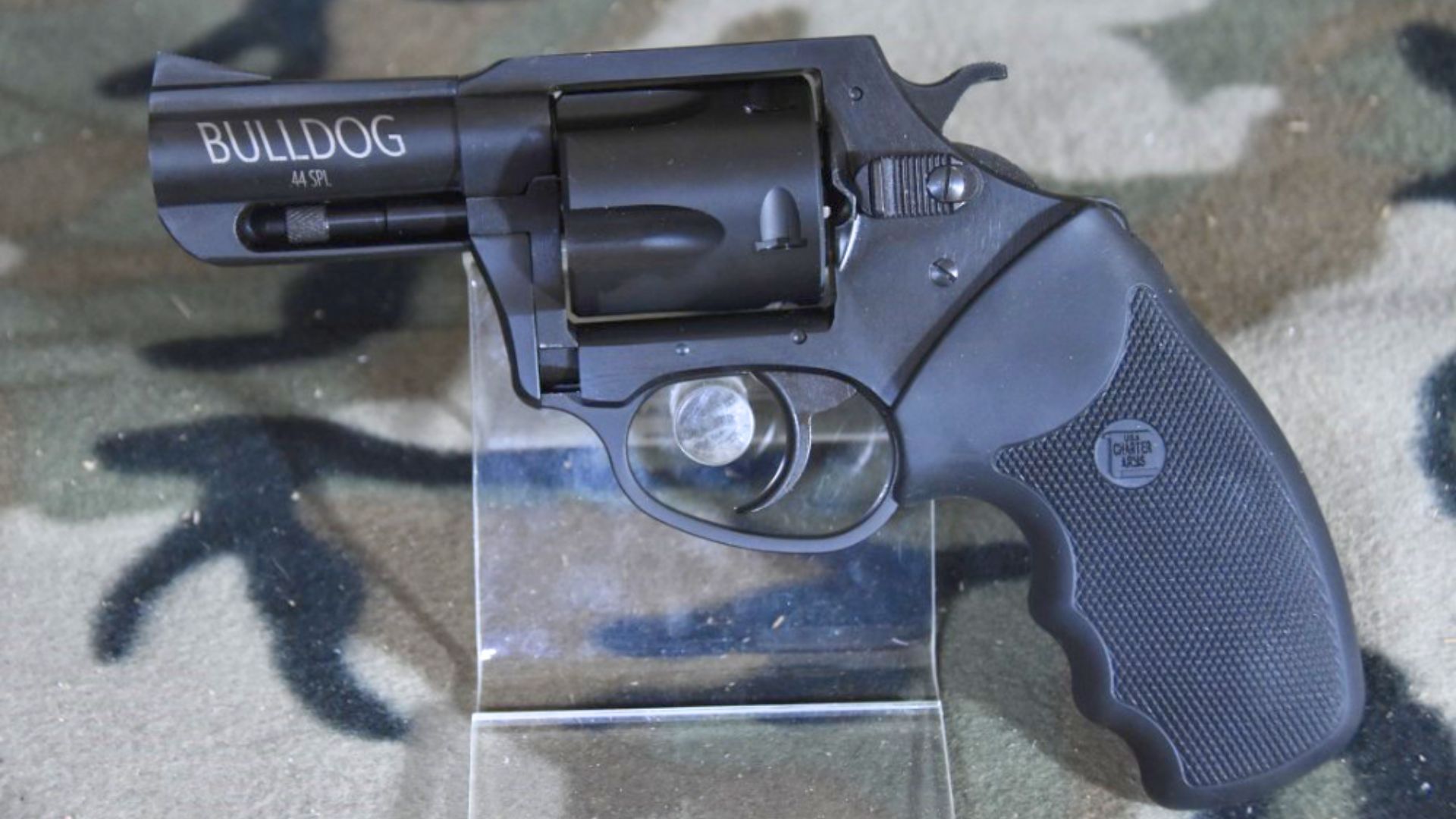
The Bulldog still gets defended because it represents a kind of rough, stripped-down, big-bore practicality that buyers love in theory. It feels like the anti-polished revolver, the thing a no-nonsense person would choose. That image has helped the model keep more reputation than its real-world performance and long-term confidence level would always justify.
A lot of people talk themselves into believing the concept alone makes the gun great. Then time, shooting, and comparison start asking harder questions. Does it really hold up against stronger revolvers? Does the ownership experience really feel as convincing as the sales pitch in their head? The reputation often survives because the fantasy is still easier to defend than the reality.
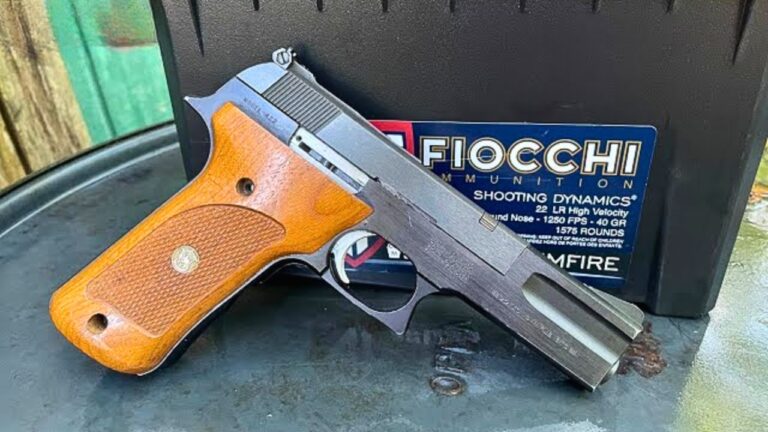
SIG Mosquito

The SIG Mosquito still gets defended mostly by people who wanted the name to make more of a difference than it did. It looked like a fun trainer, wore a respected badge, and gave buyers the sense that they were getting a little SIG-branded rimfire version of something serious. That was enough to create a reputation well beyond what the pistol actually earned.
The longer people lived with it, the shakier that reputation looked. Even so, there is still a stubborn strain of loyalty around it that sounds more like brand protection than honest evaluation. The model gets defended because people still want the idea of a SIG rimfire trainer to feel smarter than it often turned out to be.
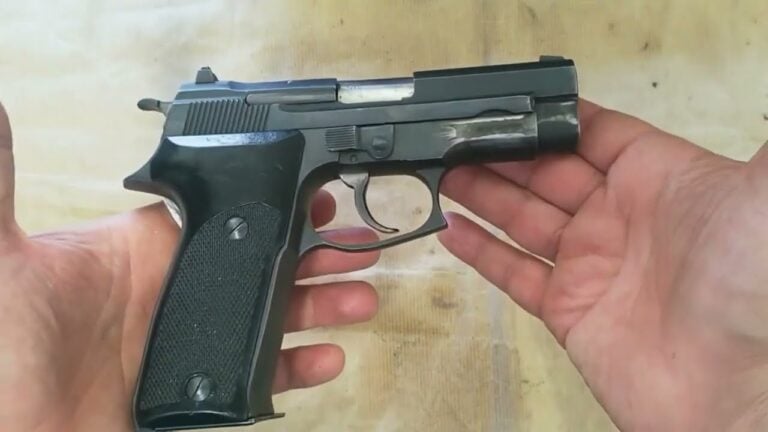
AMT Hardballer
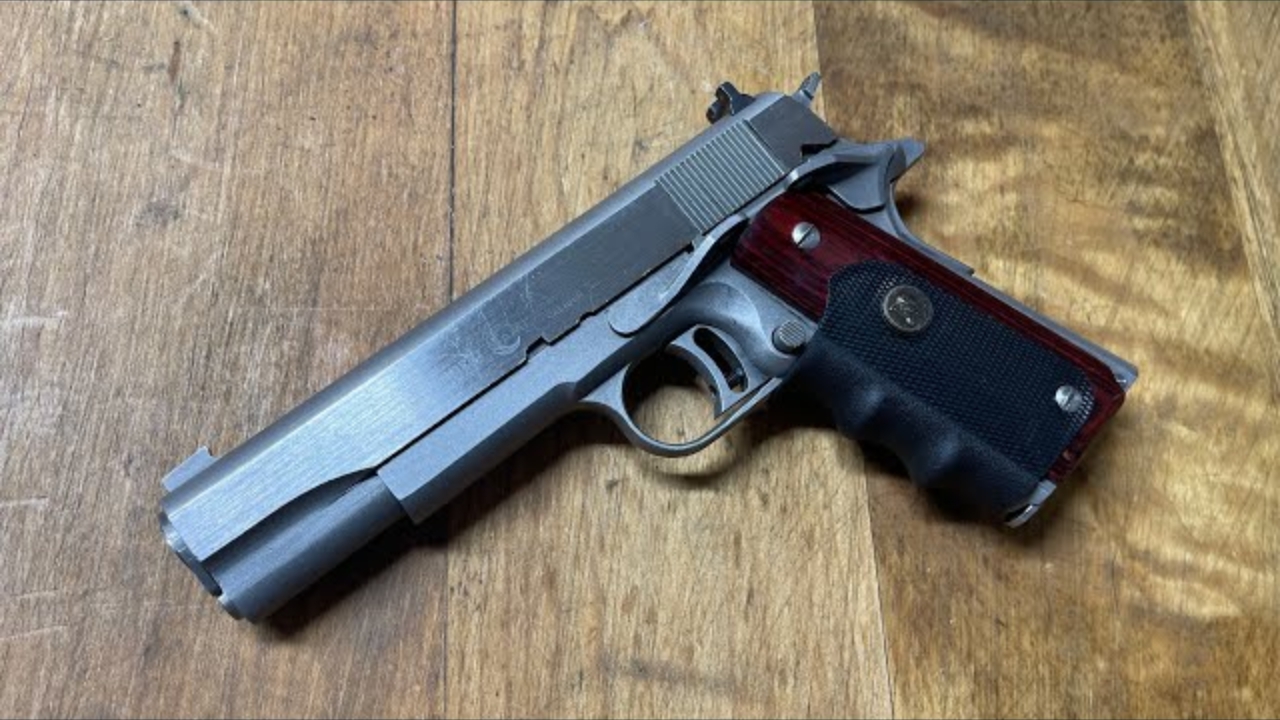
The AMT Hardballer keeps getting defended because it looks like the sort of stainless 1911 a serious shooter is supposed to appreciate. It has the right outline, the right caliber identity, and just enough cult appeal to make owners feel like they see something other people are too shallow to understand. That is a powerful shield for any model.
But the reputation tends to float higher than the actual ownership satisfaction. A lot of what keeps the Hardballer alive is that it sounds cool to defend. It feels like a model for people with taste. The problem is that taste and performance are not always the same thing, and this is one of those guns where the reputation often leans much harder on image than results.
Bond Arms Derringer
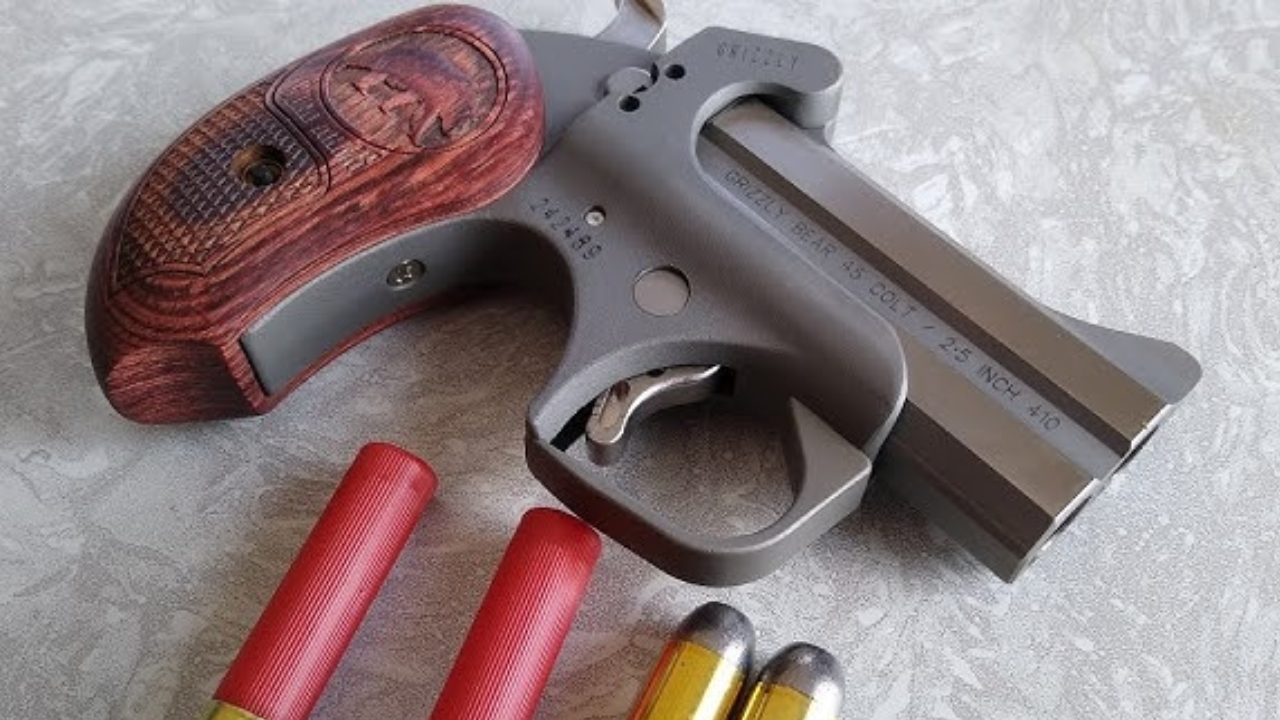
Bond Arms derringers still get defended like they are rugged little deep-carry masterpieces instead of what they usually are: extremely niche handguns with a lot of concept doing the work. Buyers love the tiny size, the heavy construction, and the feeling that they found some old-school backup-gun answer modern shooters do not appreciate enough.
That is exactly what keeps the reputation inflated. Once you start measuring the platform by actual shootability, actual speed, and actual real-world usefulness, the whole thing gets much less romantic. But people keep defending them because they admire the idea of ruggedness in miniature. The model survives on attitude much more than performance.
Walther P22
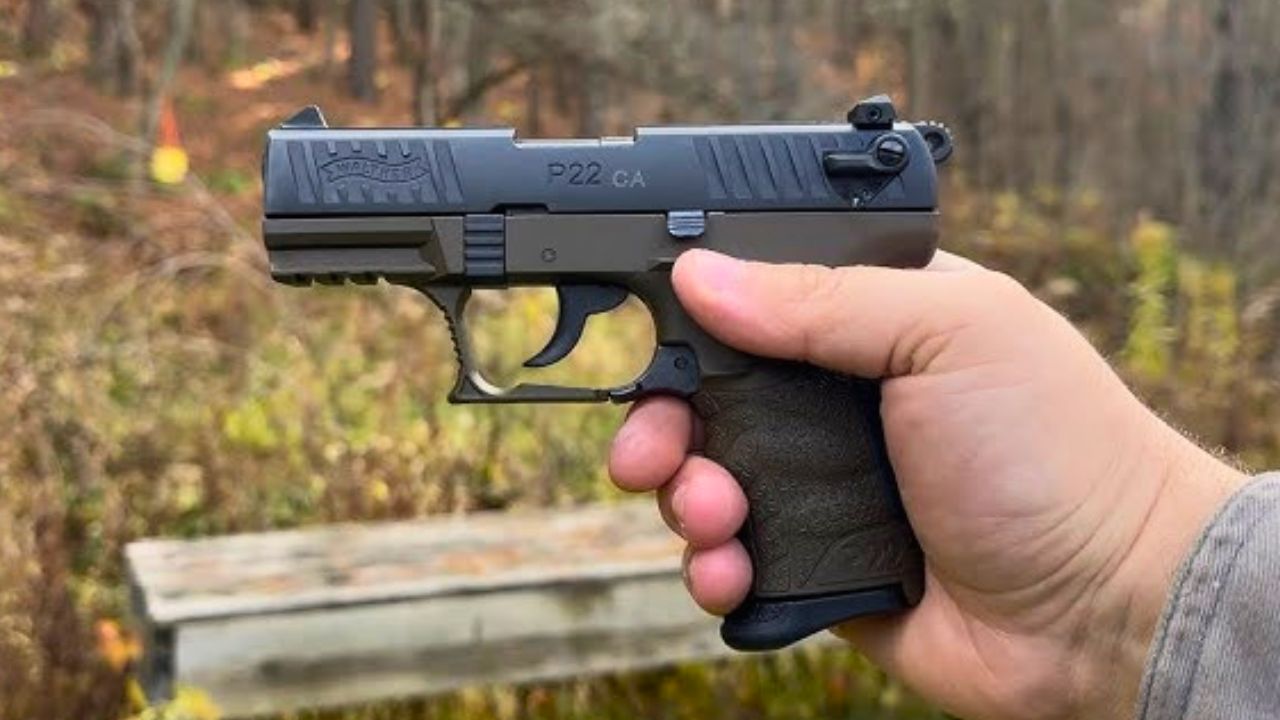
The Walther P22 still gets protected because it arrived with the sort of sleek little tactical-rimfire energy buyers love. It looked like a fun trainer, a modern plinker, and the sort of pistol that should have been an easy win. That early reputation has had a long afterlife, especially among people who remember what they wanted it to be.
The issue is that wanting a model to be a smart choice and it actually being one are very different things. Yet the P22 still gets defended like the original appeal should count for more than the ownership reality. A lot of the loyalty sounds like people trying to preserve the memory of the purchase more than honestly evaluating the pistol now.
KelTec Sub-2000
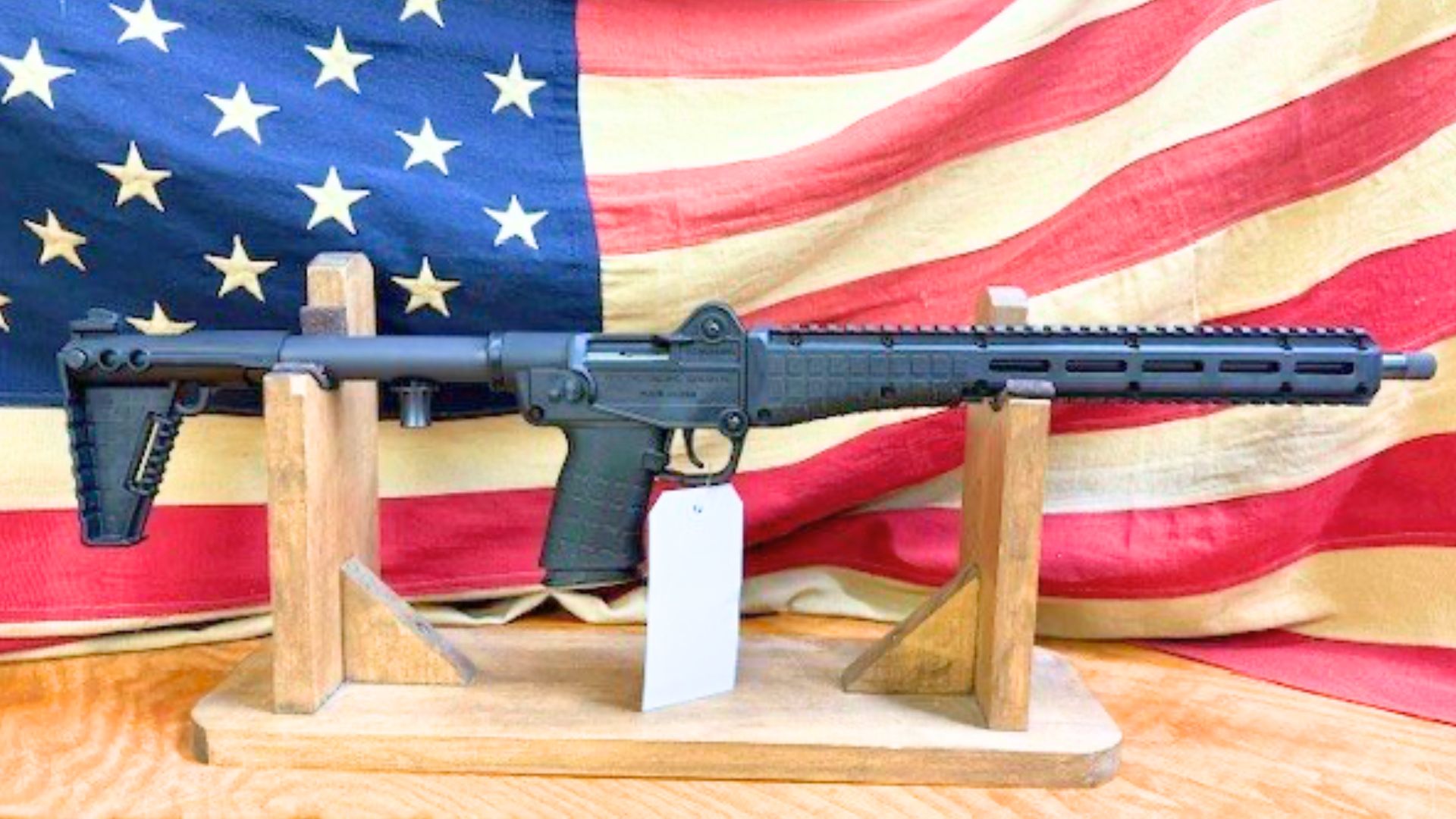
The Sub-2000 still gets praised like cleverness alone should make it untouchable. The folding design, the portability, and the general “look how practical this is” energy gave it a huge reputation boost from the start. Buyers loved feeling like they had found something smarter than ordinary pistol-caliber carbines.
That kind of concept-driven approval can carry a model a long time, even after the practical experience gets more mixed. Owners keep defending it because the idea is still so easy to pitch. But the more you judge it on actual shooting comfort, actual ownership satisfaction, and actual comparison to stronger options, the shakier the old reputation can start to look.
Coonan .357
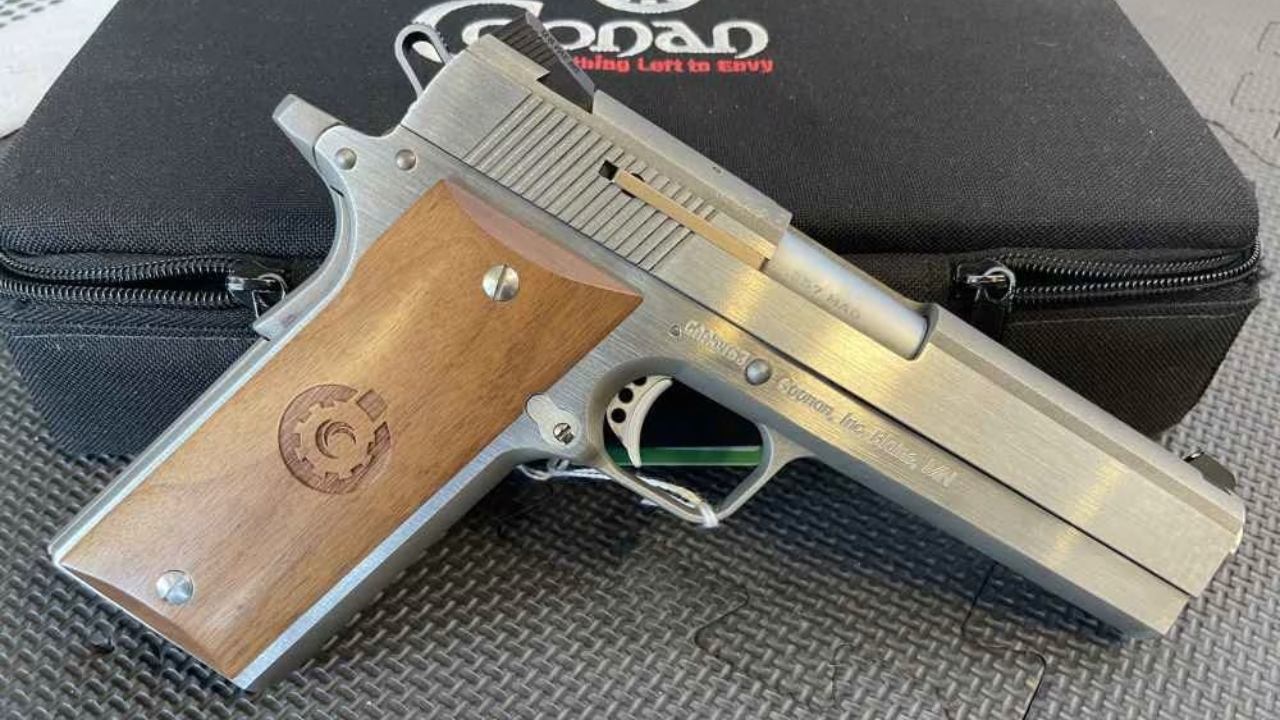
The Coonan keeps getting defended because it is one of those models people desperately want to seem special. A semi-auto .357 Magnum already sounds like the kind of thing gun people are supposed to admire. It is unusual, loud, and loaded with “you just don’t get it” energy, which makes it very easy for the reputation to survive on novelty.
But novelty can only carry a gun so far before the hard questions start showing up. Is this actually one of the smartest handguns to own, or is it simply one of the easiest to talk about? A lot of defenders know the answer, and that is why the explanations get so passionate. The model survives on fascination more than grounded practical respect.
Remington R51
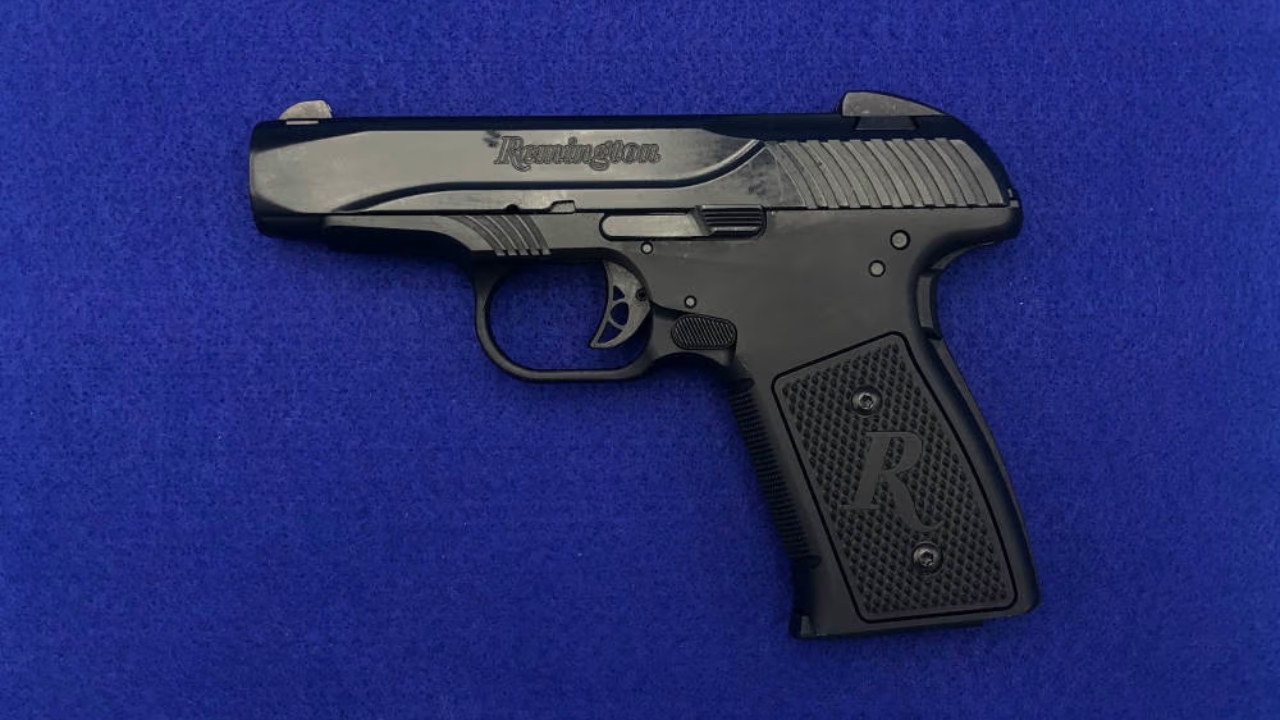
The R51 still gets defended mostly by people who never fully gave up on the story. They liked the idea of a revived old design, liked the styling, and liked the feeling that they were backing something a little more interesting than another ordinary compact pistol. That early hope has kept the reputation alive longer than it probably deserved.
What makes the whole thing feel forced now is that the praise often sounds like it belongs to the launch announcement, not the ownership experience. The R51 still gets treated like it should deserve more respect than it earned, and that is usually what happens when buyers fall in love with the concept first and never really recover from the mismatch.
Like The Avid Outdoorsman’s content? Subscribe to our newsletter so you never miss an article.
Here’s more from us: