Photo credit: fuquaygun1/GunBroker
When you look back at America’s hunting tradition, the shotgun stands tall as a tool that shaped generations of hunters. From the duck marshes to upland bird fields, certain shotguns became legends in the hands of the men who carried them. These weren’t just firearms—they were workhorses trusted by hunters who built their names on skill and reliability. Each of these models played a role in defining how Americans hunted, and they continue to be remembered as the shotguns that earned their place in history.
Winchester Model 21

The Winchester Model 21 was one of the finest American doubles ever built. Introduced in the 1930s, it became the choice of serious bird hunters who valued strength and balance. Its hand-fitted design meant every one of them was built to last, a reason they’re still prized today.
Famed hunters like Nash Buckingham swore by the Model 21. Buckingham carried his for waterfowl, and its durability proved itself through decades of hard hunting. It wasn’t just another shotgun—it was a lifetime partner in the field.
Parker Brothers Shotguns
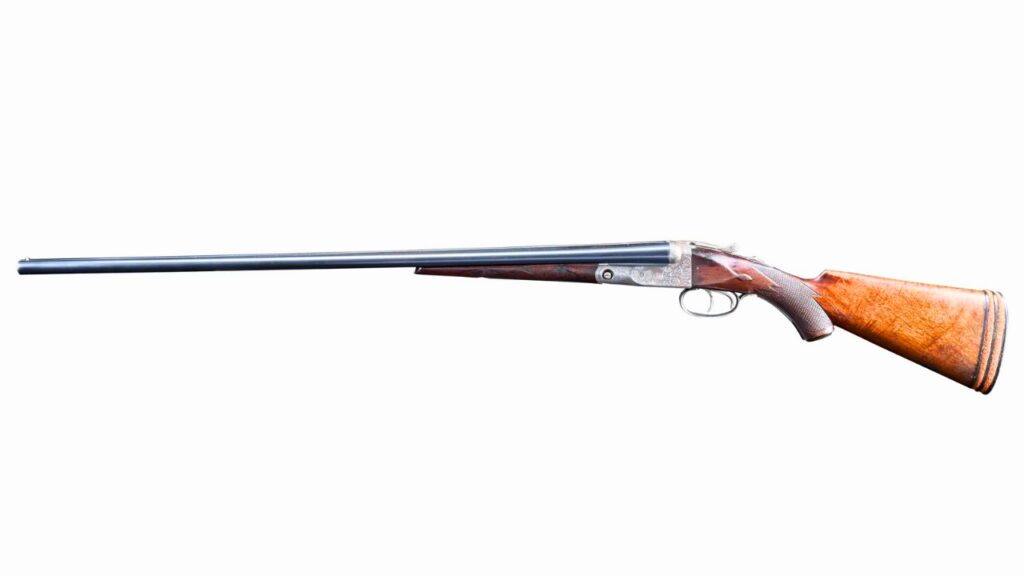
Before Winchester’s doubles took the spotlight, Parker Brothers built some of the most respected shotguns in America. Produced from the mid-1800s to the early 1900s, Parkers were known for their craftsmanship and ability to hold up under long days of shooting.
Prominent hunters, including President Theodore Roosevelt, relied on Parker shotguns for everything from upland birds to ducks. Their popularity set the stage for America’s shotgun culture, and even today, Parkers are viewed as one of the finest classic hunting doubles.
Browning Auto-5
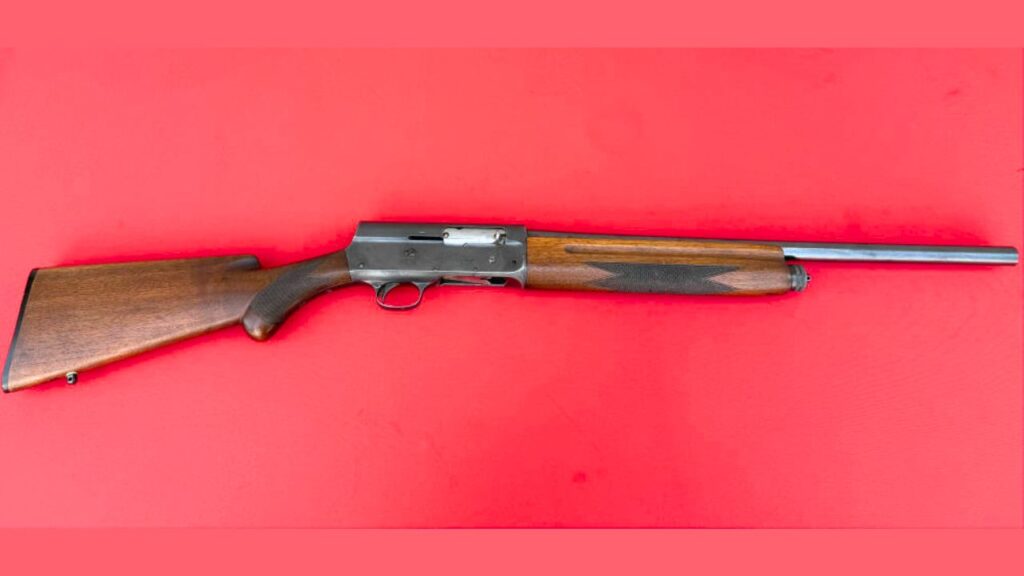
John Browning’s Auto-5 revolutionized the hunting shotgun. Introduced in 1902, it was the first successful semi-auto shotgun, and its long-recoil action set the standard for decades. Hunters quickly realized it meant faster follow-up shots, making it ideal for ducks, geese, and even upland game.
It became a favorite of American hunters through the mid-20th century. Its rugged design and reliability in bad weather made it a household name in waterfowling camps across the country. Few shotguns changed hunting the way the Auto-5 did.
Ithaca Model 37
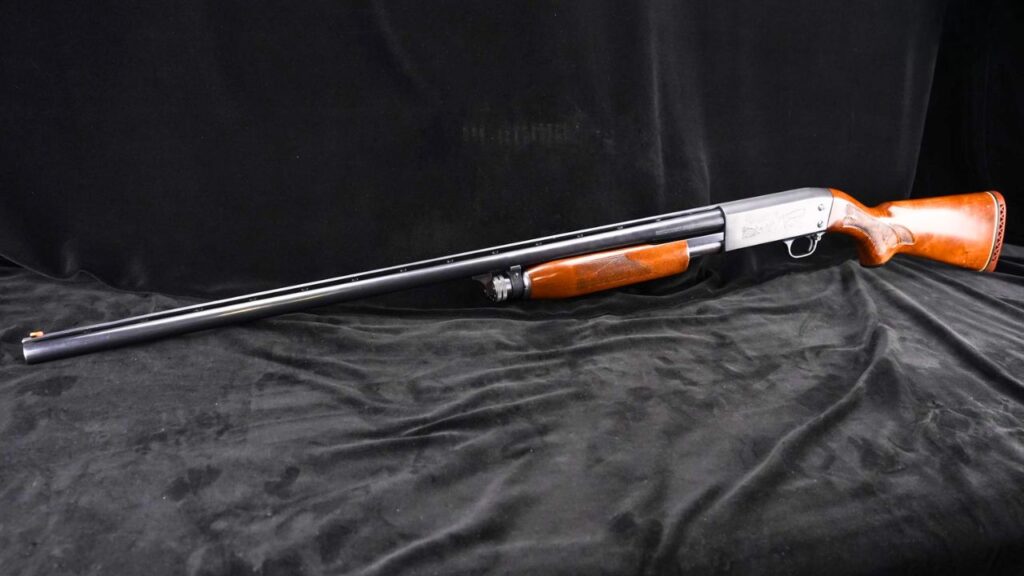
The Ithaca Model 37 gained its reputation as a lightweight, bottom-ejecting pump shotgun. Introduced in 1937, it became popular with hunters who wanted something easy to carry through fields and swamps. Its simple design and smooth action helped it stand the test of time.
Hunters like writer and conservationist Aldo Leopold favored the Model 37, and its popularity stretched from upland birds to ducks. For many, this was the pump gun that could do it all without letting you down.
Remington Model 11
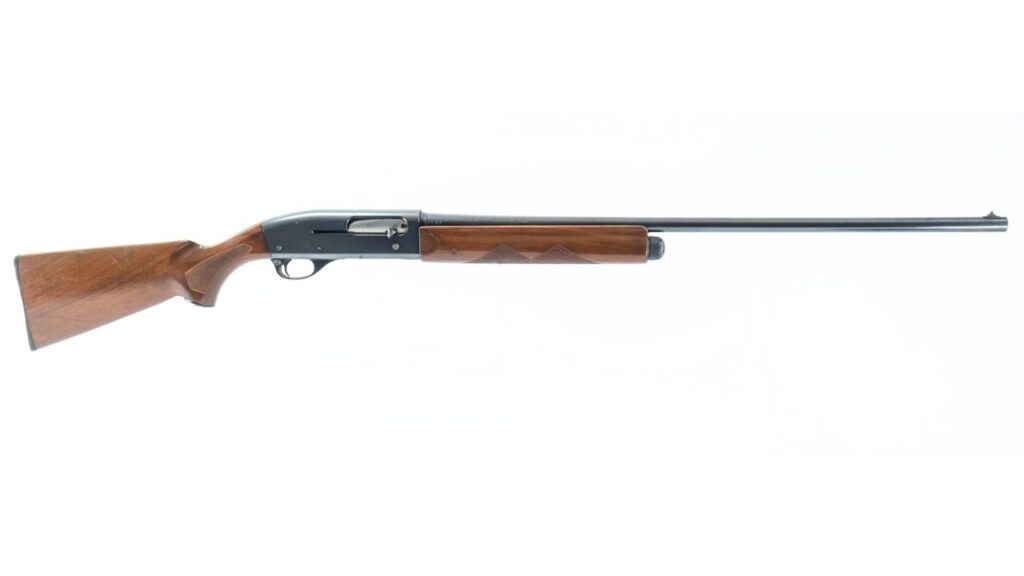
Based on John Browning’s Auto-5 design, the Remington Model 11 brought semi-auto shotguns to countless American hunters at an affordable price. Produced from 1905 through 1947, it became a staple in duck blinds across the country.
It was carried by legendary outdoorsmen like Nash Buckingham before he upgraded to the Winchester 21. The Model 11 proved that semi-auto shotguns could stand up to real hunting conditions, and it became a mainstay for waterfowlers through much of the 20th century.
Fox Sterlingworth
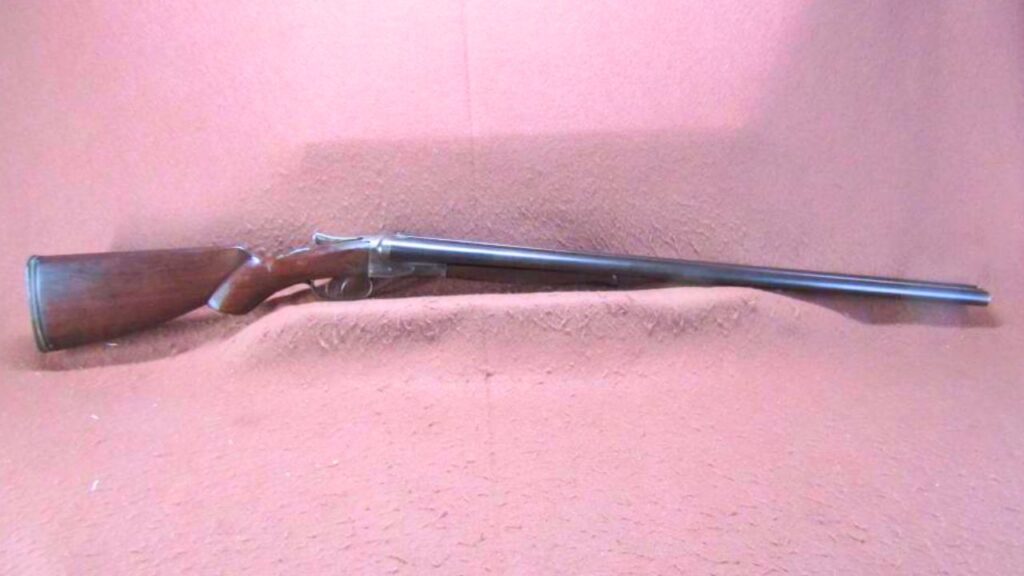
The A.H. Fox Sterlingworth was another American double that earned the trust of hunters in the early 1900s. Built to be strong yet affordable, it offered solid performance without the price tag of higher-end doubles.
Famed hunter Nash Buckingham carried a 12-gauge Fox he nicknamed “Bo Whoop,” and it became one of the most famous shotguns in American history. The Sterlingworth’s reputation for durability and balance cemented Fox’s place as one of the country’s great shotgun makers.
L.C. Smith Shotguns
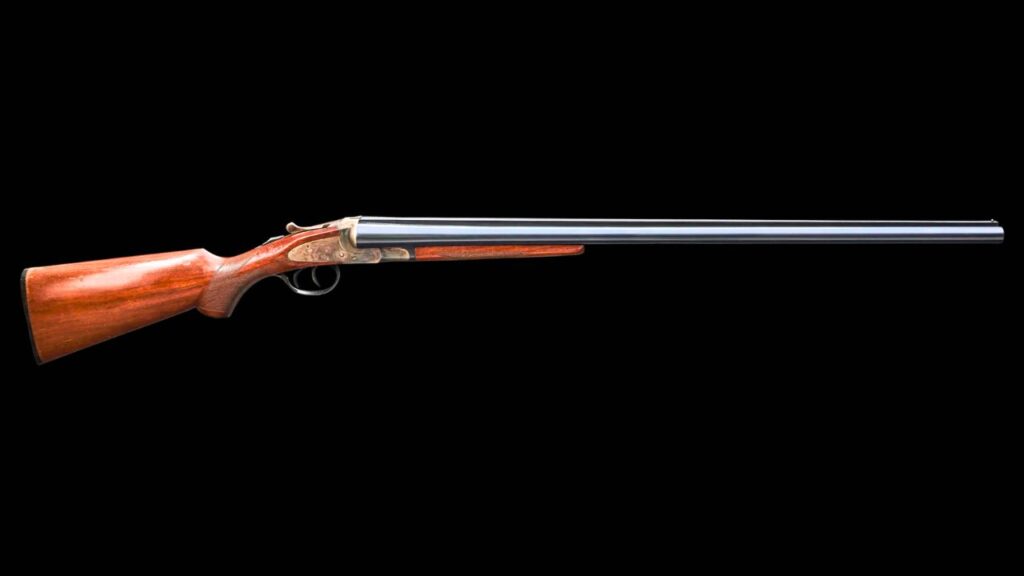
The L.C. Smith brand was known for its side-by-sides, and for decades it stood alongside Parker as one of the most respected American shotgun makers. Built from the late 1800s into the mid-1900s, they were carried by bird hunters across the country.
Famous figures like Annie Oakley used L.C. Smiths, and their balance made them ideal for both field and sport shooting. While production eventually ended, their legacy remains tied to America’s golden age of hunting doubles.
Winchester Model 12
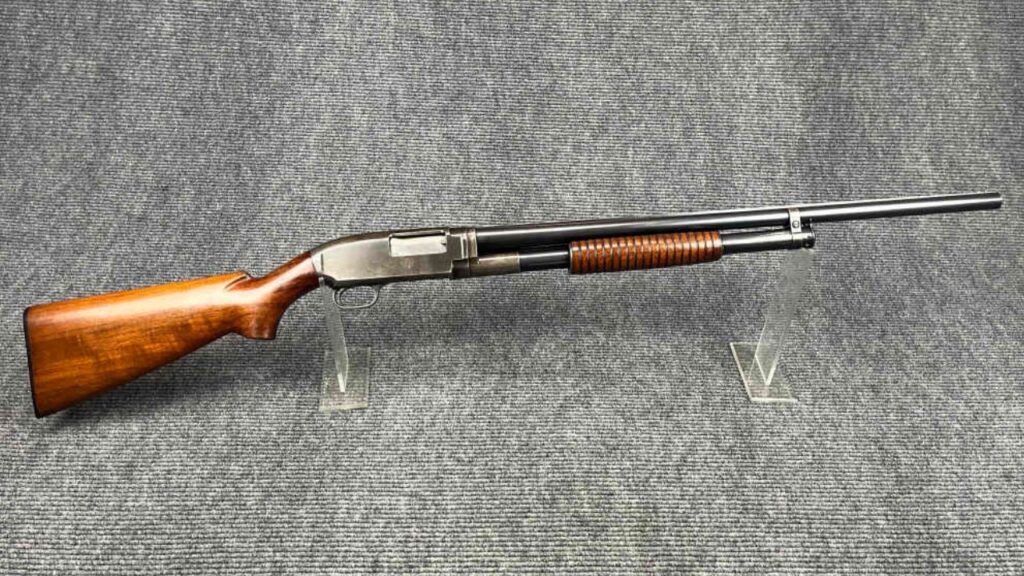
The Winchester Model 12 is often called “the perfect pump,” and for good reason. Introduced in 1912, it became the go-to shotgun for generations of hunters. Its smooth action and durability made it equally at home in duck blinds, pheasant fields, and even trap ranges.
Hunters like Nash Buckingham also praised the Model 12, and its widespread use speaks for itself. By the mid-20th century, if you walked into a hunting camp, odds were high you’d find a Model 12 leaning against the wall.
Remington 870

Introduced in 1950, the Remington 870 quickly became the best-selling pump shotgun in America. Known for its rugged design and reliability, it was favored by hunters chasing everything from rabbits to ducks and deer. Its versatility made it a household name across generations.
Great hunters from every corner of the country carried the 870, and it built a reputation as a shotgun you could always count on. Decades later, it remains one of the most trusted hunting shotguns ever built.
Browning Superposed
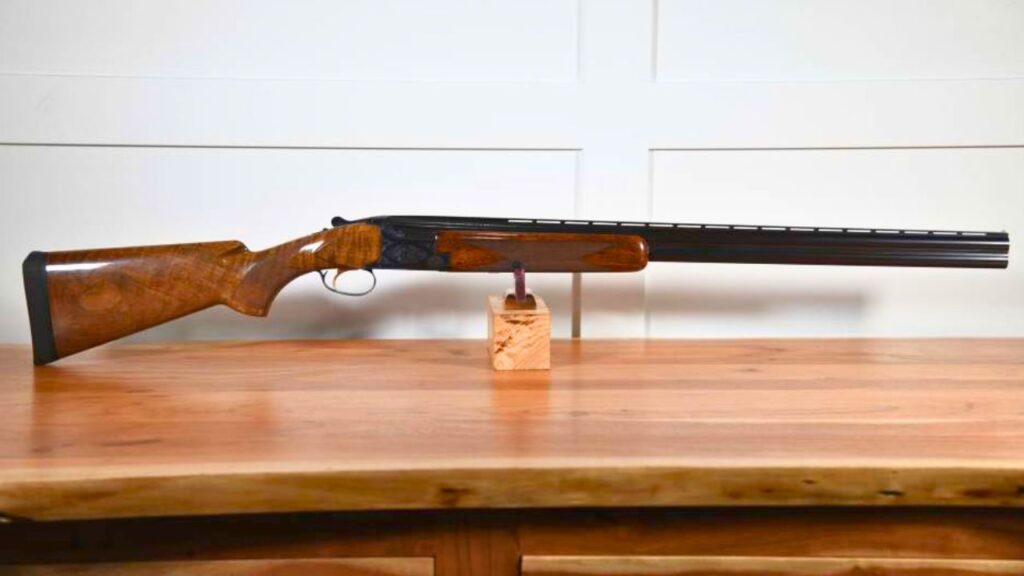
John Browning’s last design, the Superposed over-under, was introduced in the 1930s and became one of the most respected shotguns in upland and clay shooting. Its balance and craftsmanship made it a favorite for bird hunters who valued quick, accurate shooting.
It was carried by serious hunters and sportsmen who wanted something that could perform and last. The Superposed influenced the entire over-under market, and its place in history remains secure as one of the most important shotguns of the 20th century.
*This article was developed with AI-powered tools and has been carefully reviewed by our editors.