Photo credit: Nataliia Yankovets/Shutterstock.com
Most new carriers don’t stop carrying because they change their mind about self-defense. They stop carrying because carrying becomes inconvenient, uncomfortable, and mentally tiring—then life gets busy and the habit dies. The most common reason new carriers quit is they never build a carry setup that fits their real day-to-day life, so every time they strap the gun on it feels like a hassle instead of a normal routine. That discomfort isn’t just physical. It’s mental. They’re constantly adjusting, constantly worrying about printing, constantly thinking about the gun in the worst way, and eventually they decide the easiest solution is leaving it at home “just this once.” Then “just this once” becomes the pattern.
This is why you see the same story over and over: people buy a gun, buy a holster, carry for two weeks, and then fade out. The gear might not even be terrible. It’s just not dialed in for their body, their clothing, their schedule, and their tolerance for friction. Carry only becomes a long-term habit when it becomes boring. If carrying feels like a special event, most people won’t stick with it.
The setup is usually wrong before the mindset ever fails
A new carrier often chooses gear based on what looks good online or what someone else carries, not what works for them. Then they discover the hidden tax: bad belt, cheap holster, wrong ride height, wrong cant, wrong placement, and a gun choice that doesn’t match their lifestyle. If the gun pokes when they sit, shifts when they walk, or prints when they bend over, they spend the day thinking about it. That constant attention is exhausting. Experienced carriers don’t “tough it out.” They refine the setup until it disappears into their routine. New carriers rarely do that before they quit.
A big one is belts. People underestimate how much a good belt changes the whole experience. A flimsy belt makes the gun sag, move, and feel heavier than it is. That movement is what creates discomfort and self-consciousness. Then the carrier blames the gun instead of the platform supporting it. Once they’ve had a couple bad days, they don’t want to repeat them.
Printing paranoia kills the habit faster than discomfort does
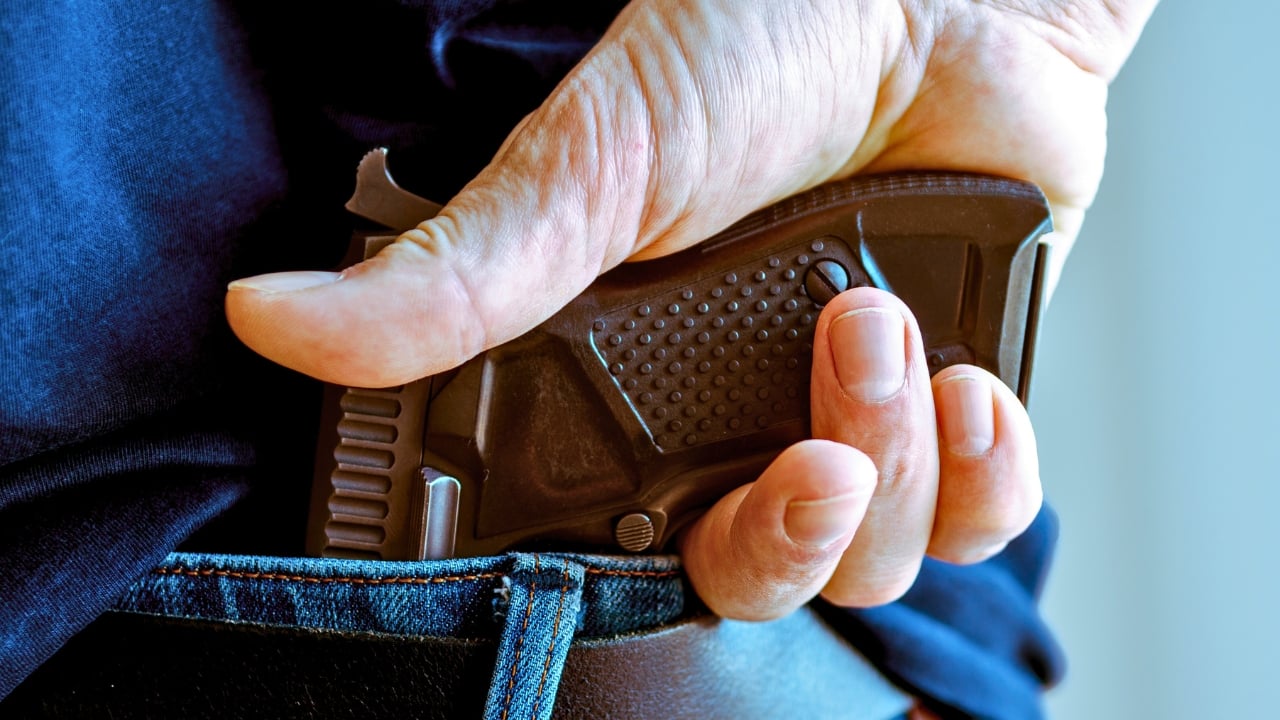
New carriers are convinced everyone can see their gun. Most of the time, nobody notices. But the carrier notices, and that’s enough. They keep tugging their shirt, shifting their posture, avoiding normal movements, and mentally scanning reactions in public. That’s not sustainable. The goal is not “hide perfectly forever.” The goal is to carry in a way that you can live normally and not obsess about it. When someone never gets past printing paranoia, they stop carrying because carrying becomes a constant mental load.
This is why “deep concealment” guns sell so well to new carriers. They think smaller automatically equals easier. Sometimes it does. Sometimes it just creates a gun they hate shooting and a setup they still don’t trust. Then they end up not carrying anyway. The actual fix is usually better clothing choices, better holster placement, and less overthinking—not a smaller gun.
They don’t train enough to feel confident, so carrying starts feeling pointless
Confidence comes from reps. Most new carriers don’t shoot enough, don’t practice drawing, and don’t practice cold starts. So even if they carry, they’re not sure they can actually use the gun well. That insecurity creates a weird pressure. Carrying starts to feel like pretending. When people feel like they’re pretending, they avoid the thing that exposes it. That’s why training isn’t optional for habit-building. You don’t need to be a high-speed guy, but you do need enough familiarity that the gun feels like a tool, not a mystery.
A simple routine fixes this: short dry fire sessions, a handful of cold draws at the range, and some basic standards to track progress. A timer and targets help make it real instead of vibes. If you need basic gear for that, you can grab training targets and a shot timer at Bass Pro Shops, but the real goal is consistency. A little training done regularly beats a big training day once every six months.
The social friction wears them down
A lot of new carriers quit because they don’t want the conversation. They’re worried about friends noticing, family opinions, or awkward moments. They don’t want to navigate “Can you carry there?” questions. They don’t want to adjust their routine. So the gun becomes one more thing they have to manage, and eventually they simplify their life by leaving it behind. Experienced carriers have already solved this friction. New carriers are still wrestling with it.
This doesn’t mean they’re weak. It means they didn’t plan for the social side of carrying. Carry is a lifestyle decision. If you treat it like a purchase, you’ll quit when the novelty wears off.
Like The Avid Outdoorsman’s content? Subscribe to our newsletter so you never miss an article.
Here’s more from us: