Photo credit: Thaiphoto/Shutterstock.com
If you’ve ever stood in front of a wall of ammo at the store wondering whether to grab hollow points or full metal jacket rounds, you’re not alone. It’s not just about price—these bullets are designed for different purposes, and using the wrong one could be a real mistake depending on what you’re doing. Whether you’re hitting the range or thinking about self-defense, knowing when to use each type matters.
Let’s break it down so you can make the right call next time you’re loading up.
What Is a Hollow Point?

A hollow point is a bullet with a little dip or “hollow” in the tip. That design isn’t just for looks—it helps the bullet expand when it hits something. The idea is to stop the threat faster and reduce the chance of the bullet passing through and hitting something (or someone) else.
Because of that expansion, hollow points are commonly used for self-defense. They dump their energy into the target instead of sailing right through. That makes them more effective at stopping power while being a bit safer in terms of over-penetration.
What Is an FMJ?
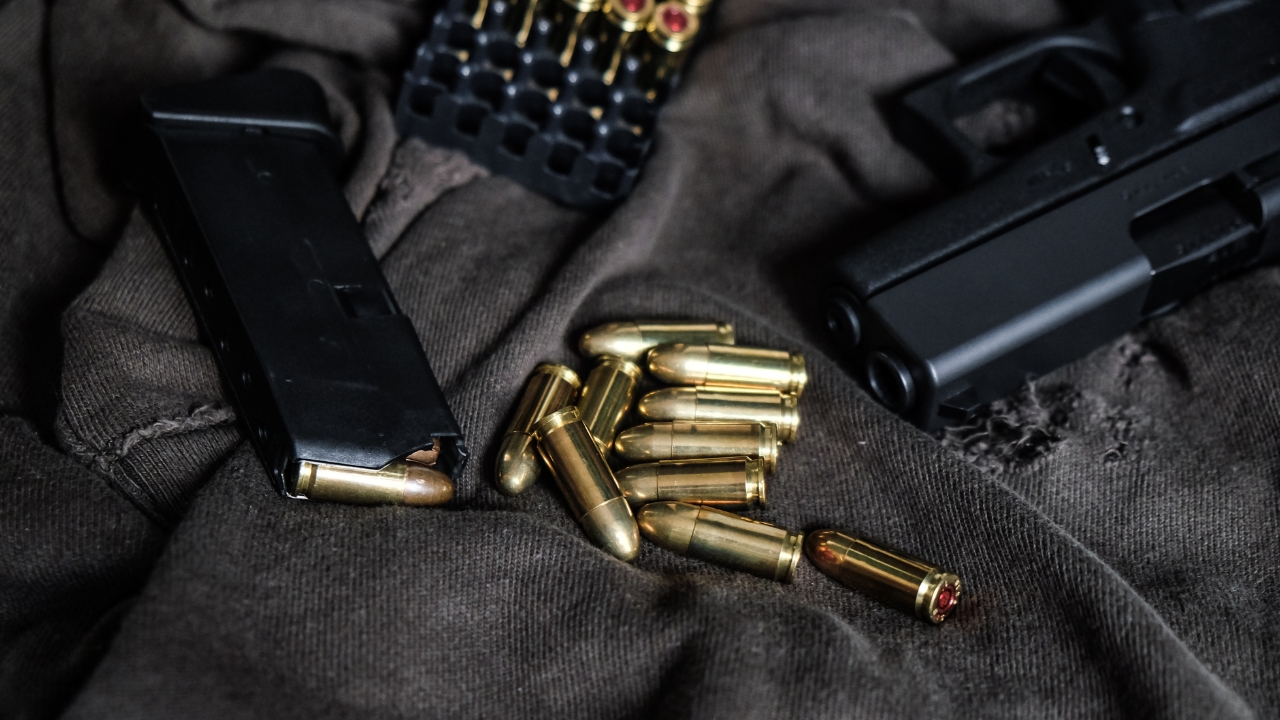
FMJ stands for Full Metal Jacket. It’s a bullet with a lead core wrapped in a harder metal shell, usually copper. These rounds don’t expand much—they’re built to stay together and punch through targets cleanly.
FMJs are your go-to for the range. They’re cheaper, easier to find in bulk, and work great for practice. Just keep in mind they’re more likely to pass through a target, so they’re not ideal for home defense or crowded environments.
When to Use Hollow Points

Hollow points are meant for self-defense. If you’re carrying for personal protection or using a firearm for home defense, this is the round you probably want in the mag. It’s designed to stop a threat quickly and not over-penetrate.
They’re more expensive, but that’s not where you want to cut corners. You don’t need to train with hollow points every session, but it’s smart to test a few through your gun to make sure they cycle reliably.
When to Use FMJs

FMJs are perfect for range time, target practice, and breaking in a new gun. They’re cheaper per round, so you can shoot more without feeling like you’re burning through cash. Most people train with FMJs and keep hollow points loaded for serious use.
If you’re shooting at paper or steel, this is the round for the job. Just be mindful of your backstop—since FMJs can zip through more than you might expect, safe shooting conditions are a must.
Why Hollow Points Are Better for Self-Defense

The key reason people choose hollow points for defense is how they behave on impact. They expand, slow down, and stay in the target. That means more stopping power and less risk to others around you.
With FMJs, the bullet could go through the target and keep traveling. That’s a real problem in a defensive situation where walls, neighbors, or bystanders might be nearby. Hollow points help reduce that risk.
Why FMJs Make More Sense for Training

Training is all about repetition. You want to run drills, practice your draw, and burn through enough ammo to build muscle memory. That’s where FMJs shine—they’re cheap, consistent, and won’t wreck your wallet after a long range day.
They feed well in most firearms, too. You can put hundreds of rounds downrange with FMJs and still afford to eat dinner after. Save your hollow points for serious carry use and occasional reliability testing.
*This article was developed with AI-powered tools and has been carefully reviewed by our editors.