Photo credit: Boykin Arms/GunBroker
Firing out of battery is one of those failures you don’t want to experience firsthand. It means the gun discharges before the slide or bolt is fully locked, which can result in blown cases, damaged parts, or worse. Most modern firearms are designed to prevent it, but certain guns—especially those with worn parts, bad tolerances, or sketchy designs—have a record of doing it anyway. If you’re running one of these, keep a close eye. Because when they go out of battery, they don’t ask for permission.
Springfield Hellcat

The Hellcat is a popular micro 9mm, but early reports pointed to possible out-of-battery discharges. While not widespread, enough users experienced it during chambering or slide manipulation that it raised concerns. Some had it go off when easing the slide forward—not ideal.
Most of the issues stemmed from tolerances in the striker and sear system, especially if the slide wasn’t fully in battery. Springfield has since made refinements, but if you’ve got an early model or a high-round-count gun, it’s worth being cautious.
Remington R51

The R51’s weird delayed-blowback design already gave it a rocky start, but one of its biggest flaws was inconsistent battery lockup. Some users experienced out-of-battery detonation due to poor slide-to-barrel fit or a misaligned breech block.
Remington tried to patch it up in Gen 2, but the trust was gone. If you’ve got one, inspect the internals and don’t assume everything’s in spec. This isn’t a range toy that forgives rough handling—it’s one that punishes it.
Taurus PT709 Slim
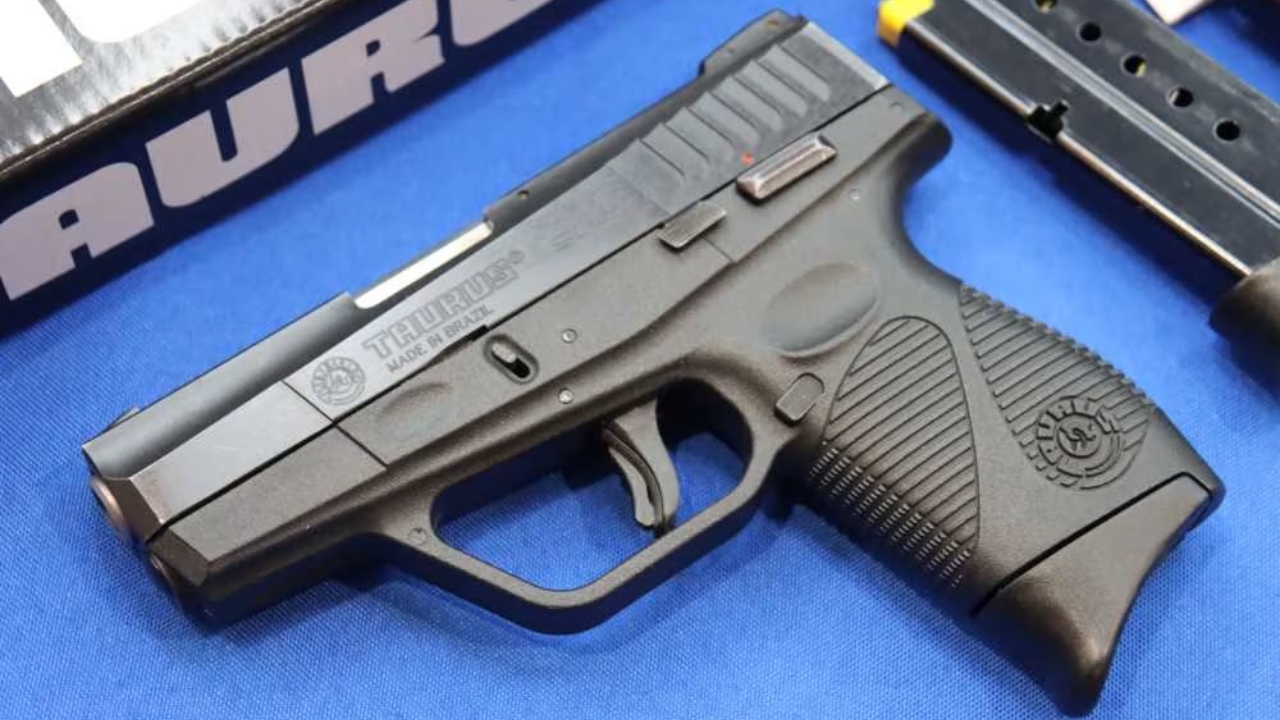
The PT709 was Taurus’ answer to the slim carry pistol craze, but it had its fair share of functional problems. One of them? Reports of out-of-battery discharge when a round was partially chambered but the trigger still broke.
This was often due to wear in the striker assembly or poor reset mechanics. Even a slightly out-of-spec chamber could cause the gun to fire without full lockup. It’s been discontinued for good reason, and you’re better off finding something that’s been vetted more thoroughly.
Kel-Tec P11
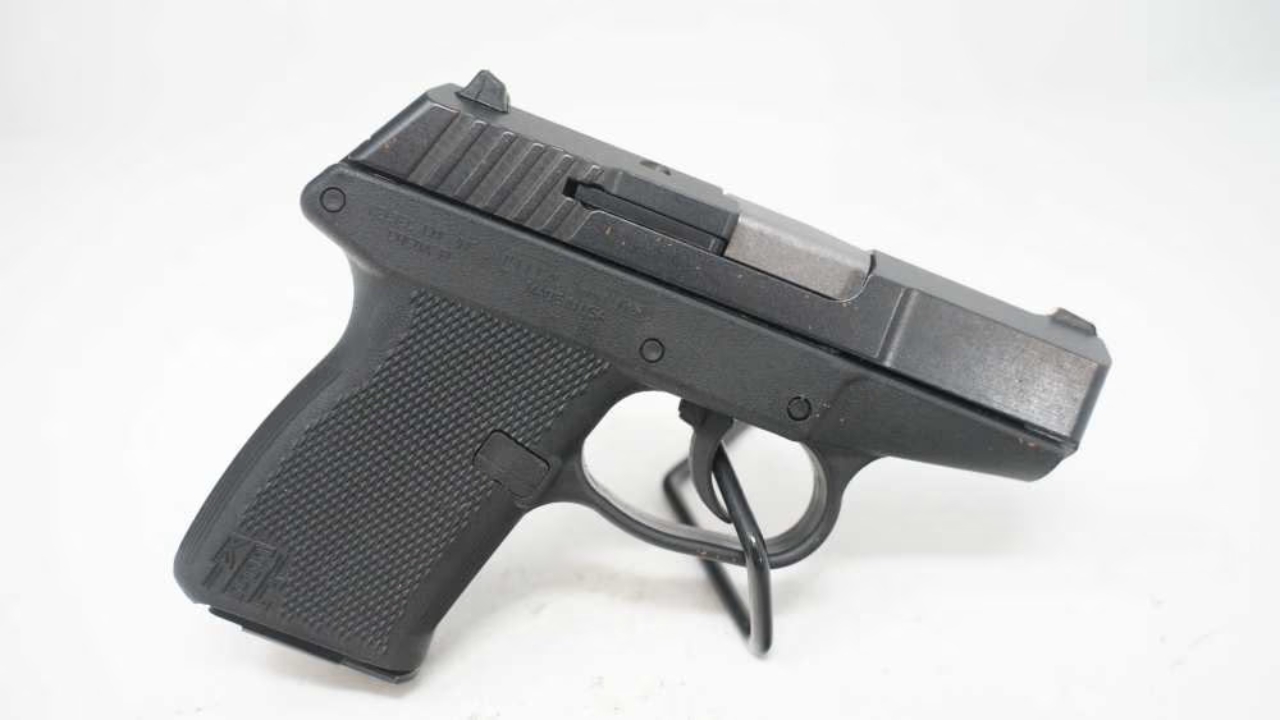
The P11 is small, light, and rough around the edges—and that’s where the trouble starts. Some users noted that with worn springs or debris in the action, it could fire slightly out of battery, especially with hand-racked chambering.
It’s not a common event, but when it happens, it’s a hard reminder of why tight tolerances matter. The heavy DAO trigger doesn’t prevent mechanical failure. Keep it clean and maintained if you’re still carrying one—better yet, upgrade.
Beretta Tomcat 3032

The Tomcat’s tip-up barrel design makes chambering easy, but that system brings its own quirks. If the slide isn’t fully seated or the locking lug wears down, some older Tomcats have fired without fully locking into battery.
It’s a .32 ACP, so the risk isn’t explosive, but it’s still enough to matter. A weak locking mechanism combined with a light round creates a recipe for premature ignition. It’s handy for pocket carry, but only if the mechanism’s still tight.
Cobray M11
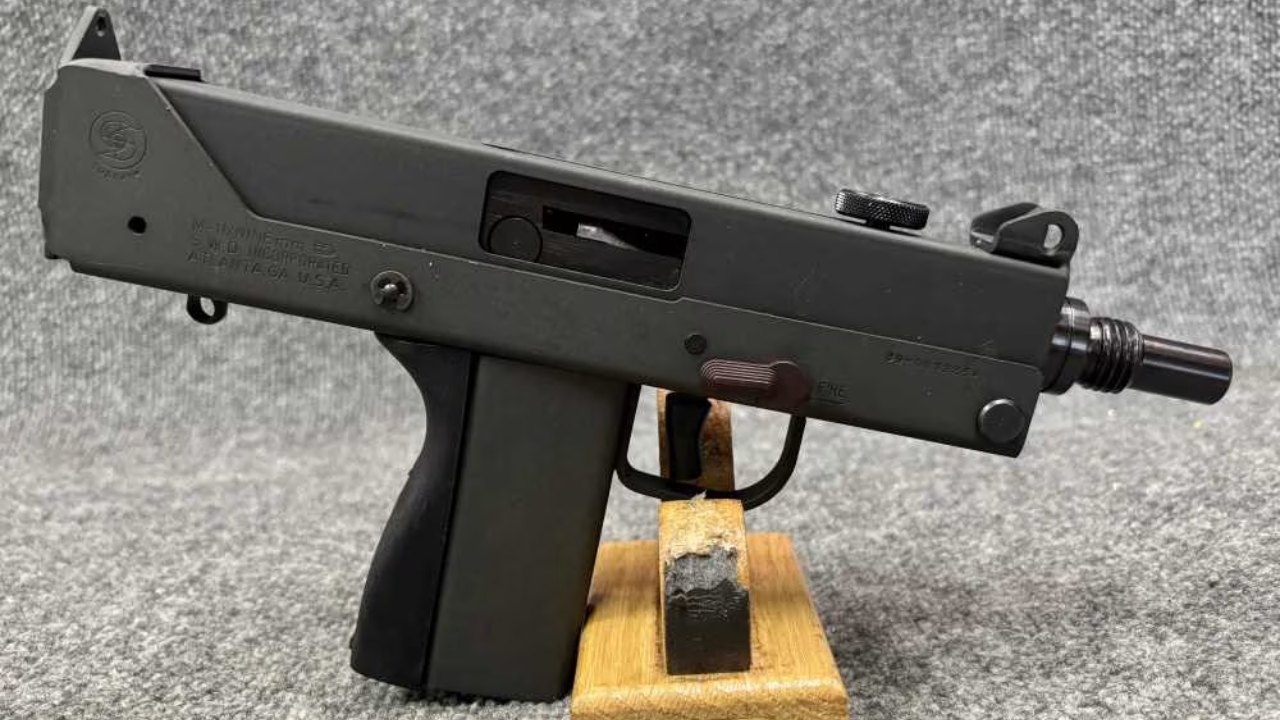
The M11 and similar MAC-11 clones weren’t exactly built with precision in mind. In fact, some builds are notorious for firing when slightly out of battery due to worn sear engagement or rough trigger work.
Many of these were slapped together during import waves or DIY kits. If you’ve got one, test that safety engagement and check the bolt return speed. They might feel like range toys, but an OOB detonation can ruin the day fast.
SCCY CPX Series
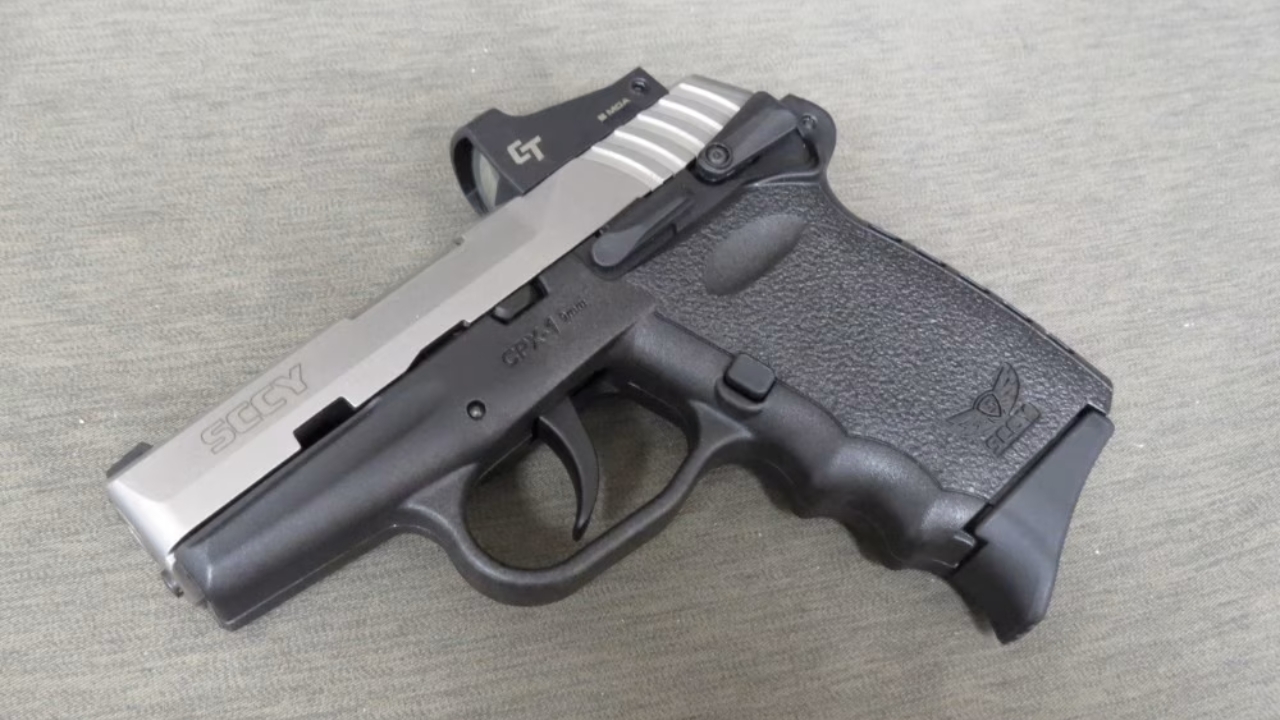
SCCY pistols are budget-friendly and lightweight, but they’ve had a mixed track record with safety. There have been claims of CPX-1 and CPX-2 pistols firing out of battery due to striker misalignment or slide movement during ignition.
This isn’t something most shooters expect out of a brand-new carry piece. While not every unit has issues, enough surfaced online and in repair shops to make people pause. If you carry one, verify it’s locking up tight before trusting it.
Century Arms C39V2

This U.S.-made AK had a lot going for it—until shooters started reporting cycling and lockup issues. One particular concern? Soft bolt carriers or trunnions that allowed the bolt to fire slightly before full lockup.
The AK action is generally reliable, but bad metallurgy throws that out the window. In some reported cases, cracked trunnions and misaligned bolts led to OOB firing. For a rifle that markets itself on dependability, that’s a dealbreaker.
FMK 9C1 G2
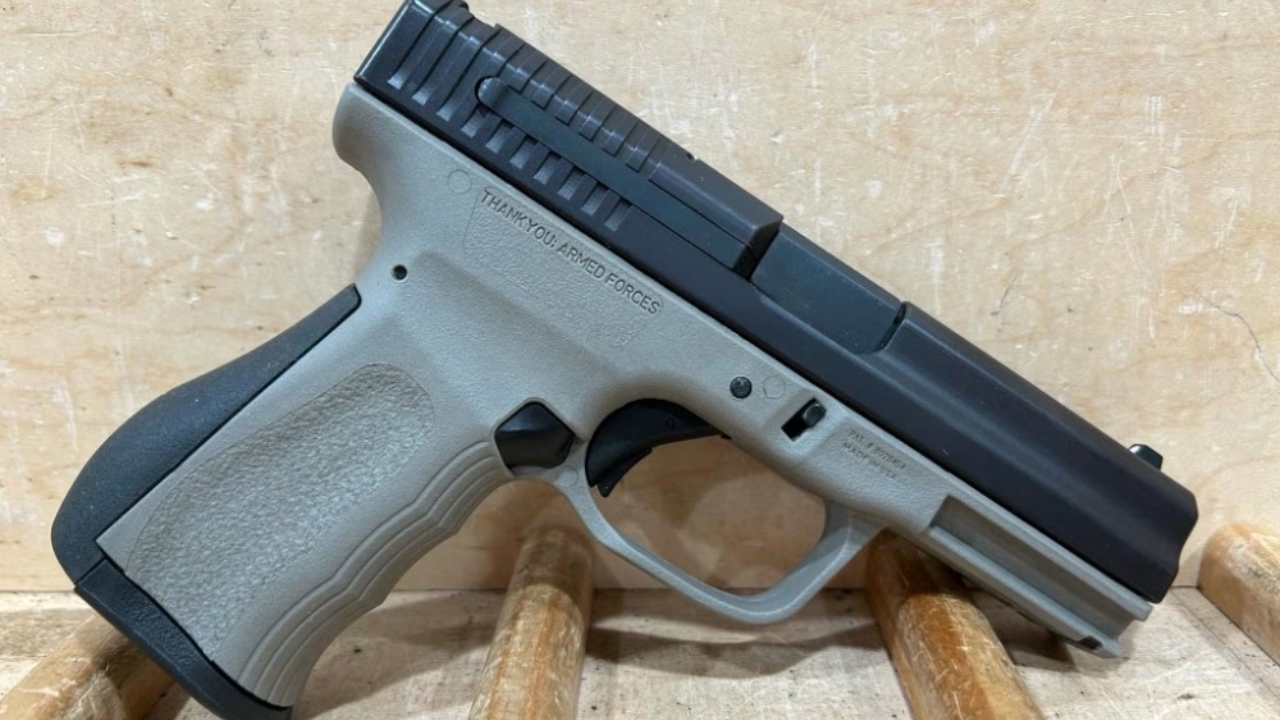
The FMK 9C1 G2 tried to be a budget Glock competitor, but it cut corners in ways that caught up with it. Some shooters reported that with certain ammo, the gun could discharge during out-of-battery situations—usually after half-racking or improper chambering.
The issue wasn’t just with the ammo; it was tied to loose tolerances and a striker system that wasn’t always consistent. If you’re using this pistol, don’t shortcut the function check. There’s a reason you don’t see many in serious circles.
Zastava M70A (Tokarev Clone)

These Tokarev-style pistols have a reputation for hard-hitting, no-frills performance—but the Zastava M70A clone occasionally showed some sketchy behavior. Reports surfaced of light primer strikes triggering out-of-battery ignition, especially with worn or dirty internals.
The Tokarev design isn’t known for passive safeties, and the clone didn’t improve much in that department. With hot surplus ammo and loose tolerances, this is one of those guns where you keep it cleaned, lubed, and in-spec—or leave it parked.
*This article was developed with AI-powered tools and has been carefully reviewed by our editors.