Photo credit: big daddy hoffman 1911/YouTube
A handgun can look perfectly sensible for home defense when you are standing at a counter, reading specs, or shooting slow groups in broad daylight. That is where a lot of bad assumptions get made. The problem is that a defensive shooting at home is more likely to involve poor light, rushed decision-making, shaky hands, awkward angles, and the kind of adrenaline that makes fine motor skills harder than people want to admit. A gun that feels “practical” in calm conditions can start showing its weaknesses fast once all that hits at once.
That does not mean every handgun on this list is a bad gun. Some are good carry guns. Some are fine range guns. Some even work well in the right hands. The issue is that buyers often treat them like obvious home-defense answers without thinking through what happens when sight picture, recoil control, reloads, and manipulation all get harder. Under stress and in low light, the wrong handgun can stop feeling practical in a hurry.
Ruger LCP

The Ruger LCP makes sense to a lot of people because it is small, affordable, and easy to stash in a drawer or nightstand. On paper, that sounds practical. In real low-light home-defense conditions, though, the same traits that make it convenient also work against you. The tiny grip, short sight radius, and light weight make it harder to shoot well when your hands are tense and your vision is not at its best.
Under stress, small guns get smaller. The LCP can feel snappy for its size, and its sights are not exactly built to help you sort out a fast, imperfect sight picture in dim light. It is a true pocket pistol, and pocket pistols are compromises by design. That compromise is easier to accept for deep concealment than it is for a handgun you may need to run half-awake in the dark.
Smith & Wesson Bodyguard .380

The Smith & Wesson Bodyguard .380 often gets picked because it is compact, familiar, and easy to store. People see “small and handy” and assume that translates into home-defense practicality. The problem is that tiny pistols demand more from you than most buyers realize. In low light, a short, light handgun with minimal gripping surface can become hard to control and harder to shoot with confidence when the clock feels like it is moving too fast.
The Bodyguard’s size is its selling point, but that same size limits how easy it is to get a strong firing grip under stress. Shorter barrels and smaller sights also make visual confirmation less forgiving. If you are thinking clearly and shooting deliberately, it can be manageable. But when you factor in stress, darkness, and the possibility of one-handed use, a pistol built first for concealment can start looking like the wrong tool for the room.
Glock 43

The Glock 43 is a good concealed-carry pistol, and that is exactly why some people make the mistake of assuming it is automatically ideal for home defense too. It is slim, reliable, and easy to carry all day, but those strengths do not always translate into the best nightstand performance. A slim single-stack 9mm gives you less to hold onto, less onboard capacity, and a smaller working surface when stress starts taking away your fine control.
That does not make the Glock 43 ineffective. It means it is optimized around concealment, not around the easiest shooting experience in bad conditions. In low light, the shorter sight radius and smaller frame can make fast, accurate shooting harder than with a larger pistol. If all you have is a 43, that is one thing. But buyers who choose it specifically for home defense often learn that “easy to hide” is not the same as “easy to run under pressure.”
Glock 26

The Glock 26 has a reputation for being the do-everything compact 9mm, and that leads a lot of buyers to assume it is a natural home-defense choice. It is reliable, proven, and shoots well for many people. But under stress and in low light, the short grip and compact frame can still create problems. A pistol this size gives you less room to lock in a full firing grip, especially if you are grabbing it in a hurry.
That matters more than people think. The G26 is easier to control than a micro 9mm, but it still demands more hand discipline than a full-size or compact-duty gun. In darkness, when your draw is sloppy or your hands are not placed perfectly, that reduced grip length becomes more noticeable. It is a solid pistol, but many buyers treat it like a full-size shooter in a chopped package. When stress hits, the chopped part tends to matter more.
Springfield Hellcat
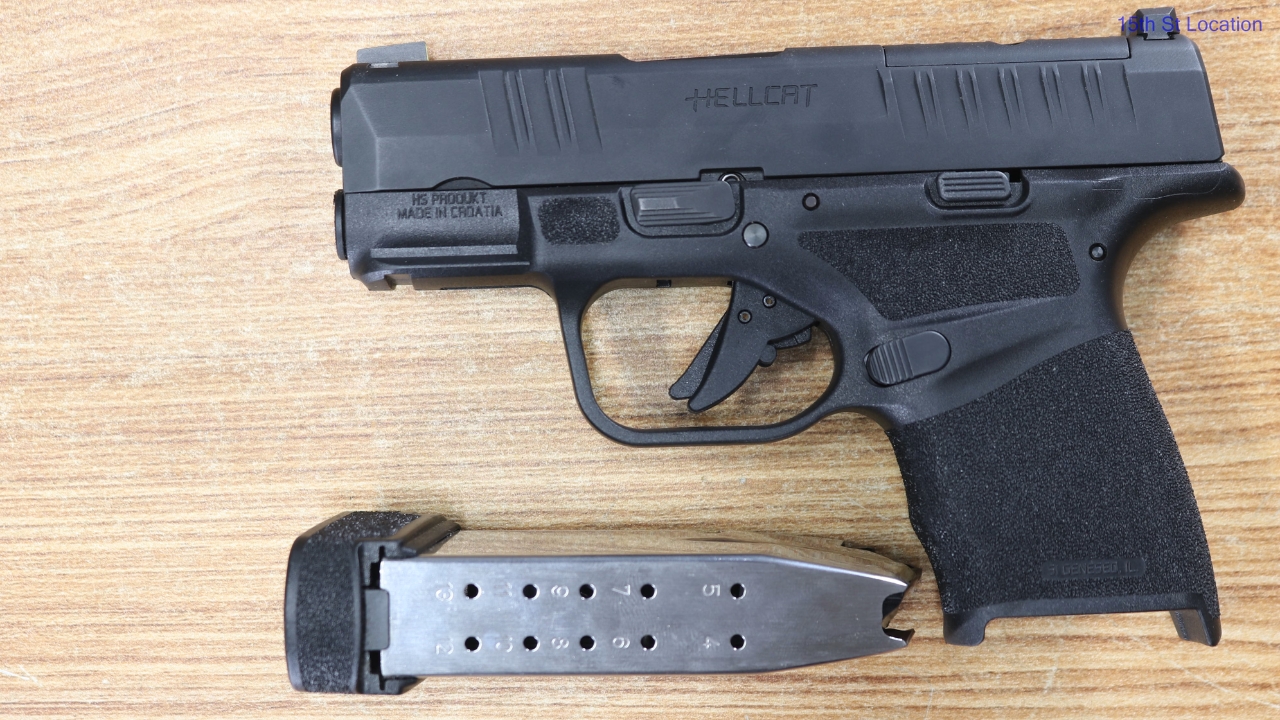
The Springfield Hellcat gets praised for packing real capacity into a very small frame, and that is exactly why people start talking themselves into it as a home-defense gun. Capacity sounds good. Small size sounds manageable. But a high-capacity micro-compact is still a micro-compact. Under stress, the short grip, brisk recoil impulse, and compact controls can feel busier than people expect, especially in a dark room where nothing is as calm as it was at the range.
The Hellcat is not hard to understand, but it is a pistol that asks for better technique than many buyers realize. In low light, a smaller gun with a sharper recoil cycle can be harder to track from shot to shot. If your hands are sweaty, shaky, or partially mispositioned, the compact frame gives you less forgiveness. It is a smart carry pistol. It can be a less forgiving home-defense pistol than the spec sheet makes it sound.
SIG Sauer P365

The SIG P365 changed what people expect from small carry guns, and that success has caused some buyers to stretch its role too far. It is compact, thin, and high-capacity for its size, which makes it easy to treat as an all-purpose answer. But a micro 9mm remains a micro 9mm. In home-defense conditions, where you are not dressing for concealment and every bit of shootability matters, the small frame still creates real disadvantages.
The short grip and light overall package make the gun faster to move, but also easier to disturb under recoil if your grip is not strong and consistent. In low light, those little advantages in concealment stop mattering while the smaller working area matters more. The P365 is a very capable carry gun. The mistake is assuming that because it does a lot in a tiny package, it must be the best choice when concealment is no longer the priority.
Ruger LCR .357 Magnum

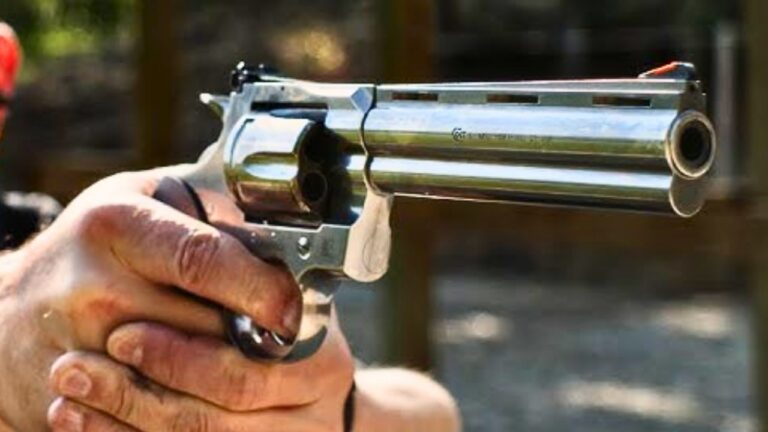
The Ruger LCR in .357 Magnum sounds tough and practical to a lot of buyers because it combines revolver simplicity with magnum power. That sounds reassuring until you remember what a lightweight snubnose does with full-power .357 loads. Under stress, in low light, with your heart running high, that sharp recoil can make fast follow-ups and accurate hits a lot harder than buyers expect when they are standing at the counter imagining “stopping power.”
Even with .38 Special, a lightweight snubnose takes real practice to shoot well. With .357, the gun becomes even less forgiving. The trigger is manageable with training, but long double-action work in the dark is still not as easy as people talk themselves into believing. The LCR is a fine carry revolver in its lane. It simply becomes a much less practical home-defense choice when power and simplicity are mistaken for easy control.
Smith & Wesson 642

The Smith & Wesson 642 gets treated like the classic “grab-and-go” revolver, and in some ways that reputation is earned. It is simple, snag-free, and easy to keep around. That same simplicity is what leads people to overestimate it. A lightweight J-frame with a small grip and rudimentary sights is not automatically easy to shoot well, especially not under stress and especially not in the kind of light where front sights are harder to pick up.
The 642 does remove some variables. There is no slide to rack and no manual safety to fuss with. But what it gives back is a heavier double-action trigger and a small frame that can feel lively even with .38 Special loads. In calm daylight, that may seem manageable. At 3 a.m., with shaky hands and poor visibility, a little revolver that looked comforting on paper can suddenly feel far less cooperative than people expected.
Charter Arms Bulldog

The Charter Arms Bulldog gets chosen by some buyers because .44 Special sounds serious and the revolver format feels straightforward. Bigger bullet, simple manual of arms, problem solved. That is how the thinking usually goes. In reality, a compact big-bore revolver is still a compact big-bore revolver. Recoil, muzzle rise, and limited capacity all become more noticeable when you are trying to make fast, accurate hits in poor light with adrenaline in the mix.
The Bulldog also asks you to run a double-action trigger on a relatively small revolver with a cartridge that gets your attention when it goes off. That can be done, but it is not nearly as easy as many buyers assume. In low light, coarse sights and a short barrel do not make life easier either. The gun has its place, but people often treat it like a comforting old-school answer when it is actually a fairly specialized compromise.
Colt Defender

The Colt Defender makes a lot of emotional sense to buyers who like 1911s and want a compact .45 ACP for defensive use. It is slim, familiar, and chambered in a cartridge many people trust. The problem is that short 1911s ask more of the gun and more of the shooter. Under stress and in low light, a compact single-stack .45 with reduced sight radius and sharper recoil can become less forgiving than the classic full-size 1911 image suggests.
The manual safety is not a problem if you train well, but it is one more step that must happen cleanly when things are fast and ugly. The short format also tends to make recoil feel quicker than many shooters expect from a 1911 pattern gun. None of that means the Defender cannot work. It means buyers often imagine a compact .45 that carries 1911 confidence into every scenario, when the smaller package changes the handling more than they expect.
Kimber Ultra Carry II

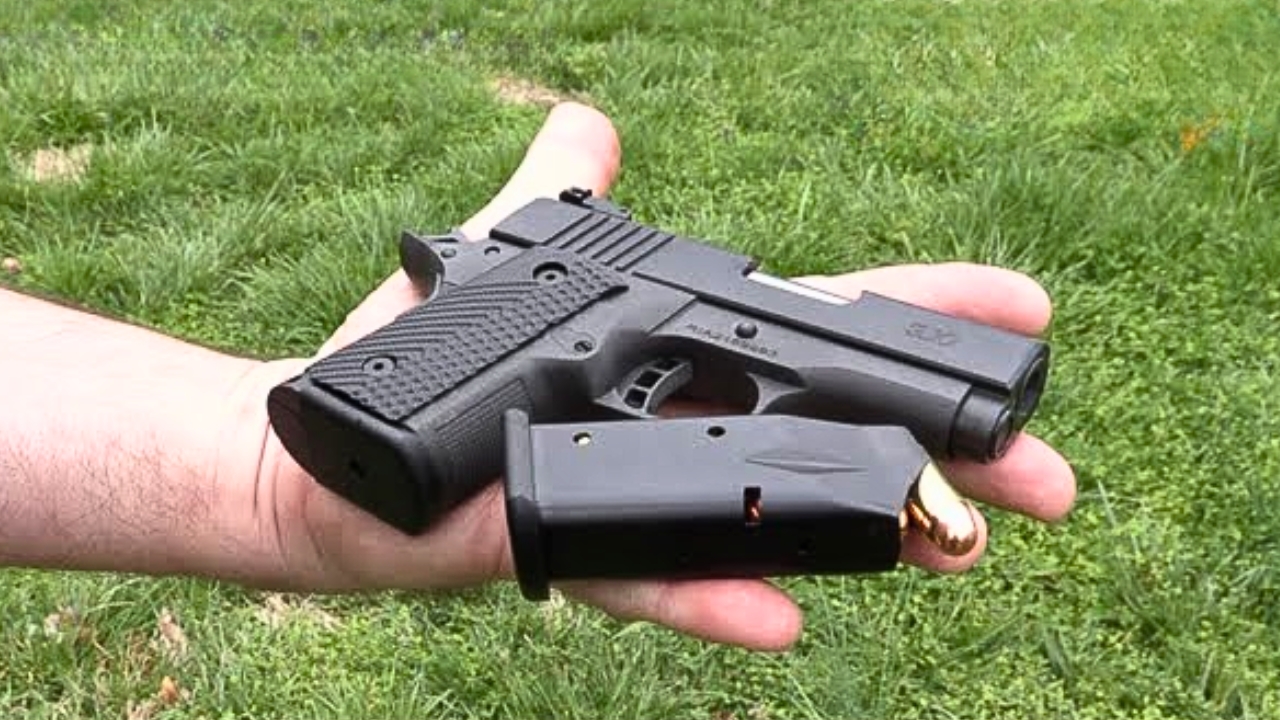
The Kimber Ultra Carry II tempts buyers for many of the same reasons: small size, .45 ACP, and 1911 familiarity. It sounds like a practical home-defense handgun if you like larger bullets and trust the platform. The trouble is that short-barreled 1911s are less forgiving than full-size guns, both mechanically and in how they feel under recoil. In a dark house, with stress and urgency in play, that smaller package can stop feeling nearly as manageable as it looked in the display case.
Short grips and shorter slides create a pistol that is easier to carry, but they also create a pistol that is easier to disturb under pressure. Add in a manual safety and the reduced capacity of a compact single-stack, and you start seeing where the “practical” idea gets thinner. It can work fine with training. The problem is that many buyers choose it for confidence while ignoring how much that confidence depends on repetition.
Taurus Judge

The Taurus Judge gets picked by some buyers because it sounds like a shortcut to solving the home-defense problem. A revolver that can fire .410 shotshells or .45 Colt sounds versatile, intimidating, and easy to understand. That idea sells well because it feels powerful. Under stress and in low light, though, a large-frame revolver with bulky dimensions, heavy trigger work, and significant recoil can be harder to use well than the marketing story suggests.
The Judge also tends to be larger and more awkward than people imagine when they picture a “simple revolver.” Its size can work against quick handling inside tight indoor spaces, and the shooting characteristics are not as forgiving as buyers often assume. A gun that seems like a broad answer on paper can become a clumsy one in real use. The issue is not that it cannot defend a home. It is that people often expect it to be easier and more foolproof than it is.
Bond Arms Derringer

A Bond Arms derringer sounds practical only if you stop thinking after the first few selling points. It is compact, powerful for its size, and mechanically straightforward. That can create the false impression that it makes a reasonable emergency home-defense handgun. Once you think about stress and low light for more than a moment, the idea starts falling apart. Tiny grip, extremely limited capacity, stout recoil, and minimal sights are not a combination that gets easier when things go bad.
A derringer is the kind of handgun that demands calm, deliberate handling, which is almost the opposite of what a home-defense emergency feels like. Under stress, the small format becomes harder to control, not easier. In dim light, the already-limited sighting system offers even less help. A gun like this may be interesting, and in some narrow roles it can make sense. As a primary home-defense choice, it is far less practical than many buyers first imagine.
Beretta Tomcat
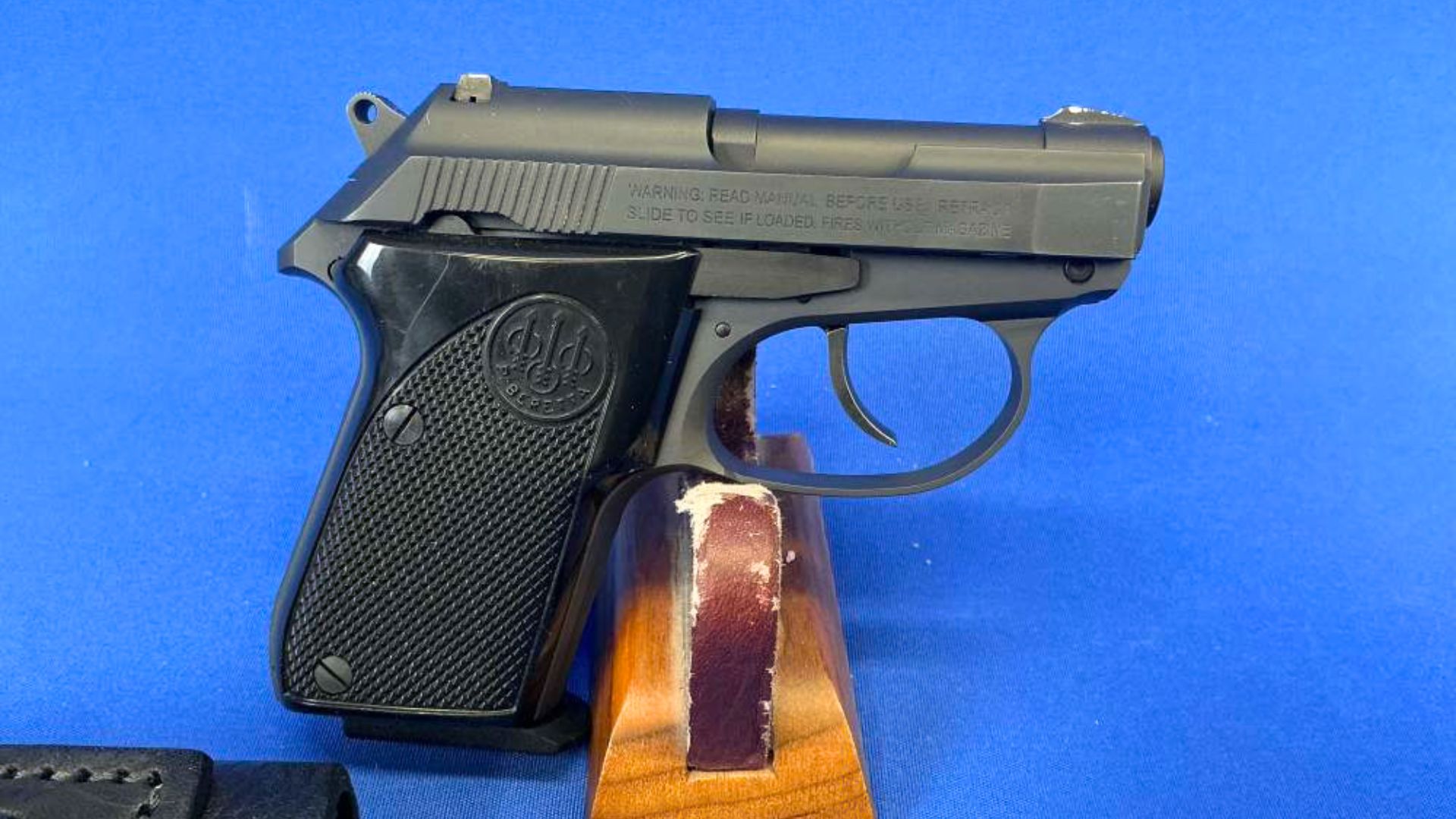
The Beretta Tomcat attracts buyers because it looks clever and approachable. The tip-up barrel seems easy to manage, the size is compact, and the .32 ACP chambering sounds soft enough to shoot without much trouble. That leads some people to treat it like a smart bedside gun for someone who wants low recoil and simple handling. The issue is that small pistols are still small pistols, and under stress that becomes the dominant reality.
The Tomcat gives you a very compact grip, small sights, and limited cartridge authority compared with larger home-defense options. In low light, a tiny pistol with a short sight radius is not doing you favors when your vision is working against you already. Its strengths are real in a narrow niche, but they are often mistaken for general practicality. When buyers imagine an easy little house gun, they often overlook how much easier a larger, more controllable handgun would be.
Walther PPK

The Walther PPK has history, style, and a reputation that makes people want to believe it is more practical than it often is. It is compact, flat, and chambered in a cartridge that some buyers still treat as acceptable for defensive use. That old-school appeal can make it seem like a sensible house pistol if you like compact handguns. Under real pressure, though, a small blowback-operated pistol can feel sharper and less forgiving than its size suggests.
The PPK’s size gives you less gripping surface, and its recoil impulse can feel snappier than many first-time buyers expect from the cartridge. In low light, the small sights and tight working surfaces do not suddenly become easier to use. It remains an interesting, iconic handgun, but many people let the image outrun the reality. A pistol can be famous, familiar, and still far less practical for a dark, chaotic home-defense problem than buyers first assume.
SIG Sauer P938

The SIG P938 looks like a compelling answer because it offers 9mm power in a very small package with familiar 1911-style controls. That sounds efficient and serious. For home defense, though, a very small single-action 9mm can become more demanding than the concept suggests. You are dealing with a short grip, a short sight radius, and a manual safety on a pistol built around concealment first. In low light and under stress, those details matter more than the brochure.
The P938 can shoot well in practiced hands, but it asks for a more disciplined grip and cleaner manipulation than larger pistols do. The recoil is brisk for the size, and a small gun with more snap is harder to track when your focus is split. It is an easy pistol to admire because it packs a lot into a tiny frame. It is a harder pistol to justify as an ideal home-defense choice when concealment is no longer part of the problem.
Like The Avid Outdoorsman’s content? Be sure to follow us.
Here’s more from us: