Photo credit: TheGearTester/YouTube
Carry guns build reputations fast, and once a model earns a following, it tends to stay in the spotlight long after its real performance has been questioned. You’ve probably watched certain pistols get praised everywhere—forums, gun shops, social media—only to find out later they don’t run nearly as well as people claim. A big name, a strong first impression, or a loyal fanbase can all push a handgun into “must-have” status, but that doesn’t mean the pistol actually performs at the level people say it does. The guns below are the ones that have been praised for years, yet fall short when you look past the talk and start shooting them for real.
Kimber Micro 9

The Kimber Micro 9 shows up constantly in concealed carry conversations, but once you spend time with it, reality settles in quickly. The pistol struggles with certain hollow points, and many shooters report reliability dropping off once the gun starts getting dirty. Kimber’s reputation for premium fit and finish attracts buyers, but that polish doesn’t change how finicky the Micro 9 can be day to day.
The small grip also adds to the challenge. It’s sharp in the hand, with a recoil impulse that makes consistent follow-up shots harder than they should be for a carry pistol. People praise it for its looks and branding, but if you’ve fired one enough times, you know the performance doesn’t always match the attention it gets.
SIG Sauer P365

The P365 became an icon almost overnight, and while later production runs proved solid, the early models had enough problems to raise eyebrows. Broken strikers, primer drag, and feeding inconsistencies all showed up more often than you’d expect from a pistol wearing the SIG name. A lot of shooters still treat it like it never had those issues.
Even beyond the early growing pains, the P365’s small frame can be unforgiving for newer shooters. Grip inconsistencies can lead to erratic cycling, and the pistol demands a steady hand under pressure. It’s still a capable gun today, but the hype around it often ignores the very real flaws that marked its introduction.
Glock 43

The Glock 43 rode the wave of Glock’s reputation, but on the range it doesn’t always offer the performance people imagine. Its six-round capacity, combined with a narrow frame and sharp recoil impulse, makes it more difficult to control than many of its competitors. Shooters often expect that “Glock feel,” but the 43 doesn’t behave like the larger models people trust so much.
Accuracy also takes more work than many claim. The long, thin grip doesn’t offer much leverage, and repeated strings of fire show how easy it is for the pistol to drift in your hand. It’s reliable, sure, but the praise around it sometimes overshadows what it actually delivers as an everyday carry tool.
Smith & Wesson Bodyguard 380

The Bodyguard 380 sold extremely well because of the brand and size, but its long trigger pull and stiff recoil have frustrated owners for years. Many shooters buy it expecting an easy-to-manage pocket gun, only to find that accuracy and speed suffer more than expected. The trigger in particular slows everything down, and you have to work harder than you’d like just to stay consistent.
Reports of certain hollow points causing problems haven’t helped the pistol’s reputation among experienced carriers. It may wear the Smith & Wesson name, but the Bodyguard proves that not every model meets the high expectations people bring to the brand.
Ruger LC9

The Ruger LC9 earned a huge following because of its price and size, but its performance doesn’t always support the praise. The extremely long trigger pull makes it difficult to shoot well under stress, and the reset is vague enough that follow-up shots take more concentration than they should. For a carry gun, that’s not ideal.
Add in occasional issues with light strikes and rough cycling, and the LC9 starts looking more like a compromise than a serious carry pistol. Ruger makes plenty of great firearms, but the LC9 is often overrated simply because it’s easy to buy and widely talked about.
KelTec PF9

The PF9 became popular in budget circles, but many shooters overlook how uncomfortable and inconsistent it can be. The extremely lightweight frame transfers every bit of recoil straight into your hand, making it tough to stay accurate. It’s also known for being picky with hollow points, and some models show noticeable wear earlier than expected.
The PF9 gets a lot of online praise because of its price and portability, but performance doesn’t always back that up. In the real world, there are far more reliable options that don’t punish your hand or force you to fight the gun under pressure.
Taurus PT111 G2

The PT111 G2 built a huge following after reviews circulated calling it a great value. But early models had enough reliability complaints that many experienced shooters never warmed to it. Trigger inconsistencies, failures to feed, and premature wear weren’t rare. The later G2c improved things, but the older guns still show the limits of Taurus’s early production quality.
People often talk up the PT111 G2 because it’s affordable and capable when you get a good one. But the variation from pistol to pistol makes it hard to trust, and that’s something most carriers learn the first time the gun surprises them on the firing line.
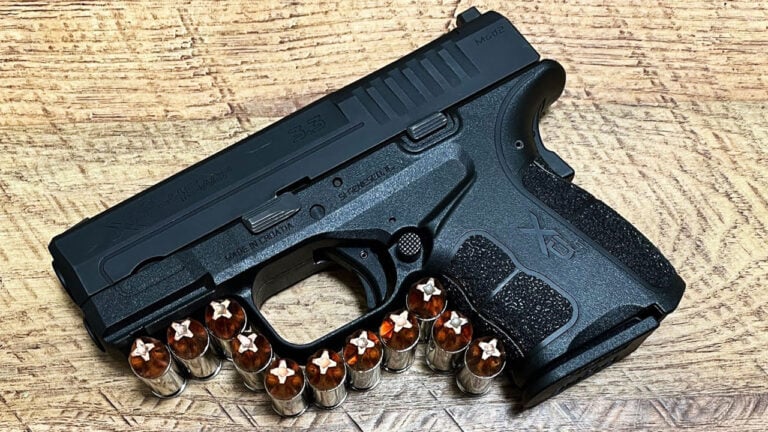
Springfield XD-S 9mm

The XD-S delivers strong initial impressions—slim, light, easy to conceal—but the shooting experience rarely matches the praise. The recoil impulse feels sharper than most pistols in its size class, and the grip texture can feel too aggressive during longer sessions. Those issues make it harder to control than many people admit.
Even though most examples run reliably, the overall experience tends to fade once you compare it to newer single-stack designs. Shooters often hang onto the XD-S because of brand loyalty or nostalgia, but its reputation tends to overshadow its actual performance on the range.
Beretta Nano

The Nano built early hype because of its modular design and Beretta’s reputation, but it struggled to deliver consistent performance. Light strikes, failures to eject, and feeding problems weren’t uncommon, especially with common defensive ammo. Many shooters ended up chasing solutions that never fully solved the issues.
When Beretta eventually replaced the Nano with the APX Carry, the difference in reliability spoke volumes. The Nano’s reputation lingers mostly because of early marketing and brand recognition, not because it holds up well under regular use.
Glock 42

The Glock 42 gets praised heavily because it’s a “tiny Glock,” but its sensitivity to ammo type has frustrated more shooters than the fanbase likes to admit. Lightweight or low-powered .380 loads often create cycling issues, and the pistol demands a perfect grip to run clean. That’s not what most people expect when they buy something with the Glock badge.
It’s still a decent gun when it’s fed specific ammunition, but the hype oversells its consistency. For a company known for forgiving designs, the 42 doesn’t deliver the plug-and-play dependability people assume it does.
SIG Sauer P238

Many shooters treat the P238 as a near-perfect pocket gun, but the reality is more complicated. It runs well with some ammunition, yet becomes finicky with others, especially certain hollow point designs. Its small size and tight tolerances also make it sensitive to grip technique, lubrication, and maintenance.
People often overlook those quirks because the SIG name carries weight. But the P238’s real-world behavior shows how easily branding can overshadow the functional drawbacks that appear once you carry and shoot the pistol regularly.
Bersa Thunder 380

The Thunder 380 earns a lot of praise for its price and feel, but many shooters gloss over how unpredictable it can be with different ammunition. Some loads run fine, while others create feeding problems or inconsistent slide movement. That kind of variability isn’t ideal for a defensive carry gun.
Shooters also tend to underestimate how small controls affect handling under pressure. The Thunder’s slide stop and safety aren’t as intuitive as people claim, especially when adrenaline is up. It’s a likable gun, but it’s often given more credit than its performance deserves.
SCCY CPX-2

The SCCY CPX-2 is heavily praised online because it’s affordable, but the performance doesn’t always support the hype. Reliability varies from pistol to pistol, and the trigger feels long and heavy compared to most competitors. Those traits slow down follow-up shots and make consistent accuracy harder to maintain.
While some CPX-2s run fine, enough of them don’t that experienced shooters stay cautious. The gun’s reputation is driven more by price and marketing than by consistent performance across the board.
Kimber Solo

The Kimber Solo entered the market with high expectations, yet quickly developed a reputation for being extremely picky. Kimber recommended specific ammunition types, and even then, many shooters encountered feeding issues. A carry gun that demands premium ammo to run well becomes tough to trust.
The Solo’s compact design and styling drew early praise, but the reliability issues overshadowed everything else. It remains one of the classic examples of a handgun that enjoyed massive hype early on but couldn’t maintain it once shooters started using it regularly.
Remington R51

The R51’s marketing push was huge, but the pistol never lived up to the promises. Early production runs suffered from feeding failures, rough cycling, and even safety concerns. The second generation attempted to fix the problems, yet many shooters still found inconsistencies. The concept sounded great; the execution didn’t match.
Despite the Remington name and the attention the pistol initially received, the R51 never proved itself as a dependable carry gun. It’s a reminder that strong branding and polished advertising can’t make up for shortcomings in real-world performance.
Like The Avid Outdoorsman’s content? Be sure to follow us.
Here’s more from us:
The worst deer rifles money can buy
Sidearms That Belong in the Safe — Not Your Belt
*This article was developed with AI-powered tools and has been carefully reviewed by our editors.