Photo credit: walk72/ShutterStock.com
Some rifles talk a big game until you actually take them into the field. Whether it’s poor reliability, fragile components, or just bad design, these rifles have earned a reputation for letting shooters down. You don’t always need fancy features—you just need a gun that works when it matters. Unfortunately, the rifles on this list are known to jam, malfunction, or fall apart when the conditions aren’t perfect. Here are 13 rifles that too many shooters have regretted trusting when they really needed performance.
Remington 770

The Remington 770 shows up often in complaints about failed hunts. It’s affordable, but the action is rough, and the bolt frequently binds up. Many owners report accuracy falling apart after only moderate use. In wet or muddy conditions, the feeding gets even worse. You can expect stuck cases and misfeeds when you least want them. While it’s tempting for its price, it rarely holds up to serious use. Most people who’ve spent time in the field quickly upgrade after the frustrations pile up.
Mossberg Blaze
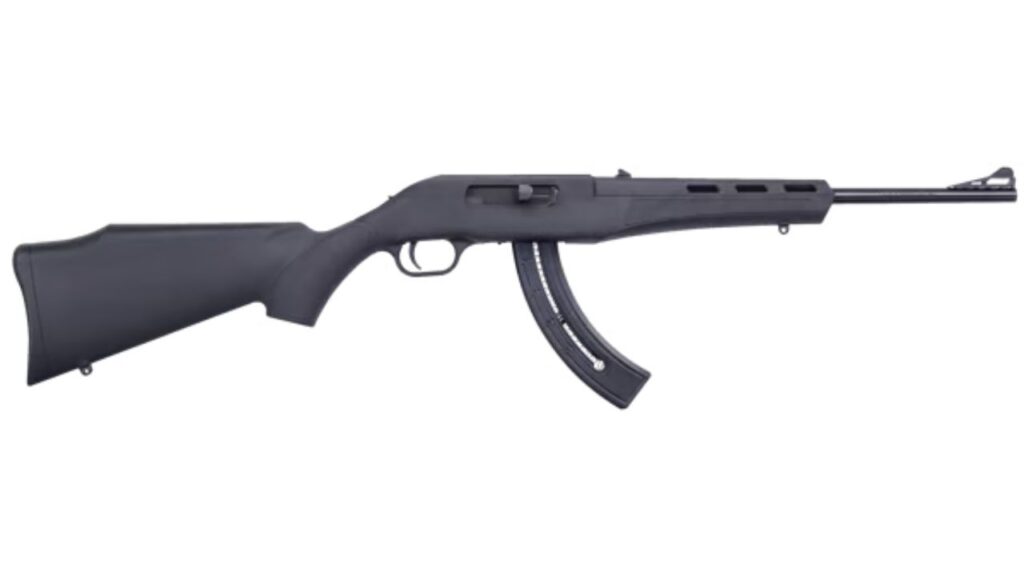
The Mossberg Blaze may seem like a lightweight .22 option, but it’s not dependable when you’re out in the woods. The plastic construction feels cheap, and the action jams frequently when it gets even a little dirty. Wet weather or dusty conditions can leave it struggling to cycle properly. Many shooters report misfeeds and stovepipes after just a couple of boxes. While it’s a fine plinker on sunny days, it quickly becomes a headache when you’re relying on it to work consistently in the field.
Remington 742 Woodsmaster

Hunters who grew up around the Remington 742 Woodsmaster probably know how quickly it turns into a single-shot rifle. This semi-auto is famous for jamming at the worst possible time. The locking lugs can seize up, especially after firing several rounds in quick succession. Even with regular cleaning, problems often pop up after moderate field use. Many hunters share stories of missed chances thanks to feeding failures. It’s a classic design, but reliability issues have made it a frustrating option for anyone relying on fast follow-up shots.
Century Arms C308

The Century Arms C308 promises G3-style firepower on a budget, but it’s plagued with issues. Feed ramps are rough, and many users deal with frequent failures to eject. The surplus parts used in assembly vary in quality, leading to inconsistent performance. Add in bad weather, and the problems only get worse. Shooters report jams, stuck bolts, and erratic accuracy after just a few trips. While it seems appealing for the price, it simply doesn’t hold up well in the field. Plenty of owners end up regretting trusting it.
Remington 597
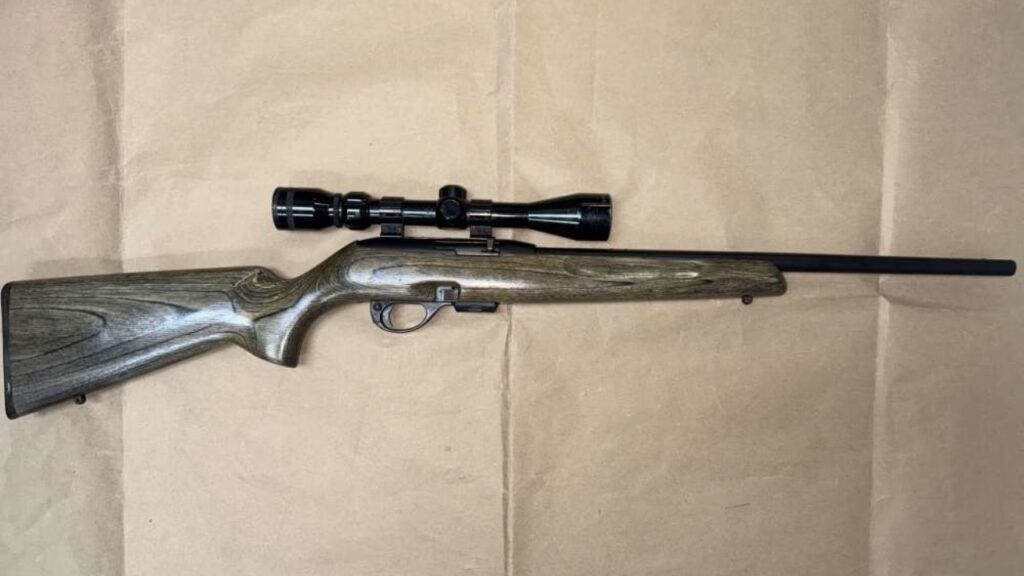
The Remington 597 is a .22 rifle with a reputation for headaches. While it was supposed to compete with the Ruger 10/22, its reliability just isn’t there. Feeding problems are common, especially with factory magazines. Add a little dirt or damp weather, and the gun becomes unreliable fast. Many shooters have struggled through constant jams on range trips and small-game hunts. Even when it’s clean, accuracy can shift between shots. Field conditions only make things worse, making this a rifle most folks would rather leave at home.
DPMS Oracle AR-15

The DPMS Oracle AR-15 draws budget buyers but struggles when pushed in the field. Coatings wear quickly, exposing metal to rust after just a few hunts. Cycling problems show up in wet or dusty environments, and parts often feel loose after moderate use. Shooters complain about frequent jams and inconsistent accuracy. While it’s okay for casual range use, it falls short when you need a dependable rifle outdoors. Many who start with the Oracle end up spending more on replacements after it fails in real hunting or shooting scenarios.
Remington Model 710
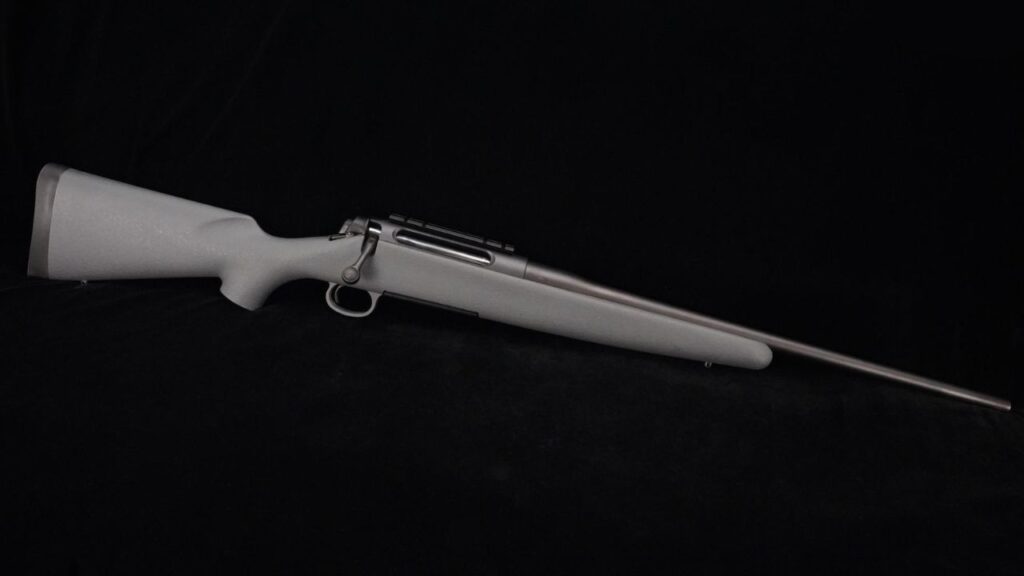
The Remington Model 710 was supposed to be a budget hunting rifle, but it’s more famous for its problems. The plastic parts feel flimsy, and the bolt has a habit of binding up after only a few uses. Many owners experience accuracy issues due to cheap barrels and rough triggers. If you take it out in bad weather, cycling can become stiff and uncooperative. Frequent reports of stuck rounds and broken parts make it hard to trust. Most hunters quickly retire it after realizing how unreliable it really is.
Norinco SKS
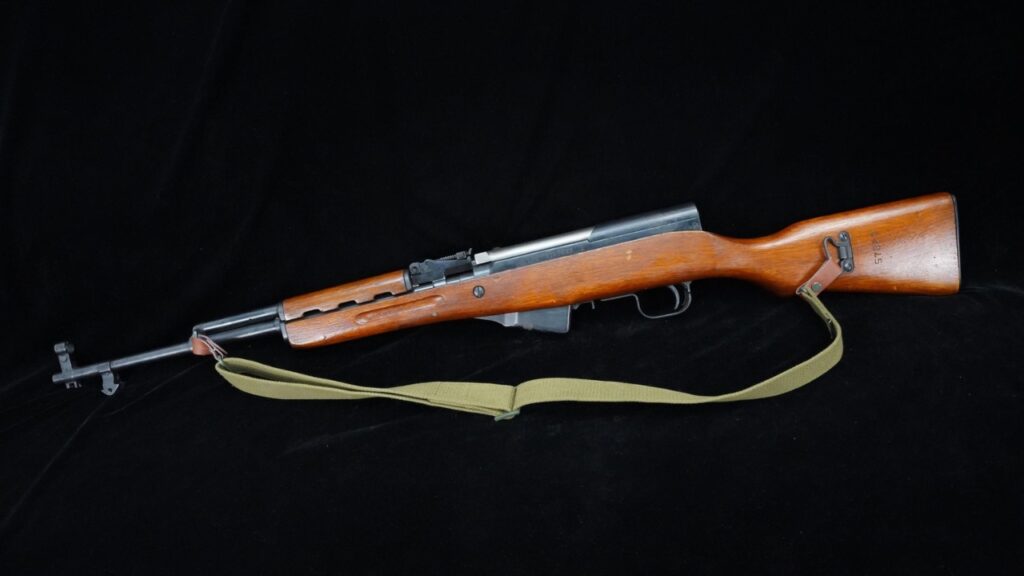
While the SKS platform is generally simple, some Norinco batches have glaring issues. Rough machining and poor finishing leave the rifle susceptible to rust and feeding problems. In wet or dirty environments, the gas system can clog up fast, making cycling sluggish. Many shooters report occasional failure to feed, especially with certain magazines. You’ll also find inconsistent accuracy from rifle to rifle. Although SKS rifles are tough in theory, poorly finished Norinco imports are hit or miss—sometimes literally—especially when you actually take them out for serious use.
Remington Model 783 (Early Models)
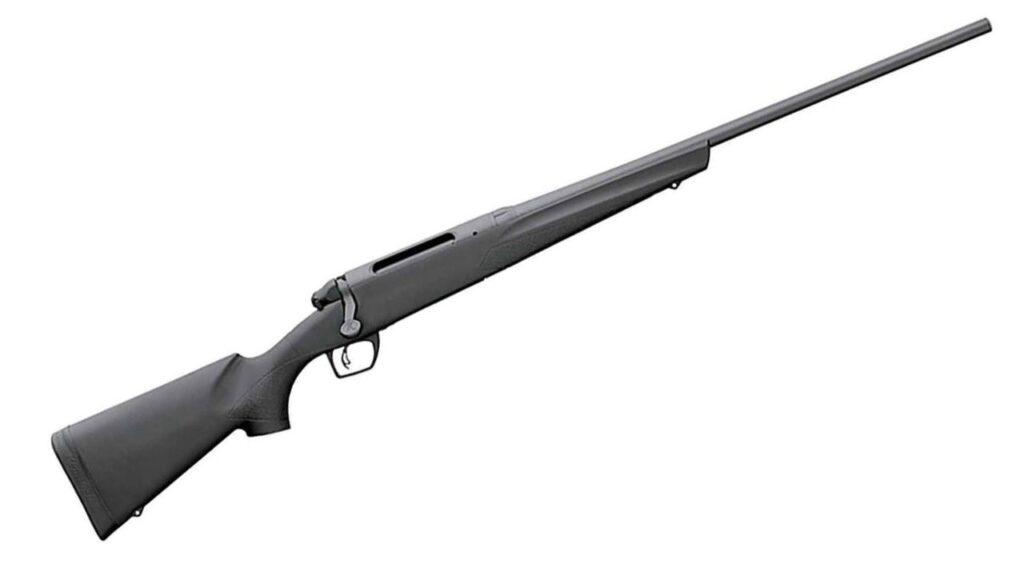
The early batches of the Remington Model 783 had problems that showed up quickly in the field. Poor bolt fitment caused rough cycling, and plastic stock issues affected accuracy. Moisture or a little dirt would make things worse, leading to sticky actions and unreliable performance. While newer versions improved, those older models became known for frustrating hunts with misfeeds and random accuracy shifts. Plenty of hunters found themselves looking for upgrades after fighting with this rifle. It’s a reminder that not all budget rifles are ready for real use.
Ruger American Ranch Rifle (Early .300 Blackout)

The early Ruger American Ranch Rifle in .300 Blackout had serious feeding quirks. The short, stubby rounds didn’t always load cleanly, especially from certain magazines. Shooters reported bolt lockups and misfeeds during simple range sessions. Throw in some mud or rough handling in the woods, and issues popped up fast. Accuracy was good when it worked, but reliability in the field was hit or miss. Later versions improved, but early adopters had a rough time when they needed dependable function in challenging hunting or shooting situations.
Kel-Tec SU-16
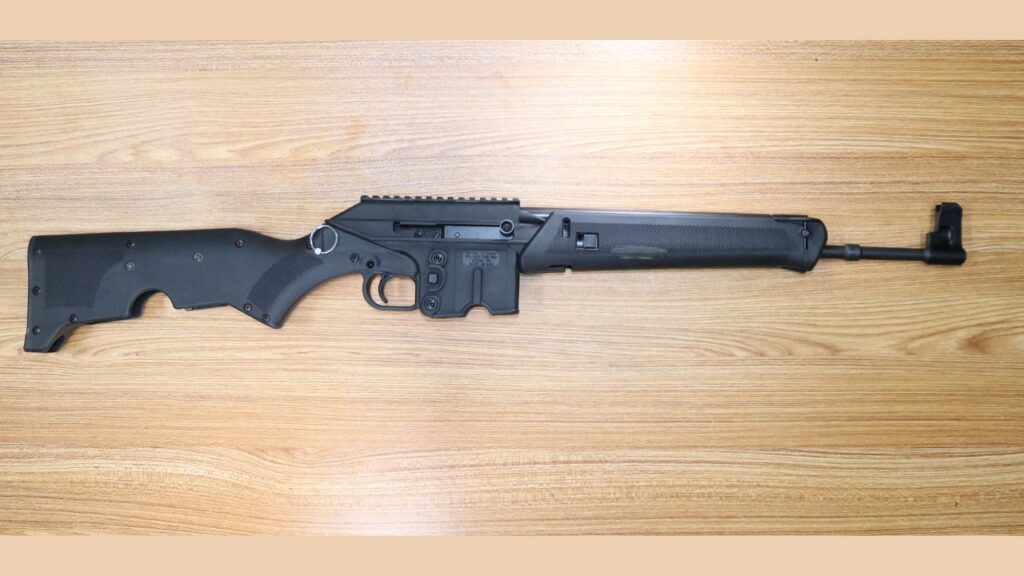
The Kel-Tec SU-16 is lightweight and affordable, but many shooters report failures after moderate use. The plastic receiver can flex under stress, leading to inconsistent accuracy. The action gums up quickly if not cleaned religiously, especially after dusty or wet outings. Many users share stories of extraction failures and feeding problems in field use. While it’s handy for backpacking, it’s not the rifle to count on for serious trips. The concept is solid, but in practice, it just doesn’t keep running when conditions get ugly.
Armalite AR-180B

The AR-180B had an appealing price point, but its reputation took a hit due to reliability problems. The polymer lower flexed during firing, affecting accuracy. Magazines were sometimes difficult to seat properly, and extraction failures weren’t uncommon. Shooters using them in the field often encountered jams after dirt or debris found its way inside. When clean and dry, it shot okay—but any bit of hard use exposed flaws quickly. Many owners ended up sidelining it in favor of more consistent AR-15 builds after experiencing repeat failures.
Savage B22 F
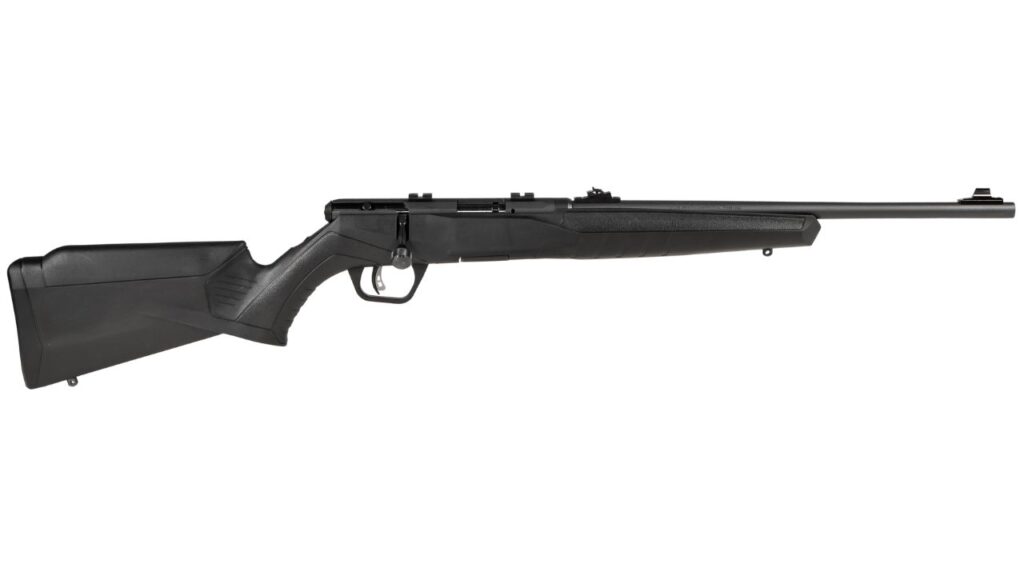
The Savage B22 F had some appeal for small-game hunters, but the feeding issues became hard to ignore. Factory magazines frequently misfed, especially after a few rounds got dirty. The bolt doesn’t cycle smoothly, and in the field, mud or water can cause jams. Many shooters found themselves clearing malfunctions instead of making shots. The accuracy is decent when it works, but the unreliable function in real-world conditions turned off a lot of buyers. It’s another example of a rifle that just doesn’t perform like it should outdoors.
*This article was developed with AI-powered tools and has been carefully reviewed by our editors.