Photo credit: 704 TACTICAL/YouTube
Some gun brands built their reputations back when rifles and shotguns were made of blued steel and walnut—before cost-cutting, outsourcing, and plastic parts became the norm. Those names used to mean something. You saw them stamped on a receiver and knew it would work, season after season. But times changed, and so did the quality. The same brands that once built heirlooms now chase price points and market trends, and many of their newer guns feel more like products than tools. These are the brands whose old models still carry respect, even while their new releases leave you wondering what happened to the company that made them legends in the first place.
Remington
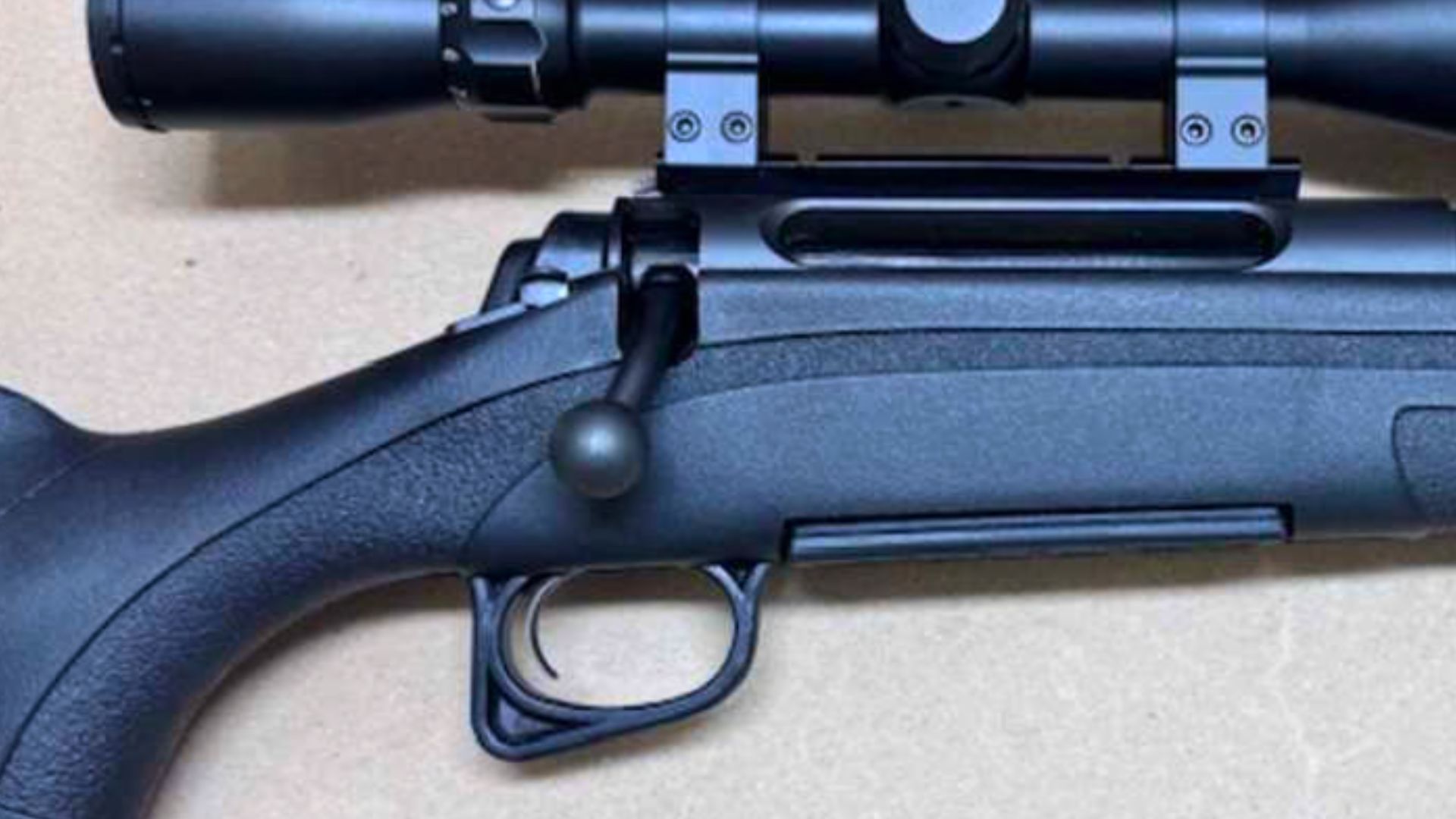
There was a time when a Remington 700 or 870 meant dependability you could stake a hunt on. Those old rifles and shotguns were smooth, well-built, and accurate. But when the company started cutting corners and changing ownership, things went downhill fast. Rough finishes, unreliable feeding, and inconsistent barrels became all too common.
Hunters still swear by their pre-2000 Remingtons—and for good reason. The older ones shoot tighter, cycle cleaner, and hold up longer. The new models, while improving under RemArms, haven’t earned that same trust yet. You still see the old 700s at deer camp, running flawlessly after decades. The new ones? Folks tend to wait and see.
Winchester

The Winchester name used to stand for the heart of American hunting and frontier toughness. The Model 70 was called “The Rifleman’s Rifle” for a reason—it was reliable, elegant, and accurate straight out of the box. But when production shifted overseas and costs were cut, the soul started leaking out.
Modern Winchesters aren’t bad rifles, but they lack the craftsmanship and feel that made the old ones special. You can still find hunters proudly carrying a pre-’64 Model 70, their actions slick and triggers crisp. Those rifles built Winchester’s name. The new ones carry it, but they don’t live up to the legend carved into that old roll mark.
Marlin
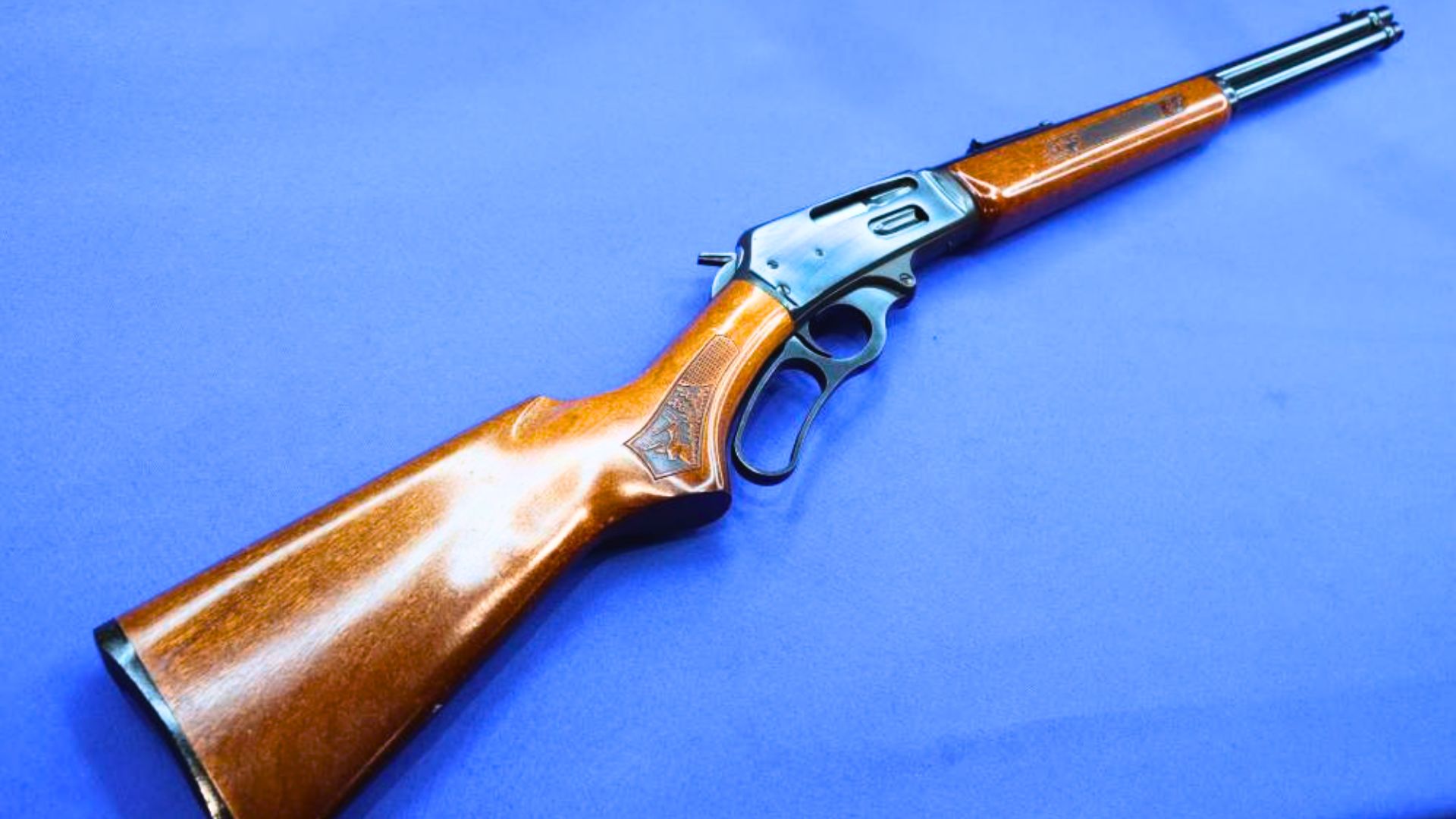
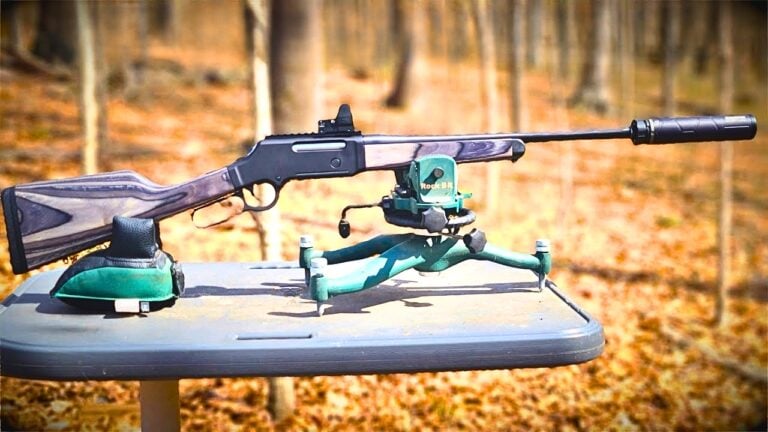
If you’ve ever held a pre-Remington Marlin lever gun, you know exactly why shooters still talk about them with reverence. The actions were tight, the wood was beautiful, and they ran forever. Then came the Remington buyout—“Remlin,” as shooters call it—and everything changed.
Quality control fell apart. Barrels were crooked, stocks were misfit, and actions felt gritty. For a brand built on pride and reliability, it was a disaster. Ruger’s new Marlin line has brought hope back to the name, but that middle stretch left a scar. You’ll still find more hunters trusting their old JM-stamped Marlins than the newer ones, and that says plenty.
Colt
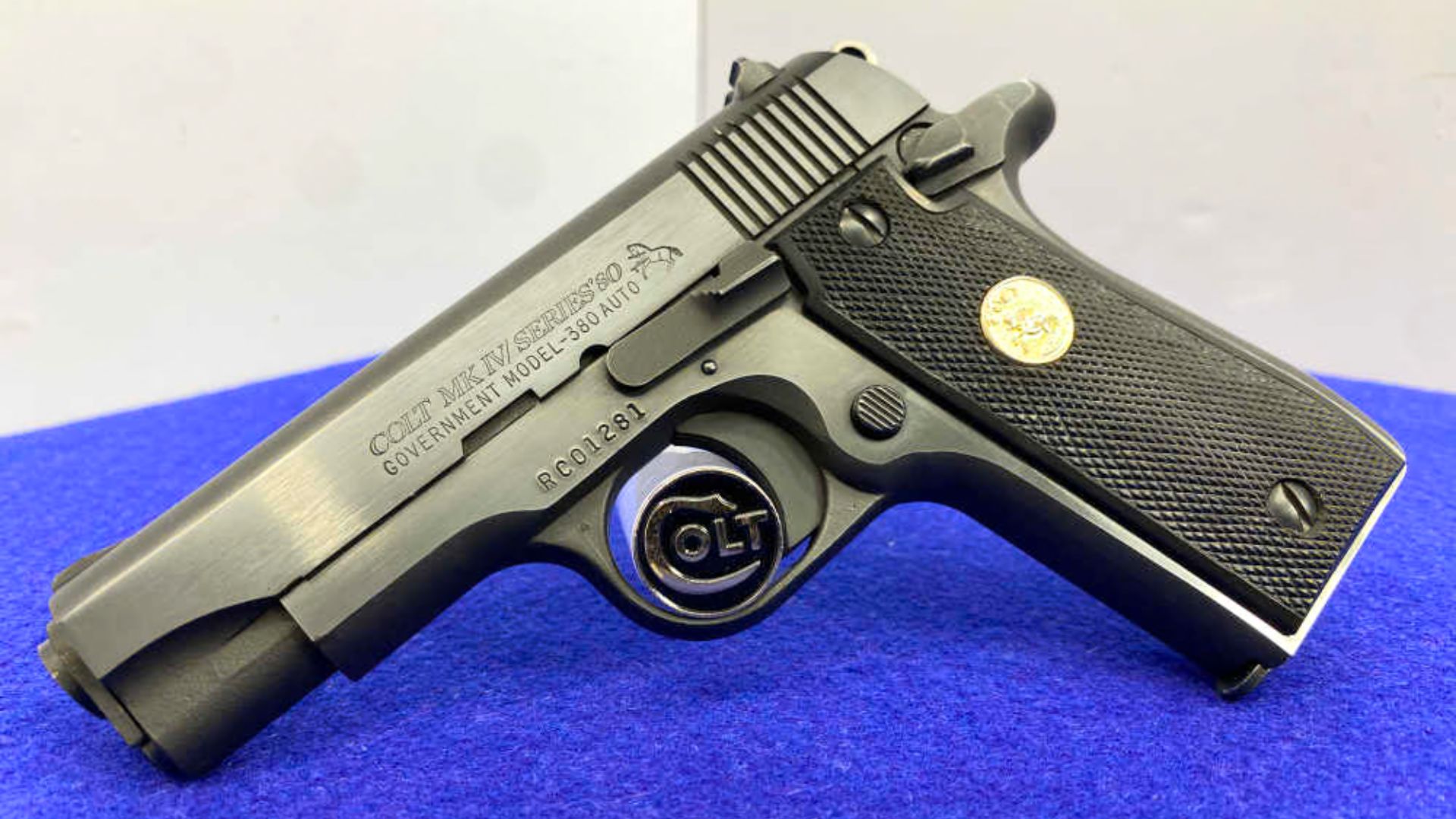
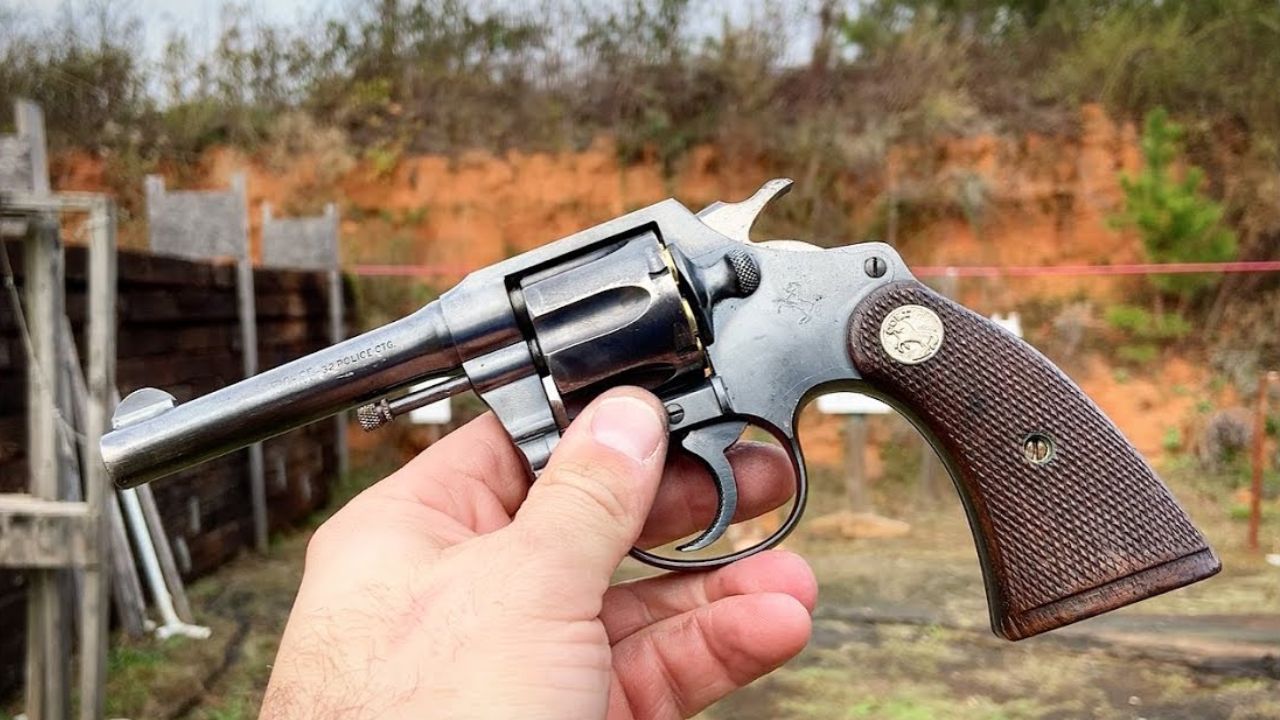
Colt once defined American handguns. The 1911, the Python, the Single Action Army—these weren’t just guns, they were icons. But over the years, Colt lost its edge. Poor management and lack of innovation left them lagging behind competitors who pushed reliability and refinement further than Colt seemed willing to go.
The modern Pythons and 1911s look nice, but most shooters agree they don’t have the same feel as the originals. There’s a mechanical soul in those old Colts that’s missing from the reissues. The brand’s still alive, but for many shooters, the Colt they grew up admiring stopped existing decades ago.
Mossberg
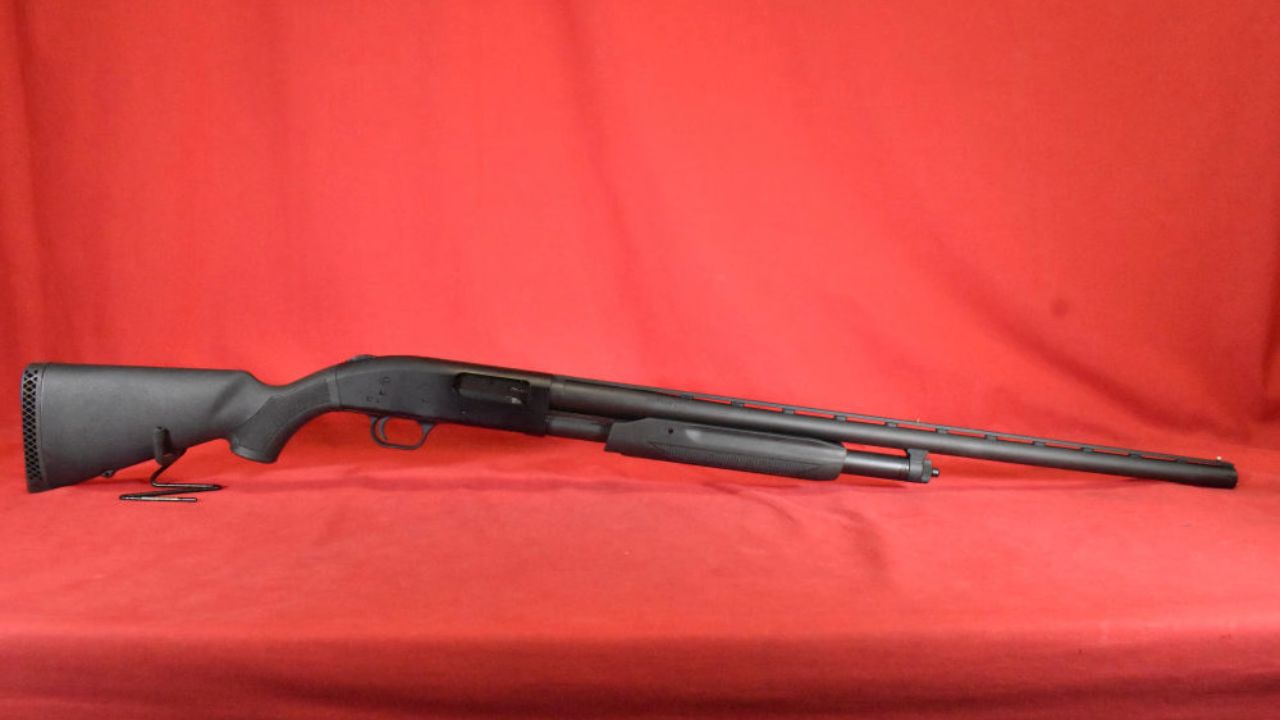
Mossberg built its name on the 500—a shotgun that could take a beating and keep running forever. It was the workhorse of farms, duck blinds, and patrol cars. But in recent years, the brand’s focus shifted toward budget-friendly rifles and modern tactical looks that often feel rushed or cheaply built.
The newer bolt guns like the Patriot are hit or miss in quality and performance. They photograph well but don’t have the same staying power as those old, all-steel pump guns. You still see piles of 500s working flawlessly after decades, but it’s rare anyone talks that way about Mossberg’s new stuff.
Browning
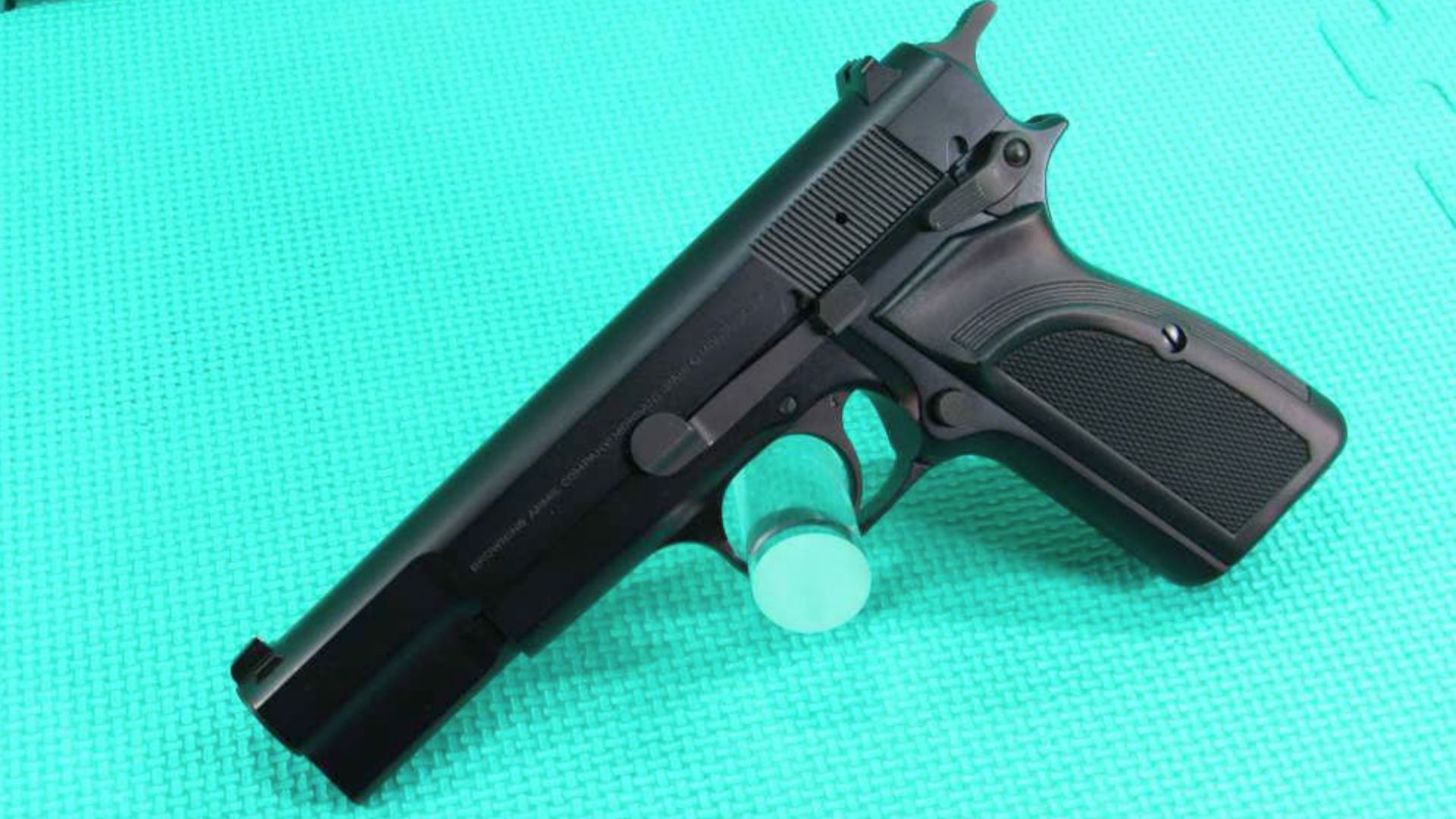
Browning’s name still carries prestige, but that’s mostly because of the legacy models—the Auto-5, the BAR, the Hi-Power. Those guns were built to last generations, not product cycles. Today’s Browning lineup is flashy and diverse, but much of it feels more like corporate branding than craftsmanship.
Many modern rifles wear the name but lack the feel of Belgian-built quality. Hunters respect Browning’s history more than their current catalog. It’s not that their guns are bad—they’re just not special anymore. The Browning name used to mean “best in class.” Now it mostly reminds people how good they once were.
Ruger

Ruger made its mark with reliable, overbuilt guns that always worked. The 10/22, the Blackhawk, the Mini-14—those were rock-solid designs that made Ruger a household name. But in the past decade, some of that rugged consistency has given way to production shortcuts and cosmetic appeal.
Rifles like the American are affordable and accurate but lack the tank-like durability Ruger was known for. Triggers feel lighter, stocks flex more, and longevity isn’t quite the same. You still can’t knock their value, but the brand’s reputation for indestructibility now belongs to its past, not its present.
Savage
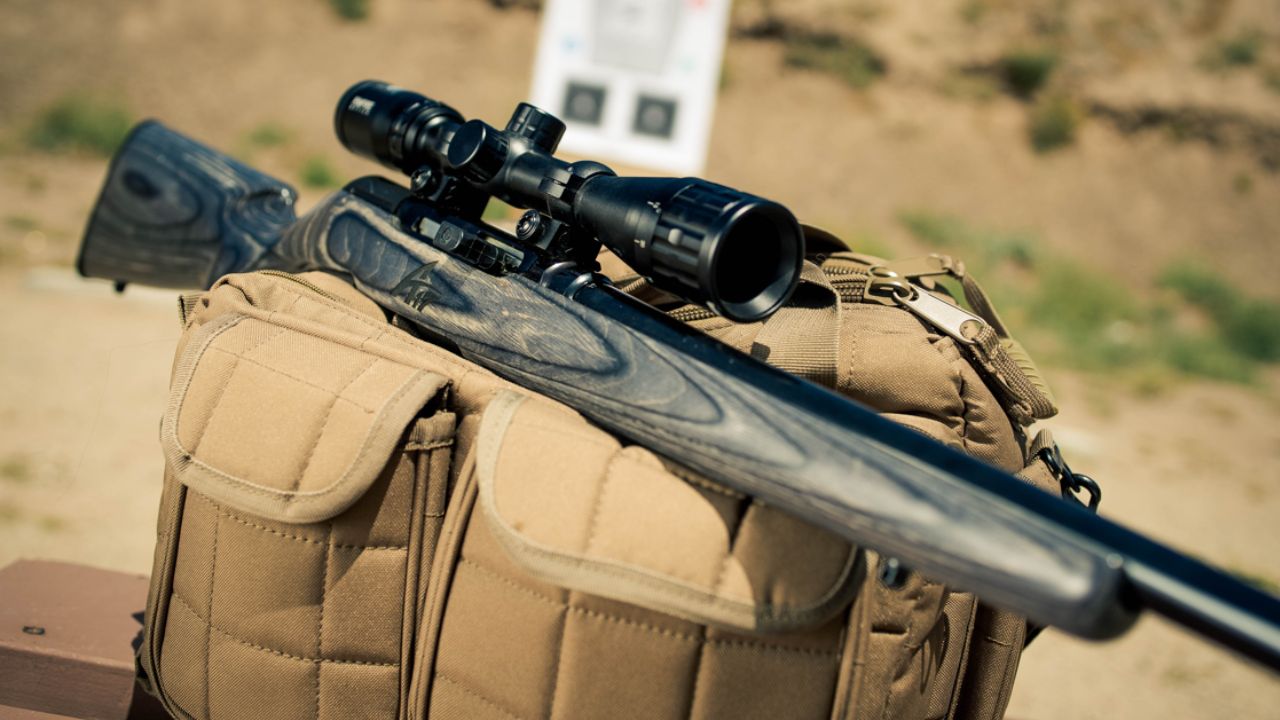
Savage used to be a quiet underdog that built accurate, affordable rifles that simply worked. The Model 110 was proof you didn’t need a high-end rifle to shoot straight. But over time, Savage began flooding the market with too many models, each one slightly cheaper or flashier than the last.
Quality control slipped, and fit and finish took a back seat to marketing. Accuracy is still there, but the rugged simplicity that made Savage special isn’t. Those old wood-stocked 110s earned their respect honestly. The newer ones feel more like a race to the lowest price point.
Remington (Handguns)
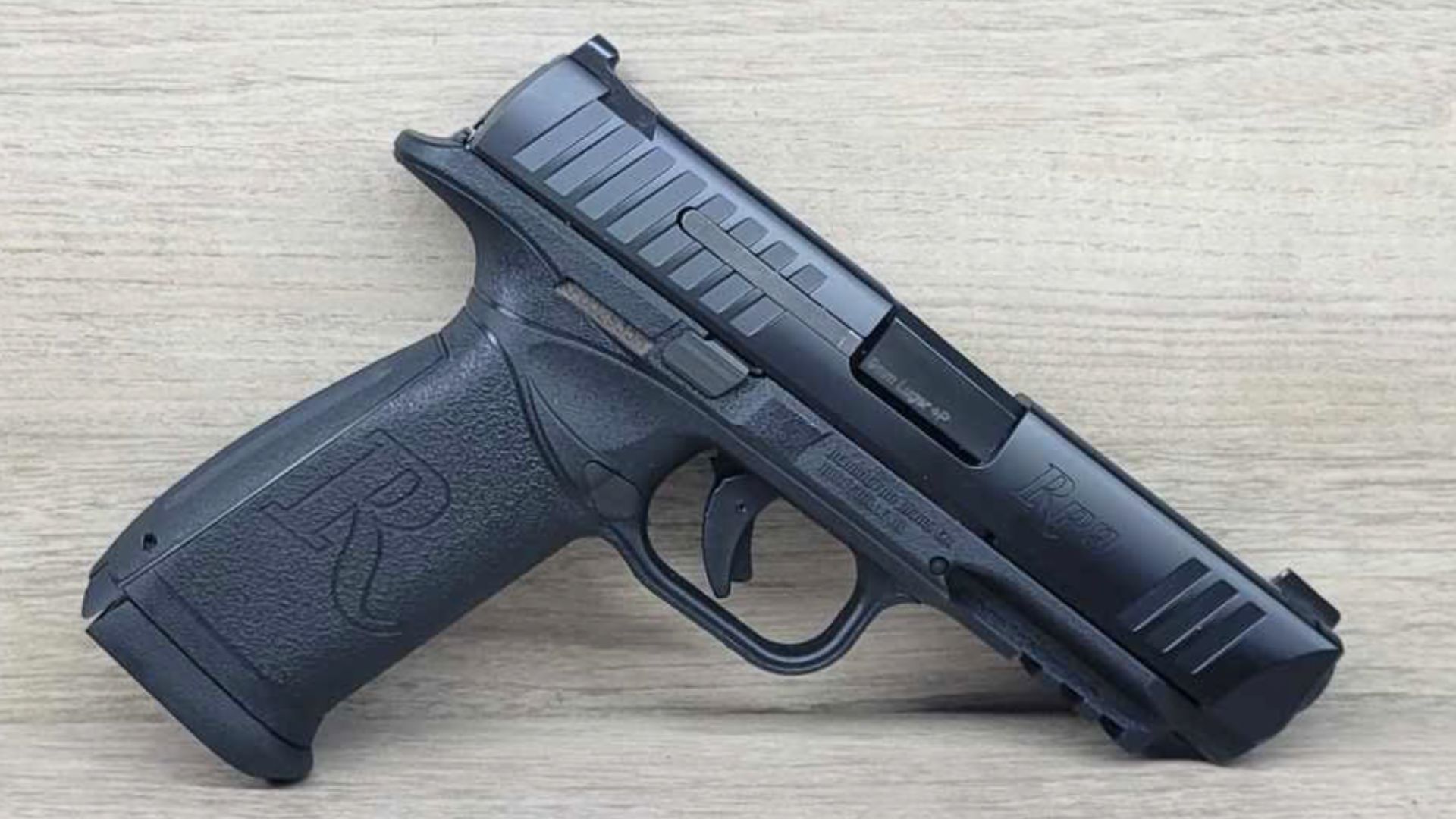
Remington’s entry into handguns never matched its long-gun legacy, and that became painfully obvious with the R51. Marketed as a modern revival of a classic, it was plagued with malfunctions, recalls, and poor design. It wasn’t just a flop—it became a running joke.
That failure tarnished Remington’s image even further. When a brand that built America’s most trusted rifles can’t produce a reliable carry gun, it’s a sign of how far it’s fallen. The R51 wasn’t the end of Remington, but it was proof that the company’s glory days were long gone.
Thompson/Center
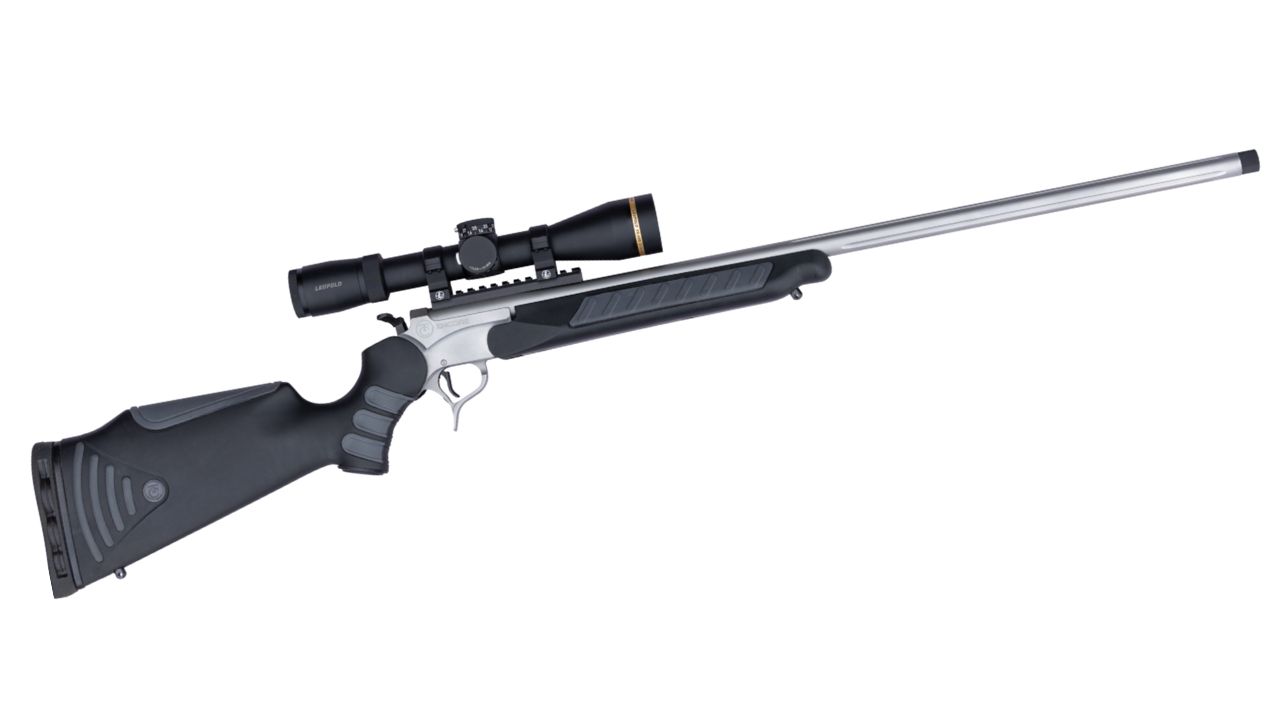
Thompson/Center was once a symbol of American craftsmanship and versatility. The Encore and Contender systems were ahead of their time, giving shooters one frame for multiple barrels. They were rugged, accurate, and endlessly adaptable. But when the brand fell under corporate ownership, the innovation stopped cold.
Production slowed, quality dropped, and eventually, T/C was shelved altogether. It’s one of those names old hunters still speak fondly of, shaking their heads that it’s gone. The rifles they built decades ago are still hitting targets today, while the company itself is little more than a footnote. That kind of legacy doesn’t fade easily—it just outlived the people running it.
Like The Avid Outdoorsman’s content? Be sure to follow us.
Here’s more from us:
The worst deer rifles money can buy
Sidearms That Belong in the Safe — Not Your Belt
*This article was developed with AI-powered tools and has been carefully reviewed by our editors.