Photo credit: Dmitri T/Shutterstock.com
There’s no magic number when it comes to how many rounds you should carry. Some folks feel good with six. Others won’t leave the house with less than fifteen. It’s easy to get caught up in numbers, but it really depends on your comfort level, your risk tolerance, and how you’re carrying. Here are ten things to think about before settling on your own answer.
What’s Your Environment Like?

If you’re in a quiet rural town, odds are different than if you’re walking downtown after dark. More people, more unknowns, more potential for trouble. Your surroundings play a big role in what feels “enough.” A single-stack may cut it in one place, but feel limiting in another.
It’s not just about crime stats either. Think about how far you are from help. If backup’s 20 minutes out, a few extra rounds might bring peace of mind.
Are You Carrying a Spare Magazine?

A spare mag can change the game. It’s not just more ammo—it’s a backup in case of a malfunction. If your gun jams or the mag fails, you’ve got a second chance. And honestly, extra rounds don’t take up much space.
Plenty of folks carry a small pistol but tuck a backup mag in their pocket or bag. It’s a good way to bump your count without changing your primary carry.
What’s Your Comfort Level with Reloading?
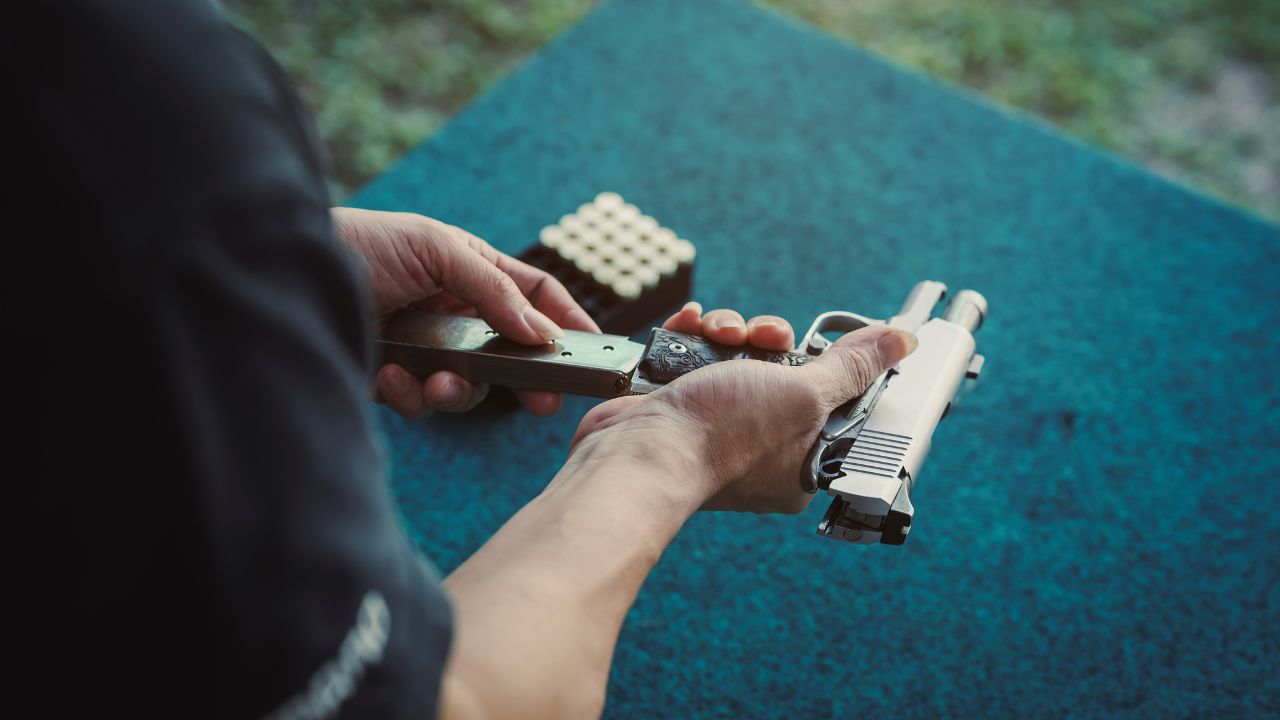
If you train regularly and can reload fast under pressure, you might be fine with fewer rounds up front. But if you’re not practicing regularly—or if your gun is a bit awkward to reload—more capacity might make more sense.
Most gunfights are over in a few seconds, but if you ever do need to reload, you want it to be smooth and automatic—not something you fumble with.
Are You Carrying for One Threat or Multiple?

It’s one thing to stop a single attacker. It’s another to deal with two or three. If you’re just thinking about one-on-one encounters, a five or six-shot revolver could be plenty. But if there’s even a small chance of facing more than that, you might want more capacity.
Nobody wants to be the one standing there with an empty gun and two threats still moving. A little planning can go a long way.
How Much Can You Comfortably Carry?

Let’s be real—if a double-stack feels bulky and digs into your side, you’re not going to carry it every day. Comfort matters. A smaller gun with fewer rounds that you actually carry beats a 17-round pistol that stays on your nightstand.
It’s okay to trade some capacity for carryability. Just make sure you’re not giving up too much in the name of convenience.
Do You Actually Train with Your EDC?
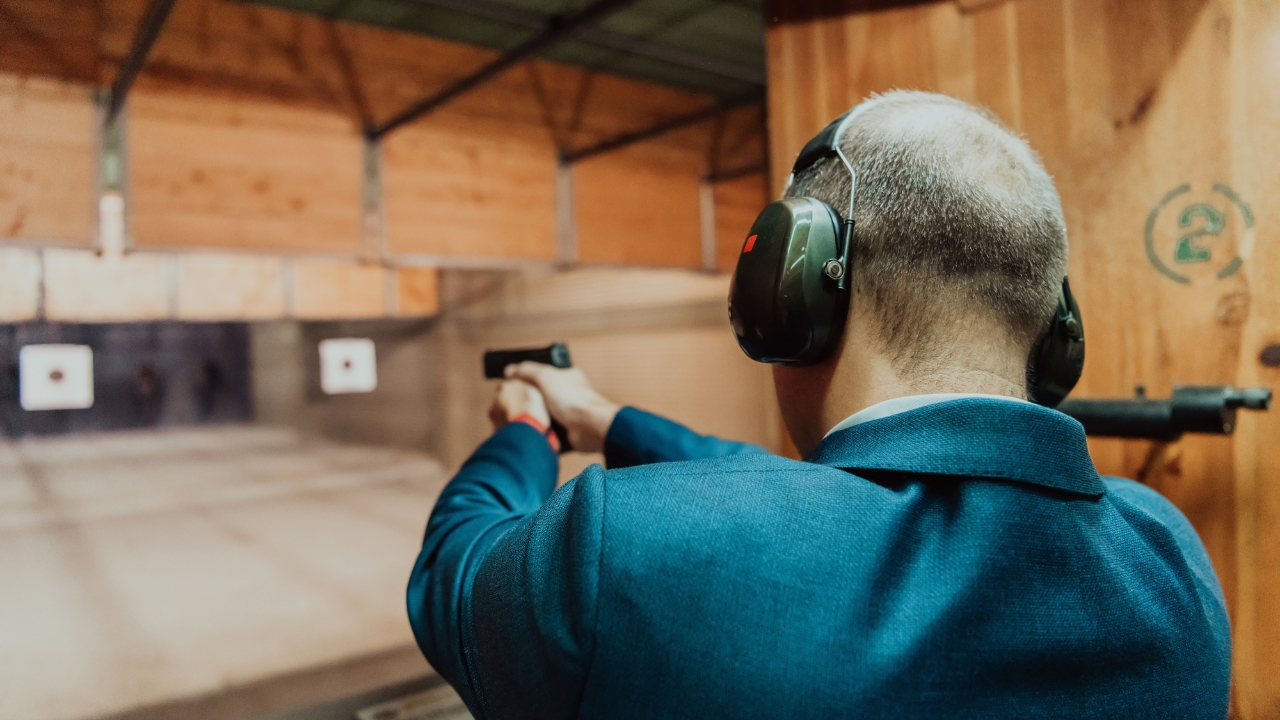
Capacity means less if you don’t train with what you carry. If you can’t reliably hit your target under stress, it won’t matter how many rounds you’ve got. That said, more rounds can help compensate for imperfect performance under pressure.
But training brings confidence—and confidence reduces the urge to carry “just in case” ammo you might not need. Skill and mindset beat gear most days.
What’s Your EDC Gun Chambered In?
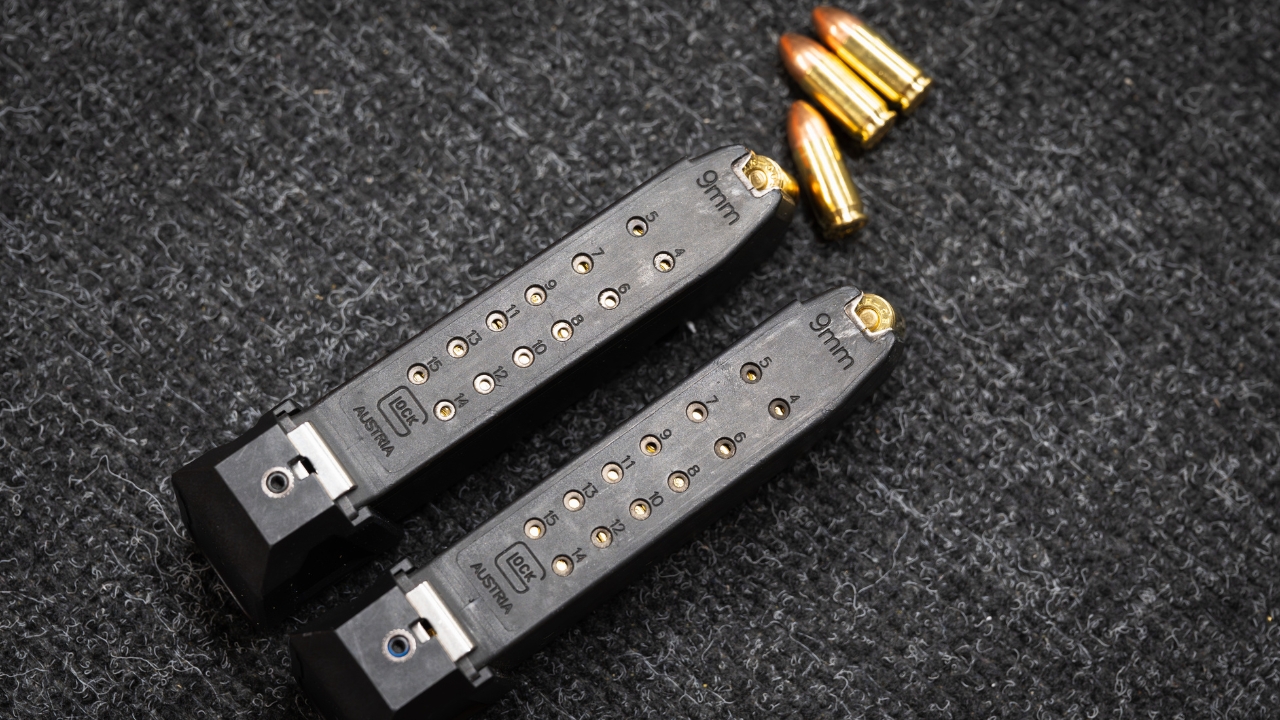
Caliber plays a role here too. Smaller calibers usually mean higher capacity. A .380 or 9mm micro pistol might carry 10+1, while a .45 ACP version might only hold 6+1 in the same frame size.
That tradeoff isn’t a bad thing, just something to consider. If you prefer a larger caliber, you might need to think harder about spare mags or round placement.
What Do Real-World Stats Say

Most civilian gunfights involve fewer than four rounds fired. But that doesn’t mean you only need four. Things go sideways fast, especially under stress. It’s better to have more and not need them than the other way around.
Stats are helpful, but they don’t tell your whole story. Use them as a reference, not a rulebook.
How Does Your Gun Handle Under Pressure?

Some guns are easy to shoot well under stress. Others aren’t. If your carry gun is snappy, tiny, or hard to control, your shot placement might suffer. That can push you to want a few more rounds just in case.
Accuracy and control are everything. If your first few shots might not land, you’ll want enough follow-ups to get the job done.
What Makes You Feel Prepared?

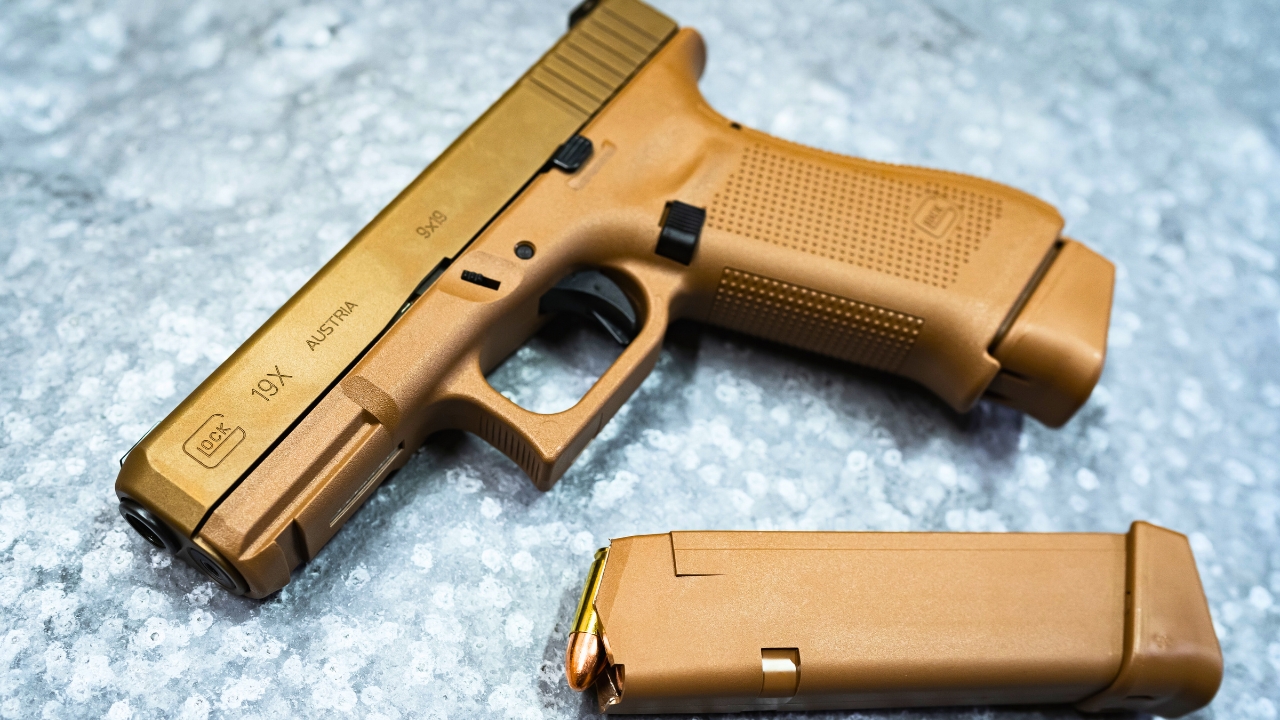
At the end of the day, this is personal. Carrying a gun is about being ready for the worst—and everyone’s idea of “ready” looks a little different. If carrying a 5-shot revolver gives you peace of mind, great. If you want a Glock 19 with a spare mag, also great.
Just be honest with yourself. Make your choice for the right reasons, not because someone on the internet told you what “should” be enough.
*This article was developed with AI-powered tools and has been carefully reviewed by our editors.