
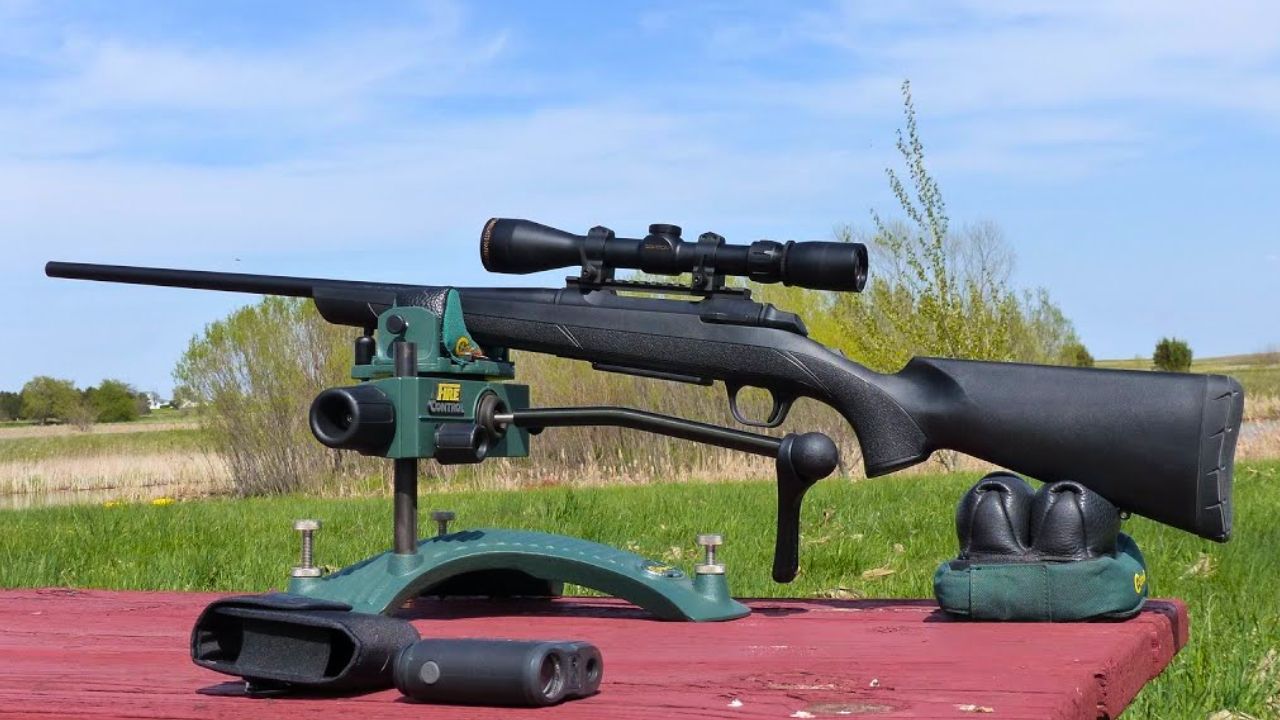
Photo credit: Randy Wakeman/YouTube
When a rifle refuses to shoot well, you usually start by blaming the ammo. Maybe the loads were inconsistent, maybe the bullet didn’t match the twist rate, maybe you grabbed the only box left on the shelf. But once you’ve burned through the premium options—Hornady Precision Hunter, Federal Terminal Ascent, Barnes VOR-TX—and the groups still look like you patterned buckshot, you eventually accept the truth: some rifles just don’t have it.
You see it in the wandering impacts, the unexplained flyers, and the shots that drift when they shouldn’t. These are the rifles that disappoint no matter what ammo you feed them.
Remington 770
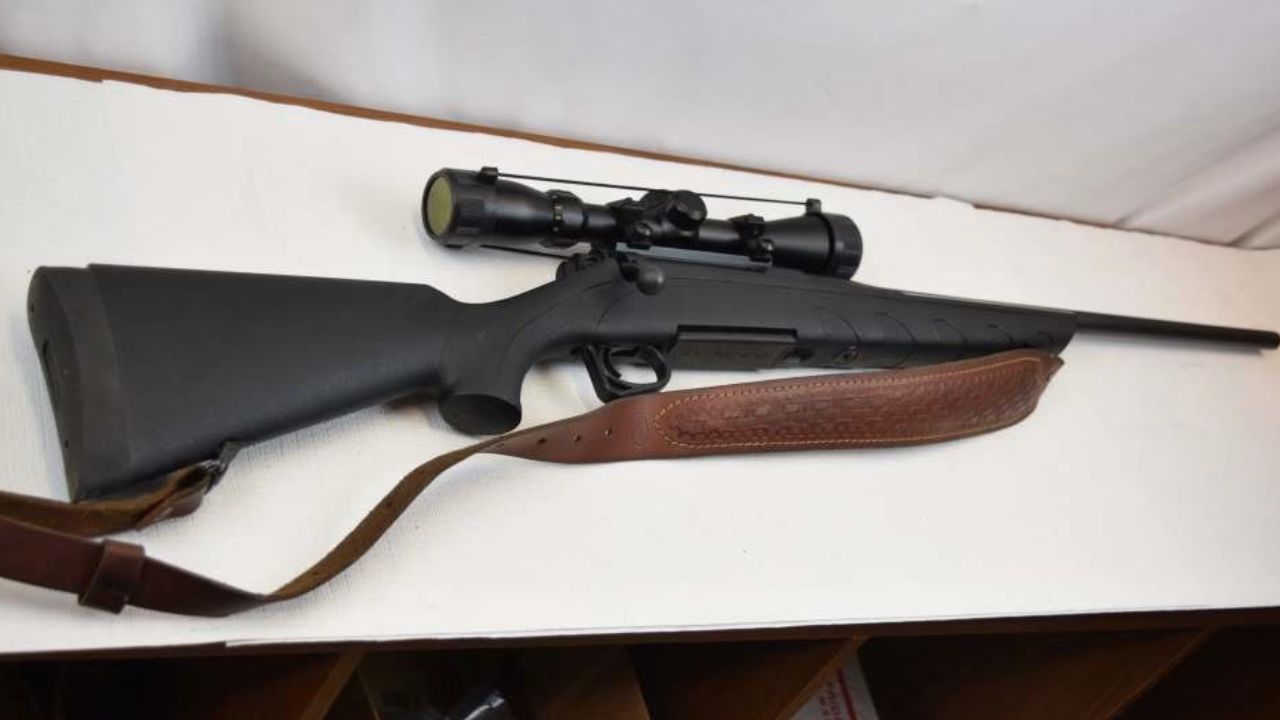
The Remington 770 has earned a reputation for turning expensive ammo into frustration. Even when you feed it high-end loads, the groups rarely tighten enough to make you feel like the rifle is pulling its weight. The molded stock flexes more than it should, and the action doesn’t give you the consistency you need for repeatable accuracy.
You can try different bullet weights, chase seating depth quirks, or swap optics, but the results rarely change much. When a rifle struggles this much with premium ammunition, you quickly realize the platform itself is the limitation—not the ammo.
Ruger American Rifle (Early Production)
Early Ruger American rifles had accuracy swings that made shooters scratch their heads. One load would group surprisingly well, while another would open up dramatically, even within the same brand of premium ammunition. The thin barrel and early bedding system sometimes created inconsistent pressure points that premium ammo couldn’t solve.
Later models improved, but early rifles had enough variability that shooters often believed the ammo was the problem. Once you test a stack of high-end loads and the rifle still can’t hold steady groups, you realize the issue lives in the rifle, not the cartridges.
Savage Axis (Base Model)
The base-model Savage Axis can be extremely hit-or-miss with accuracy, even with premium ammunition. The trigger on early versions was heavy and gritty, which made precision shooting harder than it should be. The tupperware-style stock also flexed under sling tension or bipod pressure.
Even with match-grade bullets, the inconsistencies show up. You might see a promising three-shot group, then watch it fall apart on the next five. When a rifle can’t stabilize good ammo into predictable patterns, it becomes clear the limiting factor isn’t the ammunition—it’s the platform.
Winchester XPR
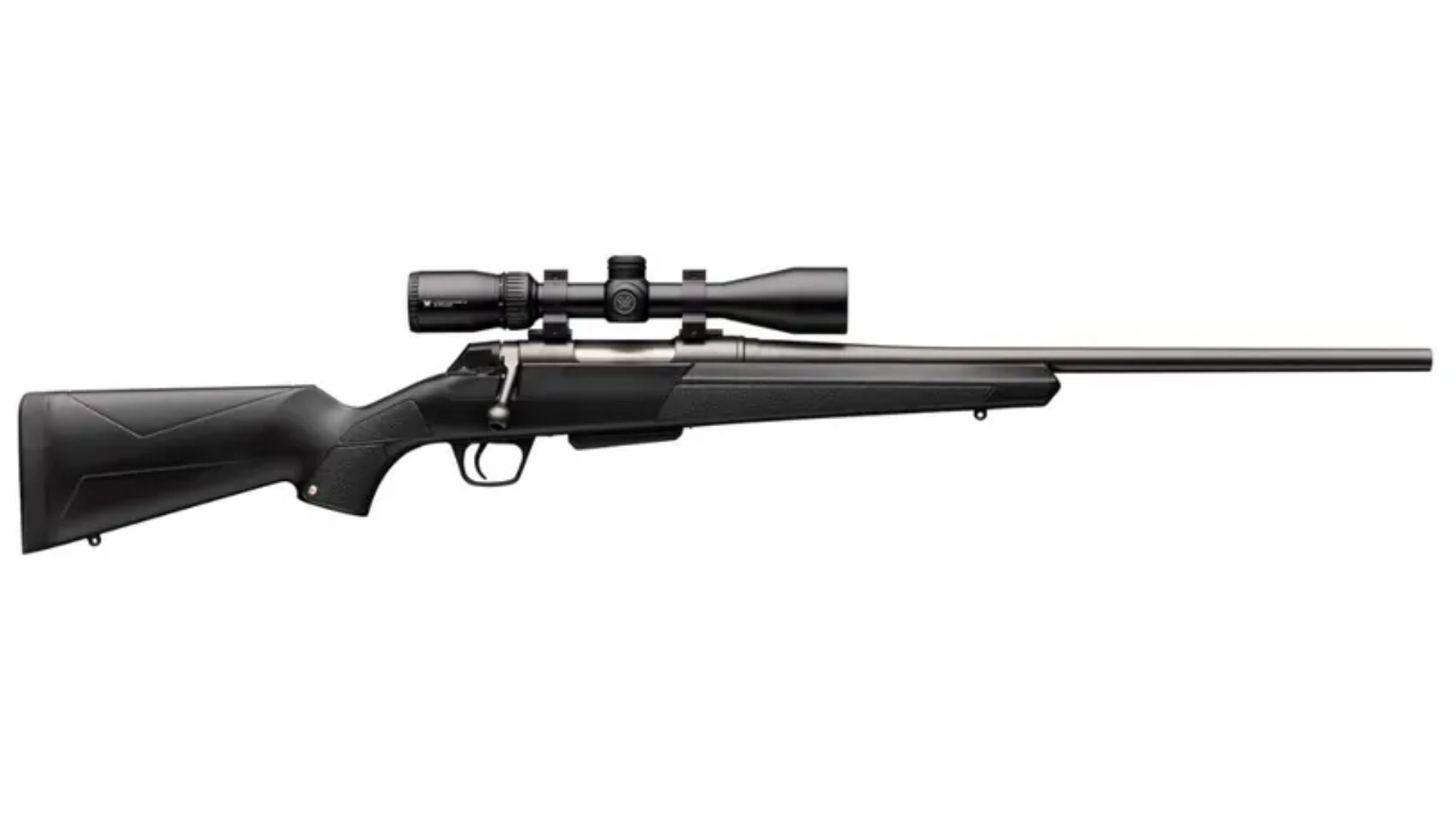
The Winchester XPR is a perfectly serviceable hunting rifle, but many shooters run into accuracy ceilings that premium ammunition can’t overcome. The trigger feel varies from rifle to rifle, and the polymer stock can shift slightly under pressure, creating point-of-impact changes you can’t tune out with ammo alone.
Even when you try the best bullets on the market, the rifle often settles into “good enough” performance rather than anything impressive. It’s a rifle that shoots fine for close-range deer but leaves you wishing the premium ammo you bought could actually show its full potential.
Mossberg Patriot
The Mossberg Patriot draws people in with its price and looks, but accuracy can be unpredictable. Even when shooters run premium hunting ammunition through it, the rifle sometimes struggles to deliver consistent groups. The light profile barrel can heat quickly, and once it does, groups often start walking.
You can try premium loads from multiple manufacturers and still end up with flyers that don’t make sense. Some Patriots shoot well, but the weaker performers make you realize that not even expensive ammo can force consistency out of a rifle that doesn’t have solid fundamentals.
Remington Model 710
The Remington 710 is known for being difficult to coax into true accuracy, even when you feed it premium ammunition. The pressed-in bolt head and budget barrel design create variables that high-end ammo simply can’t overcome. Shooters often saw wide swings in group size, even from the same lot number.
You can burn through the best ammo on the shelf and still feel like the rifle is fighting you. When a platform is this inconsistent, premium bullets won’t save it—the rifle simply lacks the refinement it needs for dependable performance.
Browning A-Bolt III
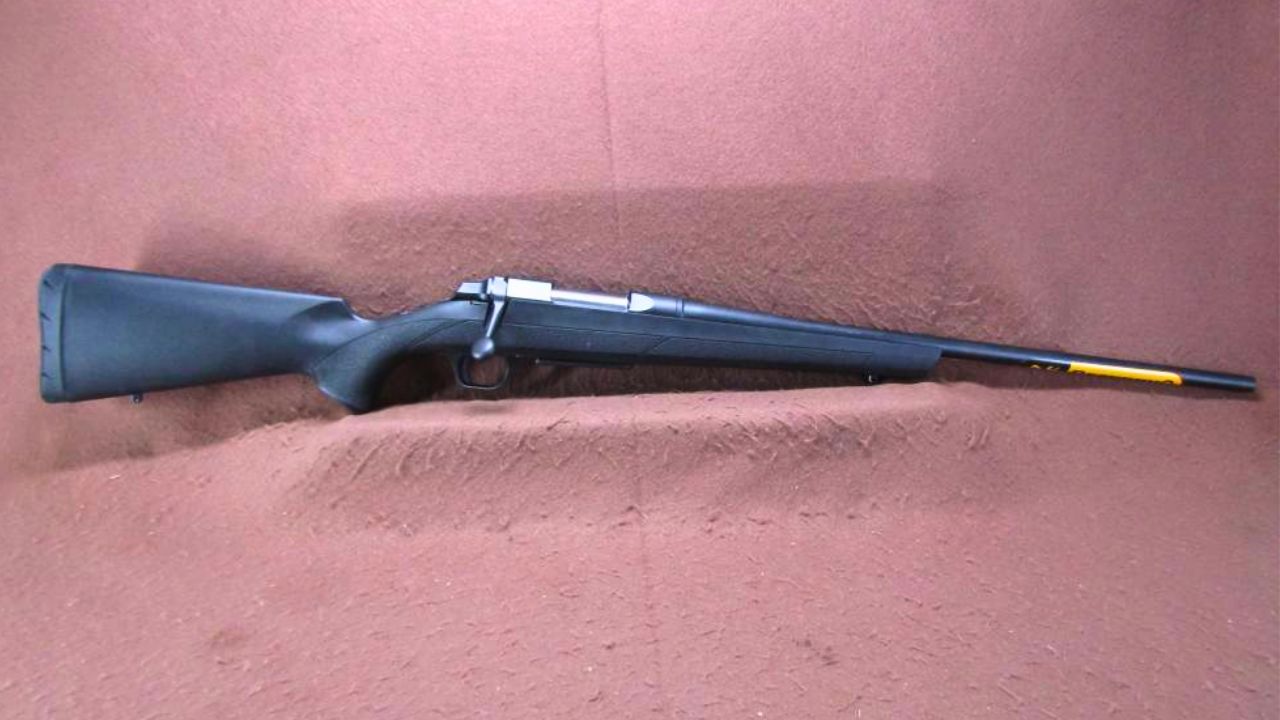
The A-Bolt III has solid ergonomics and a name that inspires confidence, but accuracy doesn’t always live up to expectations. The polymer stock can flex more than you’d expect on a rifle with this branding, and even premium ammo can’t always overcome the inconsistencies that creates.
Some rifles shoot well, while others settle into mediocre patterns regardless of load choice. You can try heavier bullets, lighter bullets, bonded bullets—you name it—and the results often land in the same “almost there” zone. It’s a rifle that teases potential but rarely lets premium ammo shine.
Thompson/Center Compass (Early Runs)
Early-run T/C Compass rifles had accuracy issues that premium ammunition couldn’t consistently fix. The barrels were prone to rough spots that took a long time to smooth out, and the bedding system sometimes allowed subtle shifts that showed up on paper.
Even with high-end hunting loads, you’d see those unpredictable flyers that made you question everything from scope mounts to shooting form. Later models improved, but the early rifles left many shooters frustrated after burning through expensive ammo without seeing dependable accuracy.
Howa 1500 (In Poor Factory Stocks)
Howa actions are excellent, but the problem lies in some of the cheap factory stocks paired with them. Those flimsy polymer stocks can create pressure inconsistencies that premium ammo simply can’t overcome. You’ll get a couple of good groups, followed by a head-scratching spread that looks nothing like the previous shots.
Shooters who upgrade the stock often see instant improvement, which tells you everything you need to know. Until then, even the best ammo struggles to show what the barrel is truly capable of.
Remington R-25 (AR-10 Platform)
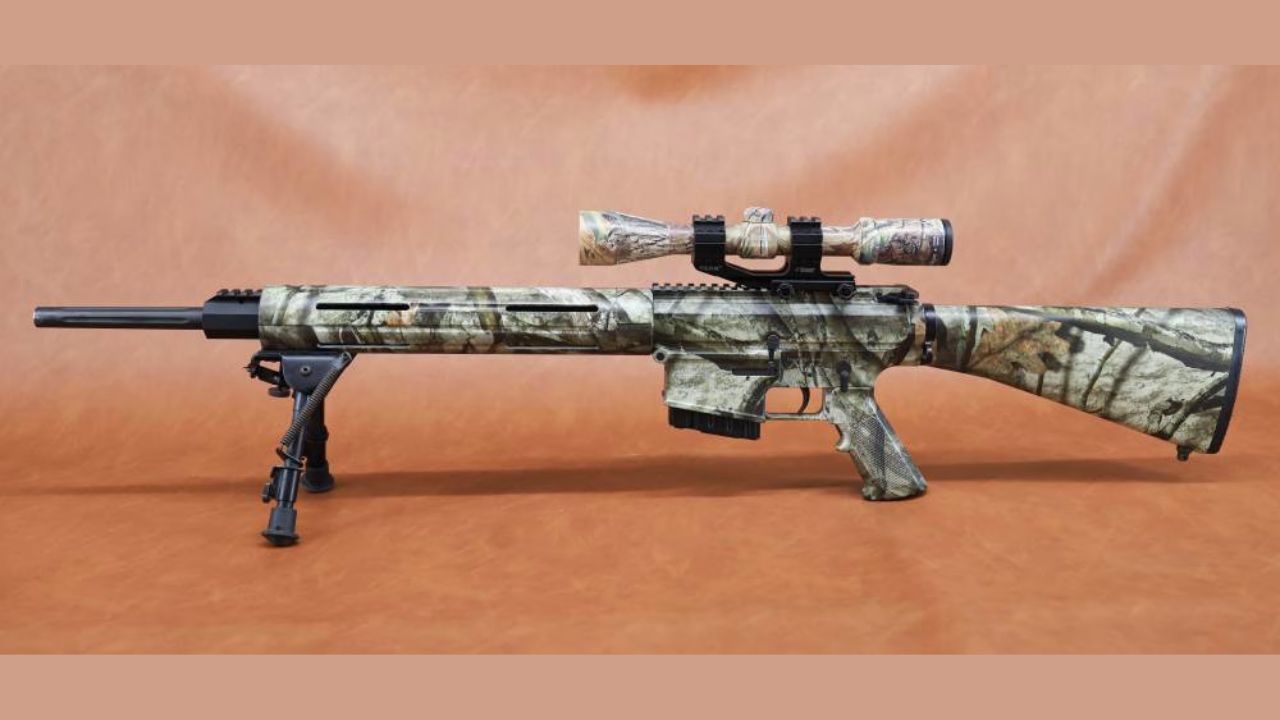
Some Remington R-25 rifles never lived up to the accuracy people expected from an AR-10, even with top-tier hunting ammunition. The platform had variations in barrel quality and gas system tuning that made premium ammo behave unpredictably.
Shooters often found that groups shifted as the rifle heated, or that certain premium loads never settled into a consistent pattern. With rifles like this, you eventually accept that expensive ammo won’t fix what’s essentially an inconsistent setup.
Weatherby Vanguard Synthetic (Certain Chamberings)
The Vanguard synthetic models are usually accurate rifles, but certain chamberings—especially lightweight big-game options—sometimes struggle to perform with premium ammunition. The rifle might favor one specific bullet weight and shoot everything else poorly, even when those loads are premium-grade.
If you’re unlucky enough to own one that’s picky, you’ll burn through a stack of pricey ammo before seeing mediocre groups. The capability is in there, but matching the exact load can be frustrating, and not all premium offerings play well with these rifles.
Ruger Mini-30
The Mini-30 is a reliable carbine, but accuracy has always been a weak point. Even with premium 7.62×39 ammo—whether brass-cased or high-quality hunting loads—the groups rarely tighten enough to inspire confidence past moderate ranges.
The platform simply wasn’t designed with precision in mind, and the barrel profile doesn’t help. You can feed it the most expensive ammo available and still end up with groups that feel more like guesswork than precision. It’s dependable—but not a precision tool.
Henry Long Ranger (.308)

The Long Ranger offers great handling and smooth operation, but accuracy can vary more than you’d expect for the price. Even with premium .308 ammunition, some rifles show inconsistent groupings that leave shooters scratching their heads.
The lever-action design adds variables that premium ammo can’t always overcome. While some rifles shoot impressively, others never lock into predictable patterns, even with the best hunting loads. When the ammo is top-tier and the rifle still struggles, you quickly realize you’re chasing performance that won’t materialize.
PTR-91 (Certain Barrel Variants)
The PTR rifles are rugged and reliable, but not all barrel variants deliver tight groups, even with high-end ammunition. The roller-delayed system and heavy recoil impulse can make it difficult to get consistent hits on paper.
Premium ammo helps, but it doesn’t turn the platform into something it isn’t. You’ll still see groups larger than expected, especially compared to modern semi-auto .308 rifles. It’s a rifle built for durability, not precision—and no amount of expensive ammo changes that.
Ishapore 2A1 Enfield (7.62 NATO)
These rifles have historical appeal, but accuracy can be unpredictable, even when you feed them premium 7.62 NATO or .308 hunting ammunition. Many rifles have worn bores, variations in headspace, or wandering zero issues tied to age and use.
Even with the best loads available, you’ll often get inconsistent patterns that limit practical range. Premium ammo simply can’t make a surplus rifle with decades of wear perform like a modern hunting rifle. It’s enjoyable to shoot, but not a precision tool—no matter what you feed it.
Like The Avid Outdoorsman’s content? Be sure to follow us.
Here’s more from us:


