

Photo credit: Archlane/Shutterstock.com
If you carry a firearm regularly, there’s a good chance your ammo has been sitting in that mag for a while. And while modern ammo is reliable, it’s not invincible. Moisture, temperature swings, and just the wear from daily carry can eventually mess with performance. Rotating your carry ammo is one of those small habits that could really matter when it counts.
So how often should you swap it out? Let’s talk through it.
Every 6 Months Is a Safe Bet

Most people rotate their carry ammo every six months, and that’s a solid habit to keep. It’s enough time to catch any environmental damage without being overkill. Your ammo gets exposed to sweat, humidity, and dirt from just being near your body every day.
Even if your rounds look fine, internal corrosion or seal degradation can still happen. Swapping them out twice a year keeps you in a good spot, and it gives you a chance to shoot your old carry ammo and confirm it’s still feeding properly.
Rotate After Exposure to Extreme Conditions

If you’ve been out in the rain, snow, or summer heat for extended periods, consider rotating your carry ammo early. Moisture can get into even sealed rounds over time, especially if your holster isn’t doing much to protect it.
Also, temperature swings can affect primer and powder reliability. If your ammo has been riding through hot car days or cold treestand mornings, go ahead and swap it out just to be safe.
Check for Visible Damage or Corrosion

Every now and then, pull your mag and take a close look at the rounds. Tarnished brass, green spots, or small dents are all signs you should toss that ammo into the practice bin. Even if it’s still “probably fine,” do you really want to bet on “probably” if you ever need it?
Damage can happen faster than you’d think, especially with pocket lint and humidity tagging along. A quick visual check every few weeks helps you catch issues before they matter.
Don’t Keep Chambering the Same Round
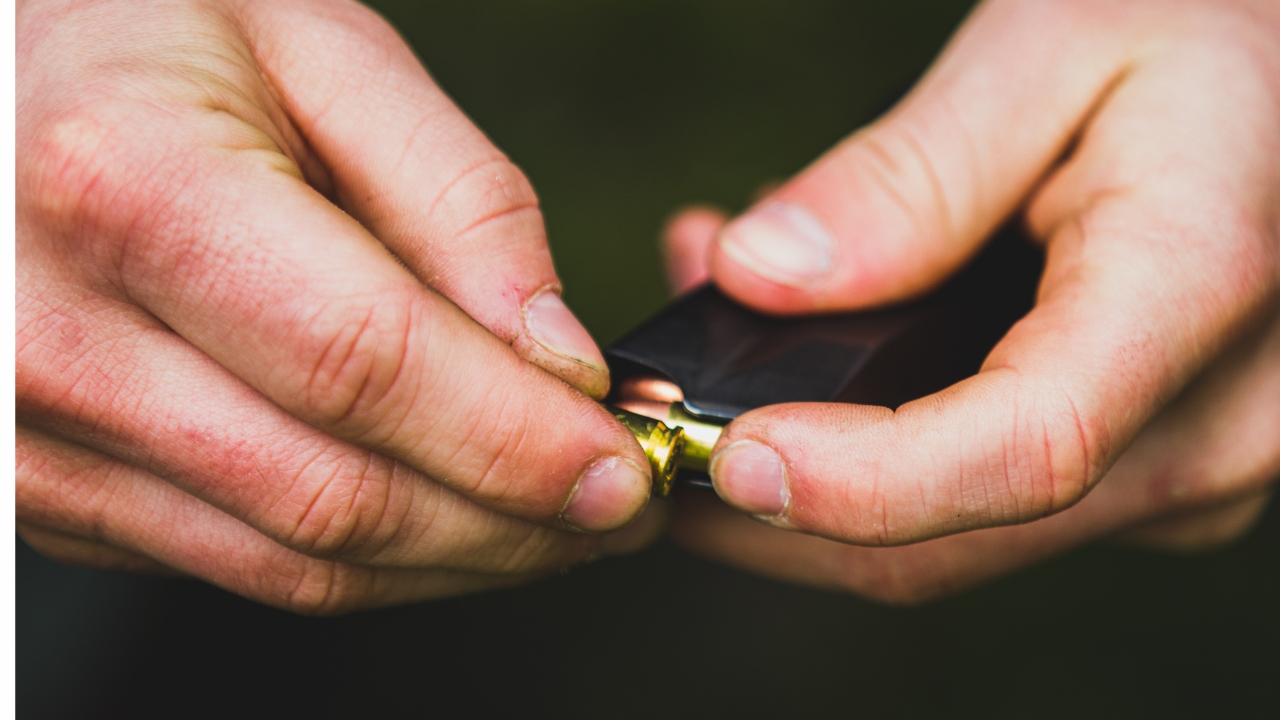
If you’re someone who unloads and reloads their carry gun frequently, be careful about repeatedly chambering the same round. That first cartridge can get its bullet pushed deeper into the case over time, which can actually cause pressure issues.
Best practice? Rotate the top round with a different one every few unload/reload cycles, or just avoid unloading unless you have to. If one round has been chambered too many times, retire it.
Practice with What You Carry

One easy way to rotate carry ammo is to just shoot it. Take your old carry rounds to the range and run them through your gun. It’s a good chance to check for reliability and recoil feel compared to cheap range ammo.
Doing this every few months keeps you familiar with your actual carry loadout, and you’ll know your gear is still working how it should. Plus, it makes room for a fresh batch in your mag.
Keep Track With a Simple Reminder

It’s easy to forget when you last changed your carry ammo. Set a reminder on your phone or mark it on a calendar. Some people tie it to daylight saving time changes or holidays so it becomes a habit.
If you’re not tracking it somehow, it’s easy to let a year or more go by. A little reminder goes a long way, especially for something that doesn’t look urgent—until it is.
Swap If Your Ammo Gets Wet

Whether you got caught in the rain or your gun took a splash, wet ammo is a reason to rotate. Water can sneak past the bullet or primer seal and mess with powder or primer reliability. You might not see the damage, but it can still be there.
Even if it dries out and looks fine, there’s no good reason to keep it for carry. Toss those rounds into the practice pile and load up with fresh stuff you trust.
Store Spare Ammo Properly

If you keep backup carry ammo at home, make sure it’s stored right. A cool, dry place away from major temperature swings is best. Ammo lasts a long time when stored properly, but moisture and heat will shorten its shelf life quick.
Use airtight containers or ammo cans with desiccant packs to keep humidity out. That way, when it’s time to rotate your carry load, you’ve got fresh, reliable replacements ready to go.
*This article was developed with AI-powered tools and has been carefully reviewed by our editors.


