Photo credit: Tom Tietz/Shutterstock.com
When you’re picking a hunting cartridge, most arguments happen in the space between the counter and the checkout line. Out in the field, it gets a lot clearer. You need a round that penetrates when angles aren’t perfect, carries enough energy to break heavy bone when it has to, and shoots flat enough that you’re not guessing at distance. Past that, the “right” choice is the one you can actually shoot well—because a good bullet in the right place beats a bigger cartridge that makes you flinch.
This is a straight, practical match-up: one cartridge per animal, built around what works in the real world. These aren’t novelty picks, and they aren’t meant to impress anybody. They’re cartridges you can buy, practice with, and trust when it’s time to do the work.
Whitetail deer: .308 Winchester
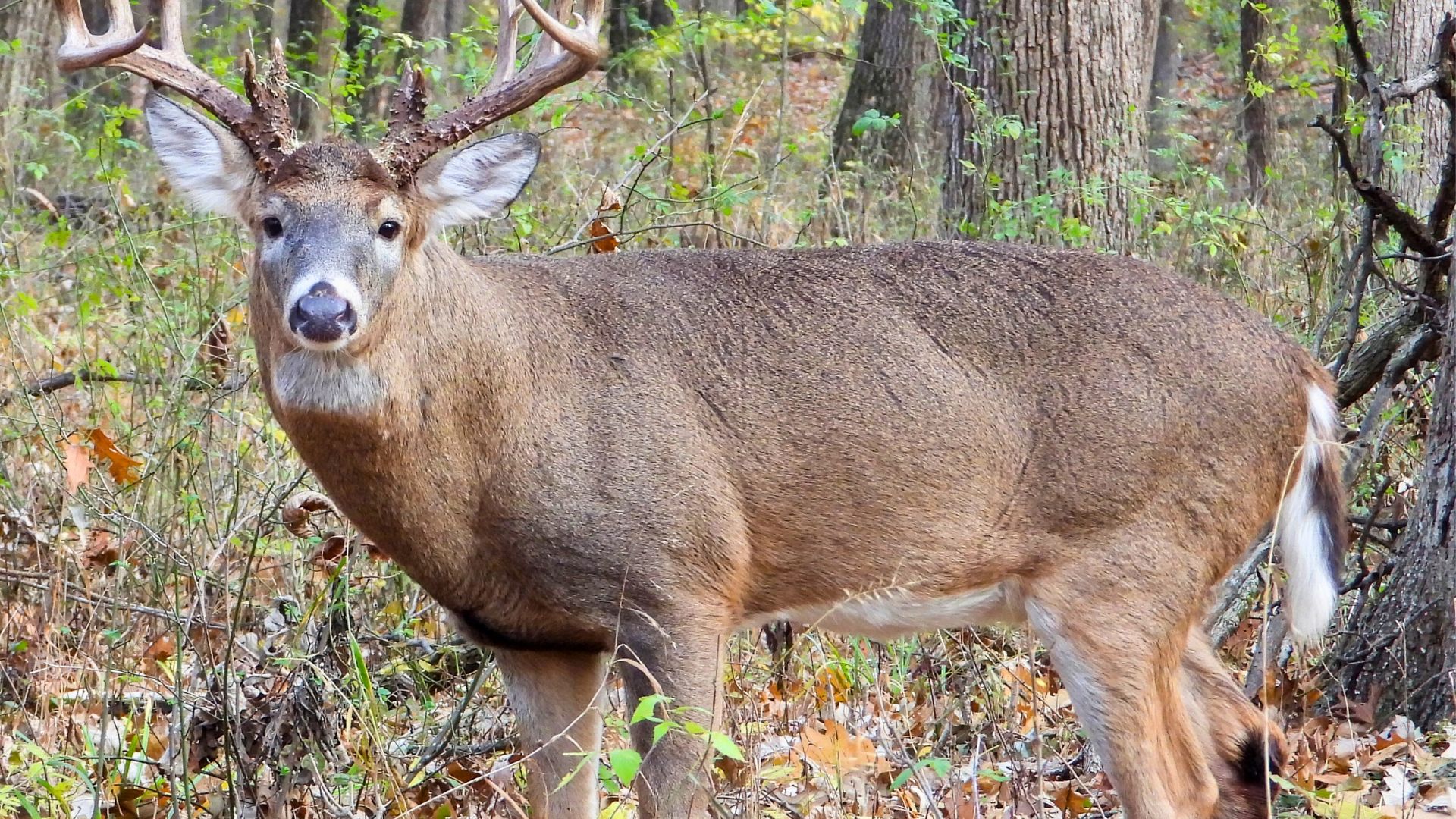
If you want one whitetail cartridge that doesn’t create problems, .308 Winchester is hard to beat. It hits plenty hard, it’s easy to find, and it shoots accurately in a huge range of rifles. You’re not relying on speed tricks, and you’re not dealing with punishing recoil.
With good 150- to 165-grain hunting bullets, the .308 gives you reliable penetration and clean kills from typical stand distances out through open-country shots when you do your part. It’s also forgiving in shorter barrels, so you can carry a handy rifle without giving up much performance. If you’ve got one rifle for whitetails and you don’t want to overthink it, .308 keeps the whole thing straightforward.
Mule deer: .270 Winchester

Mule deer hunting often means more wind, more distance, and more time behind the glass. That’s where .270 Winchester still earns its reputation. It shoots flat, drifts less than a lot of slower rounds, and carries enough punch for deer-sized game without beating you up.
With modern bullets in the 130- to 150-grain range, the .270 gives you the penetration and controlled expansion you want, even when you hit shoulder. It also tends to be easy to shoot well, which matters when you’re trying to place a shot across a canyon or through a gusty ridge. Plenty of newer cartridges try to live in this lane. The .270 has been doing it for a long time, and it still holds up.
Pronghorn: .25-06 Remington
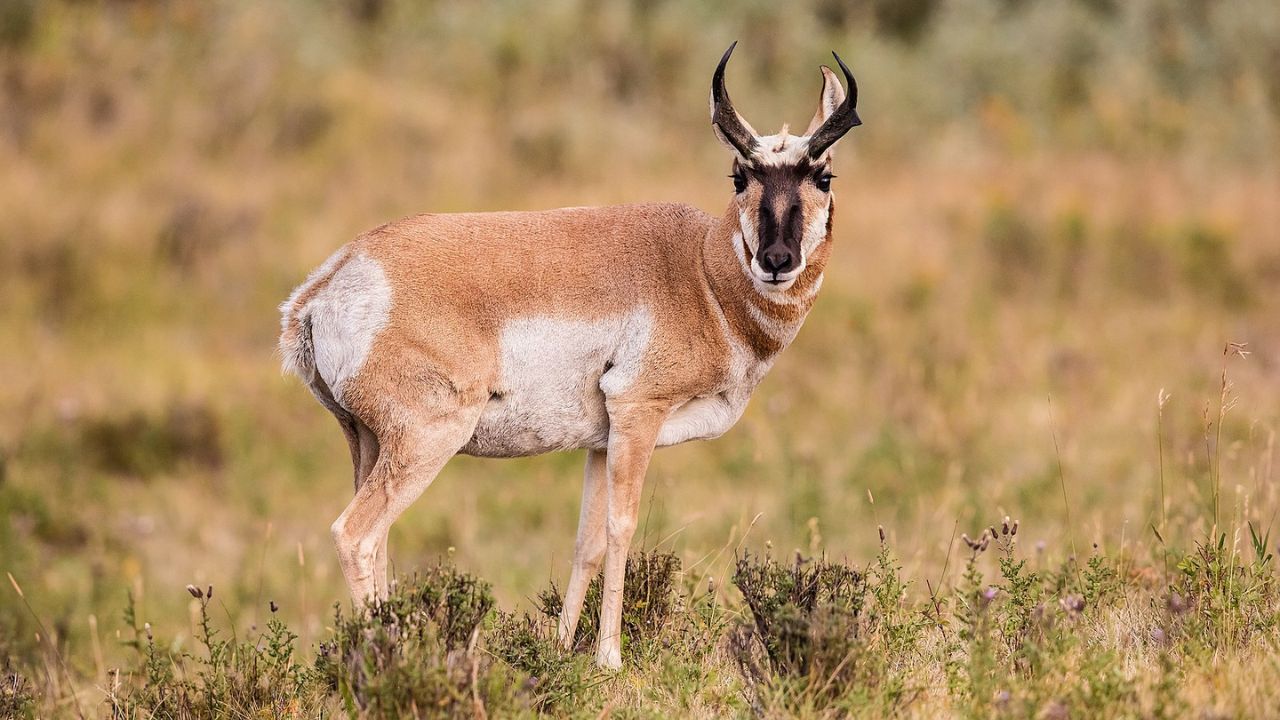
Pronghorn are built light, but they live in open country where shots can stretch fast. .25-06 Remington fits that reality. It’s flat-shooting, accurate, and it carries enough energy to put an antelope down cleanly without turning the recoil into a problem.
Run a quality 100- to 115-grain hunting bullet and you get reliable performance with minimal drama. The cartridge also keeps you honest because it’s pleasant to practice with—meaning you’ll actually learn your dope and build confidence. Pronghorn hunts can turn into long-range shooting contests if you let them, but they don’t have to. A .25-06 gives you reach and precision without forcing you into magnum territory.
Elk: .30-06 Springfield

Elk are where wishful thinking gets exposed. You need penetration, you need a bullet that holds together, and you need enough cartridge to keep driving when the angle isn’t perfect. .30-06 Springfield is still one of the cleanest answers because it balances power, shootability, and bullet choice better than most.
With 165- to 180-grain bullets—especially bonded or monolithic designs—you get the kind of straight-line performance that makes an elk hunt feel less like a gamble. It also works in all sorts of rifles, and ammo is available everywhere. That matters when you’re traveling or hunting out West. A lot of cartridges can kill elk. The .30-06 does it while keeping recoil reasonable enough that you’re more likely to shoot the way you should.
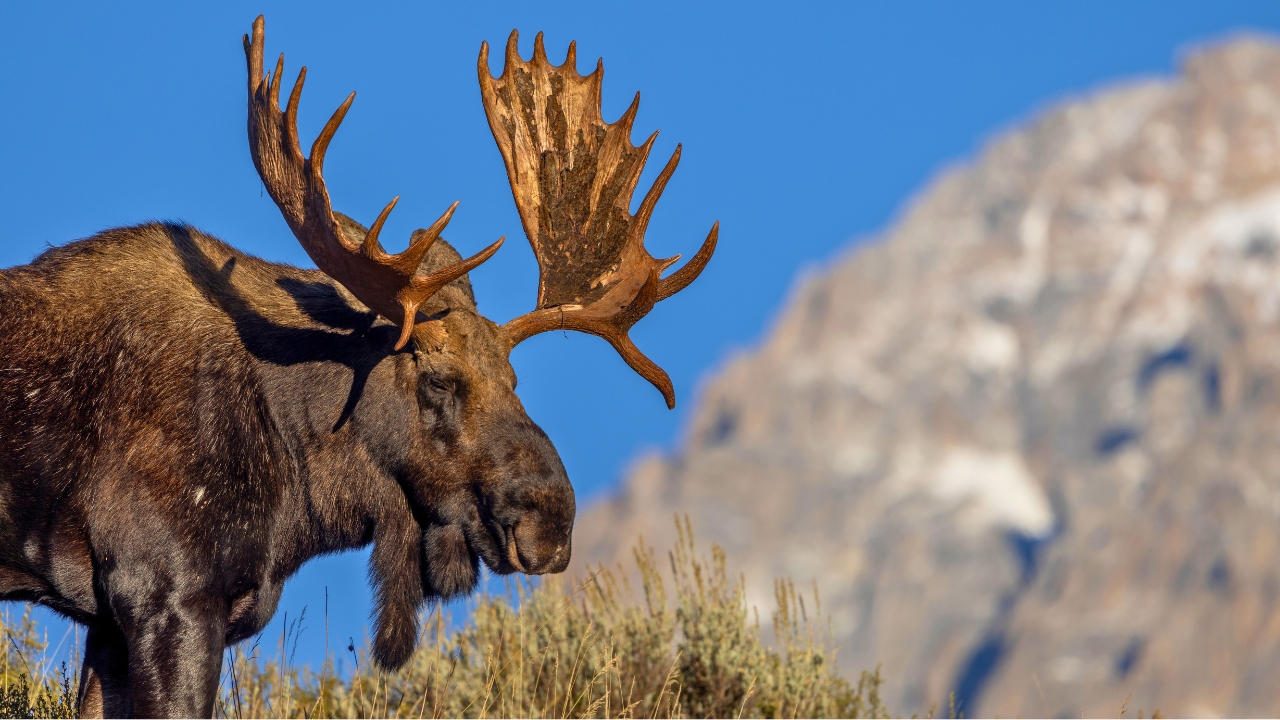
Moose: .300 Winchester Magnum

Moose are big, heavy, and built to soak up punishment, especially if you hit them wrong. .300 Winchester Magnum gives you extra margin without forcing you into extreme recoil or specialized ammo. It’s a practical step up when you want reach, energy, and deep penetration in one package.
With tough 180- to 200-grain bullets, the .300 Win Mag will break heavy bone and keep going. It also stretches your effective range in open country, which matters on some moose hunts where the shot might come across a lake or a cut. The key is shooting it well—because it’s still a magnum. If you can handle it confidently, it’s one of the most proven moose cartridges you can carry.
Caribou: 7mm Remington Magnum

Caribou can look like a “deer-sized” problem until you’re dealing with wind, distance, and a moving target in wide-open country. 7mm Remington Magnum shines here because it shoots flat, carries energy well, and offers excellent bullet selection for deep, controlled penetration.
Run a quality 150- to 175-grain bullet and you’ve got a cartridge that can handle quartering shots without coming apart. The 7mm Rem Mag is also widely available compared to many newer 7mm options, which matters when you’re flying into remote places and you want a backup box of ammo that actually exists. It’s a cartridge that gives you reach without feeling like you’re hauling a cannon, and it matches how caribou hunts often play out.
Black bear: .44 Magnum

Black bears aren’t indestructible, but they’re thick where it counts and they don’t always give you a clean broadside. If you’re carrying a handgun specifically for bear protection and you want a realistic, proven caliber, .44 Magnum belongs on the shortlist. It offers deep penetration and heavy bullets that keep driving.
The important part is controllability. A .44 you can’t shoot well is a bad deal. But in a solid revolver with the right grips—and with enough practice—you can place hits fast and keep them coming. Use heavy, penetration-focused loads and you’re giving yourself the kind of performance that matters when distance is short and time is shorter. For black bear defense, .44 Magnum is widely respected because it works without relying on luck.
Grizzly and brown bear: .338 Winchester Magnum

If you’re talking true big bears, you want a rifle cartridge that carries authority and penetrates hard without becoming a specialist round you can’t find. .338 Winchester Magnum is one of the most established answers for that job. It hits heavy, drives deep, and has decades of proven use on large, tough game.
With 225- to 250-grain bullets built for penetration, .338 Win Mag gives you the kind of performance that can break major bone and still reach vital organs. It’s also common enough that you can source ammo and bullets without hunting the internet for weeks. Recoil is serious, so your rifle setup and your practice matter. But if you want a cartridge that’s realistic, available, and built for big bears, .338 Win Mag is a clean choice.
Bighorn sheep: 6.5 Creedmoor

Sheep hunting is mostly about shot placement in hard terrain, often after a long climb and a long wait. 6.5 Creedmoor earns its spot because it’s accurate, manageable to shoot, and effective when you pair it with a sturdy hunting bullet. It helps you keep your fundamentals together when you’re tired and breathing hard.
Use a quality 140-ish grain bullet designed for penetration, and the 6.5 will handle sheep cleanly at realistic distances. The cartridge also makes practice easy. You can shoot it a lot without developing bad habits, and that’s a major advantage in a hunt where one shot matters more than anything else. Sheep aren’t thick-skinned, but they live in places where wind and angle complicate everything. The Creedmoor helps you make the shot you came for.
Mountain goat: .280 Remington

Mountain goats live in steep, ugly places where you might need to thread a shot through wind and awkward angles. .280 Remington is a classic answer that still performs like it belongs in the modern world. It offers a strong blend of trajectory and bullet weight without pushing recoil into the “I don’t want to practice” zone.
With 140- to 160-grain bullets, .280 gives you dependable penetration and enough reach to make sense in open alpine country. It’s also easy to tune into a rifle that shoots well, and it’s comfortable enough that you can practice until your confidence is real. Goats aren’t huge, but they can be tough and they don’t always cooperate about shot angle. A .280 with a well-constructed bullet gives you clean performance without forcing you into a hard-kicking magnum.
Wild hog: .35 Remington

Hogs can be deceptively tough, especially big boars with heavy shoulders and a bad attitude. .35 Remington has been handling that problem for a long time. It hits hard at typical hog distances, penetrates well, and tends to leave clear results when the shot is placed right.
A good 200-grain load gives you the kind of straight-line performance you want when the angle isn’t perfect. This cartridge also lives in rifles that carry well in thick cover—where hog hunting often happens. It’s not a long-range round and it doesn’t pretend to be. It’s built for close to moderate distances where things happen fast. When you’re hunting hogs in brush, timber, or along feeder lanes, .35 Remington still stacks up because it does the work and keeps moving.
Axis deer: .243 Winchester

Axis deer are larger than whitetails in many places, and they can be surprisingly tough when you hit them poorly. .243 Winchester works well here because it’s accurate, flat enough for open country, and easy to shoot well—which usually leads to better shot placement and quicker recoveries.
The key is bullet choice. Run a controlled-expansion 95- to 105-grain hunting bullet and you get penetration that holds up far better than the old “varmint round” jokes. Axis hunts can involve longer shots and a lot of walking, so a cartridge that doesn’t beat you up helps you stay sharp. When you can practice a lot and place your shots, .243 becomes far more effective than people give it credit for. On axis deer, it’s a practical, realistic pick.
Sika deer: 7mm-08 Remington

Sika deer aren’t giant, but they’re compact, tough, and often hunted in thick cover where the shot comes quick. 7mm-08 Remington fits that perfectly. It gives you more bullet weight and penetration than the small bores, without the recoil and blast that make people shoot worse.
With 140- to 150-grain bullets, 7mm-08 hits with authority and tends to punch through well when the angle isn’t ideal. It also performs great out of shorter, handy rifles—exactly the kind you want in swampy, brushy, or timber-heavy sika country. Ammo is common enough and the cartridge is widely respected because it’s efficient. If you want a round that carries like a deer cartridge but hits like it means it, 7mm-08 is hard to argue with.
Nilgai: .300 WSM
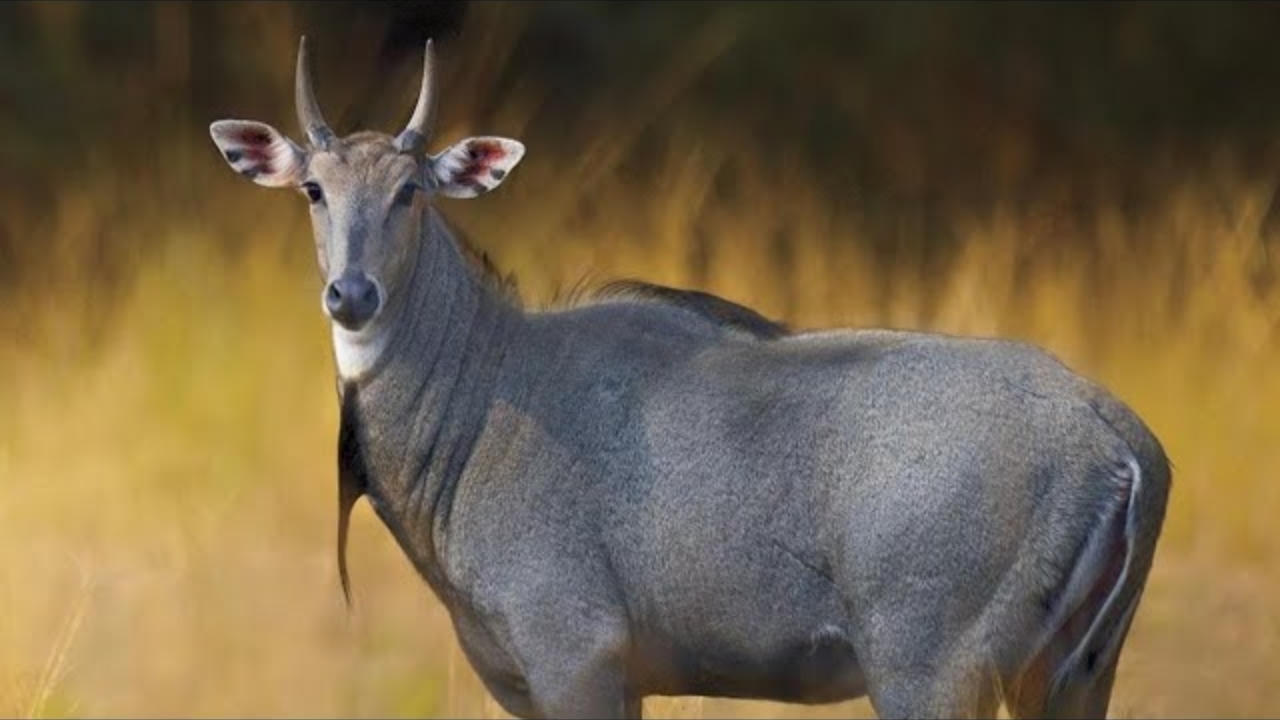
Nilgai are the kind of animal that makes you respect penetration. They’re heavy-boned, thick-shouldered, and they don’t always react the way deer do. .300 WSM is a realistic choice because it brings serious performance in a short-action package, with plenty of bullet options built for deep, controlled penetration.
Run a tough 180- to 200-grain bullet and you’re set up for the kind of shoulder-breaking, organ-reaching hit nilgai sometimes require. The cartridge also gives you range for open country, where nilgai hunts often happen. Recoil is noticeable, but many rifles chambered in .300 WSM handle well and carry nicely. Nilgai don’t reward light, fragile bullets. A .300 WSM with a strong bullet gives you a clean, dependable tool for an animal that can humble casual choices.
Cape buffalo: .375 H&H Magnum

If you’re hunting Cape buffalo, there’s a reason the .375 H&H Magnum keeps showing up in the same conversation decade after decade. It offers the penetration, bullet weight, and track record you want on one of the toughest animals hunters pursue. It’s widely accepted because it works.
With heavy bullets designed for dangerous game, the .375 H&H gives you deep penetration and reliable straight-line performance. It also tends to feed smoothly, which matters more than people admit when things get tense. Recoil is real, but it’s manageable for many shooters with a properly set up rifle. Buffalo hunting is not the place to gamble on borderline cartridges or trendy solutions. If you want “no guesswork,” .375 H&H is one of the most straightforward, proven answers you can carry.
If you want one cartridge for most of these: .30-06 Springfield

If your hunts bounce between deer, bear, elk, and the occasional bigger tag, the .30-06 is still one of the smartest “one rifle” answers you can pick. It has enough bullet weight and case capacity to handle a wide range of animals, and it does it without forcing you into magnum recoil.
You can run lighter bullets for deer-sized game and step up to heavier, tougher bullets for elk and moose. Modern bullet construction makes that flexibility even more useful, because you can choose loads that penetrate and hold together without giving up accuracy. The other advantage is practical: rifles are everywhere and ammo is everywhere. That means you can practice enough to be genuinely confident. When you want one cartridge that covers most big-game situations without drama, .30-06 still earns its place.
Like The Avid Outdoorsman’s content? Subscribe to our newsletter so you never miss an article.
Here’s more from us: