Image Credit: Budjak Studio/Shutterstock.com
ublic land hunting can test your patience quicker than a busted treestand strap. Between the pressure, the crowds, and the terrain, it’s easy to feel like you’re spinning your wheels. But that doesn’t mean it’s not worth it. You just have to hunt smarter than the next guy.
I’ve had some great hunts on public dirt—but they didn’t happen by accident. They happened because I put in the time, stayed mobile, and didn’t let the chaos get in my head. If you’re looking to make the most of public land without losing your mind, here’s what’s worked for me.
Scout Way Before the Season

If you’re showing up opening day without laying eyes on the land, you’re already behind. Scouting early lets you learn where folks are entering, where deer are moving, and where pressure pushes them. Use mapping apps to mark good funnels, bedding cover, and spots that get overlooked. Then put boots on the ground and confirm it.
Public land fills up fast once the season kicks off. If you wait until then to start figuring it out, you’re going to spend more time bumping into other hunters than you are seeing deer.
Go Deeper Than the Crowd

Most public land hunters don’t like to stray far from the truck. That’s your advantage. The deeper you go, the fewer boot tracks you’ll see. That doesn’t always mean miles—it might be a nasty thicket or steep ridge that most folks avoid. Deer know those places, and they use them.
It’s not about being reckless. It’s about being willing to sweat a little. Pack smart, go in early, and make it worth the walk. Some of the best hunts I’ve had came after I hiked farther than I really wanted to.
Hunt Off-Hours

Weekends and opening mornings are like rush hour in the woods. Everybody wants in at once. But weekday hunts, midday sits, or late-season mornings can be quieter and way more productive. Pressured deer adjust their patterns—and so should you.
If you’ve got flexible time, use it. That Tuesday afternoon hunt might be the one where you finally get to watch the woods wake up without hearing someone coughing 100 yards away.
Avoid Obvious Access Points

Trailheads, parking lots, and marked access points are magnets for pressure. You’re better off slipping in from a different angle. Look for ditch crossings, easements, or creek bottoms that lead to less-obvious stand locations. Deer feel that pressure too—and they avoid it.
Most guys park and walk straight in. If you can find a way to move in sideways or backdoor a bedding area, you’ll be in better shape than 90% of the other hunters out there.
Keep Your Setup Mobile

A lightweight stand or saddle setup makes you unpredictable—which is a good thing. Public land deer get pattern-trained fast. If you’re hunting the same tree three days in a row, they’ve already figured you out.
Mobility means you can slip into fresh sign and adjust based on what you’re seeing. If something feels off, pack it up and move. Public land rewards guys who stay flexible and hunt where the action is—not where they “want” it to be.
Expect Company and Stay Cool

You’re going to run into people. It’s public land. Don’t let it ruin your hunt or get under your skin. Wave, be respectful, and move on. Getting mad or starting drama is a fast way to wreck your whole day—and everyone else’s.
Have backup spots. If someone’s parked where you planned to go, shift to plan B or C. The guys who keep their cool and adapt are the ones who punch tags while everyone else is griping.
Know the Rules

Every public land unit has different rules. Some allow baiting, others don’t. Some are archery-only, others rotate zones. Know before you go, or you’ll waste your time—or worse, get a ticket.
Check the regs, carry your permits, and know what’s legal where you’re standing. It sounds basic, but I’ve seen more than one hunt go sideways over something that could’ve been avoided with a little reading.
Stay Until the End
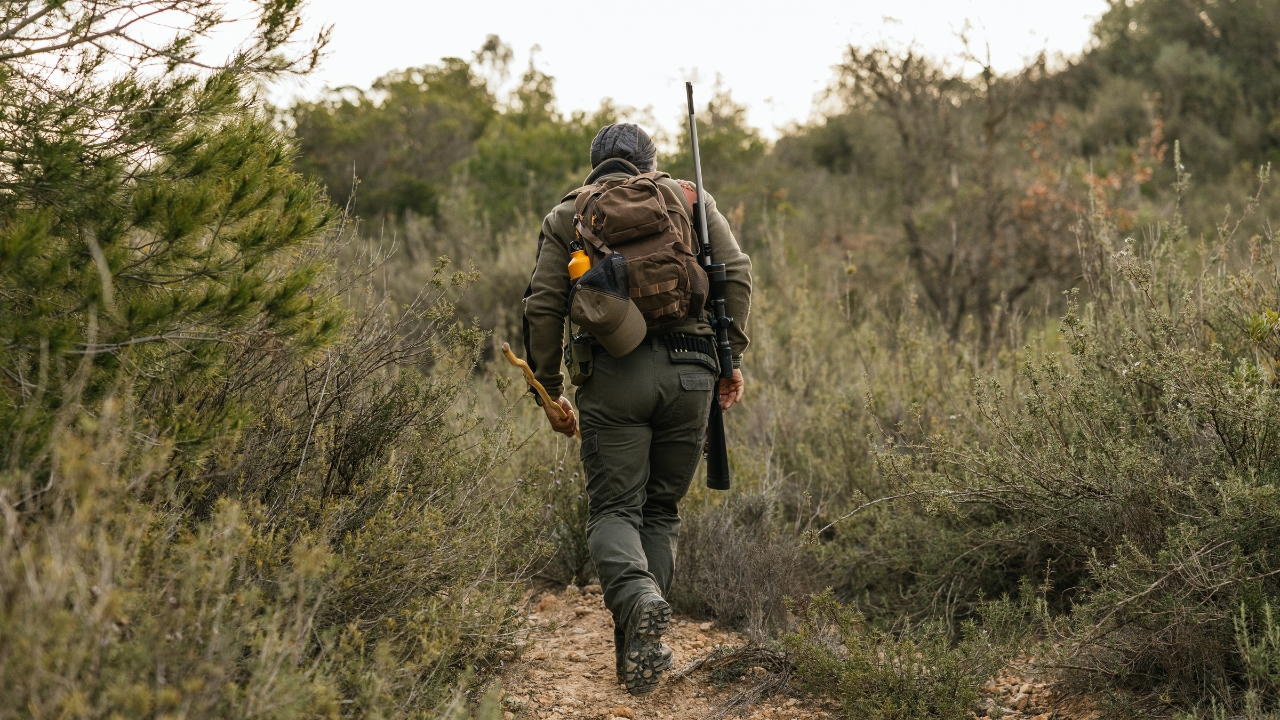
Opening day gets all the attention, but late season is when the serious hunters fill their tags. A lot of guys burn out or tag out early. That means fewer people in the woods and deer moving more naturally again.
Stick with it. Hunt the thick stuff. Glass cut fields from afar. When snow starts flying, deer have to move to eat—and that’s your shot. Late season success takes grit, but it pays off.
*This article was developed with AI-powered tools and has been carefully reviewed by our editors.