Photo credit: Petr Svoboda/ Shutterstock.com
Most deer hunters think they’re quieter in the woods than they really are. You climb into your stand feeling like you slipped in unnoticed, but mature deer are already adjusting to the little noises you didn’t realize you made. Stands creak, fabric swishes, metal taps, and subtle vibrations travel a lot farther in calm timber than most hunters assume.
When your setup makes small, repeated noises, deer start patterning you long before you ever see them.
Once you begin listening the way a whitetail does, you understand how much noise your setup creates—and how easily it can cost you daylight movement.
Your stand platform flexes more than you realize
Most hunters never notice how much their platform flexes until they lean or shift their weight. That small movement transfers straight into the metal, producing a low groan or hinge pop that carries through the timber. You don’t hear it as clearly because you’re on top of it, but deer on the ground absolutely do.
Cold mornings make it even worse as metal stiffens and amplifies minor pressure changes. If a mature buck beds nearby, he’ll pick up that sound the moment you adjust your stance. Reducing flex and tightening hardware goes a long way toward staying undetected.
Your seat fabric makes noise every time you move
Mesh seats, padded seats, and even high-quality cushions create their own subtle sounds as you rotate or adjust your posture. Hunters get accustomed to the noise and tune it out, but deer don’t. The slow scrape of fabric rubbing against metal or itself is a dead giveaway in calm November air.
Those repeated shifts—turning slightly, leaning, sitting up straighter—build a pattern deer recognize. Switching to quieter materials, adding tension, or minimizing movement keeps those sounds from echoing across the woods at the worst possible moment.
Climbing sticks and steps rattle when temperatures change
Metal sticks and strap-on steps often loosen slightly when temperatures swing, even if you installed them perfectly. That tiny bit of play creates pops and pings when you climb or shift around the stand. You might not hear them after settling in, but the moment you move your weight, the metal announces it.
Deer don’t need the sound to be loud—they only need it to be unnatural. Making sure every connection is snug and checking hardware throughout the season keeps those temperature-driven noises from giving away your entrance or early-morning adjustments.
Your clothing layers create more noise than you think
Waterproof jackets, insulated pants, and even mid-weight synthetics create small crinkles with every lean or twist. In a quiet draw or ridge bowl, those noises carry like dry leaves underfoot. You may consider it normal hunting sound, but a mature buck knows the difference between natural movement and fabric shifting.
When you pair noisy clothing with a creaky stand, the result is a set of sounds deer quickly associate with danger. Choosing quieter materials or layering strategically cuts down on the noise you produce during routine movement throughout your sit.
Your bow or rifle bumps the stand far more than you realize
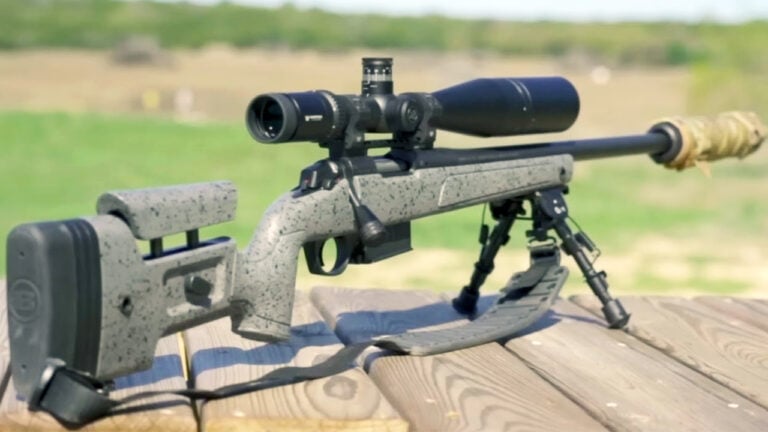
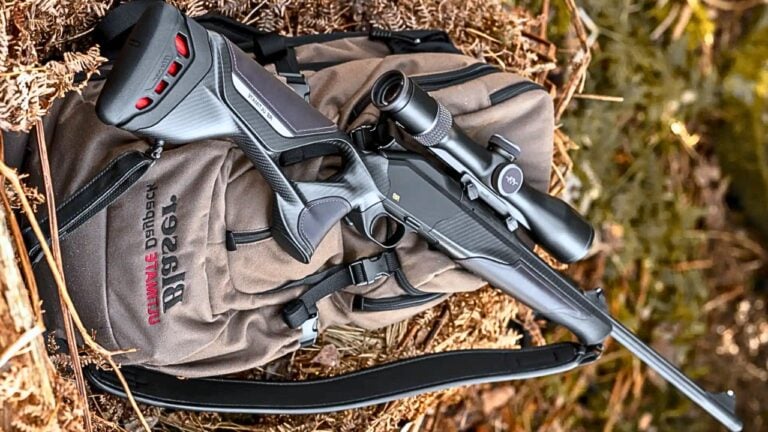
It takes very little contact between your weapon and your stand to produce a sharp metallic tick. That sound cuts through the woods in a way that immediately alerts deer. Even brushing the riser of a bow against the seat frame or letting your rifle touch a platform edge sends a clear signal.
Most hunters don’t recognize how often it happens because they’re focused on the shot. Wrapping key contact points or adjusting how your weapon sits can prevent those quick, unnatural noises that turn a cautious buck inside out.
The tree itself transmits sound down the trunk
When you shift your weight or brace against the tree, you’re not only making noise in the stand—you’re sending vibration straight down the trunk. Deer feel those vibrations through their feet long before they hear you. It’s one of the reasons they often freeze and listen without showing themselves.
Loose bark, shallow-rooted trees, or hollow timber amplify those vibrations even more. Choosing a sturdy tree and minimizing direct body weight against the trunk helps keep your presence from traveling farther than you expect.
Creaky straps and buckles announce every movement
Even high-quality straps settle over time, and once they lose tension, they start creaking when you shift around. Those small noises blend together to form a pattern deer quickly learn to avoid. A single adjustment in the stand can produce multiple strap noises if the entire system isn’t tight.
Most hunters assume their straps are silent because they don’t hear them while sitting still. The sound becomes obvious only when you’re close. Re-tightening everything mid-season reduces those creaks dramatically and keeps deer from picking you out.
Dangling gear makes noise without you noticing
Rangefinders tapping against binoculars, releases clinking on carabiners, and even zipper pulls brushing together create small, repetitive noises. When you turn or adjust, the movement multiplies and carries through the timber. Many hunters never realize how much their gear is chiming with every shift.
Keeping everything secured and eliminating loose items prevents these small but meaningful alerts. Deer don’t need a loud clank—just one unnatural tick is enough to stop them from stepping into the open.
Your boots scrape the platform during tiny adjustments
Standing, pivoting, or even flexing your feet slightly can create rubber-on-metal or rubber-on-grid sounds. Those scrapes may not seem loud to you, but on a quiet morning, they travel a surprising distance. A buck slipping along a ridge line will hear that long before he catches your scent.
Adding grip tape or ensuring your boots are clean and dry reduces the noise significantly. Even better, training yourself to reset your feet slowly and deliberately lowers the chance of catching a boot edge on the platform.
Wind makes loose material flap and tap
Loose straps, excess clothing fabric, and even rangefinder tethers start tapping or flapping in steady wind. You won’t catch most of it during the hunt because your focus is forward, but deer pick up those noises easily. It’s not the volume—it’s the unnatural rhythm that gives you away.
Securing loose fabric and trimming excess strap length keeps your setup quiet even on breezy sits. When the woods are moving, everything seems louder to a deer, not quieter.
Your entry route leaves noise longer than you think
Branches brushed aside, leaves kicked, and sticks cracked stay “audible” to nearby deer long after you think they’ve settled. Deer know the difference between natural forest sounds and the sharp disruptions humans create walking in. Even thirty minutes later, a mature buck may avoid that path because he recognized the disturbance.
A slower, quieter entry route does more than reduce noise in the moment—it preserves your entire sit. Anything that sounds abrupt or forced tells deer exactly where you came from.
You move more during a sit than you realize
Scratching your face, shifting your hips, adjusting layers, or checking your surroundings all produce noise when you’re suspended in a metal frame. These repeated small movements build a consistent sound pattern that deer quickly recognize as human.
You don’t need to be perfectly still, but practicing deliberate movement keeps your noise footprint low. When you reduce the number of unnecessary shifts, your entire setup becomes quieter—and deer stay calm longer in your area.
Like The Avid Outdoorsman’s content? Subscribe to our newsletter so you never miss an article.
Here’s more from us: