Photo credit: BassFishingHQ/YouTube
Fishing heavy cover is where the big bass hang out—but it can get frustrating real quick if you’re constantly hung up. Whether it’s thick weeds, brush piles, or laydowns, learning how to work through the mess without losing your bait every other cast is key. Here’s how to actually fish those snaggy spots without wanting to throw your rod in the lake.
Use a Texas Rig

A Texas rig is probably the easiest way to keep your bait from getting snagged in heavy stuff. The hook point is buried in the soft plastic, so it slips through grass and branches without catching. It’s a go-to for a reason.
Just make sure you peg your weight if you’re flipping into thick stuff, so it doesn’t slide up the line and make things worse. A straight-shank hook works great here, and be sure the plastic is rigged straight so it doesn’t spin weird in the water.
Go With Braid and Heavy Rods

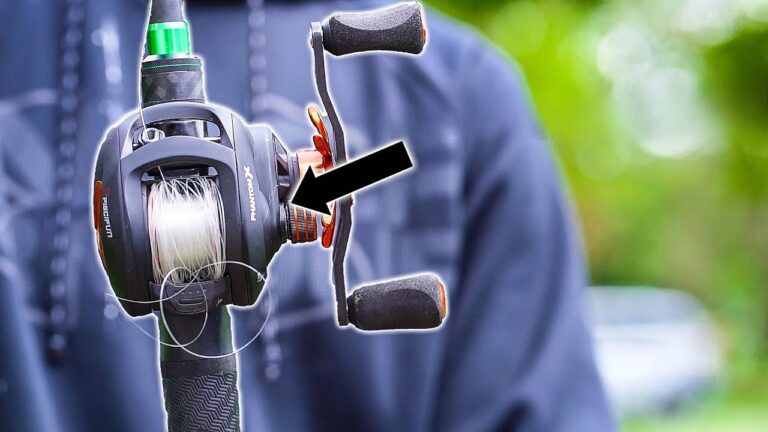
Flimsy gear doesn’t cut it in heavy cover. You need a strong rod and some serious line strength to yank bass out of the junk. Braid cuts through weeds and doesn’t stretch, which helps you feel bites and get solid hooksets.
A medium-heavy to heavy rod with 40–65 lb braid is a solid setup for most thick cover situations. You won’t winch out every fish, but you’ll have a better shot than with mono or light gear.
Peg Your Weights
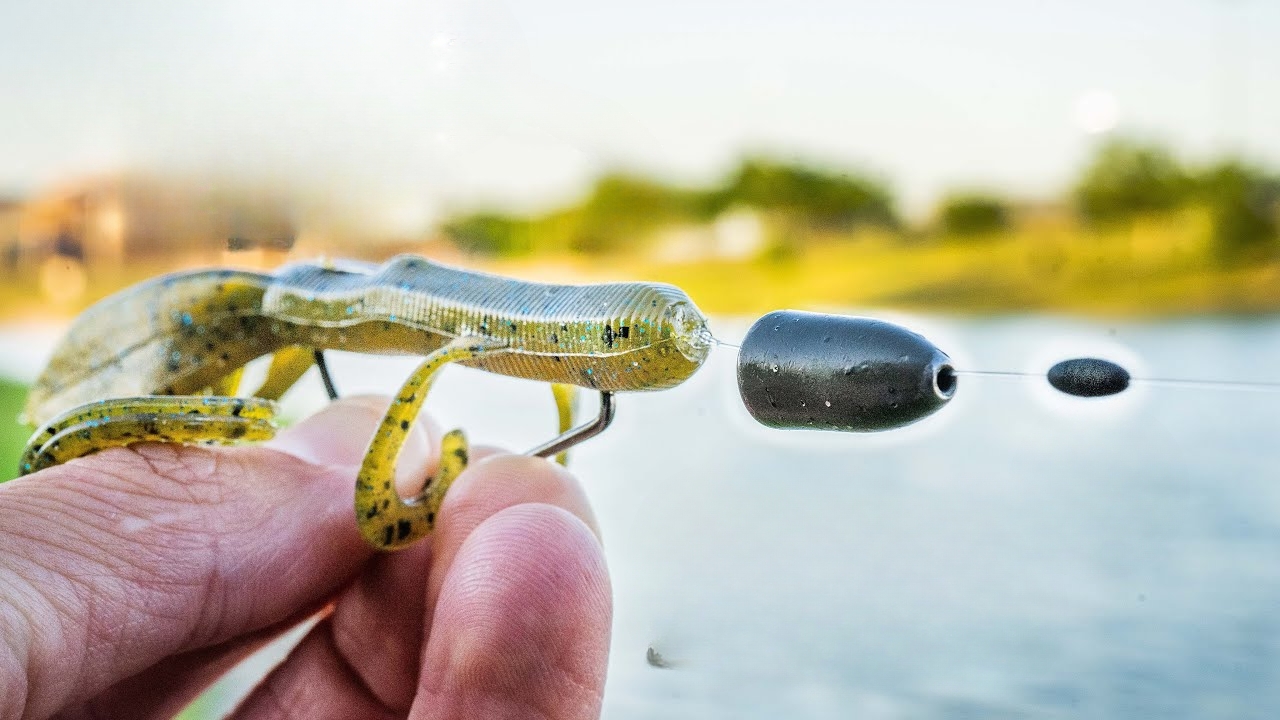
Unpegged weights are great for open water, but they’re a mess in cover. If your weight separates from your bait, it’ll get stuck in one branch while your hook finds another. Pegging keeps everything together so it punches through without issues.
Use a bobber stop or even a toothpick if you’re in a pinch. It doesn’t have to be fancy—it just needs to hold the weight in place and keep your rig streamlined.
Try a Punch Rig

When the cover’s so thick you can’t even see the water underneath, it’s time to punch. A punch rig is just a beefed-up Texas rig with a heavy tungsten weight and a compact bait that slips through tight stuff.
Use a skirt if you want to add some flair, but the real goal is to break through the mat and get your bait in front of fish that rarely see anything. Drop it straight down, let it sit, then hop it once or twice before pulling out.
Use Weedless Jigs
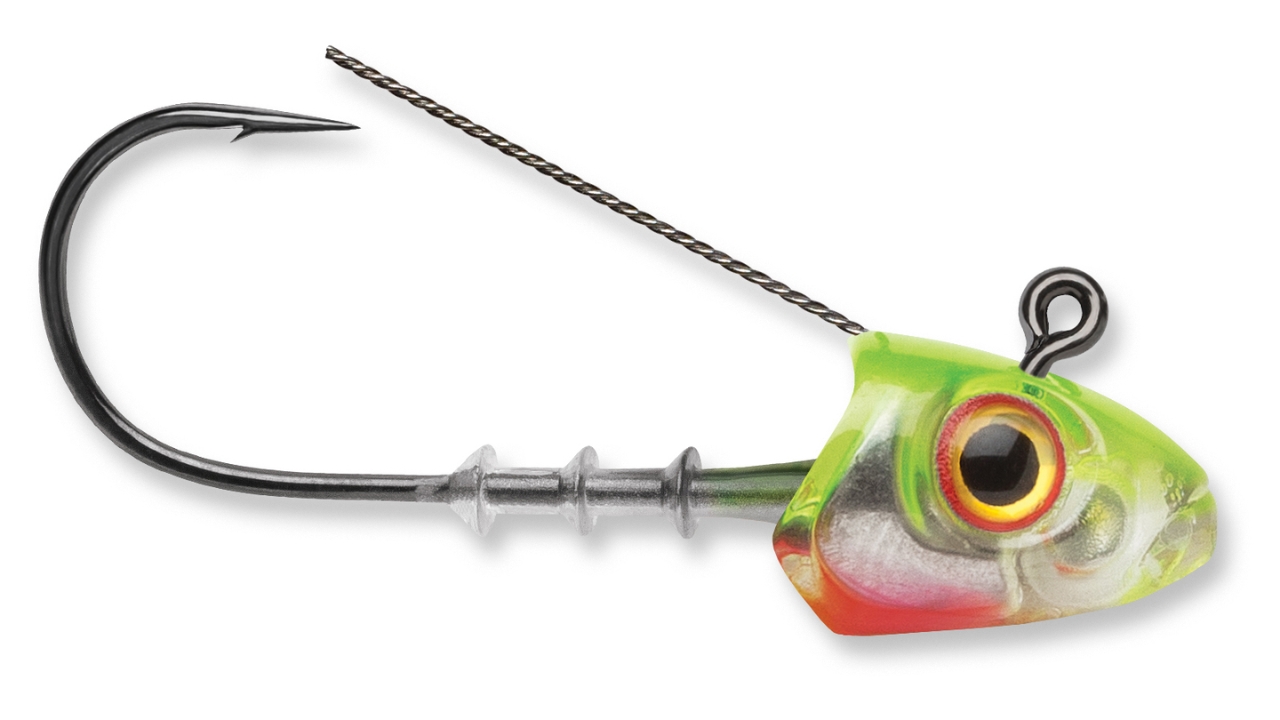
Jigs can be deadly in cover, but not all of them are made for it. Look for flipping or pitching jigs with a good weed guard and a stout hook. They come through branches and brush way easier than standard football jigs.
Keep your trailer compact so it doesn’t grab extra weeds. And if your weed guard is too stiff or too loose, adjust it until it’s just right—enough to keep snags off, but not so much that it stops you from getting a hookset.
Avoid Exposed Treble Hooks
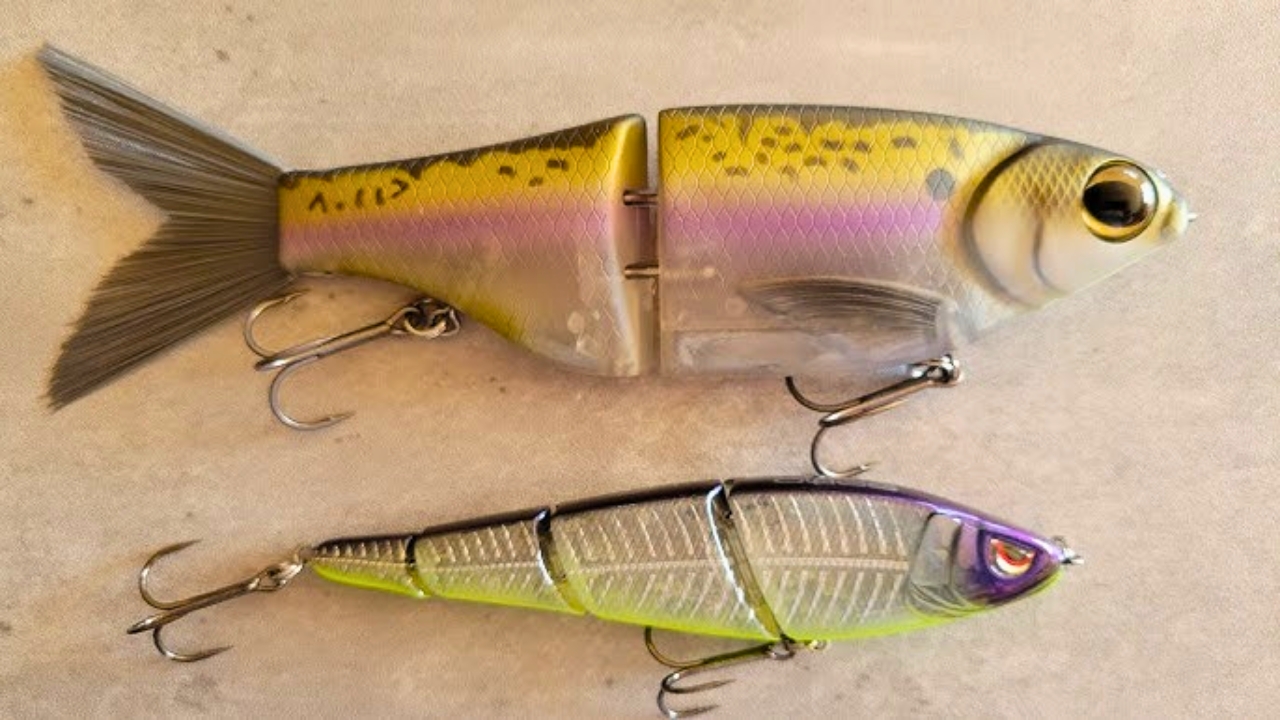
Some lures just aren’t worth throwing into cover. Crankbaits and jerkbaits with treble hooks will hang up almost every time. Stick to single-hook baits you can rig weedless when you’re around thick stuff.
If you’re set on using something with trebles, look for ones with inward-angled hooks or semi-weedless designs. But honestly, it’s usually better to leave those for more open water.
Pick Compact Baits
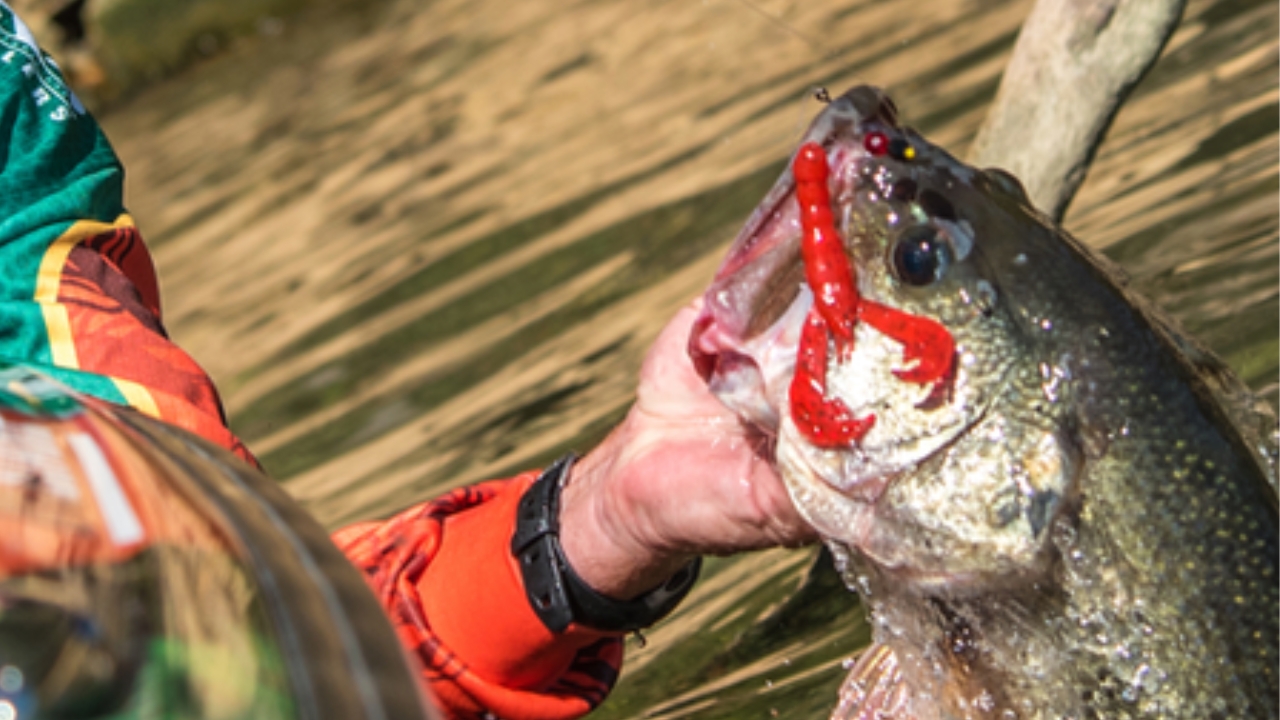
Big flappy baits might look cool, but they catch a lot of junk in heavy cover. Compact baits like beavers or small craws punch through tight spots better and are less likely to grab every piece of grass on the way in.
Less action doesn’t mean fewer bites—it just means your bait actually makes it to the fish. If you’re getting short strikes, then you can always size up or try something with more movement later.
Flip Instead of Cast

When you’re targeting tight spots like pockets in grass or between branches, flipping gives you way more control. You’re placing the bait right where you want it without a long cast that risks hitting stuff on the way in.
It’s also quieter and keeps your presentation natural. Get close, keep a low profile, and work each target slowly. It’s a game of patience, but it pays off.
Watch Your Line Closely

In heavy cover, bass often thump the bait and don’t move much, or they just suck it in and sit there. If you’re waiting for the classic tug, you might miss it. Watch for twitches, jumps, or the line suddenly moving sideways.
If something feels “off,” it probably is. Reel down, set the hook hard, and don’t wait around for confirmation. In the junk, you don’t get many second chances.
Don’t Be Afraid to Lose a Few

You’re going to get snagged sometimes—there’s just no way around it. But that’s where the big ones live. If you’re not getting hung up every now and then, you’re probably not in the best stuff.
Bring extra gear, re-tie when needed, and don’t let one lost lure keep you from fishing where the bass actually are. It’s part of the deal.
*This article was developed with AI-powered tools and has been carefully reviewed by our editors.