Photo credit: Just dance/Shutterstock.com
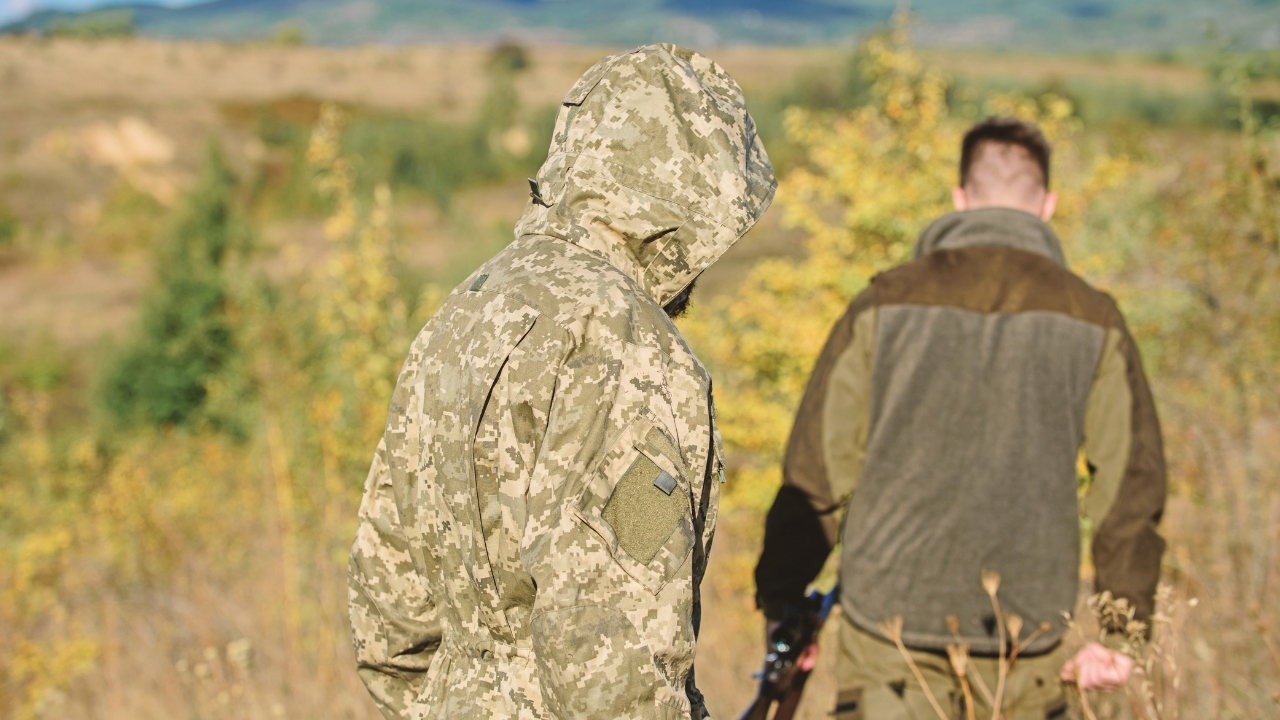
A hunter said he and his best friend had spent years turning a small piece of family land into a solid deer camp, only to find out someone else had been slipping in and setting up like he owned the place.
The property was only 27 acres, but it was not neglected land. In a Reddit post, the hunter explained that his best friend’s family owned the property through a family trust. His friend was a partial owner, and the older relatives in the family did not hunt, so they had asked the two men to take care of the place in exchange for full hunting access.
They had been managing it for about eight years. Over time, they had put in the work: stands, feeders, cameras, and semi-permanent structures. The place was producing and holding a good deer population, which does not happen by accident on a small rural tract. They were treating it like a real hunting property, not some forgotten patch of woods.
The land was remote, too. It sat in the Appalachian foothills with no houses for a couple of miles. The access was rough enough that even after taking an old logging road as far as it went, they still had about a mile hike to reach the area they hunted. That kind of distance usually keeps casual trespassers away.
But it did not keep this one away.
The hunter said his friend got a call from a local neighbor who owned more than 100 acres next to the camp property. The neighbor had spotted stands and a feeder set up on the far side of the 27 acres, in an area the two hunters did not visit much. The neighbor recognized the setup immediately because, according to the post, the same stands had been set up illegally on his own property for the previous two years.
That made the situation feel less like a wrong-turn mistake and more like a pattern.
The person was not simply wandering across a boundary. He had apparently been moving stands and feeders around private land for years, crossing from one property to another and setting up wherever he felt like it. The camp property had signs along the borders, fencing, and a locked gate on the access road. This was not land that looked open to the public.
The friend was not just a random landowner, either. The poster said his best friend was a law enforcement officer. That probably helped, but it also did not erase the concern. The poster said his friend was level-headed and trained, but he was still worried about some kind of confrontation. The poacher clearly knew the area, knew the land was private, and had been bold enough to keep moving his setup around after already causing problems next door.
The plan was for the friend and his father to walk the entire property the next morning and pull down any stands or feeders they found. That is where the poster hesitated. He wanted advice from other hunters who had dealt with the same thing. Should they take the gear off the property entirely? Pull it down and leave a note? Get law enforcement involved first?
Anyone who has dealt with poachers knows why that question gets complicated. Taking a trespasser’s stand can feel completely justified when it is sitting on your land. But if the person comes back furious, now you are not only dealing with illegal hunting. You may be dealing with someone who knows the woods, expects to be armed, and believes you took his property.
At the same time, leaving the setup untouched can feel like an invitation. A feeder and stand are not small signs of trespassing. They show intent. Someone planned to hunt there, maybe more than once, and likely expected to keep coming back. If the landowners ignored it, the poacher could keep working deeper into the property and acting more comfortable every season.
The fact that the neighbor had seen the same setup before made it worse. This was not a hunter who accidentally crossed a fence one morning while tracking deer. The neighbor recognized the gear from previous illegal setups. That suggested the man had already been told, or at least should have known, that he was not welcome on private ground.
The landowner group had put years into that deer camp. On a 27-acre tract, pressure matters. One poacher running feeders, hanging stands, and slipping in at the wrong times can mess up more than one hunt. He can change deer patterns, burn out travel routes, take deer the owners have been watching, and turn a quiet camp into a place where everyone is worried about who else might be walking around in the dark.
That was the real frustration underneath the post. They had done things the right way. They had permission. They had family ownership. They had been managing the land for years. And now somebody who had no right to be there had set up on the back side like the rules did not apply to him.
What Commenters Said
Most commenters told him not to handle it like a private argument in the woods. Several said to call the game warden before touching anything. Their point was simple: if this was poaching, trespassing, or illegal baiting, the stands and feeder could be evidence.
A few commenters said they would pull everything down immediately and consider it abandoned gear. Some were blunt that if someone sets up on posted private land, they should not expect their stand and feeder to be waiting when they come back.
Others warned that taking the gear could create a different headache if the poacher reported it stolen or showed up angry. Several suggested photographing everything, marking GPS locations, documenting the posted signs and locked gate, and then letting local law enforcement or DNR decide what to do next.
One commenter shared a story about a similar situation in Texas where a neighbor with only a couple of acres cleared trees, planted food, and set up feeders near a fence line. After a bad shot on a buck exposed what was happening, the game warden got involved, and the man ended up ticketed for hunting without landowner permission, trespassing, and not having proper license or tags.
A few people said to set up trail cameras high and hidden near the illegal feeder and stand to catch the person coming back. Others said to get the neighboring landowner involved too, since he had already dealt with the same person and could help establish that it was a repeated pattern.
The strongest advice was to document first, call the game warden, and avoid walking into a confrontation without a plan. A poacher willing to set up stands and feeders behind fences, signs, and a locked gate may not react calmly when he finds out someone finally found his setup.