Photo credit: Danijela Isakov/Shutterstock.com
A new landowner said he inherited 100 acres and quickly found out that owning rural property on paper and actually keeping people off it are two very different things.
In a Reddit post shared to r/homestead, the landowner explained that the property had belonged to his late grandfather. It was not connected to his house, and he did not live on it, which made the situation harder from the start. The land sat about an hour away from him, and by the time he started looking closer, it was clear that people had been treating the place like public ground for a while.
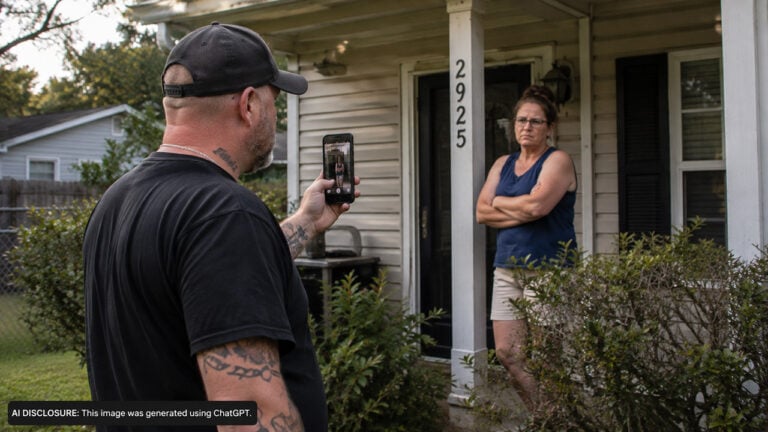
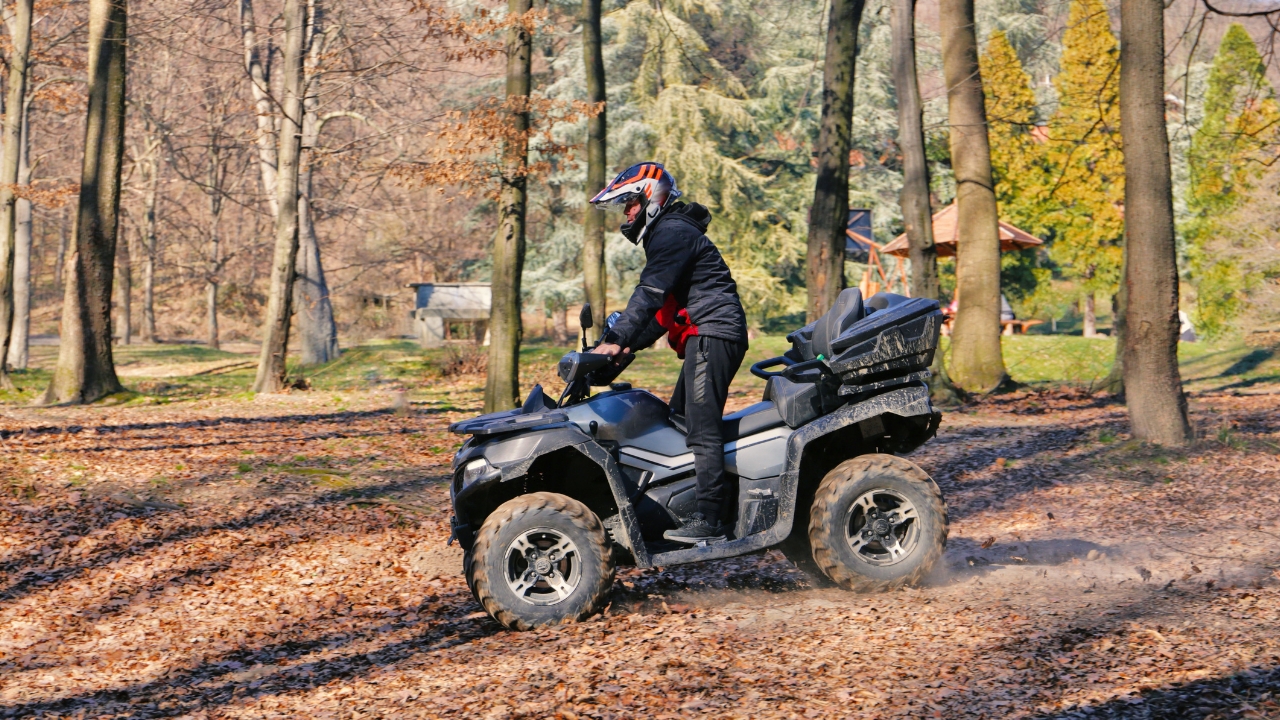
He said trespassers had been riding ATVs through the property and had even cut paths across it. That alone would make most landowners mad enough, especially on inherited land with family history tied to it. But they were not only riding around. According to the post, people were also ripping down his no-trespassing signs.
That changed the whole feel of the situation. A person who misses a boundary sign might claim they made an honest mistake. A person who tears down the sign is doing something different. They know somebody is trying to keep them out, and they are choosing to ignore it anyway.
The landowner said he wanted to keep people off the property, but he was not sure where to start. He was considering trail cameras, more signs, and maybe even a fence. The problem was the size of the land. A hundred acres is enough ground that you cannot realistically stand at every corner, and fencing the whole place would not be cheap.
He also had the added problem that he was not nearby. Trespassers had time and distance on their side. If they rode in during the week, cut through the woods, tore down signs, or dumped trash, he might not know until days later. That is one of the most frustrating parts of owning land you do not live on. By the time you find the problem, the person who caused it is long gone.
A lot of people who inherit rural ground run into this exact problem. The land may have been loosely watched for years. Neighbors may have gotten used to crossing it. Local riders may know the trails better than the new owner does. Hunters may assume nobody cares anymore. Once that pattern gets established, new signs alone do not always stop it.
And from the way he described it, this was not a one-time mistake. The signs coming down and ATV paths being cut made it sound like at least some people in the area had decided the land was still theirs to use, regardless of whose name was on the deed.
That is where rural property ownership gets uncomfortable. Nobody wants to turn a piece of inherited land into a full-time surveillance project. But once strangers are tearing down posted signs and making their own trails, the landowner is forced to think about liability, property damage, hunting conflicts, theft, and safety.
If someone gets hurt riding an ATV through private land, the owner can still end up tangled in a mess, even if that person had no business being there. If hunters are sneaking onto the land, there is risk there too. And if people are willing to destroy signs, there is always the question of how they might react when confronted.
The landowner seemed to understand that walking up on trespassers alone was not the best answer. He was asking for practical ways to shut the problem down before it became worse. He wanted to know how others had handled the same kind of issue, especially on bigger pieces of property that cannot be watched every day.
What made the post stand out was how familiar it felt to anyone who has owned land outside town. A hundred acres sounds like freedom until you realize other people may already have their own habits built around it. Maybe they used to ride there when the grandfather was alive. Maybe nobody ever stopped them. Maybe they simply knew the place was vacant and figured they could get away with it.
But once a new owner steps in and starts posting the land, that old arrangement is over. The problem is getting everyone else to accept it.
Commenters gave him a mix of practical, legal, and very rural advice. A lot of people told him to start with the basics: mark the property lines clearly, post fresh signs, and make sure the signs are placed according to state law. Several also suggested using purple paint if his state recognizes it as a legal no-trespassing marker.
Trail cameras came up over and over. Commenters recommended putting them high, hiding them well, and using cellular cameras where possible so photos would upload before anyone could steal the camera. Some said to use one obvious camera and one hidden camera watching the obvious one, because trespassers who rip down signs may also try to take cameras.
Others told him to call the sheriff or local game warden and explain what was happening. The advice was not to wait until he caught someone in person. Instead, they said he should start building a record early: photos of torn-down signs, ATV ruts, tire tracks, damaged trees, cut trails, and any trash or evidence left behind.
A few commenters suggested getting to know neighboring landowners. Not because every neighbor is innocent, but because good neighbors can become extra eyes. They may know who rides the area, who hunts nearby, and which access points people are using.
Some warned him against confronting trespassers alone, especially if he did not know who they were. Rural trespassing can turn nasty fast when someone feels like their longtime shortcut or riding spot is being taken away. Several commenters said it was better to gather proof, involve law enforcement, and make the property boundaries impossible to argue with.
The repeated advice was clear: make the land visibly posted, document every problem, hide cameras where they cannot easily be found, and get local authorities familiar with the property before the next run-in happens.