Photo credit: Real Deal Photo/Shutterstock.com
Old-school revolvers are easy to write off if you only look at capacity, reload speed, optics cuts, and modern carry trends. A polymer 9mm is usually lighter, easier to load fast, and more practical for most defensive use. That is all true, and pretending otherwise does not help anybody.
But a good revolver still brings something important to a collection. It teaches trigger control, gives you mechanical variety, holds its value well when you buy right, and fills roles that modern semi-autos do not always cover cleanly. More than that, old-school revolvers connect you to a part of handgun history that still feels useful instead of purely decorative.
They teach trigger control fast
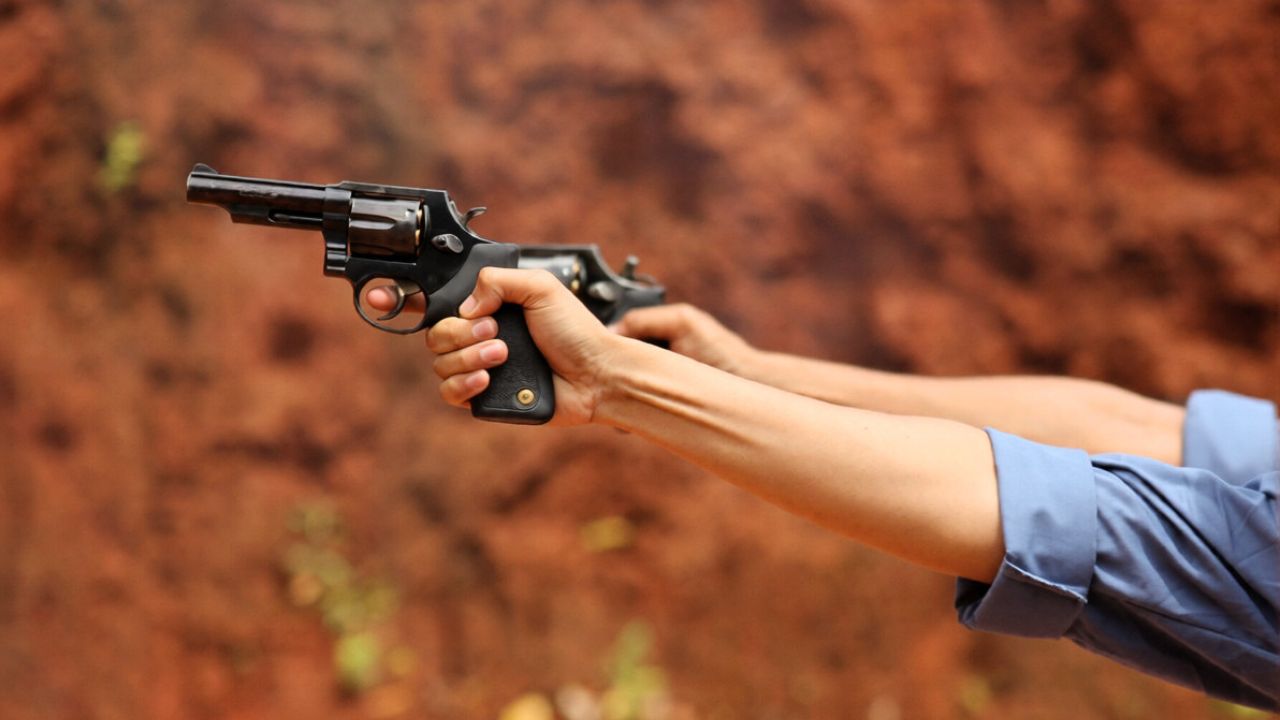
A good double-action revolver will tell on you immediately. If your trigger press is rough, your sights will wander, and your group will show it. There is no light striker trigger hiding bad habits and no reset game making you feel better than you are.
That is why revolvers still belong in a serious collection. Shooting one well takes patience, grip pressure, and a clean press all the way through. Spend time with a Smith & Wesson Model 10, Model 19, or Ruger GP100, and your semi-auto shooting usually gets better too. The revolver makes you earn it.
They bring mechanical honesty
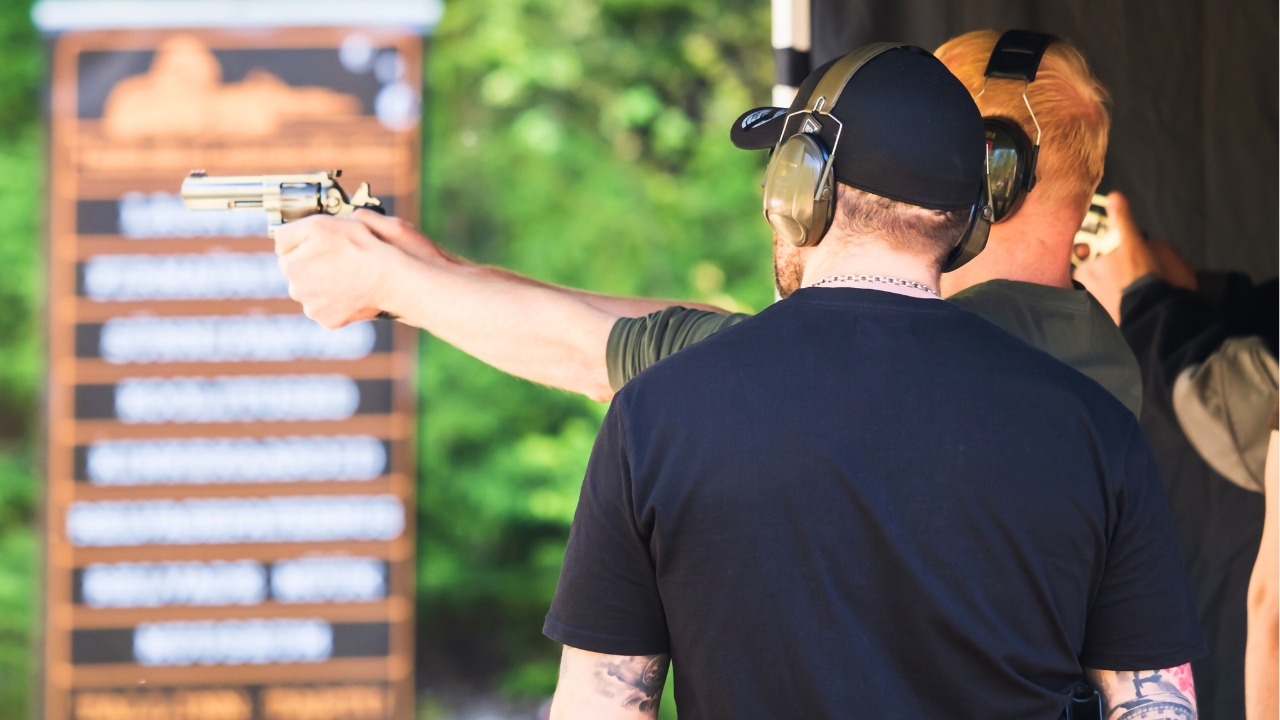
There is something satisfying about seeing exactly how a revolver works. The cylinder turns, the hammer moves, the hand does its job, and the lockup either feels right or it does not. You can feel the timing, weight, and quality in a way many modern pistols hide under polymer frames.
That mechanical honesty matters in a collection. A revolver is not just another handgun with a different magazine. It is a different system entirely. When you handle a Colt Official Police, Smith & Wesson Model 27, or Ruger Security-Six, you feel the design working in your hand.
They make range time more deliberate
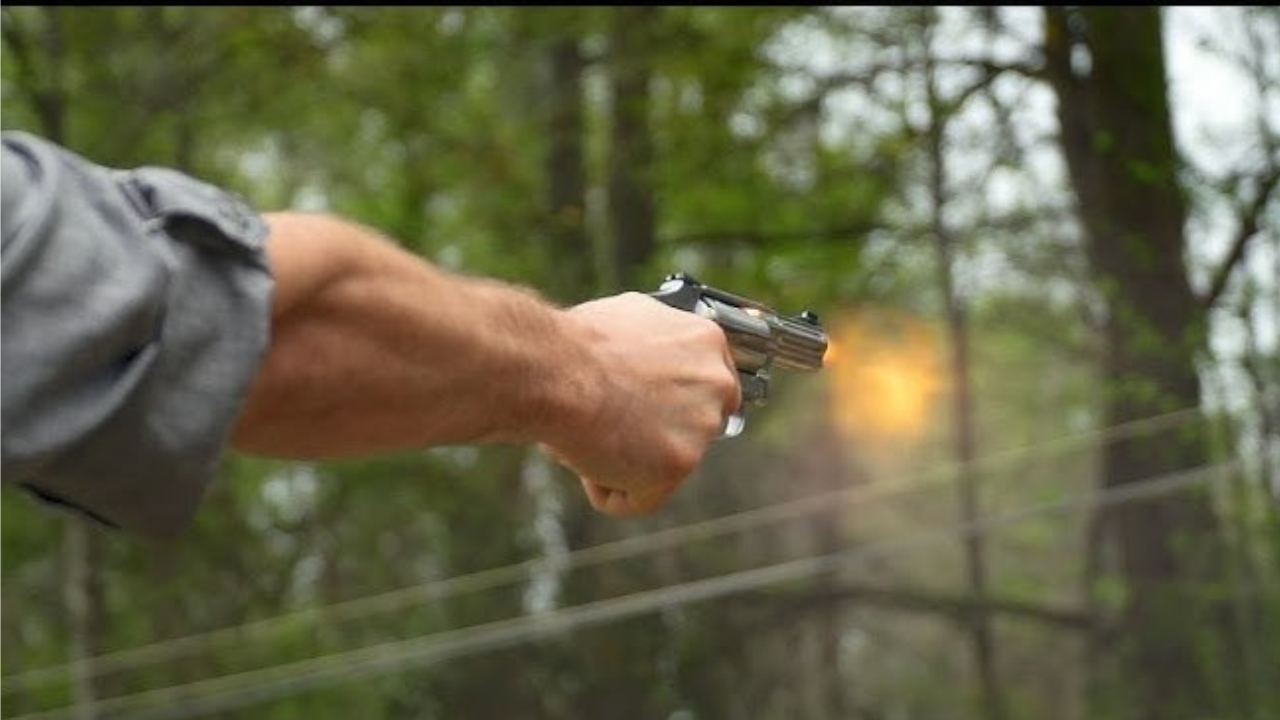
Revolvers slow you down in a good way. You are not dumping magazines, topping off constantly, or treating every session like a speed drill. You load six, aim carefully, press the trigger, and pay attention to what the gun is doing.
That slower pace is useful. It makes range time feel less automatic and more thoughtful. An old-school revolver has a way of pulling you back into fundamentals without making it boring. You start watching sights, grip, breathing, and follow-through again. That is worth having in any handgun collection.
They age better than many modern handguns
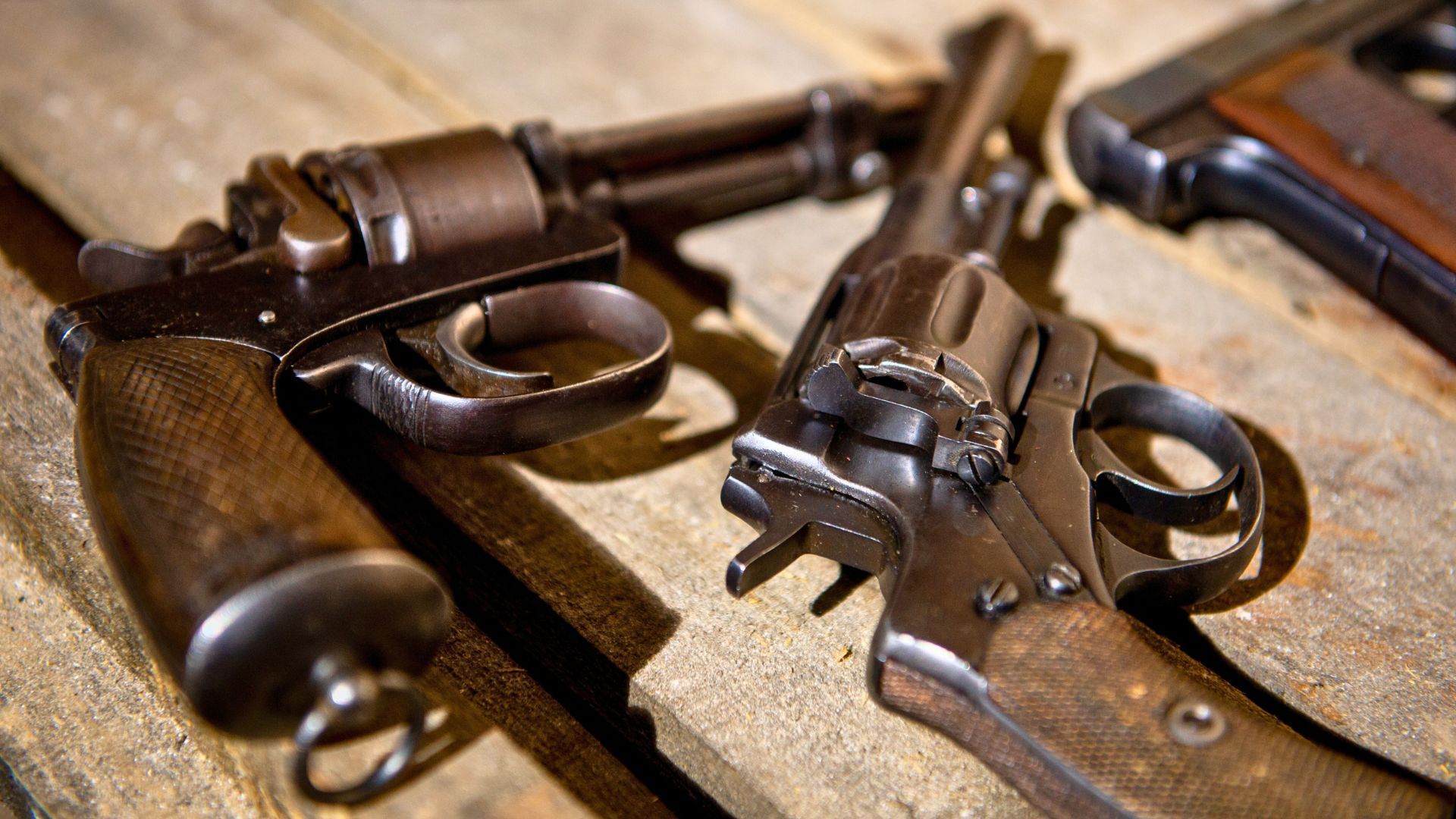
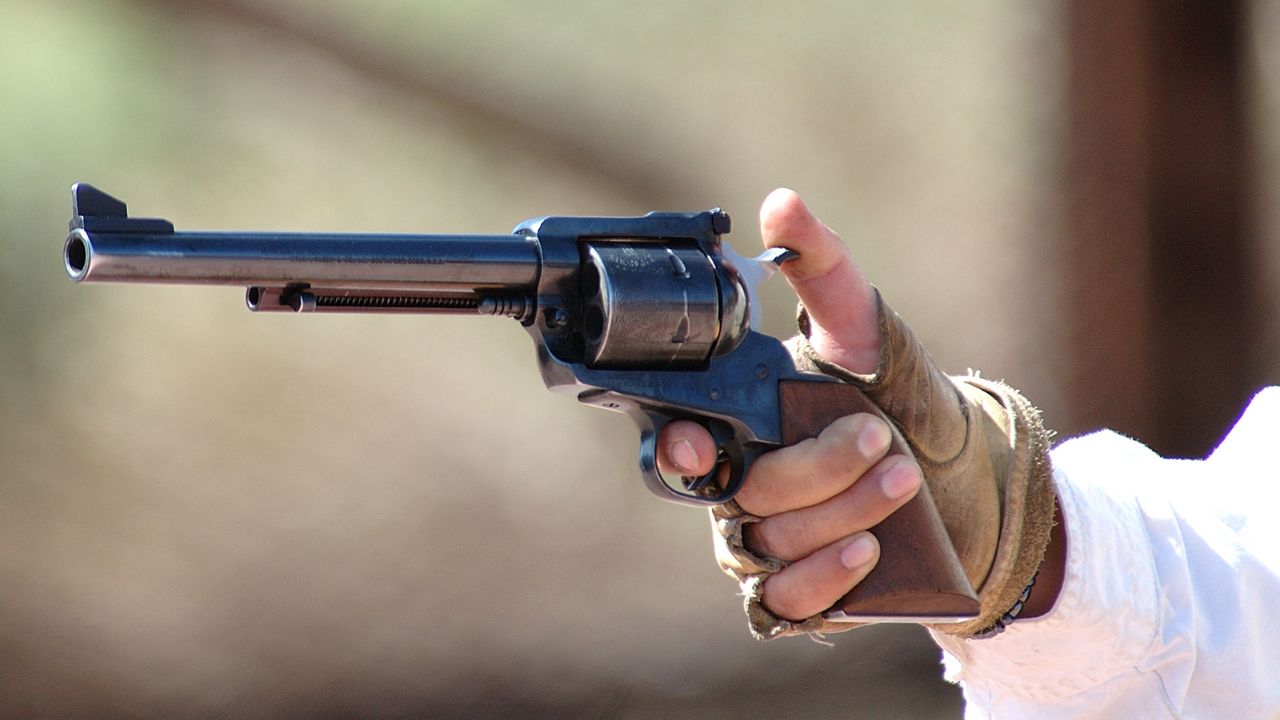
Not every old revolver is valuable, but the right ones tend to age well. Clean Smith & Wesson K-frames, classic Colts, Ruger single-actions, and older duty revolvers often hold interest because they are no longer made the same way.
Modern pistols come and go fast. A model gets updated, discontinued, replaced, or buried under the next launch. A good revolver has a steadier kind of appeal. When condition, timing, and originality are right, old-school wheelguns can feel less like used guns and more like pieces you were smart to keep.
They offer real cartridge versatility

A .357 Magnum revolver gives you a lot of flexibility. You can shoot light .38 Special loads for easy practice, standard defensive .38s, full-power .357 Magnums, or outdoors-focused loads depending on the gun and purpose. That range is hard to ignore.
That versatility makes revolvers useful beyond nostalgia. A Model 66, Model 686, Ruger Blackhawk, or GP100 can go from comfortable range work to trail duty without changing platforms. You do not need three different handguns to cover every mild-to-serious role. Sometimes one good revolver handles more than people expect.
They still make sense for the outdoors
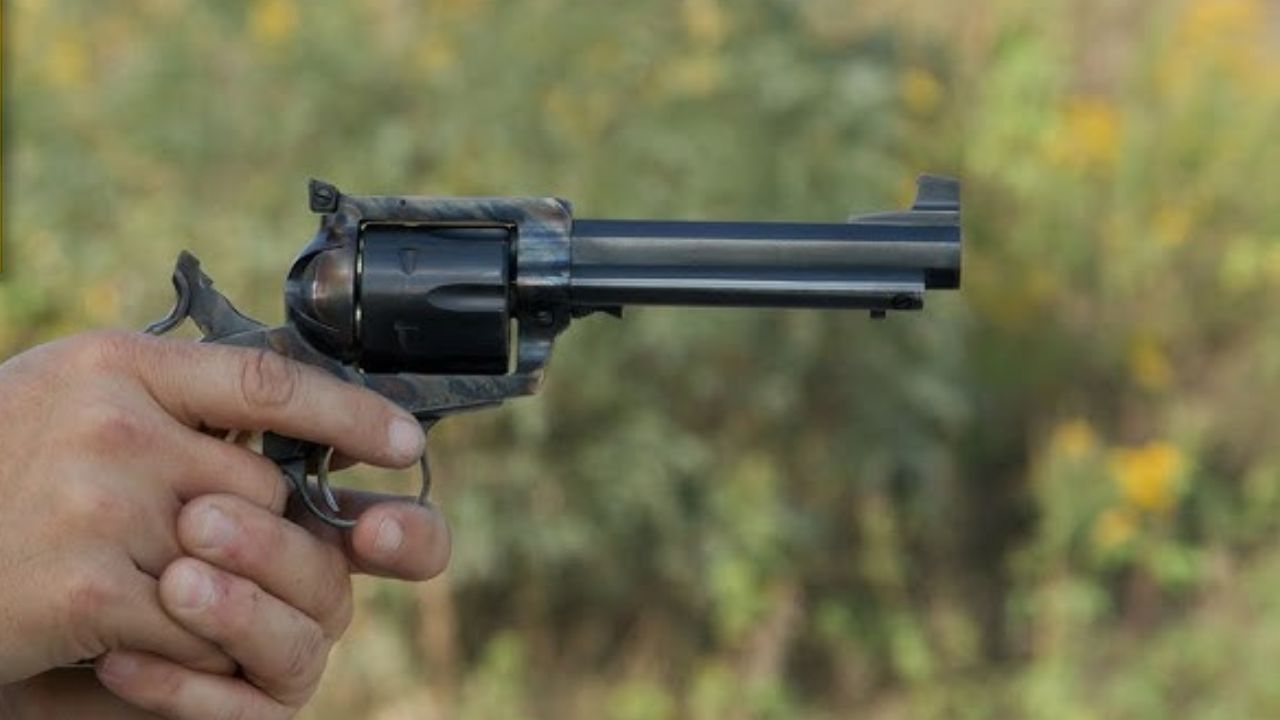
For trail carry, camp use, farm work, or hunting sidearm duty, revolvers still have a strong argument. Big-bore and magnum revolvers can fire heavy loads that many semi-autos are not built around. They also do not care about bullet shape the same way semi-autos can.
That matters if you spend time around hogs, black bears, snakes, or remote country. A Ruger Redhawk, Smith & Wesson Model 29, or Ruger Blackhawk may not be light, but it brings serious confidence. In the field, that kind of straightforward power still has a place.
They connect your collection to handgun history
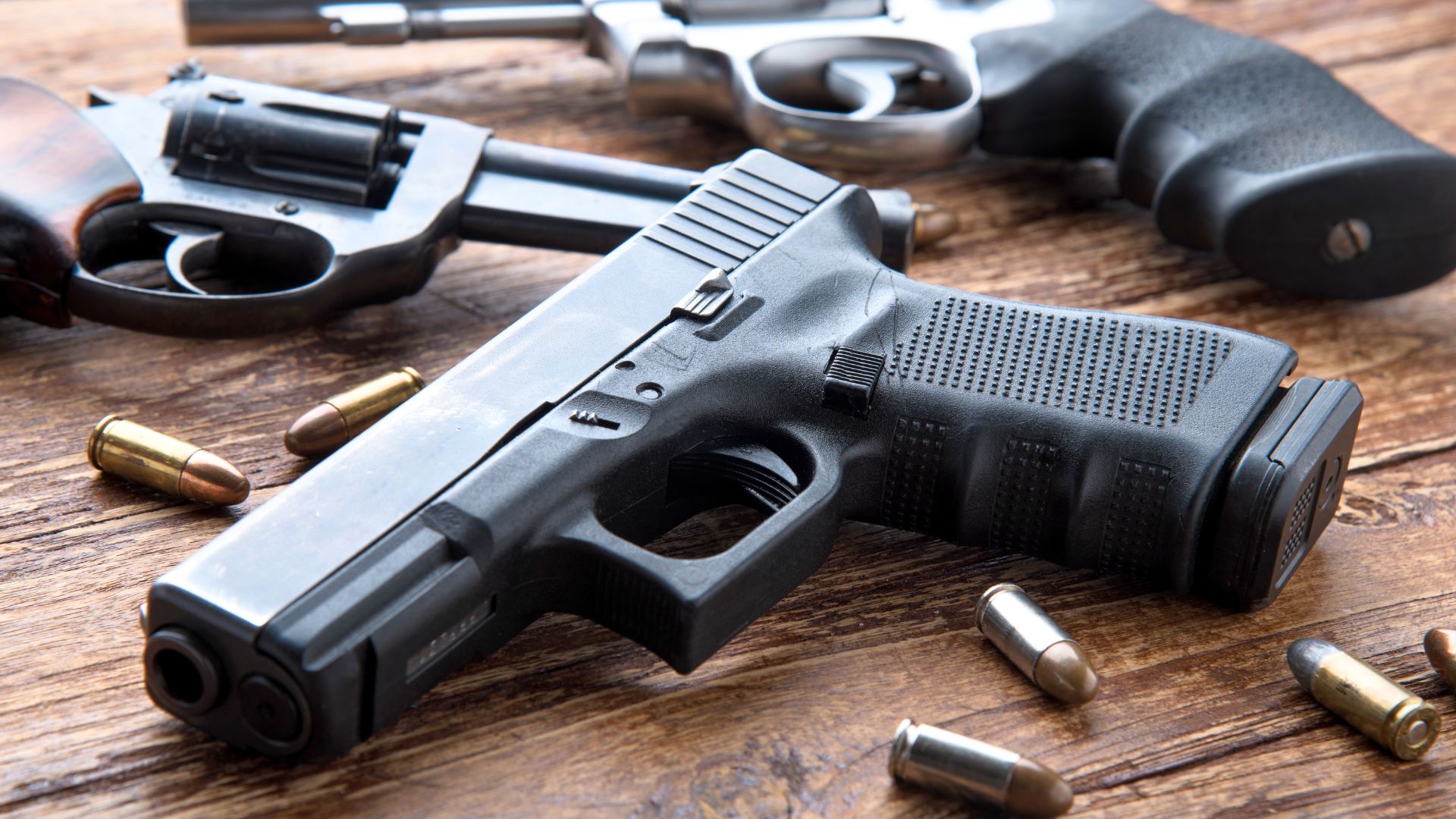
Old-school revolvers carry real history without needing a museum label. Police departments, hunters, ranchers, target shooters, outdoorsmen, and everyday citizens used them for generations. That history gives them weight when you pull one out of the safe.
A Smith & Wesson Model 10 is not fancy, but it tells a huge part of American handgun history. A Colt Detective Special shows how people thought about concealed carry before micro-compacts. A Ruger Single-Six shows why a good .22 revolver can stay in a family forever. Those connections matter.
They reward careful buying
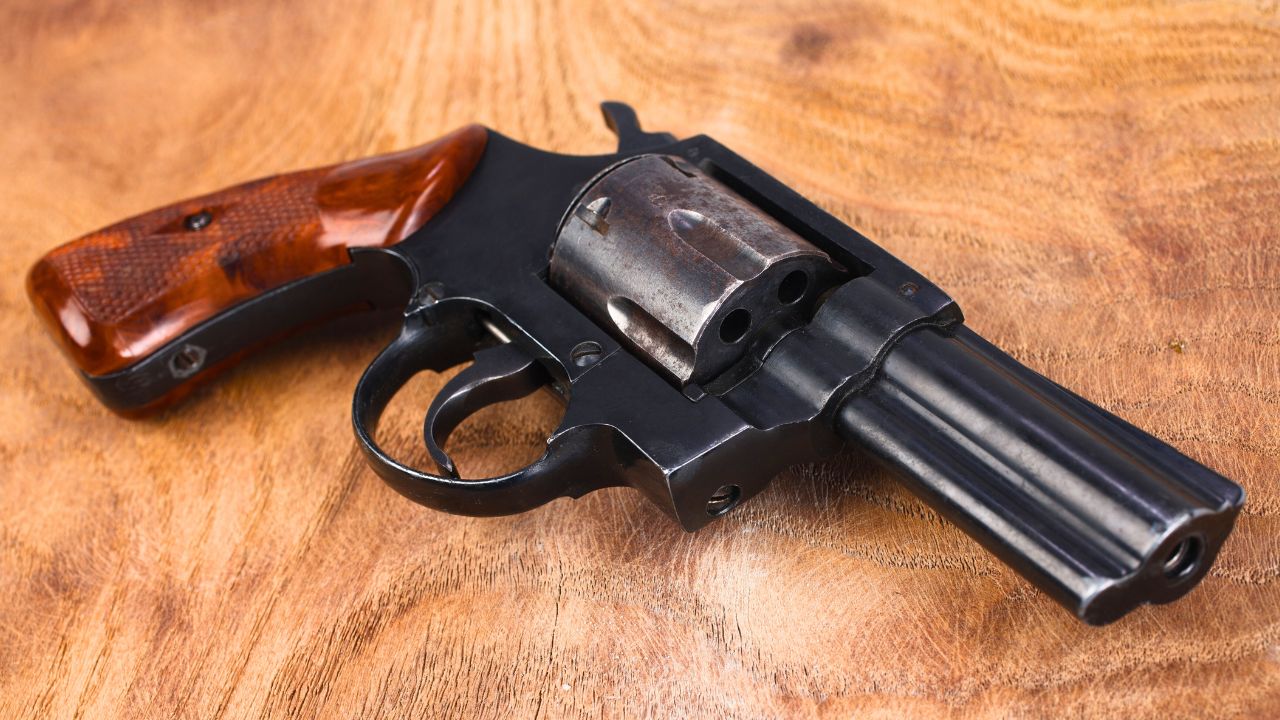
Revolvers teach you to inspect a gun differently. You learn to check timing, cylinder lockup, endshake, forcing cone wear, bore condition, screw heads, finish, and signs of abuse. That makes you a smarter buyer across the board.
That is part of why they are essential to a collection. They force you to slow down and understand condition, not just features. A clean old revolver bought right can be deeply satisfying. A worn-out one bought carelessly can become a lesson. Either way, the platform teaches you more than a spec sheet ever will.
They bring variety to a safe full of semi-autos
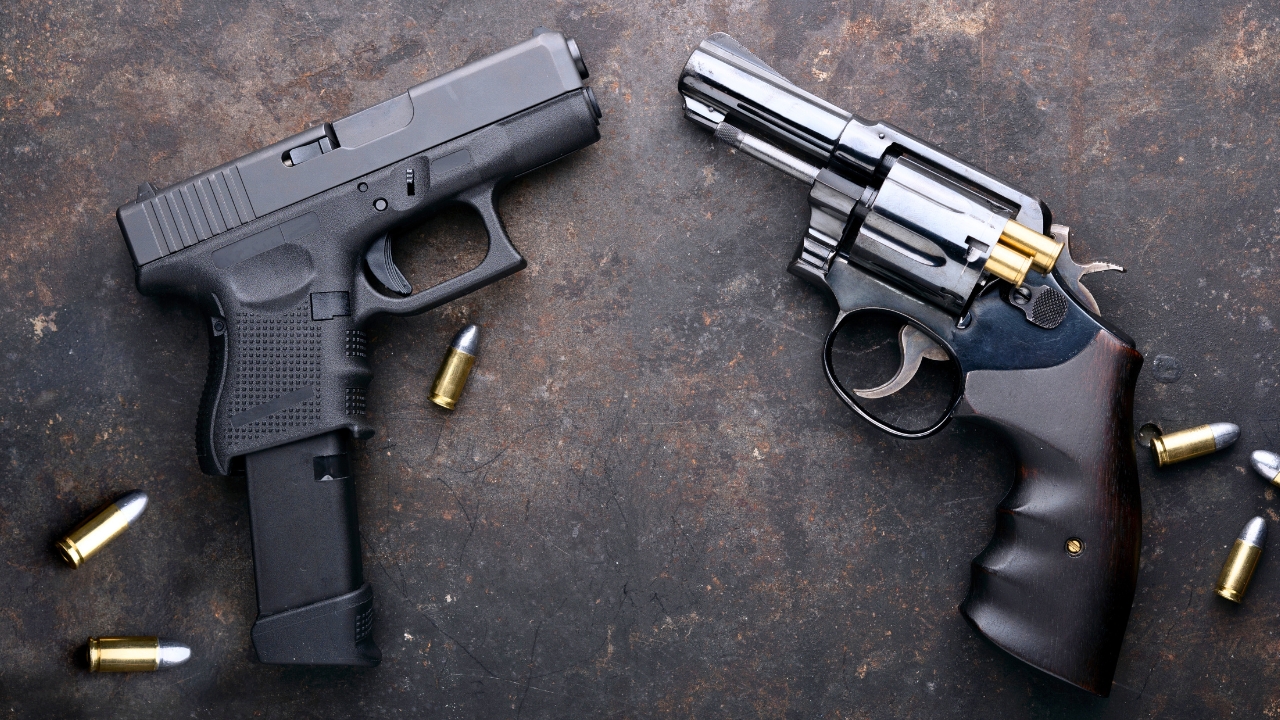
A collection with only modern striker-fired pistols can start feeling repetitive. Different grip textures, optic cuts, and magazine capacities matter, but many of those guns still fill the same basic lane. Revolvers break that pattern immediately.
A snubnose .38, a four-inch .357, a big .44 Magnum, and a single-action .22 all feel completely different from each other. That variety keeps a collection interesting. Revolvers bring different handling, different loading, different triggers, and different roles. They add depth instead of another version of the same thing.
They make small calibers more enjoyable
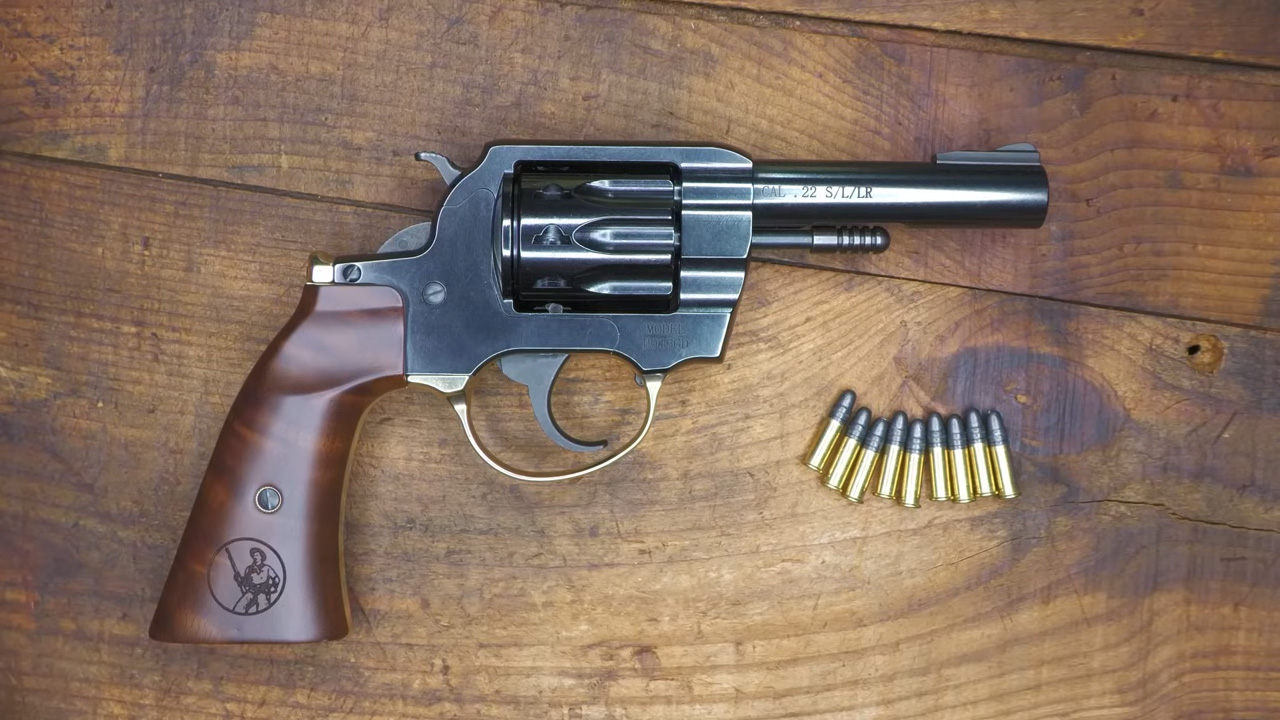
A .22 revolver is one of the easiest guns to enjoy for years. Something like a Ruger Single-Six, Smith & Wesson Model 17, or Colt Officers Model turns cheap rimfire shooting into real practice instead of noise-making.
That matters more than people admit. A good .22 revolver helps new shooters, sharpens fundamentals, and makes casual range time feel worthwhile. It is not tactical, trendy, or flashy. It is simply useful. Every collection needs at least one handgun that gets shot often because it is affordable, accurate, and easy to enjoy.
They prove capacity is not everything
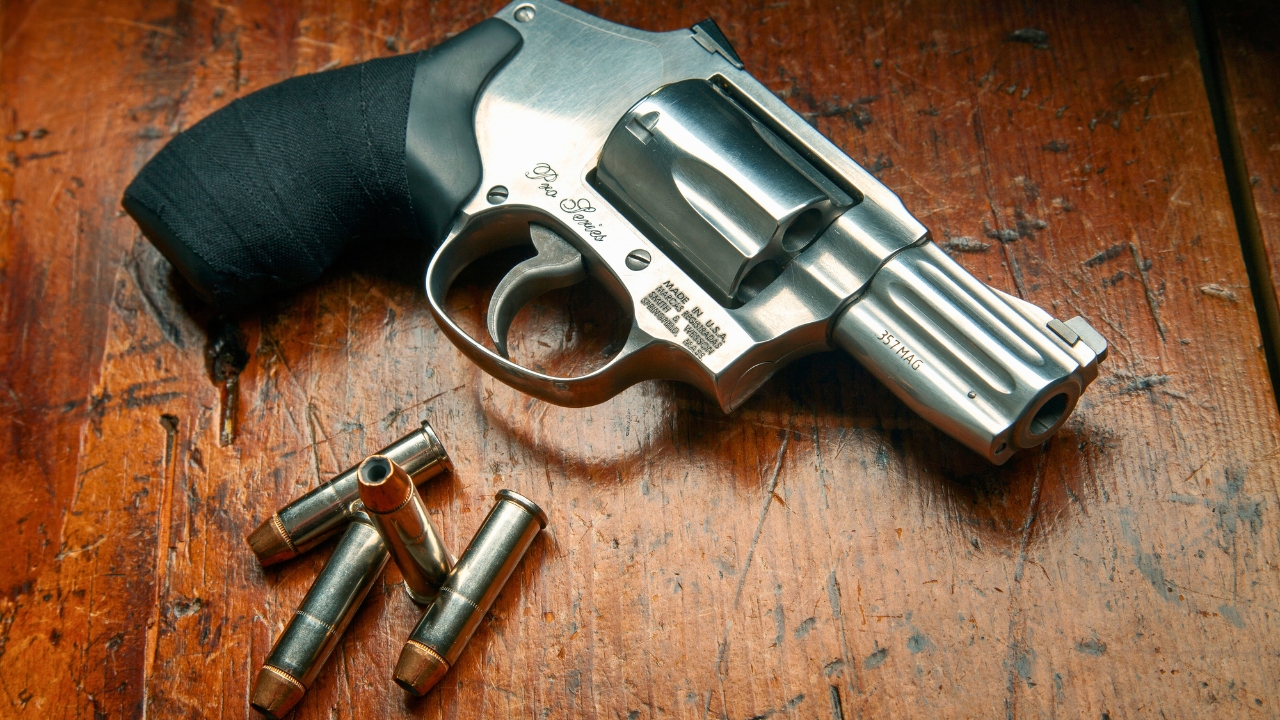
Capacity matters, especially for defensive pistols. But a collection should not be built only around maximum round count. Revolvers remind you that shootability, reliability, cartridge power, and trigger control matter too.
A six-shot .357 or .44 does not need to compete with a 17-round 9mm on magazine capacity. It fills a different role. It makes you think in terms of accuracy, power, and deliberate shooting. That does not make it better for every situation, but it does make it valuable. Not every gun in your safe needs to solve the same problem.
They can be rebuilt and kept alive
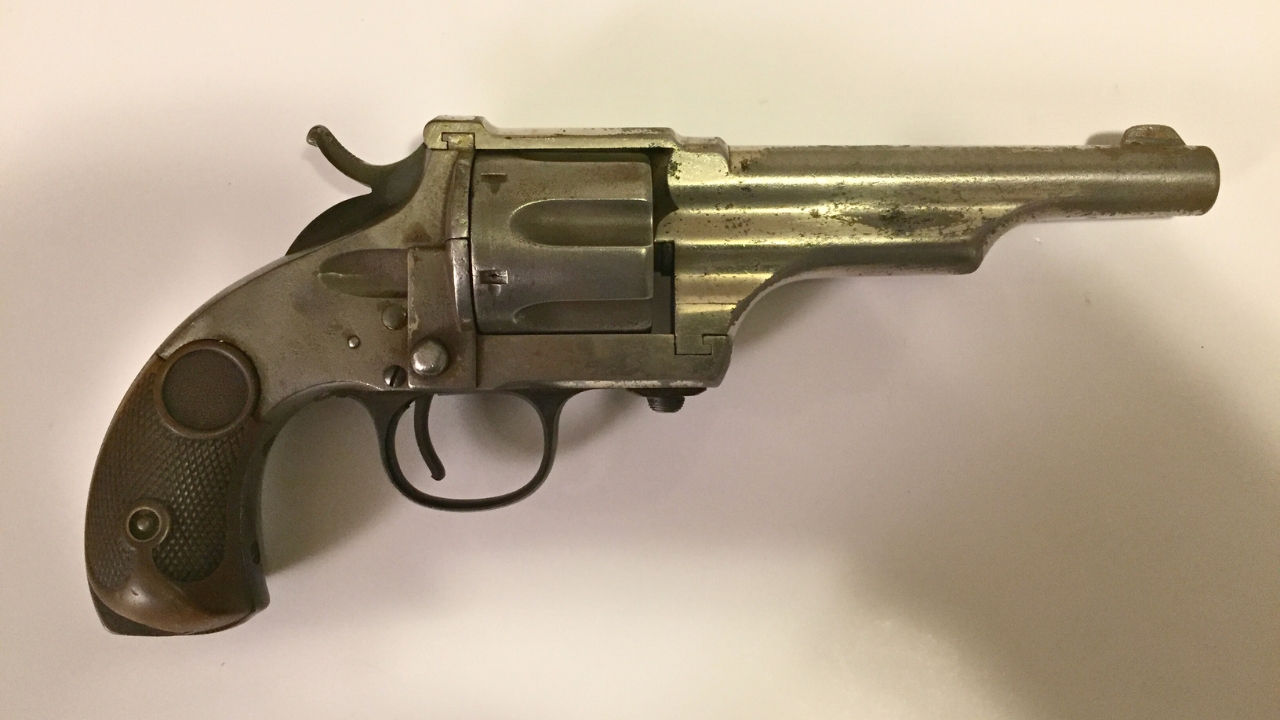
One reason old revolvers stay interesting is that many were built with long-term service in mind. Springs can be replaced, actions can be tuned, grips can be changed, sights can be repaired, and good gunsmiths can often bring a tired revolver back to life.
That gives them a different kind of staying power. A quality revolver does not feel disposable. If the frame is sound and the parts are serviceable, it can keep going for decades. That is one reason old Smiths, Colts, and Rugers still matter. They were not built around a short product cycle.
They still look right
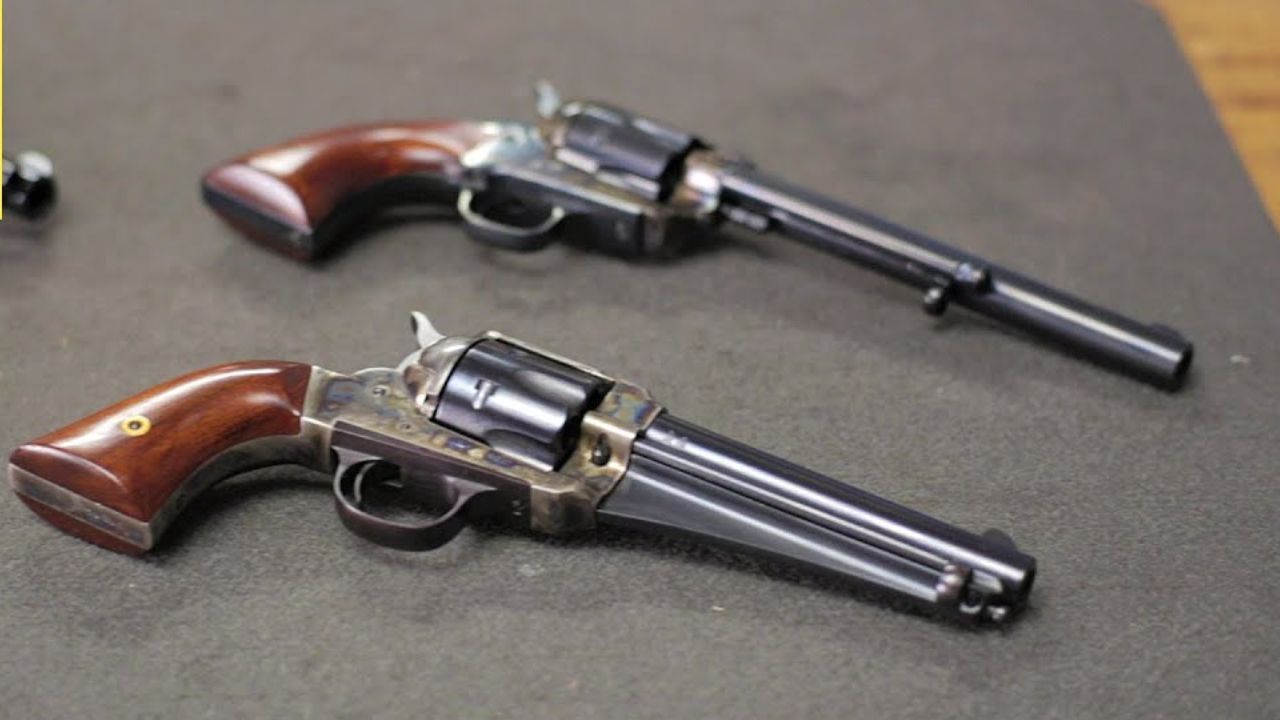
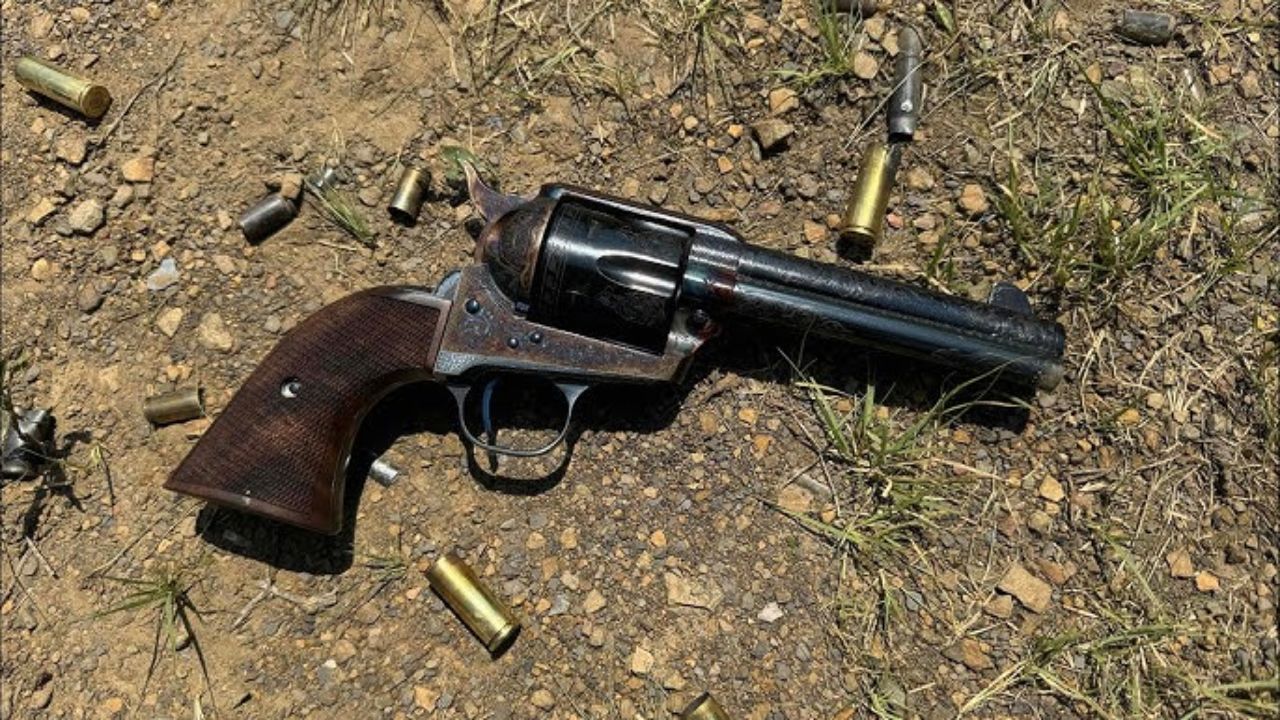
Looks are not everything, but old-school revolvers have a visual appeal that is hard to fake. Blued steel, walnut stocks, clean barrel lines, pinned front sights, and polished frames bring a kind of class modern pistols rarely touch.
That does not mean every revolver has to be a safe queen. The best ones look even better with honest wear. A little holster polish on a Model 10 or a well-used Ruger Blackhawk tells a better story than a perfect gun that never leaves the box. Revolvers age with character.
They make you appreciate craftsmanship
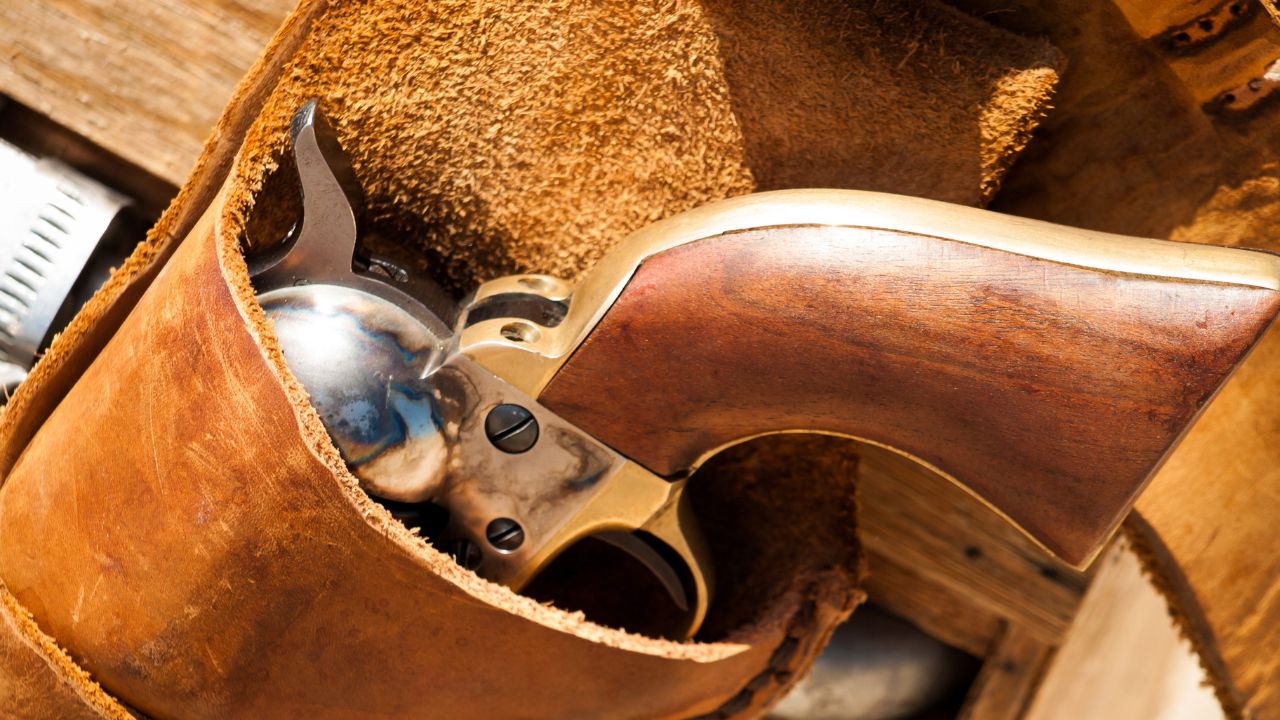
A good revolver gives you a sense of fitting, finish, and action work that many modern handguns do not try to offer. The cylinder gap, crane fit, trigger pull, lockup, finish, and balance all matter. When those things are right, the gun feels alive in the hand.
That craftsmanship does not have to mean fancy. Even a plain service revolver can show careful manufacturing when the action is smooth and the cylinder locks up cleanly. Owning old-school revolvers helps you understand why shooters still talk about older production quality with real affection.
They are simply more interesting to own
A collection should be useful, but it should also keep you interested. Old-school revolvers do that. They make you research production years, frame sizes, barrel lengths, chamberings, grips, police markings, finish variations, and odd little changes between generations.
That curiosity is part of the fun. A polymer carry pistol may be the one you use most, but an old revolver is often the one you pull out, inspect, dry-fire, and talk about. It gives your collection personality. And once you own a good one, you start understanding why so many shooters never really let them go.
Like The Avid Outdoorsman’s content? Be sure to follow us.
Here’s more from us: