Photo credit: MEDIAIMAG/Shutterstock.com
A hunter said he was set up for what should have been a good morning on private land when the neighbors next door decided they had other plans.
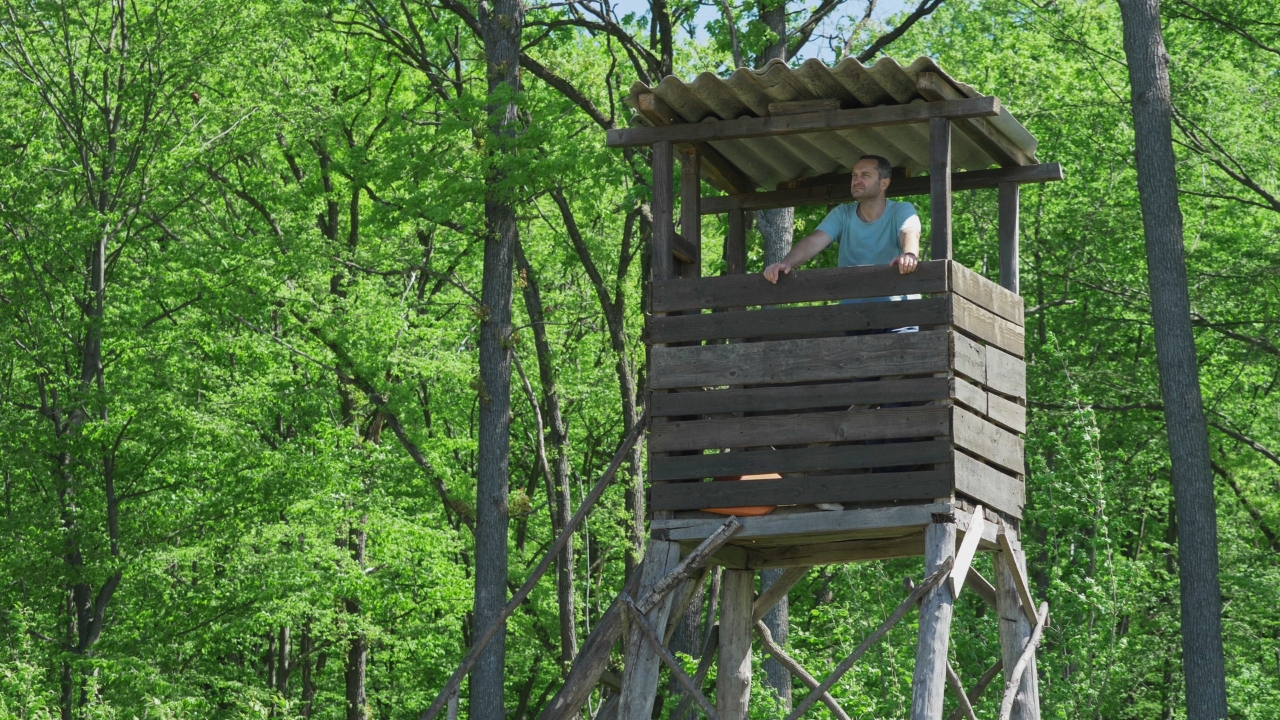
In a Reddit post, he explained that he had permission to hunt a property and had been sitting in his stand when things started going sideways. The neighboring landowners came out and started making enough noise to wreck the hunt.
For anyone who has sat through a still morning waiting on deer movement, that is maddening. A good sit depends on quiet, wind, timing, and not having people stomping around or making a scene nearby. A neighbor can ruin hours of waiting in a few minutes, especially if the deer are already close or moving through a tight corridor.
The hunter was not just irritated about random noise, though. From his telling, the neighbors were doing it on purpose.
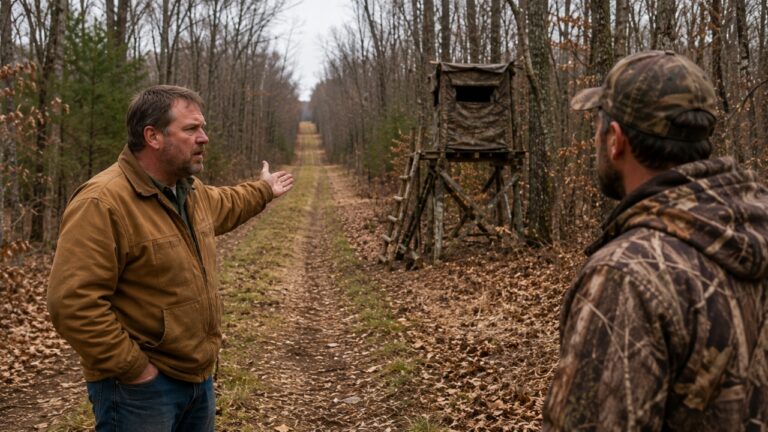
He said they came out after he was already in the stand and started disrupting the hunt. That kind of thing gets under a hunter’s skin fast because it is one thing for a neighbor to mow, work cattle, run equipment, or go about normal life. People are allowed to use their own property. But when someone appears to be intentionally interfering with a legal hunt on nearby land, the whole situation changes.
The conflict seemed to come down to property access and boundaries. The hunter was not claiming he had wandered onto their place. He said he had permission to hunt where he was. The problem was that the neighbors apparently did not like him being there, and instead of handling it through the landowner or local authorities, they showed up and made the hunt miserable.
That left him in a tough spot. He did not own the land. He was there by permission. That meant any confrontation with the neighbors could blow back on the person who had given him access. If he mouthed off, argued, or tried to push the issue too hard, the landowner might decide the whole thing was not worth the drama.
But doing nothing has its own problem. If neighbors learn they can run you out of a stand by making noise or starting a scene, they may do it every time they see your truck. Pretty soon, permission on paper does not mean much if the hunt gets ruined every time you show up.
The hunter seemed to be looking for a way to handle it without making the dispute worse. That is a delicate line. Hunting conflicts between neighboring properties can sit quietly for years, then flare up over one stand location, one deer, one access trail, or one misunderstanding. Once the wrong words are said across a fence, it can be hard to cool things down.
Commenters pushed him to think carefully about what counted as normal neighbor activity versus intentional harassment. A neighbor has every right to be loud on his own land if he is working, riding around, cutting wood, running dogs, or doing normal chores. A hunter may hate it, but that does not automatically make it illegal.
But if the neighbors were going out of their way to interfere with a lawful hunt, that could be different depending on the state. Many states have hunter harassment laws that prohibit intentionally disrupting lawful hunting. The catch is proving intent. A video of someone yelling, walking directly under a stand, banging around only when the hunter is present, or admitting they are trying to ruin the hunt would matter more than a complaint that “they were loud.”
That put the hunter in documentation territory. If it happened once, he might chalk it up as a bad morning. If it happened repeatedly, he would need proof.
The situation also raised a bigger issue: when you hunt land you do not own, your first call should usually be to the landowner. The landowner has the relationship with the neighbors. The landowner knows the property history. The landowner can decide whether to speak with them, post signs, check boundaries, or tell the hunter to use a different stand.
That does not make the frustration any smaller for the person sitting in the tree. He still lost a hunt. He still had people nearby who seemed determined to make sure he did not enjoy that piece of ground. And he still had to figure out whether showing up again would mean another morning of drama.
But the smartest move was not to turn it into a shouting match from the stand. It was to stay calm, record what happened, talk to the landowner, and figure out whether the neighbors were just being annoying or actually crossing into hunter harassment.
Once property-line drama gets personal, the hunt usually becomes the smallest part of the problem.
Commenters were split between sympathy and caution. Some understood why the hunter was angry, especially if the neighbors were intentionally making noise after seeing him in the stand. A few said they had dealt with similar issues where neighbors hated hunting and tried to make legal hunts miserable from across the line.
Others warned him not to assume too much. If the neighbors were on their own property and doing normal things, there might not be much he could do. People do not have to be quiet simply because someone nearby is hunting.
Several commenters told him to document everything if it happened again. Video, dates, times, where he was sitting, where the neighbors were, and what they did would matter if he ever wanted to claim hunter harassment.
A lot of people said the landowner needed to be involved before the hunter did anything else. Since he only had permission to hunt there, he should not be the one starting a feud with the neighbors.
The practical advice was to keep his temper down, talk to the landowner, know the state’s hunter harassment laws, and avoid giving the neighbors any excuse to paint him as the problem.