Photo credit: TAC/YouTube
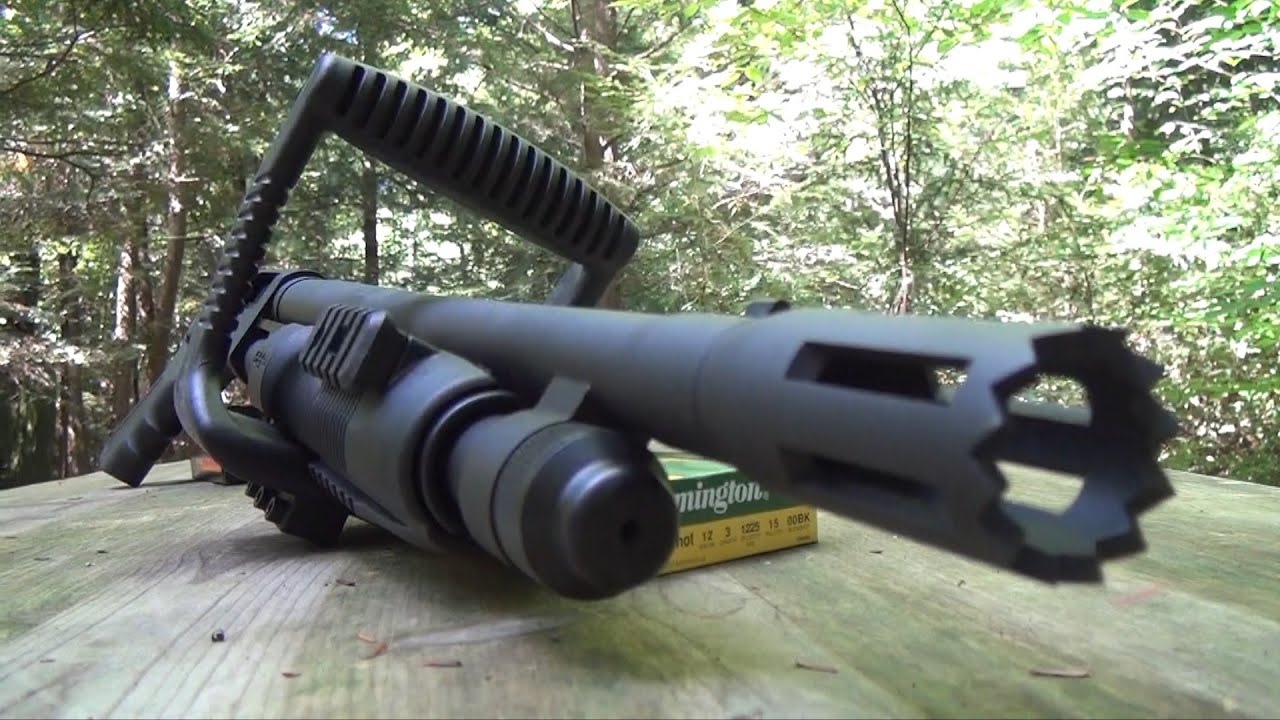
The Mossberg 500 has one of the strongest reputations in the pump shotgun world. It is simple, affordable, easy to find, and tough enough that plenty of hunters, homeowners, ranchers, and law enforcement agencies have trusted some version of it over the years. It is not a fancy shotgun, and that is part of the appeal. It was built to work without needing a lot of babying.
Still, no pump gun is immune to problems. The Mossberg 500 is generally dependable, but the most common malfunctions tend to come from the same places: the shooter short-stroking the action, the shell elevator getting dirty or sluggish, extraction trouble, worn shell stops, weak ejection, or cheap shells causing hang-ups. Most of these problems are fixable, but they are worth knowing before you assume every Mossberg 500 will run perfectly forever.
Short-Stroking the Pump
The most common “malfunction” with a Mossberg 500 often comes from the shooter, not the shotgun. Short-stroking happens when the pump is not pulled fully to the rear and pushed fully forward with authority. The fired shell may not eject cleanly, the next shell may not lift properly, or the action may end up stuck halfway between ejecting and feeding. It is especially common with newer shooters who try to baby the pump instead of running it hard.
A pump shotgun needs a full, deliberate stroke every time. The Mossberg 500 is not delicate, and trying to work it gently usually causes more problems than it prevents. Under stress, short-stroking gets even more common because people rush the action and fail to complete the motion. This can happen during home-defense drills, fast clay shooting, or follow-up shots while hunting. If a 500 is acting unreliable, the first thing to check is whether the shooter is actually running the action all the way back and all the way forward.
Failure to Extract Spent Shells
Failure to extract is another problem Mossberg 500 owners may run into, especially with dirty chambers, cheap shells, or older shotguns that have seen a lot of use. The gun fires, but the spent shell stays stuck in the chamber instead of coming out with the bolt. The shooter pumps the action and feels resistance, or the extractor slips off the rim and leaves the hull behind.
This can happen when the chamber gets fouled, rusty, or rough. Some cheap promotional shells also expand more than better shells and can stick after firing, especially in a chamber that has not been cleaned well. A worn or damaged extractor can make the problem worse. If the shotgun extracts quality shells but struggles with bargain loads, the ammo may be part of the issue. If it struggles with everything, the extractor and chamber need attention before the gun gets trusted for serious use.
Weak or Inconsistent Ejection
Sometimes the Mossberg 500 will extract the shell but fail to throw it clear of the receiver. The spent shell may dribble out, hit the side of the ejection port, or stay loose in the action and interfere with the next round. This often gets described as a failure to eject, and it can make a perfectly familiar shotgun suddenly feel clumsy.
Weak ejection can come from a few different things. A slow or incomplete pump stroke is one of the big ones. The Mossberg 500 ejects better when the action is run hard. But mechanical issues can be involved too, especially if the ejector is worn, loose, bent, or dirty. The ejector is mounted inside the receiver, and if it is not doing its job cleanly, the spent hull will not get kicked out the way it should. Dirt, old oil, and shell debris inside the action can also slow everything down.
Shells Failing to Feed From the Magazine Tube
Another common Mossberg 500 issue is a shell failing to leave the magazine tube and move into position for feeding. The shooter pumps the gun, but the next shell does not release properly. Sometimes the action opens and closes on an empty chamber. Other times the shell partially releases and causes a jam inside the receiver.
This can be caused by dirt in the magazine tube, a weak magazine spring, a damaged follower, or worn shell stops. The shell stops control when shells leave the magazine tube, and if they are dirty, bent, worn, or out of position, feeding can become inconsistent. This problem is more likely on shotguns that have sat loaded for years, been carried in dusty conditions, or gone a long time without a deep cleaning. A Mossberg 500 does not need to be spotless, but the magazine tube and shell stops still need to work cleanly.
Double-Feed Problems
A double-feed can happen when more than one shell tries to come out of the magazine tube at once. Instead of one shell being released onto the elevator, two shells fight for the same space and tie up the action. This can lock the shotgun badly enough that the shooter has to stop and clear the mess before the gun can be used again.
On a Mossberg 500, double-feeds are usually tied to the shell stop or cartridge interrupter. These parts are supposed to control shell release in a very specific sequence. If one is worn, bent, dirty, or installed incorrectly after disassembly, shells can escape when they are not supposed to. This is not the most common issue on a healthy 500, but it is one of the more frustrating ones when it does happen. If a shotgun starts double-feeding, it is time to inspect the shell-control parts instead of just blaming the ammo.
Elevator Hang-Ups
The shell elevator, also called the lifter, can cause problems if it is dirty, bent, sluggish, or being blocked by debris. When the action is cycled, the elevator has to lift the shell into line with the chamber. If it does not move cleanly, the shell may hang up, tilt, or fail to chamber. The shooter may feel the pump stop suddenly as the shell gets trapped at the wrong angle.
This is more common on shotguns that have been used hard and cleaned lightly. Mud, grass, unburned powder, hull shavings, and old oil can all build up inside a pump gun over time. Since the Mossberg 500 is often treated as a rough-use shotgun, some owners go too long without taking the action down far enough to clean the moving parts. If the elevator feels sticky or the gun feeds roughly even with good shells, a deep cleaning is a good place to start.
Light Primer Strikes
Light primer strikes are not the most common Mossberg 500 problem, but they do happen. The trigger is pulled, the firing pin hits the primer, and the shell does not fire. When the shell is removed, the primer may show only a shallow dent. This can come from the gun, the ammo, or a combination of both.
A dirty firing pin channel, weak hammer spring, worn firing pin, or heavy buildup inside the bolt can all reduce ignition reliability. Cheap shells can also have harder or less consistent primers. If it happens once with bargain ammo, it may not mean much. If it happens repeatedly across different loads, the bolt and firing pin assembly need to be inspected. A pump shotgun can tolerate a lot of neglect, but the firing pin still has to move freely and hit hard enough to fire the shell.
Safety Button Problems
The Mossberg 500’s tang-mounted safety is one of its most recognizable features, and a lot of shooters like it because it works well for both right- and left-handed use. But it can also be a trouble spot, especially on older or heavily used shotguns. Some owners run into stiff movement, loose safety buttons, cracked plastic safety parts, or a safety that does not feel positive when switching on and off.
This is not a feeding malfunction, but it is still a function problem. If the safety does not move cleanly or feels mushy, it can slow the shooter down or create uncertainty about the gun’s condition. Older plastic safety buttons are sometimes replaced with metal aftermarket parts for that reason. Any shotgun used for hunting or home defense needs a safety that works predictably every time. If the button feels loose, gritty, or unreliable, it should be fixed before the shotgun is trusted.
Like The Avid Outdoorsman’s content? Be sure to follow us.
Here’s more from us: