Photo credit: Nigel Housden/Shutterstock.com
A hunter said he had permission to hunt private land, but one neighbor’s roaming dog kept cutting through the property often enough to become a real problem.
In a Reddit post, he said the dog was running through the land at least two or three times a week. He knew the dog did not belong to the landowner, and he suspected a new neighbor may have moved in nearby. From the way he described it, this was not one loose-dog mistake. It had become a pattern.
The hunter’s concern was the deer. A dog running through hunting ground that often can blow up a sit before it ever starts. Deer may not abandon a property forever because one dog passes through, but a dog tearing around two or three times a week can absolutely push them around, mess with daytime movement, and ruin the quiet a hunter is counting on.
He was also in an awkward position because he was not the landowner. That matters. If it had been his own property, he could walk over to the neighbor, lay out the problem, post more signs, involve animal control, or make a decision about how hard he wanted to push. But when you are hunting with permission, every move reflects on the person who gave you access.
He could not just storm up to the neighbor’s house and start making demands on behalf of someone else’s land. If he handled it wrong, he could irritate the neighbor, make trouble for the landowner, and possibly lose permission to hunt the property altogether.
That is why he asked other hunters what they would do.
The replies showed pretty quickly how touchy loose-dog problems can get. Some people told him to find the owner and talk to them politely, framing it as concern for the dog instead of anger about the hunt. One commenter suggested telling the owner he had seen the dog regularly on the property and was worried because there might be traps, poison stations, coyotes, or other dangers out there.
The point was not to threaten the dog. It was to make the owner realize letting it roam could get it hurt.
Other commenters had handled similar problems that way. One said he told a neighbor he was worried the dog could get into traps, and the neighbor started keeping the dog home. Another said he had a similar issue with two adventurous dogs from a rough nearby property. Instead of starting a fight, he became friendly with the neighbor and warned about coyote traps on the property. A few months later, that same neighbor was watching out for him and checking that nobody else was trespassing near his truck.
But the thread also showed how fast these problems can turn ugly.
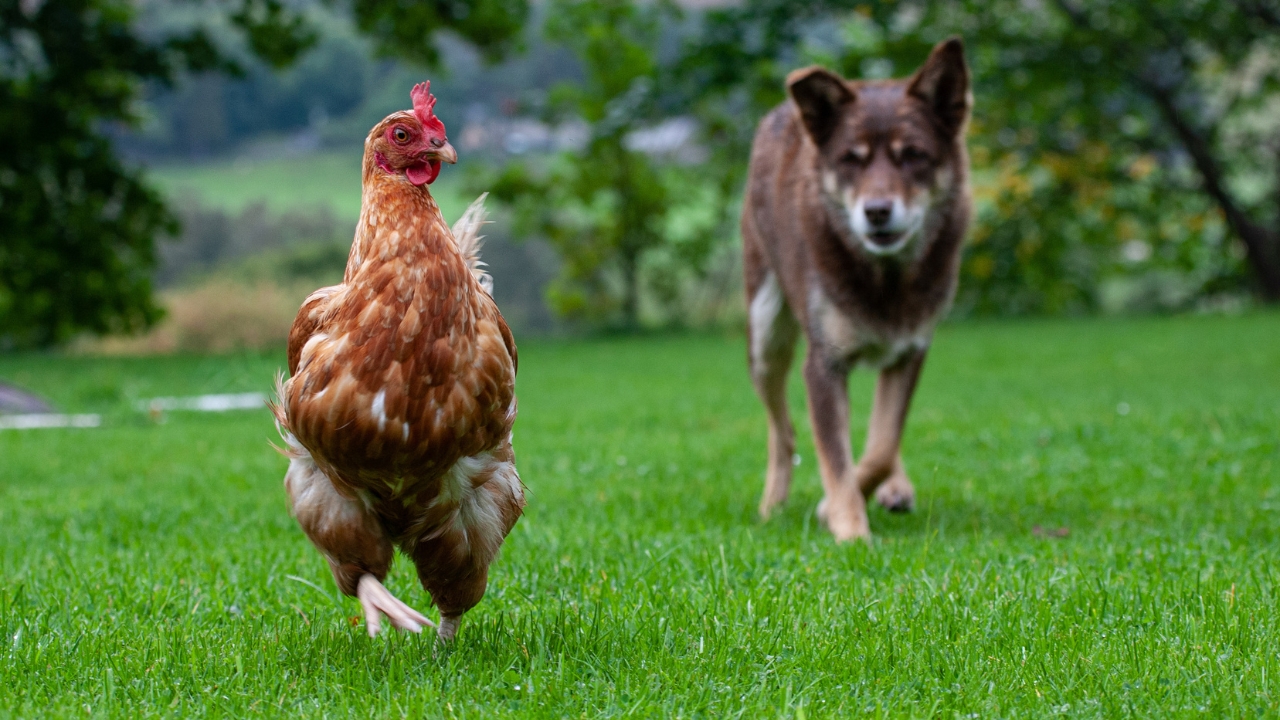
One commenter shared that his own neighbors let dogs roam all over, and now chickens were wandering onto his property too. He said he finally confronted the neighbor after the chickens kept getting into his garden and pecking peppers and tomatoes. According to him, the neighbor blew up, cursed at him, and acted like he was the only person in the world who could possibly care about loose chickens. She also insisted the chickens were not hurting anything, even though he said they were damaging his garden.
That side story lined up with the same bigger problem: some animal owners act like everyone else should tolerate their animals roaming wherever they please. Dogs push deer. Chickens tear up gardens. Cats kill wildlife. And when the person affected finally says something, the owner acts attacked.
The original hunter made one thing clear in the comments: he was not going to shoot someone’s dog. That mattered because some replies jumped straight to extreme answers. A few people argued that loose dogs chasing game during deer season bring consequences on themselves. Others pushed back hard, saying shooting a dog because it is hurting your hunt is reckless and unnecessary.
The hunter’s comment helped bring the thread back to a more practical place. He wanted the dog off the land. He did not want to create a dangerous fight or kill someone’s pet.
Still, the problem needed to be handled somehow. A dog showing up once may be bad luck. A dog showing up several times a week becomes a pattern, and patterns do not usually fix themselves. If the owner never hears about it, the dog keeps running. If the hunter handles it too aggressively, he risks making the whole situation worse.
Because he was only hunting the property with permission, the cleanest path was likely through the landowner first. The landowner could decide whether to speak with the neighbor, set rules, call animal control, or ask the hunter to stay out of it. That protects the hunter’s access and keeps him from acting like he owns land he does not.
The situation had all the little headaches that make private-land hunting complicated. You can do everything right, get permission, show up early, hunt carefully, and still have someone else’s animals run through the setup over and over. Then you are left deciding how much noise to make about it without burning the relationship that got you the spot in the first place.
Most of the better advice centered on talking before escalating. Several commenters said to find the owner and approach it like a safety concern for the dog, not an angry hunter complaint. The idea was that people may ignore “your dog is ruining my hunt,” but they may listen to “your dog could get hurt if it keeps running loose.”
Others said he needed to talk to the landowner first because he was not hunting his own property. One commenter warned that pretending to speak for the landowner or telling neighbors there were traps or poison around could backfire badly if the landowner had no issue with the dog.
Some suggested calling the police, DNR, or animal control if the problem continued. A few said local laws and enforcement would matter a lot, and in some places roaming dogs are treated seriously if they are chasing wildlife or livestock.
There were also plenty of harsher answers, including people talking about shooting or trapping the dog. Other commenters pushed back and said that should not be the first response, especially when the issue was deer movement rather than the dog actively attacking livestock or a person.
The practical middle ground was clear: do not make threats, do not handle it like the property is yours, document the dog showing up, talk to the landowner, and let the landowner decide how to deal with the neighbor.