
Photo credit: sootch00/Youtube
The Remington 870 has been around long enough that half the talk around it has turned into campfire legend. Some of it is earned. Some of it is exaggerated. And some of it comes from people repeating the same old lines without paying attention to how the shotgun world has changed.
The 870 is one of the most famous pump shotguns ever made, and for good reason. It has been used by hunters, homeowners, police departments, clay shooters, and plain old working folks who needed a shotgun that would do its job without asking for much. But being famous also means people load it down with myths. Some make it sound better than it is. Some make it sound worse. The truth sits somewhere in the middle, and that’s where the 870 actually makes the most sense.
1. The 870 Never Fails

The 870 has a reputation for reliability, but that does not mean it is immune to problems. Any pump shotgun can fail if it is neglected, short-stroked, fed rough shells, or run with worn parts. A good 870 will take plenty of use, but it still needs basic care like anything else with moving metal.
A lot of failures blamed on the gun come from poor operation. Pump guns rely on the shooter to run the action fully and firmly. Baby the fore-end, and you can create feeding or ejection issues that have nothing to do with the shotgun’s design. The 870 is dependable, but it still needs a shooter who knows how to run it.
2. Every 870 Is the Same

People talk about “the Remington 870” like every version is identical, but that is not true. Over the years, Remington has made Wingmasters, Police Magnums, Express models, tactical versions, youth guns, slug guns, field guns, and plenty of special runs. Some were polished and slick. Some were built to a tighter budget.
That matters when people argue about quality. A nice older Wingmaster is not the same experience as a rougher budget Express. A Police model is not the same setup as a basic field gun. The 870 name covers a wide range of shotguns, and judging all of them by one good or bad example misses the point.
3. Older 870s Are Always Better

There is a lot of truth behind the love for older 870s, especially Wingmasters. The fit, finish, polish, and smoothness on many older guns can be excellent. But “older” does not automatically mean “better.” A worn-out old gun with abused internals, a rusted chamber, or a loose action may not beat a newer gun that has been cared for properly.
Condition matters more than age. A clean, well-maintained 870 from a less-romantic era may be a better buy than an old safe queen that was never cleaned after duck season. Older guns deserve respect, but they still need to be inspected like anything else.
4. Newer 870s Are All Junk

On the other side, some shooters act like every newer 870 should be written off before it even comes out of the box. That is lazy thinking too. Remington’s quality had rough stretches, and plenty of shooters noticed. But painting every newer 870 with the same brush is too easy.
A newer 870 should be judged by the actual gun in front of you. Look at the chamber, action smoothness, finish, extractor, barrel fit, and how it cycles with the shells you plan to use. Some newer examples run just fine. Some may need attention. The label on the receiver does not tell the whole story by itself.
5. The Express Is Basically a Wingmaster

The 870 Express and the 870 Wingmaster share the same basic family tree, but they were never meant to feel like the exact same shotgun. The Express line was built as a more budget-friendly option, and that showed in the finish, polish, and sometimes the feel of the action. That does not make it useless. It just means expectations need to match the model.
A Wingmaster usually feels smoother and more refined. The Express can feel rougher, especially when new. But plenty of Express guns have killed piles of birds, sat beside beds, ridden in trucks, and handled years of use. It is not a Wingmaster with cheaper branding. It is a working version of the platform.
6. Pump Shotguns Don’t Need Practice

This myth gets people in trouble. Some folks think a pump shotgun is so simple that practice barely matters. They buy an 870, load it with buckshot, and assume the sound of the action is all the training they need. That kind of thinking falls apart fast.
Running a pump shotgun well takes rhythm, shoulder control, reload practice, and a real understanding of patterning. You need to know how your gun hits, how your chosen load spreads, and how to cycle the action without coming off target. The 870 is simple, but simple does not mean automatic skill.
7. The Sound of Racking It Will Scare Everyone Away
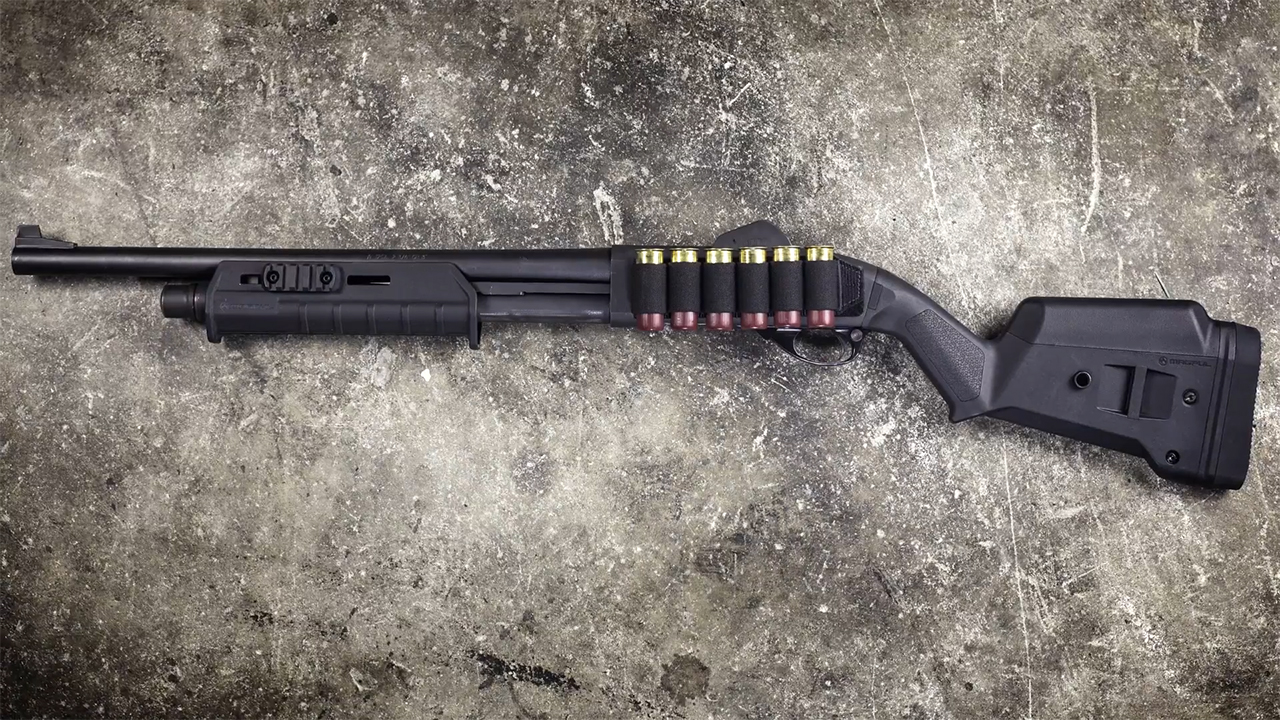
This one refuses to die. The idea is that just pumping the shotgun will send every bad guy running. Maybe it would scare someone. Maybe it would not. Betting your safety on sound effects is not a plan.
The better approach is having the shotgun ready, knowing how it patterns, and understanding how to use it safely. A defensive firearm should not be treated like a noise-making warning device. The 870 can be a serious home-defense shotgun, but only if the person behind it has done more than practice dramatic movie moves in the hallway.
8. You Don’t Have to Aim a Shotgun

This myth is probably responsible for more bad shotgun advice than anything else. A shotgun still has to be aimed. At home-defense distances, buckshot does not spread into some giant wall of lead. It may only open up a few inches depending on the barrel, choke, and load.
For hunting, aiming and follow-through matter even more. Birds are missed every season by people who think the pattern will make up for poor gun mount or bad swing. The 870 will put pellets where the barrel is pointed. If the barrel is not where it needs to be, the shotgun cannot save you.
9. The 870 Kicks Too Hard for Most Shooters

The 870 can kick, especially with heavy hunting loads, slugs, or magnum buckshot. But saying it kicks too hard for most shooters is too broad. A lot depends on gauge, load, stock fit, recoil pad, gun weight, and how the shooter mounts it.
A 12-gauge 870 with heavy loads will get your attention. A 20-gauge youth or field model with lighter loads can be much easier to manage. Even in 12 gauge, target loads are not the same as 3-inch magnums. Recoil is real, but it can be managed with proper setup and load choice.
10. A Short Barrel Makes It Useless for Anything Else

A short-barreled defensive-style 870 is not the ideal bird gun, but that does not mean it is useless outside one role. Shotguns are flexible tools, and barrel length mostly affects handling, swing, sighting setup, and legal/configuration limits more than some people realize.
That said, there are tradeoffs. A short barrel can be handy indoors or in thick cover, but it will not swing like a longer field barrel on birds. A longer barrel points better for wingshooting and clay work but feels slower in tight spaces. The 870’s strength is that different barrels and setups can tailor the gun to different jobs.
11. The 870 Is Too Old to Matter Now

The shotgun market has changed a lot. Semi-autos are better than they used to be, tactical shotguns have grown more specialized, and modern pumps have plenty of competition. Still, the 870 is not irrelevant. A proven pump shotgun with huge parts support and decades of real-world use still matters.
Newer does not always mean better for every shooter. Some people want a shotgun they can understand, maintain, and set up without needing anything complicated. The 870 still fits that lane. It may not be the trendy answer, but it remains a practical one.
12. The 870 Is Only Good for Home Defense

The 870 gets talked about heavily in home-defense circles, but that is only one part of its history. It has been used hard in duck blinds, deer woods, turkey setups, upland fields, trap ranges, and patrol cars. The platform became famous because it covered a lot of ground.
A field 870 and a defensive 870 are not the same setup, but the basic action can serve many roles when configured properly. Barrel, choke, sights, stock, and load choice matter. Calling it only a home-defense gun ignores most of what made it popular in the first place.
13. More Accessories Always Make It Better

The 870 has a huge aftermarket, and that tempts people into turning a clean shotgun into a twelve-pound parts display. Sidesaddles, lights, optic mounts, big safeties, sling plates, shell carriers, rails, pistol grips, and extended tubes all have their place. They can also make the shotgun heavier, clumsier, and less pleasant to use.
A working 870 should be set up around the job. For home defense, a good light and reliable sling may matter more than half the extras people bolt on. For hunting, less weight and better balance may matter more. Accessories should solve a real problem, not create five new ones.
14. Short-Stroking Means the Gun Is Bad

Short-stroking is when the shooter does not run the pump fully to the rear and forward again. It can cause feed issues, ejection problems, or a dead trigger feeling at the worst possible time. Some people blame the shotgun immediately, but plenty of “870 problems” are really operator problems.
That does not mean mechanical issues never happen. They do. But pump guns demand a full, strong stroke. Run the action like you mean it. If the shotgun still has problems after proper technique, clean magazines, good shells, and inspection, then start looking at the gun itself. Don’t skip the basics.
15. The 870’s Reputation Is All Nostalgia
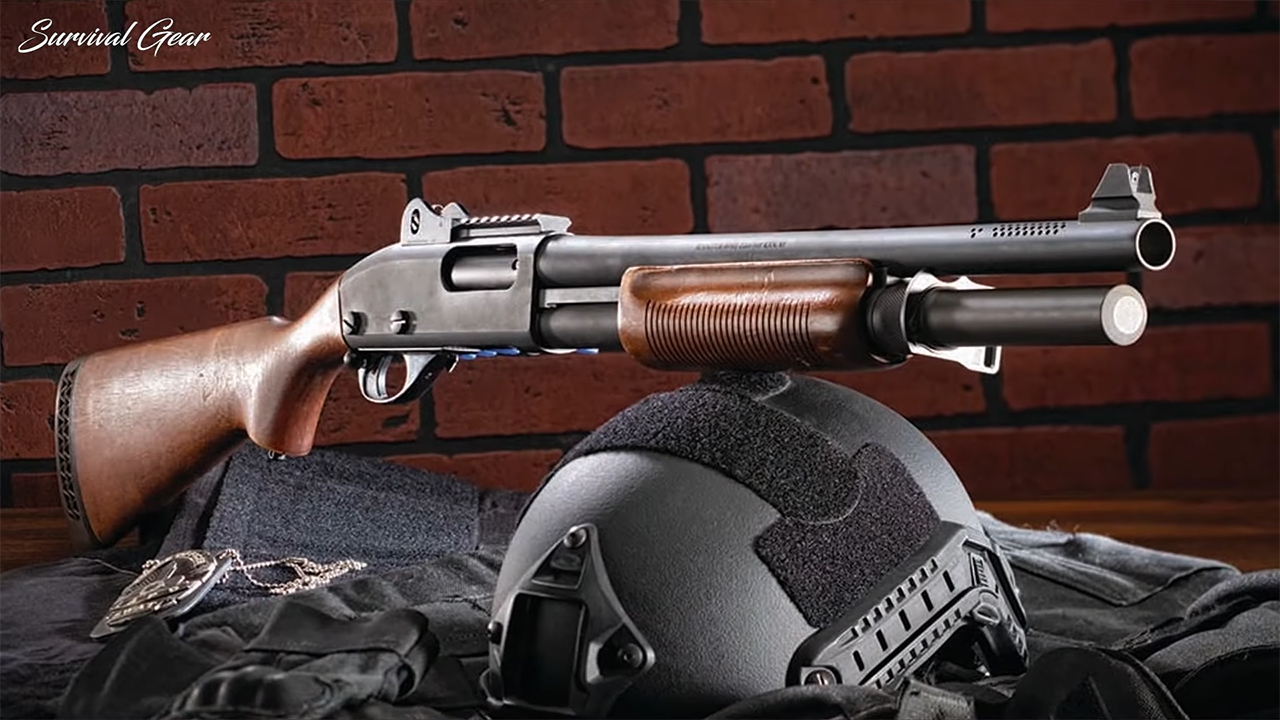
Nostalgia definitely plays a part. A lot of hunters grew up seeing an 870 in the corner, in the truck, or in a family member’s hands during deer season. That kind of history sticks. But the 870’s reputation is not built on feelings alone.
It earned its name because it worked across decades, jobs, and generations of shooters. It was affordable enough for regular people, durable enough for hard use, and simple enough to keep running. The myths around it can get ridiculous, but the core truth is still there. The Remington 870 became a classic because it did a lot of shotgun work well for a very long time.
Like The Avid Outdoorsman’s content? Be sure to follow us.
Here’s more from us: