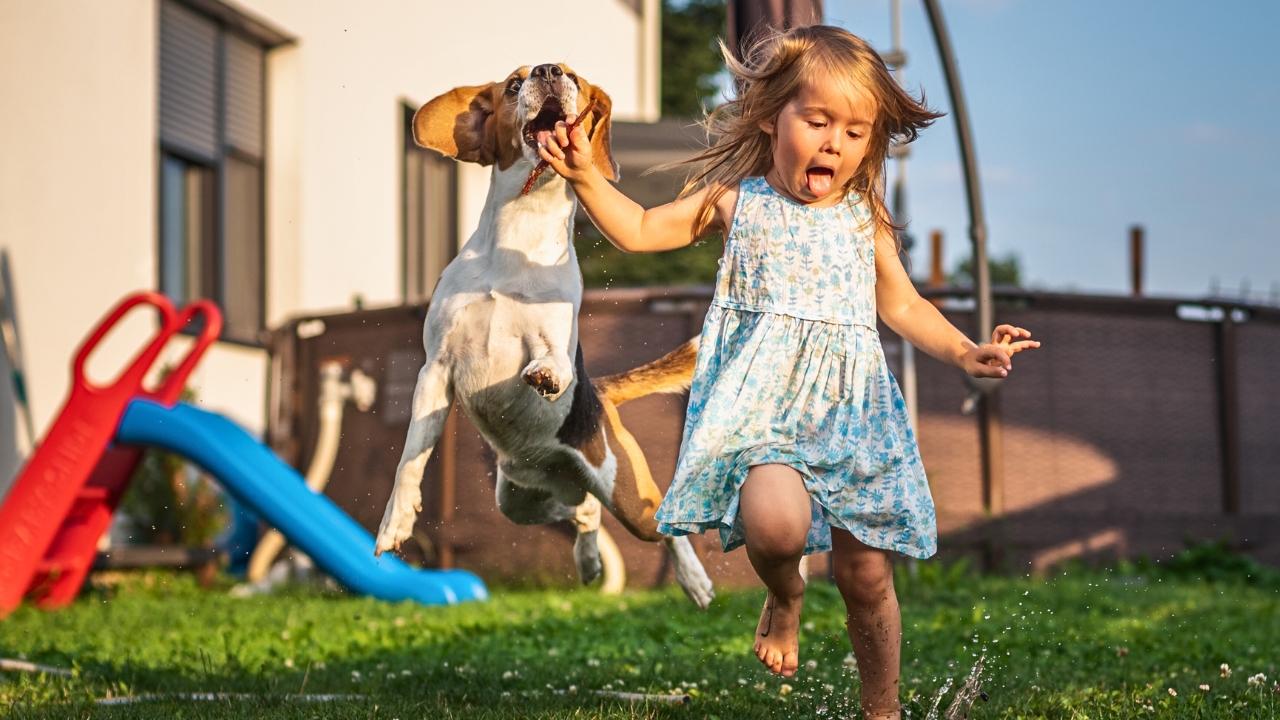
Photo credit: Przemek Iciak/Shutterstock.com
A lot of dog behavior gets brushed off too quickly because people want the easy explanation. The dog is being weird. The dog is dramatic. The dog is stubborn. The dog is “just doing dog stuff.” Sometimes that is true. Dogs do plenty of harmless things that look strange to us. But there is a big difference between a dog being quirky and a dog changing in a way that means something. The hard part is that the behaviors worth paying attention to do not always look dramatic at first. A lot of them show up as little shifts in routine, mood, movement, or habits that seem too minor to matter until they keep happening.
That is why good owners pay attention to patterns more than one-off moments. A single odd behavior may mean very little. A repeated behavior, a sudden change, or a cluster of small changes usually means more. Dogs communicate through routine, body language, and habits long before a problem becomes obvious. If you wait for something huge to happen before you take it seriously, you are often late to the message. The important thing is not to panic over every small quirk. It is to notice when your dog stops acting like itself and starts telling you, quietly but consistently, that something has changed.
Sudden clinginess that feels out of character
A dog that suddenly cannot leave your side deserves more attention than most people give it. If your dog always liked being close, that is one thing. If it used to settle on its own and now follows you room to room, presses against you constantly, or acts uneasy when you step away, that change usually has a reason. Sometimes it is stress. Sometimes it is discomfort. Sometimes the dog is reacting to something going on in the house, and sometimes it is reacting to something going on with you.
People often treat this as flattering and stop there. It can be sweet, sure, but that does not mean it is meaningless. A clingy dog may be looking for reassurance because something feels off physically or emotionally. When the shift feels sudden, it is worth asking what changed in the household, what changed in your routine, and whether the dog seems different in any other way too. Closeness is often how dogs ask for security without making a bigger scene.
Restlessness at night or trouble settling down
A dog that suddenly paces at night, gets up over and over, wanders the house, or refuses to settle in its normal spot is giving you information. Owners often blame extra energy or assume the dog took too long a nap, but nighttime restlessness can point to a lot more than that. Pain, digestive discomfort, anxiety, noise sensitivity, age-related confusion, and changes in routine can all show up first during the quiet hours when the dog should be relaxing.
This matters even more if the dog used to settle easily. A young dog being wound up after a lazy day is not the same thing as a dog that used to sleep hard and now seems unable to get comfortable. When a dog keeps changing positions, staring into the room, getting up to check things, or pacing with no clear purpose, it usually means something is interfering with rest. That is not something to laugh off for very long.
Repeated licking, chewing, or scratching in the same place
A little scratching now and then is normal. A dog repeatedly licking one paw, chewing one patch of skin, or scratching the same area every day is different. People miss this one all the time because the behavior is quiet. The dog is not making a scene. It is just working at the same spot over and over until the fur thins out, the skin gets red, or the irritation becomes impossible to ignore. By then, what started small has usually turned into a much bigger problem.
This kind of behavior can point to allergies, skin irritation, parasites, pain, boredom, or anxiety. Sometimes it starts as one thing and becomes a habit on top of that because the dog learns the licking or chewing gives temporary relief. The important part is not only what the dog is doing, but how often and how intensely it is doing it. Repetition is the part that should make owners stop and look closer.
Changes in appetite or the way the dog eats
Most owners notice when a dog stops eating completely. Far fewer notice the earlier signs that feeding behavior changed first. A dog that suddenly starts eating more slowly, walks away from meals, seems hesitant at the bowl, drops food, guards the bowl differently, or acts less interested in treats than usual may be telling you something before appetite disappears entirely. Dogs with dental pain, nausea, stress, soreness, or other physical issues often change how they eat before they stop eating.
This is one of those behaviors that can look small if you are not paying close attention. The dog still eats eventually, so people assume everything is fine. But if a dog that once bounced to the bowl now stands there thinking about it, or if a dog that loved treats starts ignoring them, that shift matters. Feeding behavior is tied closely to comfort and routine, and changes there usually deserve a second look.
Avoiding touch or acting “grumpy”
A dog that starts pulling away from being touched, growling when moved, resisting being picked up, or seeming less tolerant than usual is often labeled moody. That is a mistake. Sudden grumpiness usually has a cause. Pain is one of the biggest ones. A sore back, bad hips, dental discomfort, skin irritation, or just feeling generally unwell can change how much handling a dog is willing to tolerate. The dog is not being rude. It is protecting itself the only way it knows how.
This gets missed because owners often focus on the attitude instead of the reason behind it. If your dog always loved being petted, brushed, or cuddled and now seems tense or avoidant, pay attention. The same goes for a dog that growls when moved off furniture or when a hand reaches toward a certain part of the body. Dogs rarely become touchy out of nowhere without something making them uncomfortable.
Staring, freezing, or zoning out more than usual
Dogs do stare sometimes. They watch the door, listen to sounds outside, or focus on a spot that means nothing to you. That by itself is not unusual. What should get more attention is when the behavior becomes repetitive, intense, or oddly disconnected from what is happening around the dog. A dog that freezes often, stares into space, seems hard to interrupt, or zones out more than usual may be reacting to stress, confusion, hearing changes, age-related cognitive changes, or in some cases something neurological.
People often joke that the dog is seeing a ghost, but repeated staring is worth noticing if it feels different from the dog’s normal alertness. The same goes for sudden freezing in place during routine situations. A moment of stillness can be normal. A repeated pattern of stillness, blank staring, or delayed response deserves more attention than most people give it.
Sudden changes in sleeping habits
When a dog suddenly stops sleeping in its usual place, starts sleeping much more, sleeps much less, or becomes unusually attached to one new sleeping spot, that change can mean more than people think. Dogs are creatures of habit. They usually choose rest spots for comfort, safety, warmth, and routine. If that pattern changes, there is usually a reason behind it. The old spot may not feel good anymore, or the dog may no longer feel settled enough to rest there.
This kind of shift can point to pain, temperature sensitivity, anxiety, aging, or changes in the household. A dog that stops sleeping in the bed it always loved may be telling you it hurts to get in and out of it. A dog that suddenly has to sleep against you may be asking for reassurance. Sleep changes are easy to dismiss because they seem passive, but rest is one of the clearest windows into how a dog feels.
Unusual reactions to ordinary sounds or routines
A dog that suddenly startles more easily, reacts harder to ordinary noises, barks at things it used to ignore, or seems unsettled by normal household routines is giving you a clue that something changed. Stress can do that. So can hearing changes, pain, and growing anxiety. Dogs that are not feeling right often become more reactive because their threshold gets lower. Things they handled easily before now feel like too much.
This is worth watching because reactivity often builds gradually. A dog may first become tense at the doorbell, then bark harder at outside sounds, then start reacting to smaller and smaller things. By the time the owner sees it as a major problem, the dog has usually been signaling discomfort for a while. The earlier signs matter because they tell you the dog’s tolerance level has changed.
Bathroom habits and accidents that feel “unlike them”
People tend to treat accidents as isolated annoyances until they happen more than once. But when a house-trained dog suddenly starts having accidents, asking to go out at odd times, straining, pacing at the door, or changing its bathroom routine, that deserves attention quickly. Dogs are usually pretty consistent once they know the routine. A change there can point to stress, digestive trouble, urinary issues, pain, aging, or something else physical that needs to be taken seriously.
Even if the dog only seems slightly different, the shift matters. A dog that starts going out more often, circling differently, or acting uncomfortable before or after relieving itself is giving you a better clue than people sometimes realize. Bathroom behavior is basic, and basic habits usually do not change without a reason.
Less enthusiasm for things the dog used to love
One of the most important signs owners miss is not a dramatic behavior at all. It is the quiet absence of one. The dog that used to greet you hard but now barely gets up. The dog that loved walks but suddenly seems hesitant at the leash. The dog that used to do its little pre-dinner routine but now just stands there. When a dog stops showing enthusiasm for familiar, positive parts of life, that should make you pay attention.
This does not always mean the dog is severely ill. But it often means something is affecting comfort, energy, or mood. Dogs are creatures of ritual. When their happy routines start fading, that is information. A missing behavior can matter just as much as a new one, especially when the dog seems a little duller, slower, or less engaged overall.
The bigger message is usually in the pattern
The main thing owners should remember is that dogs often communicate through small changes before anything becomes obvious. One odd moment may mean nothing. A repeated change in appetite, sleep, movement, reactivity, clinginess, grooming, or enthusiasm usually means more. Dogs do not sit you down and explain that something feels off. They show you by doing less, doing more, or doing something differently often enough that the pattern starts to stand out.
That is why paying closer attention matters. Not because every strange habit is a crisis, but because early signs are often the easiest time to help a dog before the issue gets bigger. The best owners are not the ones who panic over every little thing. They are the ones who know their dog well enough to notice when the little things are no longer little.
Like The Avid Outdoorsman’s content? Subscribe to our newsletter so you never miss an article.
Here’s more from us: