Photo credit: The Avid Outdoorsman
The hunter thought he had found public ground he was allowed to use.
That should have been the simple part. State land is not somebody’s private back forty. If it is open for hunting and there is a legal way to access it, regular hunters are supposed to be able to use it. That is the whole point.
But then access became the problem.
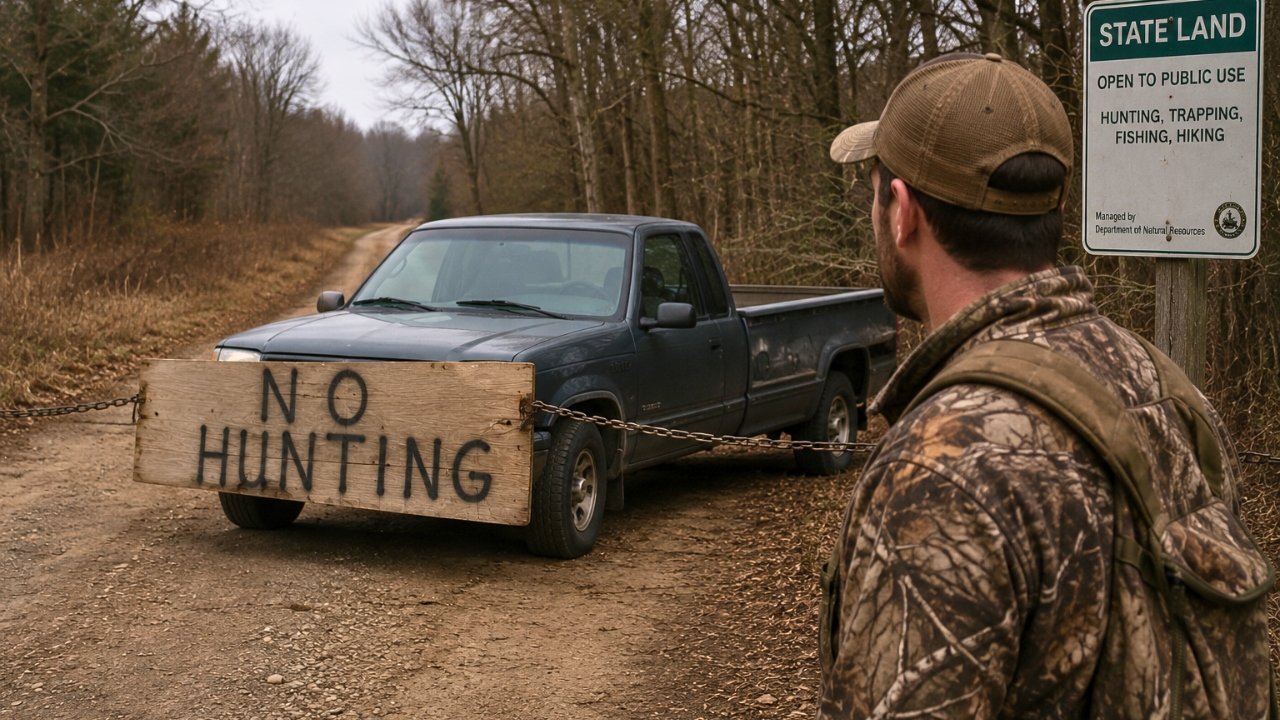
In a Reddit post, the hunter described trouble getting to state hunting land because access appeared to be blocked or challenged. From his side, the land itself was public. The issue was that someone near the access point seemed to be treating it like they had the final say.
That is the kind of thing that makes public-land hunters crazy.
Public access can be fragile, especially when state land sits behind private parcels, old roads, easements, gates, driveways, or neighborhood edges. On a map, it may look wide open. In real life, a hunter can roll up and find a locked gate, a hostile neighbor, a road that looks private, or a sign that makes him wonder if he is about to get accused of trespassing.
And once someone nearby starts acting territorial, the whole thing gets uncomfortable.
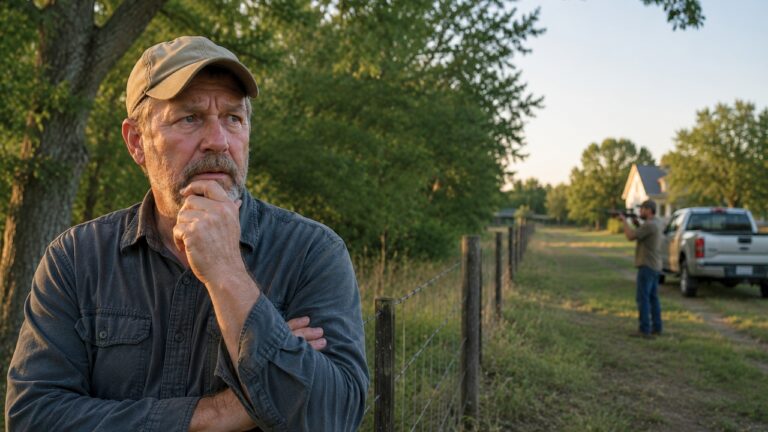
The hunter was not asking to hunt someone’s yard. He was trying to reach state hunting land. That distinction matters. A neighbor may not like hunters coming through. They may not like trucks parked nearby. They may not like noise, gunfire, strangers, dogs, or people walking close to their property. Some of those concerns can be understandable, especially if hunters have been rude in the past.
But a neighbor’s irritation does not automatically erase public access.
That is where Reddit’s reaction came in: if the state says the access is legal, the neighbor’s attitude does not override that. A person living near public land may have strong feelings about it, but those feelings are not the same as ownership. If the road, trail, easement, or access point is legally open, hunters do not need a neighbor’s blessing to use land that belongs to the public.
Still, knowing that on paper and dealing with it at the gate are two different things.
No hunter wants to start his morning with a confrontation. You wake up early, drive in the dark, park quietly, and try to get into position without blowing the hunt. The last thing you want is to argue with someone about whether the access is legal while daylight is coming up and your whole plan is falling apart.
That is why these situations are so frustrating. Even if the hunter is right, the conflict can still ruin the day.
It can also make people second-guess themselves. Am I on the correct road? Is this gate legal? Is this an easement or private drive? Did the state map show something outdated? Is the neighbor wrong, or am I missing a local rule? If law enforcement shows up, will they know the access law or just tell everyone to leave?
Those questions matter because public-land access mistakes can get expensive or ugly.
The smart move is usually to get the agency involved before the next trip. Call the state wildlife department, land manager, conservation officer, or whoever manages the property. Ask specifically where legal access is. Get names if possible. Save emails. Take screenshots of official maps. If there is a sign, gate, or neighbor blocking access, report it and ask what hunters should do.
That may feel like extra work, but it gives the hunter something stronger than “Reddit said I was right.”
It also keeps the confrontation from happening only between a hunter and an angry neighbor. If the access is legal, the agency may need to clarify it with signage, enforcement, or direct communication. If the access is not legal anymore, the hunter needs to know before walking into a trespass problem.
The worst option is guessing.
This story fits a larger problem public-land hunters run into all the time: land can be public but still practically hard to reach. Sometimes the only access is tiny, poorly marked, or surrounded by people who do not want it used. Sometimes maps are confusing. Sometimes private owners treat legal public routes like personal driveways. And sometimes hunters make things worse by parking badly, blocking gates, leaving trash, or giving locals a reason to complain.
That is why public access needs both rights and manners.
If the access is legal, use it respectfully. Park where allowed. Do not block gates. Stay on the legal route. Do not wander onto private land. Do not leave trash, shells, or gut piles. Do not turn a valid access point into a neighborhood headache. The more respectful hunters are, the harder it is for opponents to argue that public access is the problem.
But respect goes both ways.
A neighbor does not get to bully hunters away from legal state land because he dislikes the idea of people using it. If it belongs to the public and the access is lawful, then the public has the right to be there.
For this hunter, the issue was not finding deer. It was reaching land he was supposed to be able to hunt. And sometimes that is the most frustrating hunt of all — fighting for access before you ever get to step into the woods.
Commenters mostly told him to stop treating the neighbor’s opinion like the final answer.
Several people said the hunter needed to contact the state agency that manages the land and confirm the legal access point. If the land is state hunting land, there should be an official answer about where the public can enter, park, and walk. A neighbor’s attitude should not decide that.
Others said he should document anything blocking access. Photos of signs, gates, vehicles, barriers, or posted notices could help if someone is unlawfully interfering with public access. If a gate is legally closed, that is one thing. If someone is blocking a legal public route, that is another.
A few commenters warned him not to force the issue alone. Even if he believed he was right, walking past an angry neighbor or moving a barrier without confirmation could create a bigger problem. The smarter move was to get the conservation officer or land manager involved first.
Some hunters also pointed out that access maps can be wrong or outdated. Just because an app shows a route does not mean it is legally usable. That is why official confirmation matters.
The main advice was simple: verify the access with the state, get it in writing if possible, and use it respectfully. Public land only works when the public can actually reach it, but a hunter still needs to make sure the route is legal before treating a neighbor’s complaint as meaningless.