Photo credit: NewLibertyFirearmsLLC/GunBroker
The Canik TP9 is one of those pistols that a lot of shooters know as “the gun that made Canik blow up,” and honestly, that is pretty close to the truth. While the Mete and Rival lines get a lot of attention now, the TP9 was the original flagship striker-fired design that really put Canik on the map in the U.S. and helped define the company’s reputation for packing a lot of features into an aggressively priced handgun. Current Canik materials still treat the TP9 line as a live product family, and outside coverage has consistently described it as the series that established Canik’s place in the market.
What makes the TP9 especially interesting is that it is not one pistol in the usual sense. It turned into a broad family that stretched from the original duty-style TP9 into models like the TP9SA, TP9SFx, Elite Combat, and Elite SC. American Rifleman’s Mete coverage even frames the later Mete line as the next iteration of the TP9 platform, which tells you how foundational the TP9 really was.
1. The TP9 is the original Canik striker-fired flagship
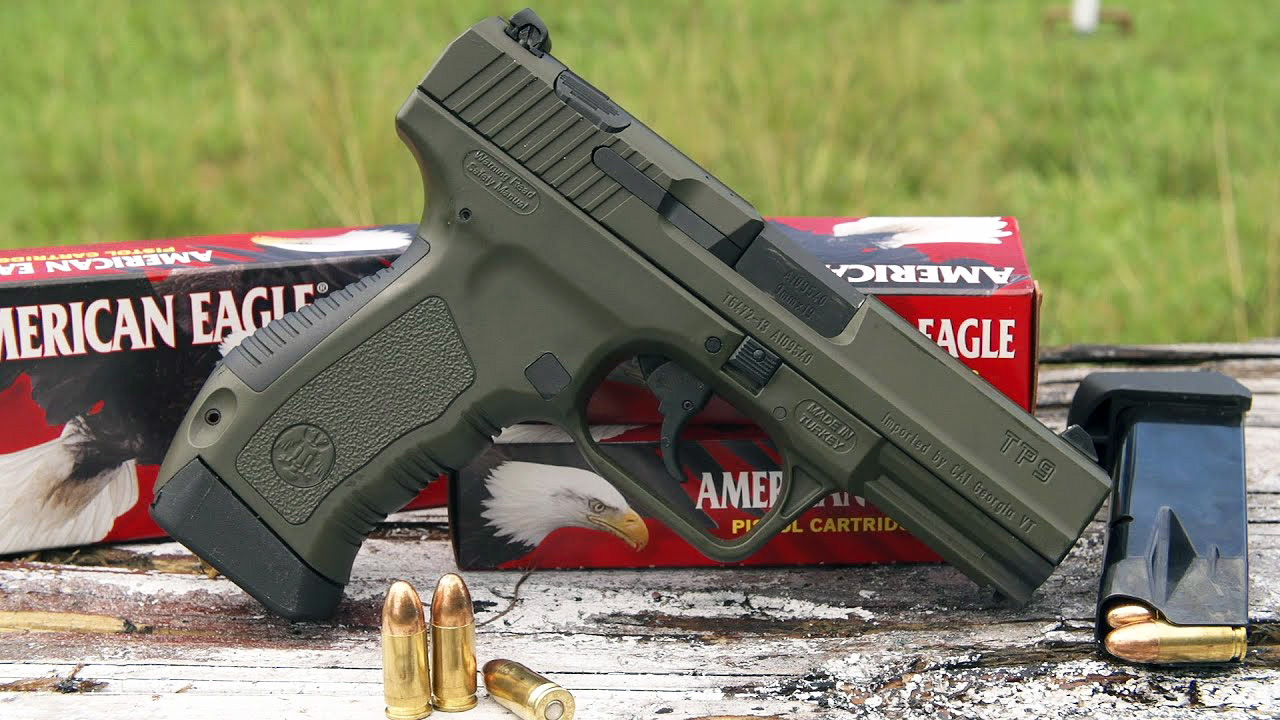
Current Canik overview material says the TP9 series is the original flagship design that helped put Canik on the map and served as the basis for later pistols developed by the company.
That matters because the TP9 is not just an older model hanging around in the catalog. It is the platform that established Canik’s modern handgun identity in the first place. That second sentence is an inference grounded in Canik being described as the original flagship and basis for later pistols.
2. The line dates to the early 2010s
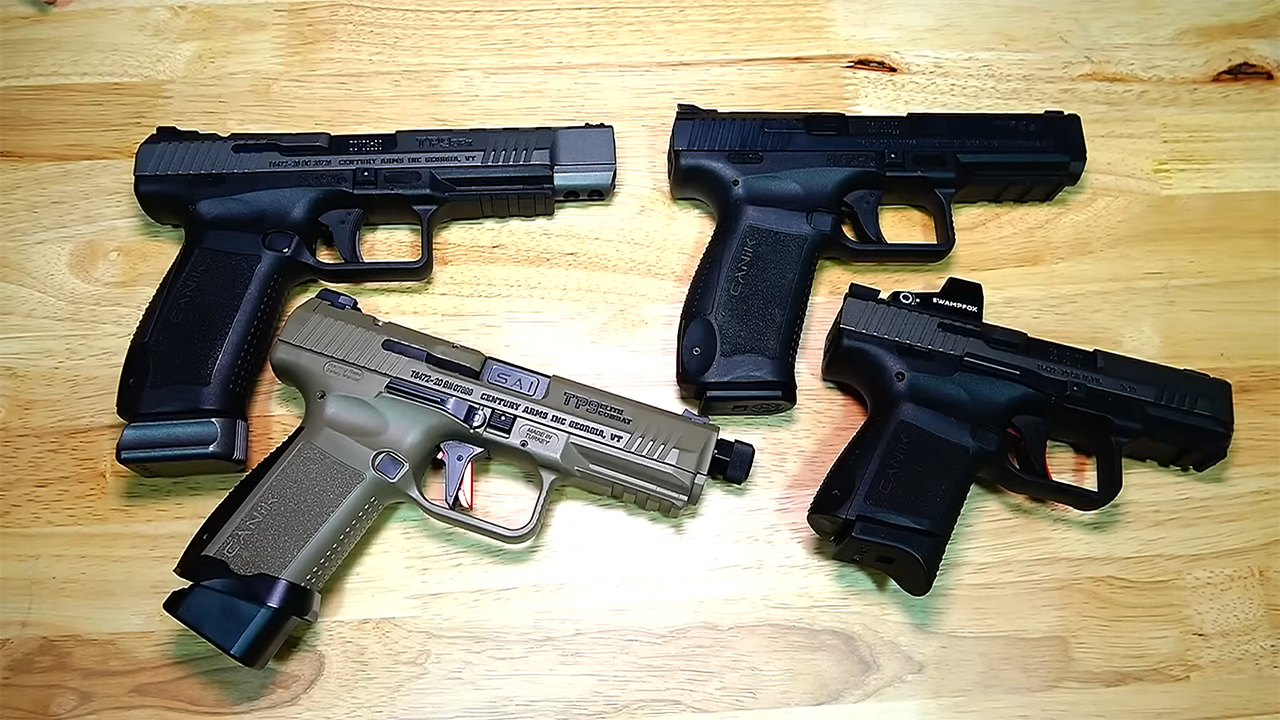
A recent Canik-history piece says the TP9 was introduced in 2012, and other coverage describing the line’s evolution matches the idea that the original TP9 arrived well before the Mete series and later carry guns.
That timing matters because it means the TP9 was there before Canik became a mainstream name to a lot of American shooters. It was the gun that started building that reputation. That second sentence is an inference based on the chronology in the cited sources.
3. The original TP9s were full-size guns
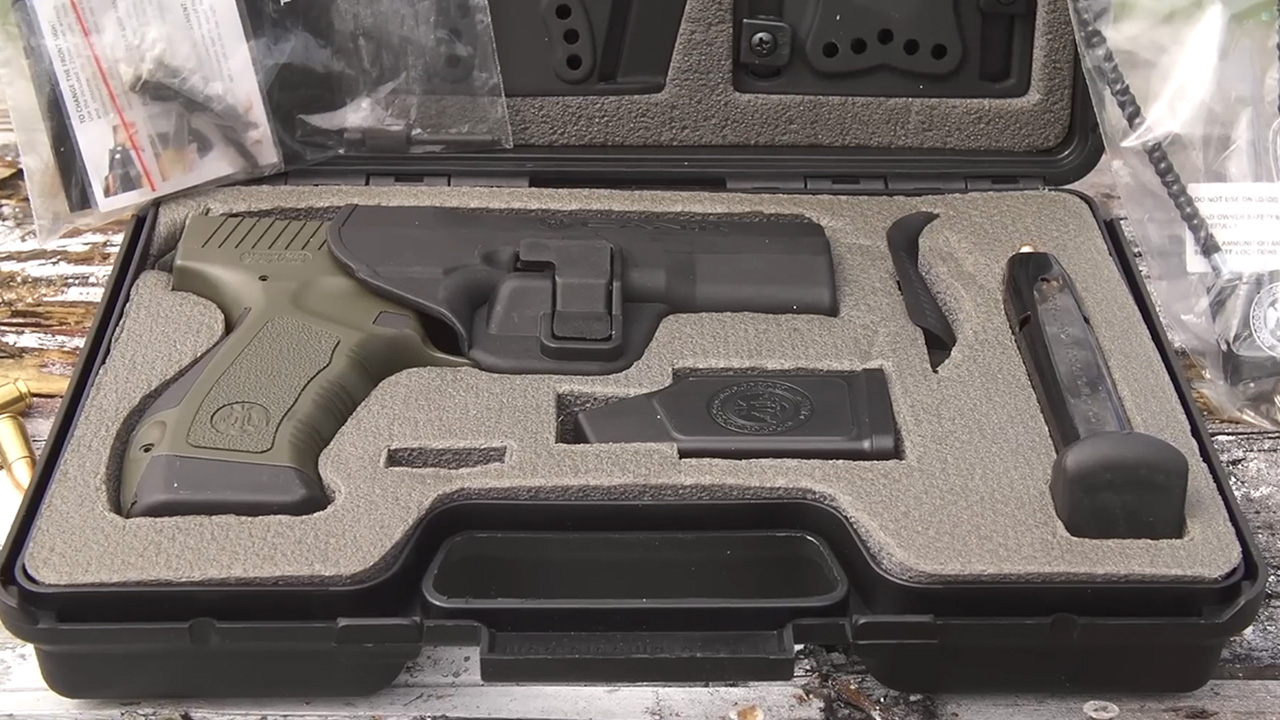
A detailed Canik evolution breakdown says the original striker-fired TP9 models were all full-size, 18-round-frame pistols before the family expanded into smaller or more specialized versions. Reddit is not a primary source, so I would treat the exact phrasing cautiously, but it lines up with the broader arc described in other coverage about the TP9 family growing outward into Elite and SC variants later.
The safer takeaway is that the TP9 started as a duty-size service-pistol concept, not as a micro-carry or compact-first platform. That conclusion is supported by the later appearance of smaller TP9 offshoots like the Elite SC.
4. The TP9 line was built around value from the start

Coverage describing Canik’s rise says the TP9 combined military-grade reliability, strong accuracy, and a price point that disrupted the market. American Rifleman’s TP9SFx coverage also said the pistol delivered a powerful package at a price point that was hard to beat.
That is a huge part of why the TP9 line took off. Canik was not trying to win by being the most prestigious pistol in the case. It was trying to offer more gun than buyers expected for the money. That reading is an inference grounded in the repeated value-focused framing.
5. The TP9 platform had room to evolve almost immediately

American Rifleman’s Mete SFx article says the original TP9 was a solid combat handgun right out of the gate, but still had room for improvement. It then explains that the next major iteration, the TP9SA, brought a slightly elongated frame, a longer slide and barrel, refined slide contours, better grip geometry, more aggressive stippling, and a loaded-chamber indicator.
That matters because it shows the TP9 family was never static. Canik started refining the platform fairly early, which is one reason the line grew so fast and in so many directions. That last sentence is an inference based on the early design evolution described in the source.
6. The TP9SA was one of the first big refinement points

The same American Rifleman piece specifically names the TP9SA as the next iteration after the original TP9 and lays out several concrete upgrades.
That is worth knowing because a lot of shooters casually say “TP9” when they are really talking about later improved models. The TP9 family is one of those lines where the suffix matters a lot. That conclusion is an inference grounded in the platform-evolution details.
7. The TP9SFx helped push the line hard into competition territory

American Rifleman’s 2017 “Gun of the Week” says the TP9SFx was based on the successful TP-series handguns, chambered in 9 mm, optics-ready, and sold as a strong package for both entry-level shooters and experienced enthusiasts. Current Canik material for the TP9 SFx still presents it as a competition-driven design with full-size handling and optics-ready capability.
That matters because the TP9 line was not limited to service-style pistols. It quickly proved flexible enough to support dedicated match-oriented variants too.
8. The TP9SFx was optics-ready years before that became normal everywhere

The TP9SFx was already being highlighted as optics-ready in 2017 by American Rifleman, and current Canik product language still centers optics-ready versatility as one of the model’s defining traits.
That is a bigger deal than it sounds now. The TP9 line was leaning into red-dot readiness early enough that it helped Canik feel more modern than a lot of shooters expected from a value-priced pistol brand. That final point is an inference grounded in the 2017 optics-ready emphasis.
9. The Elite Combat branch showed the TP9 could go upscale

Shooting Illustrated’s 2019 review of the TP9 Elite Combat said the pistol shot pleasantly, had a good trigger, and ran with complete reliability across different loads in the test.
That matters because it shows the TP9 family was not boxed into the “budget gun” corner. Canik used the same broader platform to build more refined, feature-heavy versions too. That conclusion is an inference grounded in the existence and positive treatment of the Elite Combat.
10. The Elite SC proved the TP9 line could shrink into the carry world

American Rifleman’s 2020 review of the TP9 Elite SC described it as a well-balanced, feature-rich small pistol with strong fit and finish and thoughtful included accessories.
That is an important part of the TP9 story because it means the line did not stay full-size only. The platform eventually stretched all the way down into the subcompact concealed-carry lane. That interpretation is an inference grounded in the Elite SC’s role in the family.
11. Canik built a reputation for generous accessory packages through the TP9 line

In the TP9 Elite SC review, American Rifleman specifically praised the included accessories and said Canik showed customers unusual courtesy by providing so much in the box.
That matters because the TP9 line’s value story was never only about MSRP. Part of the appeal was that buyers often got a more complete package than they expected. That conclusion is an inference grounded in the review’s emphasis on included extras.
12. The TP9 platform eventually fed directly into the Mete line
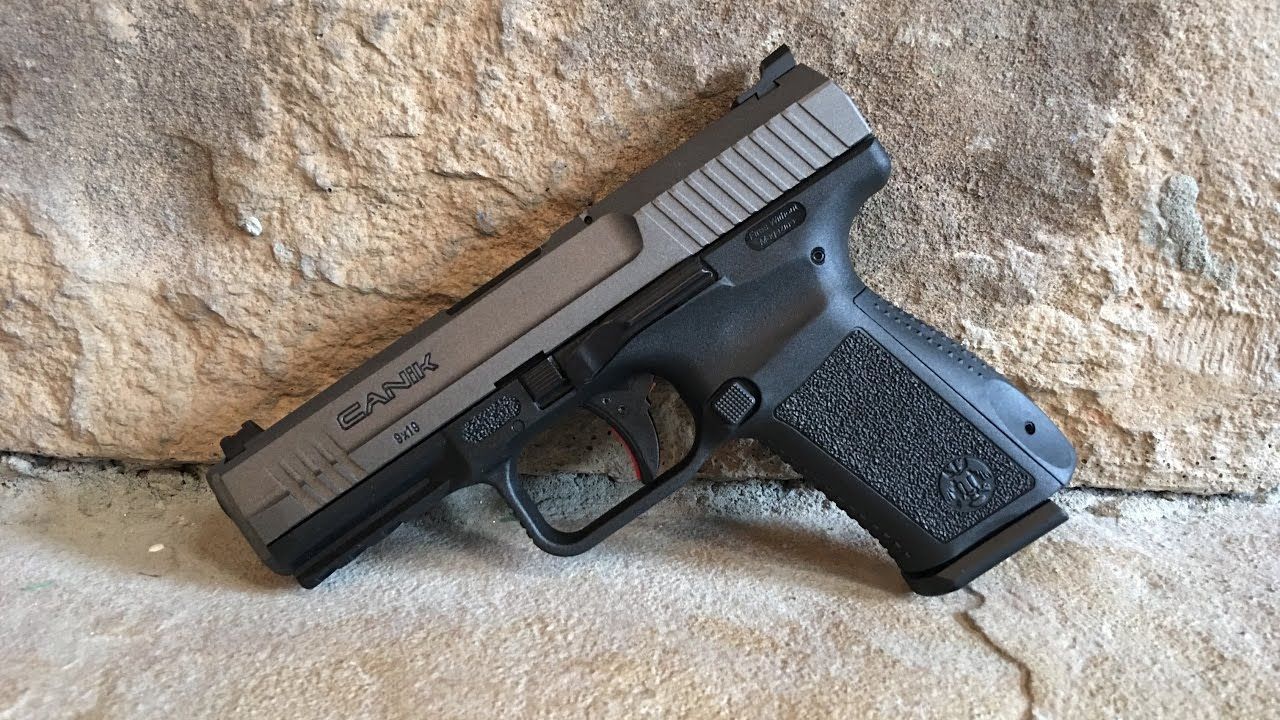
American Rifleman’s Mete SFx article says the Mete was the next iteration of the TP9 line.
That is a big deal because it means the TP9 is not just historically important to Canik — it is structurally important. The newer Mete family exists as an evolution of the TP9 foundation.
13. The TP9 line also earned institutional credibility

Canik overview material says the TP9 design was adopted by Turkish law-enforcement agencies and other government users such as the Turkish Air Force. This is not a primary government source, so I would keep that specific adoption claim a little softer than factory specs, but it fits the broader “combat handgun” identity other sources assign to the line.
The stronger safe takeaway is that the TP9 was never marketed merely as a hobby pistol. It was built and sold as a service-capable handgun platform from the start.
14. The TP9 is still relevant enough that Canik keeps supporting it
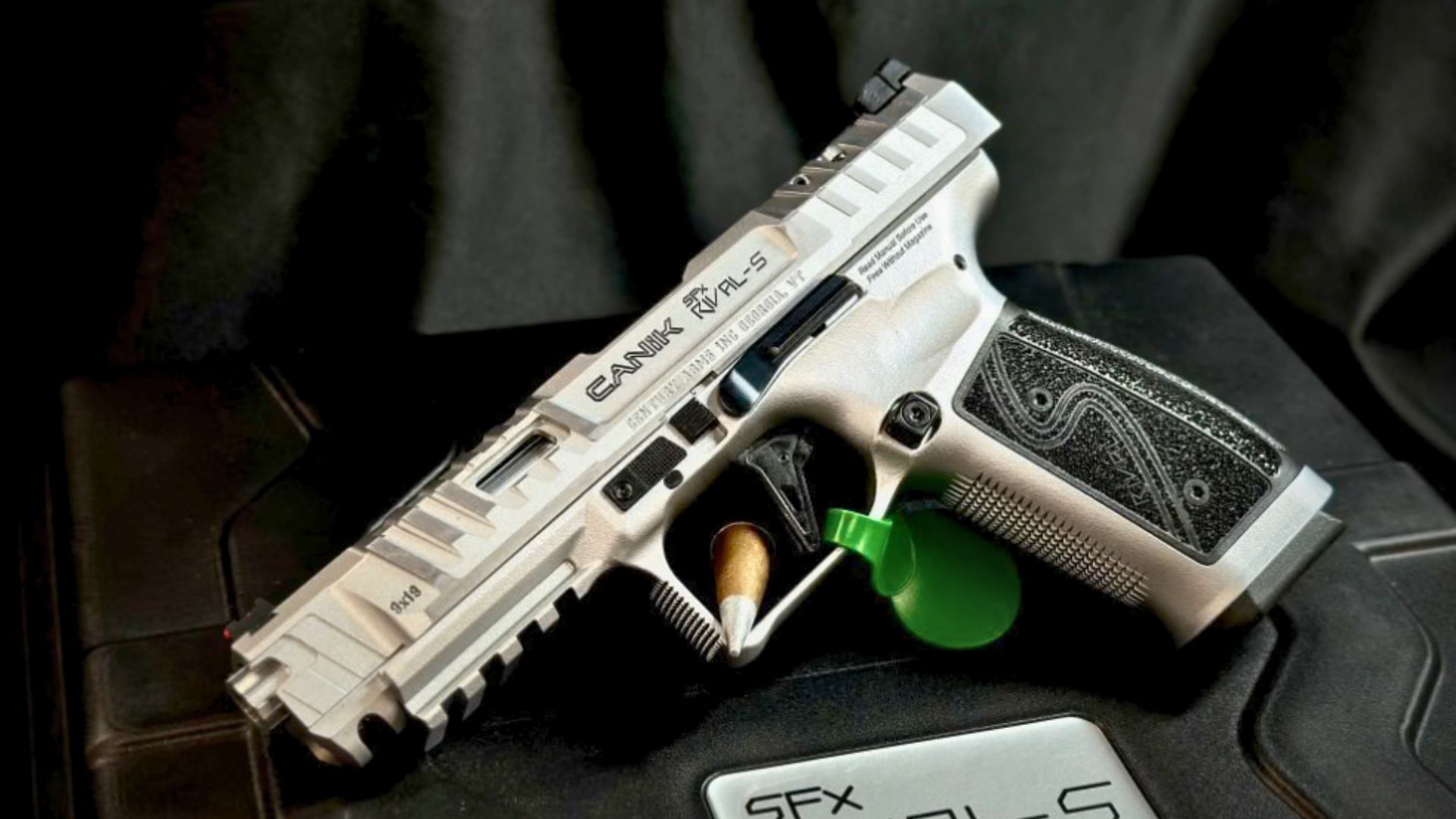
Current Canik materials still list TP9-series products and accessories, including the TP9 SFx and fitment support for magazines, holsters, and optics.
That matters because the TP9 has not been erased by the Mete line. It still has enough demand and enough identity that Canik continues to support the family. That second sentence is an inference grounded in the current product and accessory presence.
15. The pistol family that made modern Canik possible

Looking across the sources, the pattern is pretty clear: the TP9 was the original flagship striker-fired design, it established Canik’s value-for-money reputation, it expanded into competition and carry versions, and it eventually evolved into the Mete line.
That is why the TP9 still matters. It is not just an older Canik. It is the handgun family that turned Canik into a serious name in the U.S. pistol market.
Like The Avid Outdoorsman’s content? Subscribe to our newsletter so you never miss an article.
Here’s more from us: