Photo credit: Dmitri T/Shutterstock.com
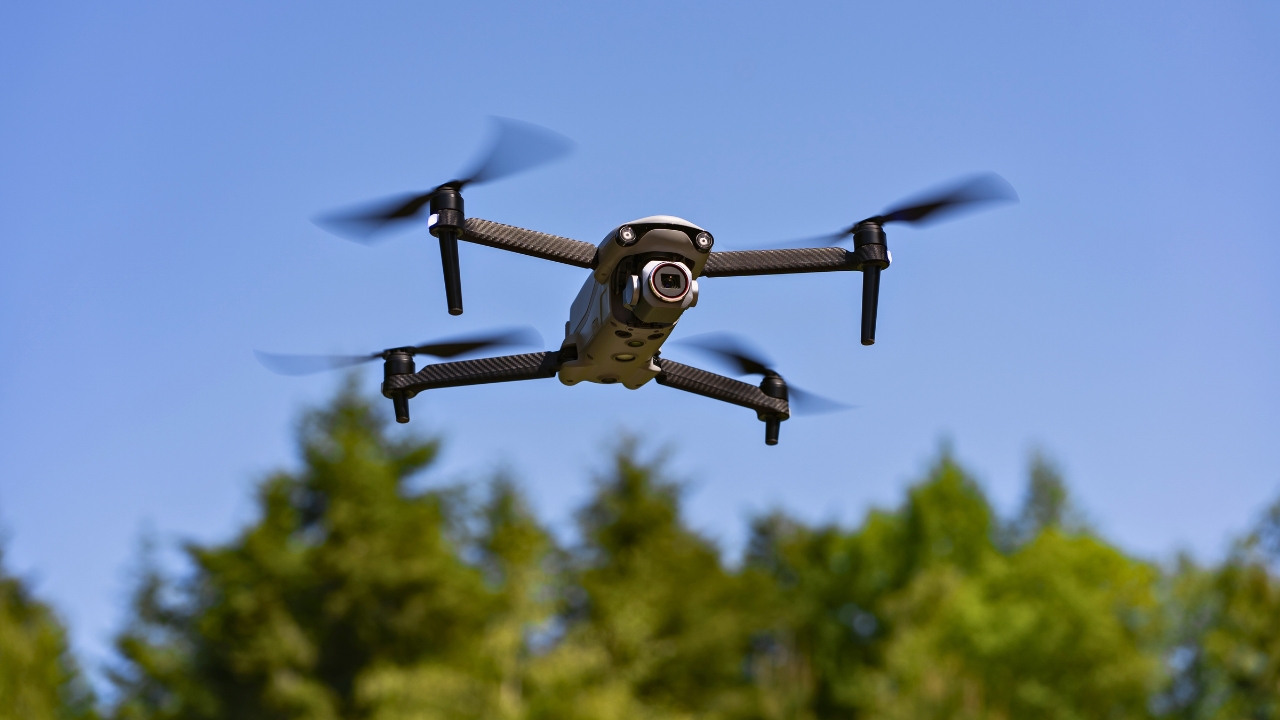
Across the country, you are watching a quiet but consequential fight over how far technology should go in the field. Drones promise safer searches, faster scouting, and cleaner recoveries, yet regulators are increasingly warning that they can also erase the “fair chase” line that has long defined ethical hunting. As federal agencies and state wildlife departments tighten rules, you now face a patchwork of permissions and prohibitions that can turn a helpful tool into a serious violation with one wrong flight plan.
Why drones keep colliding with “fair chase” ethics
If you hunt, you are used to rules that try to keep the odds at least somewhat balanced between you and the animals you pursue. Drones disrupt that balance by giving you real time aerial surveillance, thermal imaging, and the ability to track game from far beyond normal human senses. That is why state officials in one recent case described certain drone assisted tactics as something that “Undermines” long standing ethical standards and removes the sporting element from the hunt, a warning that reflects how quickly these tools can tilt the field in your favor once they are airborne.
Ethics debates are not just happening in hearing rooms. Groups like Wyoming Backcountry Hunters and Anglers are pressing regulators to treat drones as aircraft and to bar them outright for hunting or scouting, arguing that fair chase depends on limiting high tech shortcuts. When state officials, including those quoted by Michael Mui in a report on controversial tactics, say these tools “Undermines” ethical standards, they are channeling the same concern: if you can locate, pattern, and even push animals with a joystick, the core challenge that defines hunting starts to disappear.
What the Federal Airborne Hunting Act actually covers
At the federal level, your starting point is the Federal Airborne Hunting Act, which has long restricted using aircraft to harass or take wildlife. Texas regulators recently revisited that framework by having TPWD staff review Title 50 of the Code of Federal Regulations, specifically § 50 19.11, to clarify how those rules apply when you swap a helicopter for a quadcopter. That review underscores that federal law is less about the gadget itself and more about whether you are using any aircraft, including drones, to locate or take wildlife in ways Congress already tried to curb.
Texas game wardens also sought input from the federal Fish and Wildlife Service, working through the Office of Law Enforcement, to pin down how “fish or wildlife” is defined when drones are used in the act of fishing. That guidance, summarized by Staff, makes clear that the federal government already sees drones as falling under the same umbrella as traditional aircraft when they are used to locate, harass, or take animals. For you, that means federal rules are not a blank slate, even if your state has not yet spelled out every drone scenario in its own code.
Texas: from fishing guidance to broader drone crackdowns
Texas has become one of the clearest examples of how a state can translate federal principles into detailed rules that affect your day to day decisions. The Texas Parks and Wildlife Department, often shortened to Texas Parks and Wildlife Department or TPWD, recently released guidance explaining that drones, also called unmanned aircraft, cannot be used to aid you in taking fish on public waters. That move ties drone use directly to existing fishing practice laws, signaling that if you use a drone to spot or deliver bait, you risk violating the same rules that already govern other unfair methods.
On the enforcement side, the Department’s own drone FAQ stresses that its rules are adopted under the framework of the Federal Airborne Hunting Act. It explains that using aircraft, including drones, to manage wildlife requires specific permits, and that any offense is tied to whether your activity is authorized by an aerial management plan and the proper landowner permissions. When you read that Department guidance closely, you see a clear message: if your drone is anywhere near the act of hunting or fishing, you should assume it is regulated unless you can point to a written authorization that says otherwise.
Illinois and Kentucky: bright line bans around the hunt
Other states are choosing a simpler path by telling you flatly that drones and hunting do not mix. In Illinois, the agency known as IDNR issued a clear warning under the banner “Prohibiting The Use Of Drones For Hunting Purposes.” Officials there stated directly that “The use of drones for hunting is unlawful,” tying that prohibition to both state law and ethical hunting practices. If you fly a drone to locate deer or push waterfowl in Illinois, you are not operating in a gray area, you are breaking a rule that has already been spelled out for you.
Kentucky has taken a similar stance, but with a focus on codifying the rules in a way that covers both hunting and fishing. A new regulation, highlighted by the state’s wildlife agency, explains that the law now restricts drone use when you are hunting, fishing, or participating in related activities, and that the change is meant to give you clear guidance before you launch. The agency’s own announcement notes that the new law “takes effect” to restrict drone use in the field, and a separate explainer on New law details how the rule applies across seasons. A video breakdown of the change, framed as “New Regulations for Hunting with Drones in Kentucky,” underscores that in the Commonwealth drones may offer a literal bird’s eye view, but that view is now tightly controlled when you are in the field.
South Carolina’s aerial management model
While some states are banning drones around hunting outright, South Carolina is trying to fold them into a structured aerial management system. A bill labeled 2025-2026 Bill 3945 defines “Aerial management of wild animals” and spells out how you, as a land manager or hunter, can use aircraft, including drones, under strict conditions. The bill introduces the concept of a “Landowner’s Authorization” or “LOA,” which is defined as signed consent from the Landowner or agent to manage a specified number of animals using aircraft listed on an aerial management plan.
The same bill limits how long you can operate under that plan, specifying that using an aerial management plan, or AMP, for control work is allowed for not more than thirty days at a time. By tying drone use to a formal AMP and LOA, South Carolina is telling you that drones can have a place in wildlife control, but only within a narrow, documented window. If you are hoping to use a drone casually to scout deer or hogs outside that framework, this model makes clear that you are stepping outside the law, even if the aircraft itself is the same one you might use for other legal purposes.
Where recovery work fits: Wisconsin’s thermal drone example
One of the most contested gray areas is whether you can use drones after the shot, especially to recover wounded or dead animals. In Wisconsin, commercial operators are now advertising Thermal drone deer recovery as a service, describing it as an increasingly important part of deer hunting in the state. They emphasize that it is legal to use a drone to help recover a deer in Wisconsin, while stressing that you cannot use the same drone to hunt a deer in the first place.
For you, that split matters. It shows how some states are willing to let you lean on technology to reduce waste and suffering, as long as you are not using it to gain an unfair advantage before the trigger is pulled. If you are considering similar services where you live, you need to read your state’s definitions carefully, because what counts as “hunting” versus “recovery” can change from one jurisdiction to the next. Wisconsin’s example proves that regulators can draw that line in a way that allows thermal imaging in the name of ethics, even as other states move to ban drones from the hunt entirely.
Drone registration, federal oversight, and foreign hardware limits
Even if your state allows some drone use around hunting, you still have to navigate federal aviation rules before you fly. Guidance aimed at commercial operators explains that in 2026 all drones weighing more than a minimal threshold must be registered with the FAA, and that states like Arizona and Nevada in the Southwest require registration for aircraft used in business. That same framework applies to you if you are flying a drone for anything beyond pure recreation, and it shapes what kind of hardware you can legally buy and operate.
National security concerns are also reshaping your options. In a major move, The FCC banned the import and sale of all new drone models and critical equipment made by certain foreign manufacturers, including Chinese giant DJI, citing risks to the “security of the United States.” That decision does not directly target hunting, but it does affect what you can buy off the shelf for any purpose, from filming to scouting. If you rely on a particular foreign made platform for your outdoor work, you now have to factor in supply constraints and future support, even before you get to the question of whether you can legally use it around wildlife.
How state officials are tightening the screws on controversial tactics
Beyond formal statutes, you are also seeing state officials use public statements and administrative guidance to push back on what they view as line crossing behavior. In one widely cited example, State officials moved to ban residents from using controversial hunting tactics that they said “Undermines” ethical standards and removes the sporting element from the chase. Reporter Michael Mui detailed how those officials framed the issue, making clear that they see certain high tech methods as incompatible with the traditions they are charged with protecting. While the specific tactic in that case may not have been limited to drones, the language they used mirrors the arguments now being deployed against drone assisted hunts.
For you, the takeaway is that regulators are increasingly willing to act preemptively when they see technology racing ahead of the rulebook. Whether it is a state wildlife commission or a department like IDNR, officials are not waiting for a flood of complaints before drawing bright lines. If you are experimenting with new gear in the field, you should assume that anything which looks like it “Undermines” fair chase could quickly move from tolerated to banned, especially once it shows up in viral videos or social media posts that catch regulators’ attention.
What law enforcement expects from you when drones enter the picture
Finally, you need to understand how law enforcement is being trained to respond when drones and wildlife intersect. Federal guidance aimed at police and game wardens lays out Law Enforcement’s Enforcement Capabilities The document explains how officers can use existing state laws to address unauthorized UAS operations, from trespass and harassment statutes to specific aviation rules. When you fly a drone near a hunt, you are not just dealing with game laws, you are entering a space where multiple layers of enforcement can come into play.
Texas game wardens, for example, are being briefed on how the Department’s drone rules intersect with the Federal Airborne Hunting Act and state trespass codes. In Kentucky, officers now have a specific Oct era law they can point to when they encounter drones over public land during season. The more explicit these rules become, the less room you have to argue that you did not know your flight was a problem. If you want to keep drones as a legitimate tool in your kit, your best move is to stay ahead of those expectations, understand the permits and authorizations your state requires, and avoid the kinds of controversial tactics that officials are already signaling they are prepared to shut down.
Like The Avid Outdoorsman’s content? Be sure to follow us.
Here’s more from us: