Photo credit: Haus of Guns/YouTube
When you’ve been shooting long enough, caliber loyalty starts to soften. Ammo availability changes. Training needs shift. One year you’re burning through 9mm every weekend, the next you’re leaning into something heavier. The pistols that earn long-term trust are the ones that let you adapt without starting over. Familiar grip, familiar trigger, familiar controls—just a different cartridge in the chamber.
Caliber-swappable pistols aren’t about shortcuts or novelty. They’re about efficiency. One frame, one manual of arms, and the ability to move between calibers without retraining your hands. When done right, these setups run reliably, hold zero, and let you stretch your investment without compromising performance. These are pistols that actually deliver on that promise in real-world use.
Glock 19 / Glock 23 Frame Family

The Glock 19 and Glock 23 share the same frame size, and that commonality makes them one of the most practical caliber-flexible setups ever produced. With the right conversion barrel and magazines, you can move between 9mm, .40 S&W, and .357 SIG while keeping the same grip angle, trigger feel, and control layout. Nothing about how the pistol points or resets changes.
What makes this setup work is Glock’s simplicity. There’s no tuning ritual or temperamental behavior when you stick with quality barrels and factory magazines. Reliability stays intact, and recoil differences are predictable rather than disruptive. You’re not relearning the gun—just managing a different impulse.
For training, this matters. You can run bulk 9mm for reps, then swap calibers without losing familiarity. Your draw, sight picture, and trigger press remain consistent, which is exactly what you want when you’re building skill instead of chasing novelty.
Glock 17 / Glock 22 Platform

The Glock 17 and Glock 22 represent the full-size version of Glock’s caliber-friendly ecosystem. Sharing the same frame dimensions, these pistols allow clean transitions between 9mm, .40 S&W, and .357 SIG with minimal changes beyond barrels and magazines. Everything else stays exactly where you expect it.
The advantage here is shootability. The longer slide and sight radius help manage recoil differences, making caliber swaps easier to control than on compact frames. That’s especially noticeable when stepping up from 9mm to .40 or .357 SIG. The gun stays flat, predictable, and easy to track under recoil.
This platform also shines in high-round-count training. Parts availability is unmatched, maintenance is straightforward, and nothing feels delicate. You’re running a duty-sized pistol that doesn’t care what you feed it—as long as the setup is correct. It’s one of the most confidence-inspiring ways to switch calibers without changing how you shoot.
SIG Sauer P320 Compact

The SIG Sauer P320 Compact was designed around modularity, and caliber switching is one of the few areas where that promise actually holds up. The serialized fire control unit drops into different grip modules and slide assemblies, allowing you to move between 9mm, .40 S&W, and .357 SIG without altering trigger feel or ergonomics.
What you notice immediately is consistency. The trigger break stays the same. The grip angle stays familiar. Your hands don’t have to relearn anything. That makes the P320 one of the easiest pistols to run across multiple calibers without sacrificing confidence or speed.
Reliability remains solid when components are matched correctly. This isn’t a system that feels improvised—it feels intentional. If you want a modern striker-fired pistol that genuinely supports caliber changes without turning into a project gun, the P320 Compact does it better than most.
SIG Sauer P320 Full Size
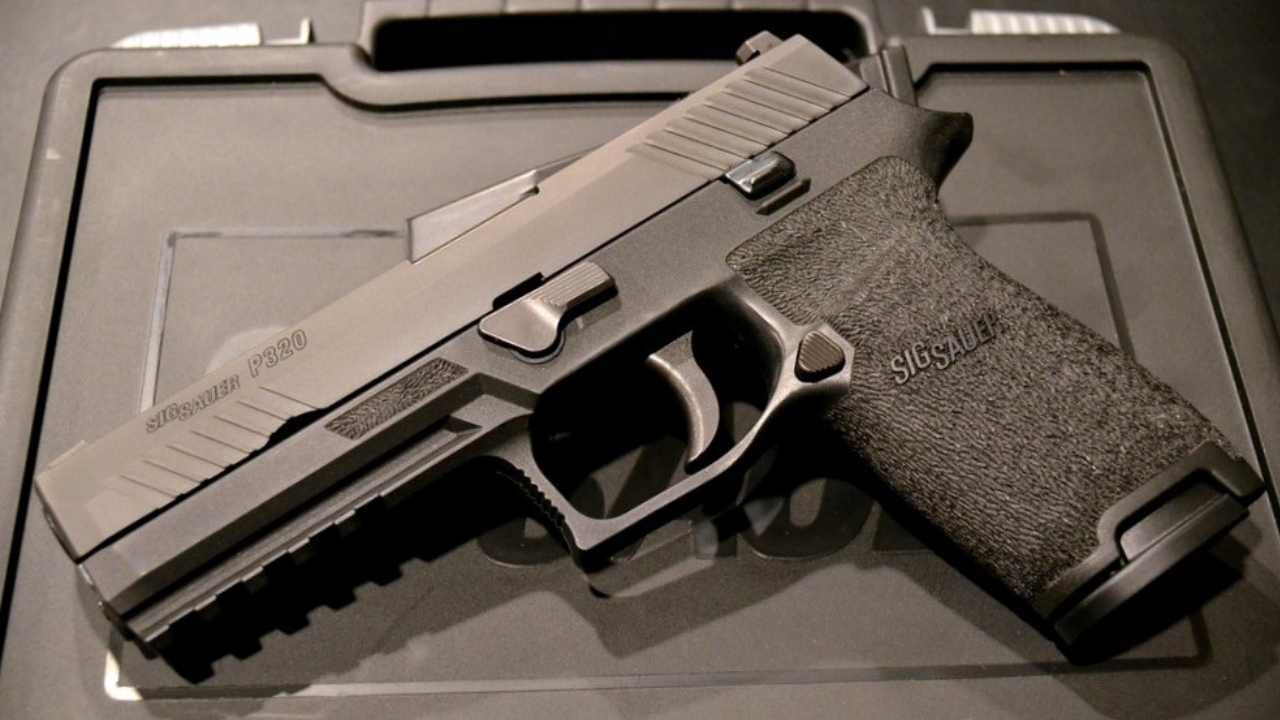
The full-size P320 takes everything the Compact does well and adds stability. The longer slide and heavier frame smooth out recoil differences when switching calibers, especially when moving into .40 or .357 SIG. The pistol stays controllable and balanced regardless of what you’re running.
This matters for shooters who train seriously. You’re not adjusting grip pressure or stance just to manage a different cartridge. The gun behaves consistently, which allows you to focus on fundamentals instead of compensation. That’s where modularity actually pays off.
For those who want one duty-sized pistol that can adapt to training, carry, or home defense roles with different calibers, the P320 Full Size delivers real flexibility. It’s not flashy, but it works—and it keeps working when you change things up.
1911 Government Model in 9mm and .45 ACP
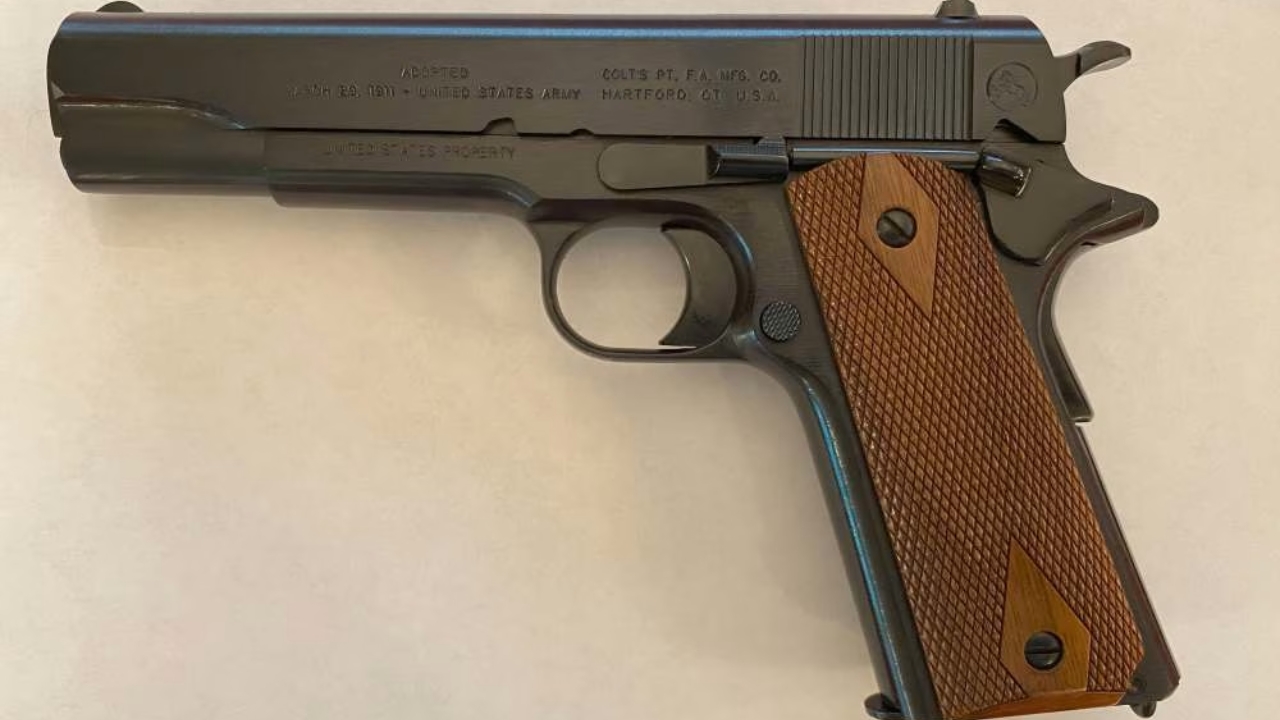
A well-built Government-size 1911 remains one of the cleanest platforms for caliber switching when done correctly. Running separate top ends in 9mm and .45 ACP allows you to keep the same frame, trigger, grip safety, and thumb safety while changing recoil and terminal performance dramatically.
The appeal here is control. The trigger feel doesn’t change. The ergonomics don’t shift. You’re still running a single-action pistol with a familiar manual of arms. Only the cartridge behavior changes, which makes transitions intuitive rather than disruptive.
This setup rewards quality. When slides, barrels, and magazines are matched properly, reliability stays strong. You’re not forcing the platform to do something it wasn’t designed for—you’re using one of its long-standing strengths. For shooters who value precision and consistency, the 1911 handles caliber changes with uncommon grace.
CZ 75B in 9mm and .40 S&W

The CZ 75B has long been respected for its ergonomics and recoil control, and those traits carry over well when switching calibers. Models offered in both 9mm and .40 S&W allow shooters to run different slides and barrels while keeping the same steel frame and grip profile.
The slide-in-frame design helps tame recoil differences, making transitions between calibers feel less abrupt than on many polymer pistols. The gun stays flat, tracks well, and rewards a solid grip regardless of what you’re feeding it.
What you gain here is confidence. The CZ points naturally, the trigger characteristics remain familiar, and the pistol doesn’t feel upset by the change. If you value shootability above trends, the CZ 75B offers a stable, predictable way to switch calibers without sacrificing comfort.
Beretta 92FS / 96 Frame

The Beretta 92FS and its .40-caliber counterpart, the 96, share the same basic frame architecture, making caliber changes achievable with the right components. The open-slide design feeds reliably, and the long sight radius helps manage recoil differences.
What stands out is smoothness. The Beretta’s weight and grip shape soak up recoil, making transitions between 9mm and .40 less jarring than expected. The double-action/single-action trigger remains familiar, and the safety placement doesn’t change.
This platform rewards shooters who appreciate stability over speed. You’re not chasing split times—you’re maintaining consistency. When set up properly, the Beretta handles caliber changes with quiet competence and predictable performance.
Smith & Wesson M&P 2.0 Full Size
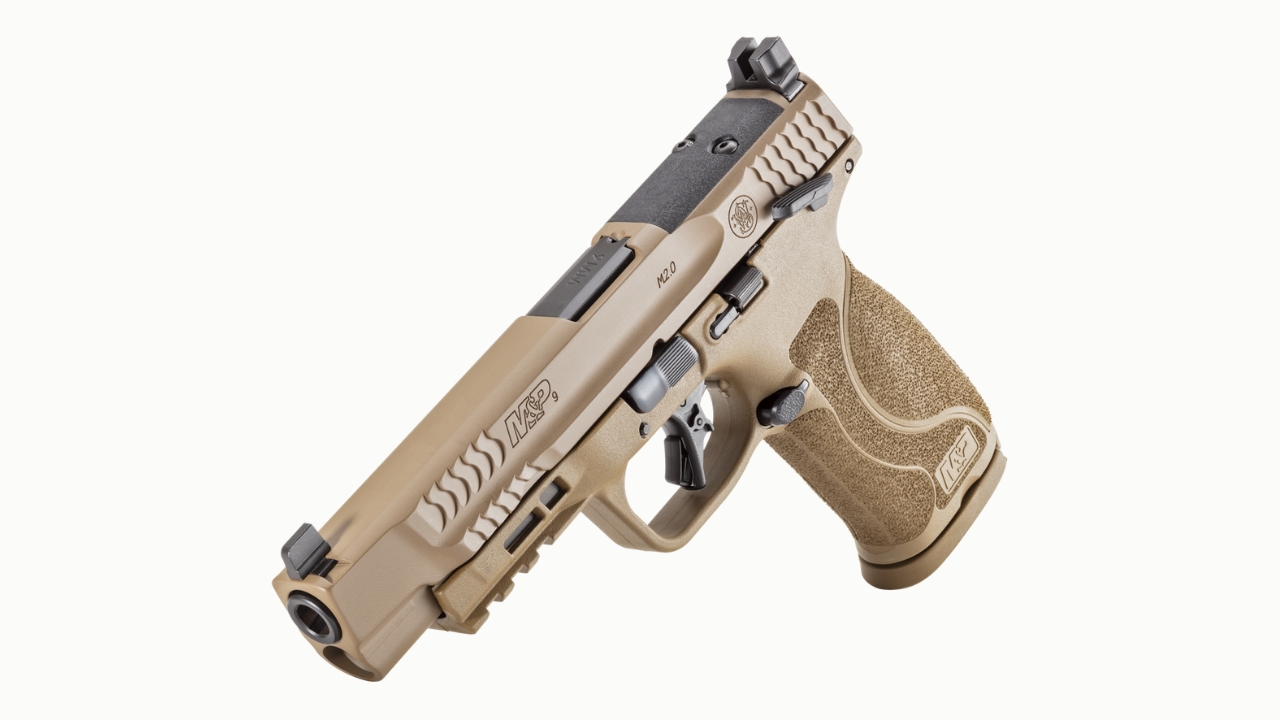
The M&P 2.0 Full Size supports caliber changes between 9mm and .40 S&W with shared frame dimensions and compatible components. The grip texture and ergonomics stay the same, which matters when recoil and slide mass change.
The improved trigger and grip angle of the 2.0 series help maintain control across calibers. You’re not fighting the gun as you step up in power. Instead, the pistol remains manageable and confidence-inspiring.
For shooters already invested in the M&P ecosystem, this platform offers flexibility without compromise. It’s straightforward, reliable, and well-supported, making caliber switching a practical option rather than a gamble.
Ruger SR-Series (SR9 / SR40)
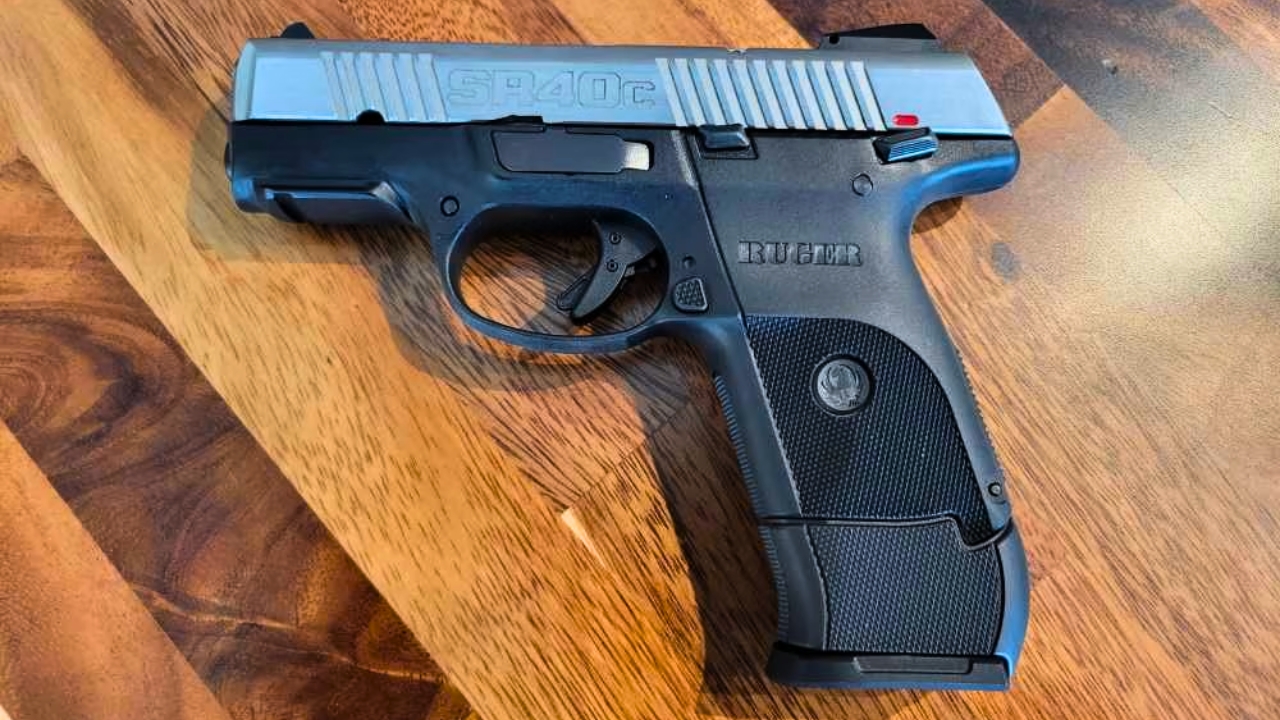
The Ruger SR9 and SR40 share a common lineage that makes caliber transitions feasible with proper setup. The slim grip and neutral ergonomics help maintain familiarity, even as recoil characteristics change.
What Ruger gets right here is balance. The pistols don’t feel overly snappy in .40, and the transition from 9mm doesn’t demand a complete grip adjustment. Controls remain simple and consistent.
While not as modular as newer designs, the SR-series offers an accessible path to caliber flexibility for shooters who value durability and straightforward operation. It’s a practical option that doesn’t overcomplicate things.
Springfield Armory XD Service Models

Springfield’s XD Service models in 9mm and .40 S&W share enough commonality to support caliber changes with the right parts. The grip safety, trigger feel, and sight picture remain consistent across setups.
The XD’s higher bore axis is offset by its weight and grip shape, which helps manage recoil differences. Switching calibers doesn’t feel dramatic—it feels manageable and predictable.
For shooters already comfortable with the XD platform, caliber flexibility adds versatility without forcing a change in habits. It’s a familiar system that adapts well when set up correctly.
Tanfoglio Witness Steel Frame
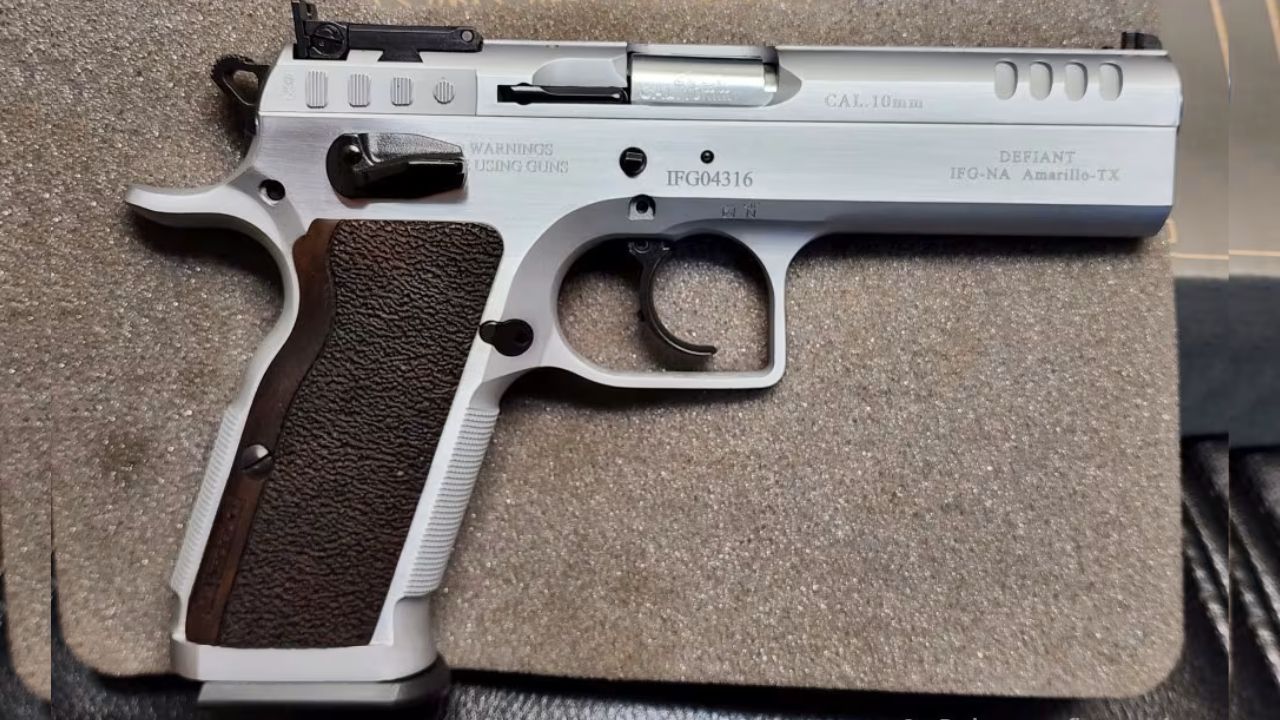
The Tanfoglio Witness steel-frame pistols are closely related to the CZ pattern and excel at caliber flexibility. Offered in multiple calibers, these pistols allow top-end changes while maintaining the same grip and trigger feel.
The all-steel construction helps control recoil, making transitions between calibers smooth and controlled. The pistol stays planted, even with hotter loads.
For shooters who appreciate weight and stability, the Witness offers serious adaptability without sacrificing shootability. It’s a workmanlike approach to caliber switching that delivers consistent results.
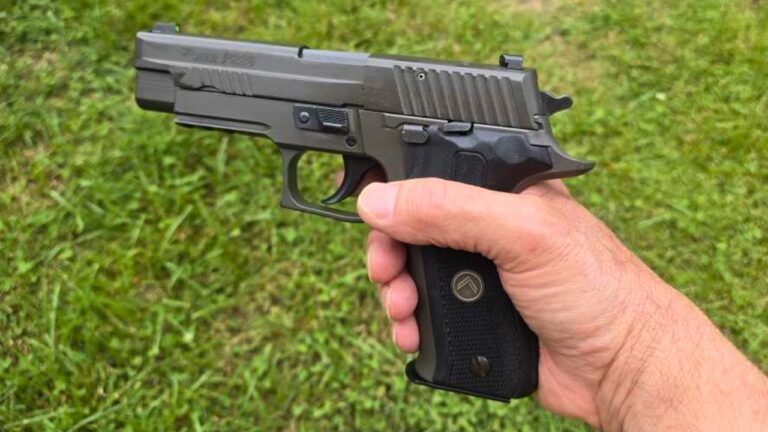
SIG Sauer P229

The SIG P229 has long been known for handling multiple calibers, particularly 9mm, .40 S&W, and .357 SIG. Its robust slide and frame handle recoil differences without complaint.
The double-action/single-action trigger remains consistent, and the grip fills the hand well regardless of caliber. You’re not adjusting technique—you’re running the same pistol.
For those who value durability and proven service history, the P229 offers one of the most confidence-inspiring ways to switch calibers without sacrificing reliability.
Glock 32
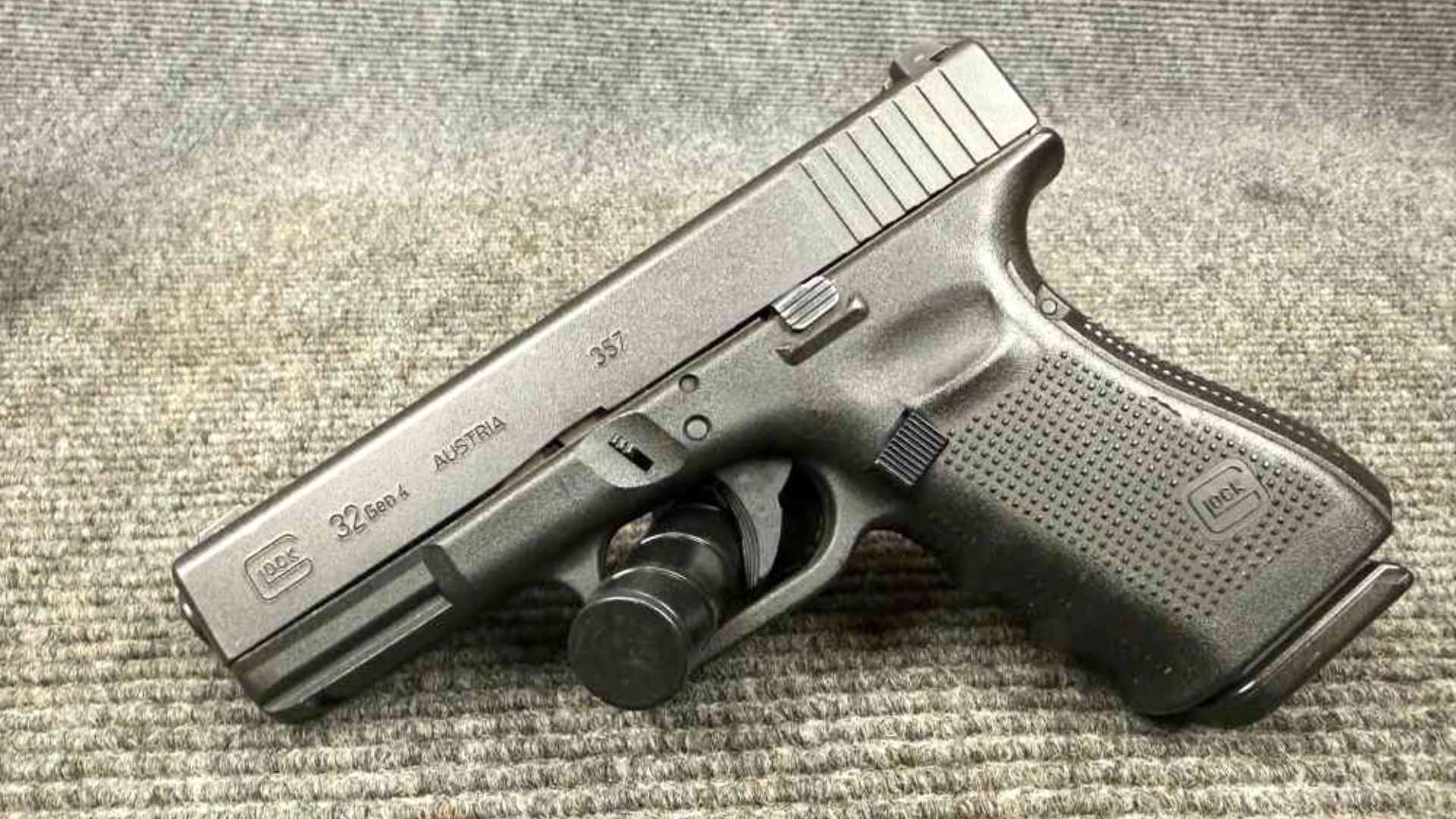
The Glock 32, chambered in .357 SIG, serves as a strong base for caliber switching. With barrel and magazine changes, you can move to .40 S&W or 9mm while keeping the same frame.
The snappy recoil of .357 SIG makes 9mm feel exceptionally manageable by comparison. That contrast can be useful in training, reinforcing control and follow-through.
It’s a practical way to explore multiple calibers without changing how the gun fits your hand. The Glock 32 remains a versatile and reliable option.
SIG Sauer P226

The P226’s full-size frame handles caliber changes with authority. Available in 9mm, .40 S&W, and .357 SIG, it maintains balance and control across all three.
The longer slide and weight smooth out recoil differences, making transitions less noticeable. The pistol feels steady, predictable, and confidence-inspiring.
For shooters who want a duty-sized pistol that adapts without drama, the P226 remains a strong choice.
Glock 45 Frame Compatibility

The Glock 45 combines a full-size grip with a compact slide, and its frame compatibility opens the door to caliber flexibility similar to the Glock 19/23 family. With proper components, caliber changes remain straightforward.
The full-size grip improves control when stepping up in recoil, making transitions easier to manage. Everything else remains familiar and intuitive.
It’s a modern Glock that benefits from decades of ecosystem support, making caliber switching practical rather than theoretical.
1911 Commander-Length Conversions

Commander-length 1911s offer the same caliber flexibility as full-size models with slightly more portability. Running 9mm and .45 ACP top ends maintains the same trigger and controls.
The shorter slide changes recoil timing slightly, but familiarity remains intact. You’re still running a 1911, just with different performance characteristics.
For shooters who prefer a balanced carry and range setup, the Commander-length 1911 adapts well without losing its identity.
Like The Avid Outdoorsman’s content? Be sure to follow us.
Here’s more from us: