Photo credit: Springfield Armory
A lot of carry pistols make perfect sense right up until the first ugly range session. They look smart in the case. They feel compact, slim, and easy to justify. People pick them up and immediately start thinking about how comfortable they will be to carry, how easily they will hide, and how much better they seem than the bigger gun they were tired of dressing around. Then the shooting starts, and the whole conversation changes.
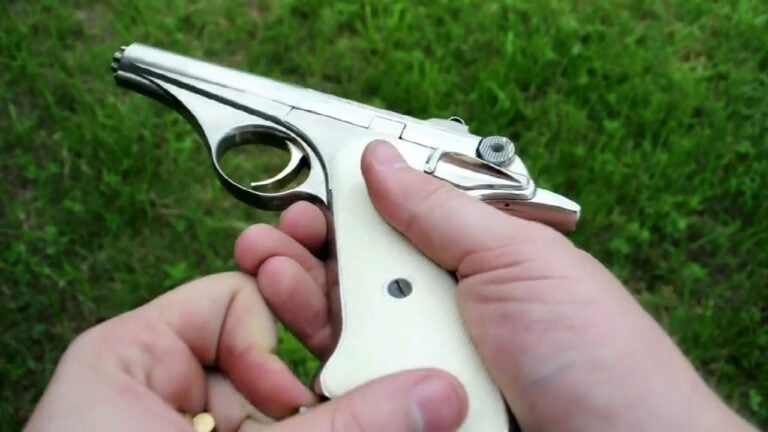
That is where a lot of people finally understand the carry pistol they bought. Not when they hold it at the counter. Not when they load it into a holster for the first time. Not when they admire the specs online. They understand it when the timer comes out, the groups open up, the grip starts shifting, and the gun shows them exactly what its size and design really cost. The carry pistol most people understand only after they shoot it badly is usually the tiny one they thought would solve everything.
The small carry gun sells itself too easily
The reason this keeps happening is simple. Tiny carry pistols are easy to love in theory. They solve the problem people feel first, which is comfort. A smaller gun disappears better under light clothing, digs into the body less, and feels less like work to keep on you all day. That is a powerful argument, especially for people who have spent time trying to make a larger pistol fit around normal life.
The trouble is that a carry gun does not get judged only by how it feels walking around the house. It gets judged by how it behaves in the hand once the shooting becomes fast, honest, and a little uncomfortable. That is when the little gun starts collecting a different kind of truth. What looked smart at the store starts showing recoil, short grip, reduced control, and a much narrower margin for error than the buyer expected. The pistol did not suddenly change. The shooting simply exposed what the buyer did not want to think about yet.
Most people meet the gun for real when the first magazine goes wrong
There is always a moment when the carry pistol stops being an idea and becomes a reality. Maybe the first shot breaks and the gun snaps harder than expected. Maybe the support hand never quite settles the way it should. Maybe the sights bounce more than the shooter likes, or the trigger starts feeling much worse once the pace picks up. Whatever form it takes, that moment matters because it ends the fantasy version of the purchase.
This is where a lot of good shooters get humbled by little carry guns. They know how to shoot. They know what a clean press should feel like. They know how to grip a pistol. But the tiny gun takes away just enough surface area and forgiveness that all those small errors suddenly show up larger than they do on a compact or full-size pistol. Then the shooter blames himself, which is not completely wrong, but it is not the full story either. The gun asked for more precision than the buyer realized when he first called it practical.
The pistol usually makes sense only after the shooter sees what it takes to run it well
This is the part people miss when they buy around comfort alone. A very small carry pistol can still be a legitimate choice. The problem is that many people do not understand the level of effort it may require to run it well. They see the size benefit immediately. They do not see the skill tax until later. That tax shows up in recoil control, grip consistency, sight recovery, and the need to practice more than they expected just to get the gun to feel ordinary.
That is why the pistol becomes easier to understand after bad shooting. The shooter finally sees what the gun is really asking from him. It is asking for a firmer grip. It is asking for cleaner trigger work. It is asking for more discipline during recoil and more honesty about whether the gun is still manageable once the round count climbs. Some people meet that demand and end up respecting the pistol more. Others realize they bought a gun that carries beautifully but fights them harder than they want to admit.
Tiny guns make average mistakes look much bigger
One reason people struggle with these pistols is that small carry guns magnify problems. A little too much trigger finger, a grip that slips slightly between shots, a support hand that does not fully lock in, or a sight picture that gets overconfirmed all become more obvious on a small pistol than on a larger one. That does not mean the gun is bad. It means the gun is less forgiving.
This is why so many shooters walk away from the first session with mixed feelings. They liked the gun until they actually had to perform with it. Then the groups looked worse than expected, the splits slowed down, and the whole experience felt less natural than the purchase logic suggested it would. That is not an accident. A small carry pistol often reveals the truth faster because it leaves less room to hide behind size, weight, and extra grip. It makes you earn your performance.
The gun often teaches the buyer what he should have valued more
For a lot of people, the bad range session becomes the most useful part of owning the pistol. It forces them to rethink what matters. At first, they thought concealment was everything. After shooting the gun badly, they start understanding that concealment is only one side of the carry equation. The other side is whether the gun can be drawn, controlled, and shot with enough confidence to justify trusting it when the pressure is real.
That is a valuable lesson, even if it comes with some frustration. Plenty of shooters eventually realize they do not need the smallest possible gun. They need the smallest gun they can still shoot well. That sounds like a minor difference, but it changes a lot. It pushes people away from buying around fear of printing and toward buying around actual performance. In that sense, the carry pistol they shot badly may have taught them more than the pistol they shot comfortably ever could.
Some shooters still end up loving the gun anyway
This is where the conversation gets more honest. Not every pistol that humbles someone on day one turns out to be the wrong choice. Sometimes the bad range session is just the beginning of a more realistic relationship with the gun. The shooter adjusts expectations, trains harder, changes the grip pressure, maybe tweaks the sights or magazines, and slowly figures out how to run the pistol in a way that feels dependable. In those cases, the gun becomes more respected precisely because it forced the owner to understand it instead of just admire it.
That kind of respect is different from easy approval. It is harder earned. The shooter is no longer telling himself the gun is smart because it is tiny. He is saying it is smart because he now knows exactly what it does well, what it does poorly, and what it requires from him to be trusted. That is a much better relationship than the shallow excitement that comes with buying a carry gun for the wrong reasons.
The smartest carry pistol is not always the easiest one to buy
That is the lesson buried under this whole idea. The carry pistol most people understand only after they shoot it badly is usually the one they bought because it looked like the easiest answer. In reality, it often turns out to be a more demanding answer than they expected. Sometimes that leads them to a better gun. Sometimes it leads them to a better understanding of the gun they already have. Either way, the bad shooting ends up being useful.
The carry world is full of pistols that sound smart before the first magazine. The truly smart ones are the pistols that still make sense after the first ugly target, the first frustrating drill, and the first honest look at what the shooter can and cannot do with them. A lot of people only start understanding that after they shoot the gun badly. That is not failure. That is usually the first real moment of clarity.
Like The Avid Outdoorsman’s content? Subscribe to our newsletter so you never miss an article.
Here’s more from us: