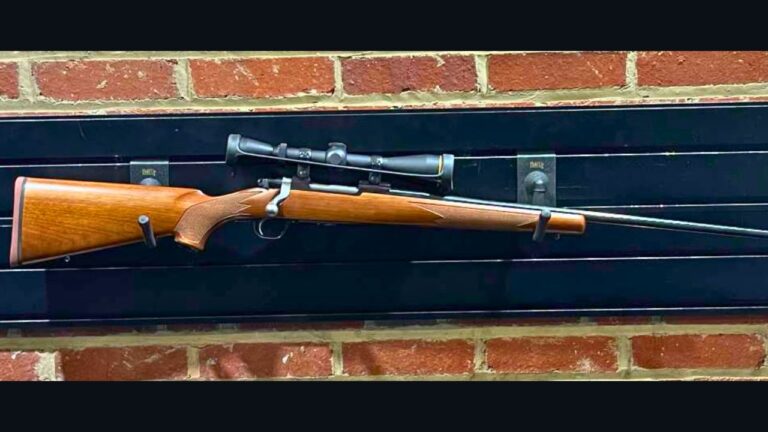
Photo credit: RangerDave/YouTube
The Fourth of July isn’t just about fireworks and cookouts—it’s also a time to reflect on the people and tools that helped defend our freedom. Over the years, certain firearms have stood out not just for their performance, but for what they represent. These guns were carried through wars, conflicts, and decades of service. They’re part of America’s military story, and they deserve a moment of recognition. Here are ten iconic U.S. military guns worth remembering this Independence Day.
M1 Garand

Carried by U.S. troops in World War II and Korea, the M1 Garand helped bring a new level of firepower to the battlefield. It was reliable, powerful, and the first standard-issue semi-auto rifle for any military.
The eight-round en-bloc clip and that unforgettable ping make it a favorite among collectors and history buffs. It’s not just a rifle—it’s a reminder of the grit and determination that helped turn the tide of the war.
M1911

The M1911 served the U.S. military for over 70 years and still sees use today in some circles. Chambered in .45 ACP and designed by John Browning, it’s one of the most recognizable handguns ever made.
Its all-metal frame, crisp trigger, and stopping power made it a trusted sidearm from the trenches of WWI to the jungles of Vietnam. It wasn’t just issued—it was respected.
M16

The M16 replaced the M14 and became the standard rifle for U.S. forces starting in Vietnam. Early models had issues, but later improvements turned it into one of the longest-serving rifles in military history.
Lightweight, accurate, and easy to carry, the M16 evolved into multiple variants. Whether loved or hated, it’s been a staple of the U.S. military for decades and laid the groundwork for the modern AR platforms civilians use today.
M14

The M14 didn’t serve long before the M16 took over, but it still left a lasting impression. Chambered in 7.62 NATO, it offered serious range and stopping power—ideal for open terrain and long shots.
It’s a heavy rifle with a solid feel and traditional wood stock. While not as versatile in jungle combat, it found new life as a designated marksman rifle later on. It’s one of those guns that never really disappeared.
Thompson Submachine Gun
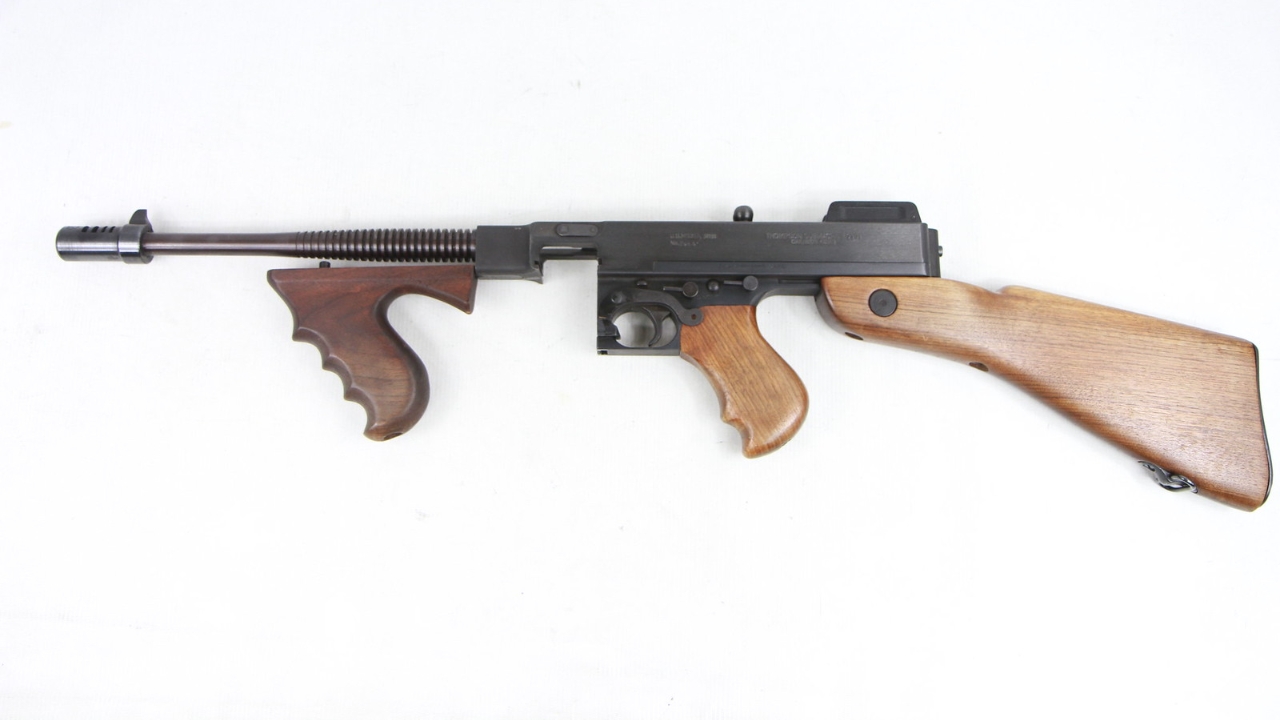
The Thompson was used by American troops in WWII, and its look is unmistakable. With its heavy frame, wood furniture, and .45 ACP punch, the “Tommy Gun” had serious presence.
It wasn’t perfect—heavy and not the easiest to control—but it symbolized American firepower up close. It was especially loved by paratroopers and tank crews. History remembers it just as much for the image as for the impact.
M3 “Grease Gun”
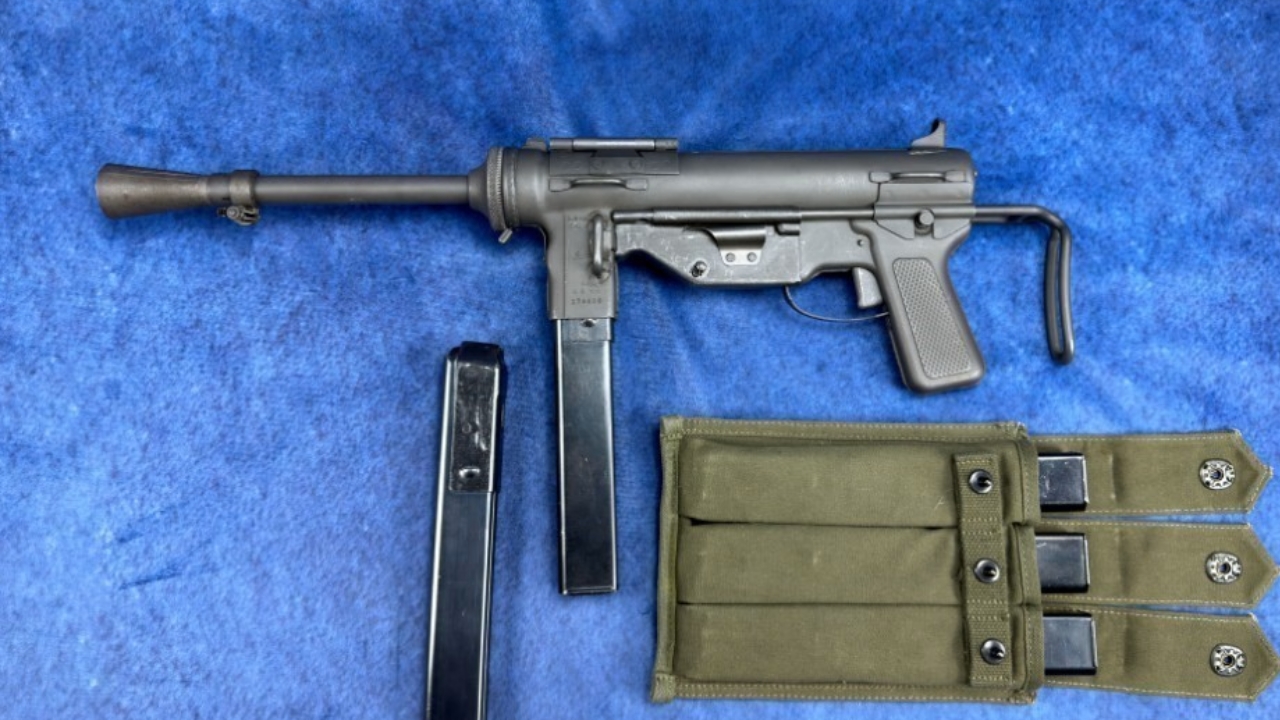
The M3 was a cheap, stamped-metal submachine gun that replaced the Thompson late in WWII. It wasn’t pretty, but it worked, and it was easier and faster to produce.
Firing the same .45 ACP round, it was compact and reliable enough for tank crews and support troops. While it doesn’t get the love the Thompson does, it quietly served all the way into the Gulf War era.
M1903 Springfield

Before the Garand, there was the 1903 Springfield. This bolt-action rifle saw major use in WWI and still played a supporting role in WWII. It was known for accuracy and ruggedness.
Chambered in .30-06, it had range and punch. Snipers continued to use it long after the standard infantry moved on. It’s the kind of rifle that feels like history in your hands.
BAR (Browning Automatic Rifle)

The BAR gave American infantry a portable automatic weapon starting in WWI, and it served into the Korean War. Heavy, loud, and hard-hitting, it brought serious firepower to squad-level fighting.
It wasn’t exactly light or easy to carry, but it earned a reputation for being reliable and devastating in the right hands. The BAR bridged the gap between bolt guns and modern machine guns.
M60

Nicknamed “The Pig” for its weight and appetite for ammo, the M60 served as the U.S. military’s general-purpose machine gun from Vietnam through the early 2000s.
It’s belt-fed, gas-operated, and known for putting out serious sustained fire. While it’s been mostly replaced by lighter systems today, the M60 still shows up in movies, photos, and memories of generations of troops.
M9 Beretta

Adopted in the 1980s, the M9 replaced the 1911 and served as the standard sidearm for decades. Chambered in 9mm, it brought more capacity and a smoother double-action system.
It was a big shift from the .45 ACP, but it proved reliable and accurate in the field. Whether you loved it or missed the 1911, the M9 earned its place in modern military history.
*This article was developed with AI-powered tools and has been carefully reviewed by our editors.