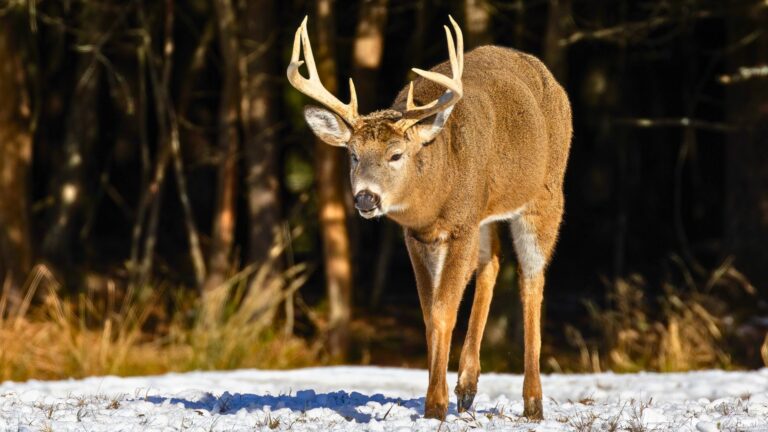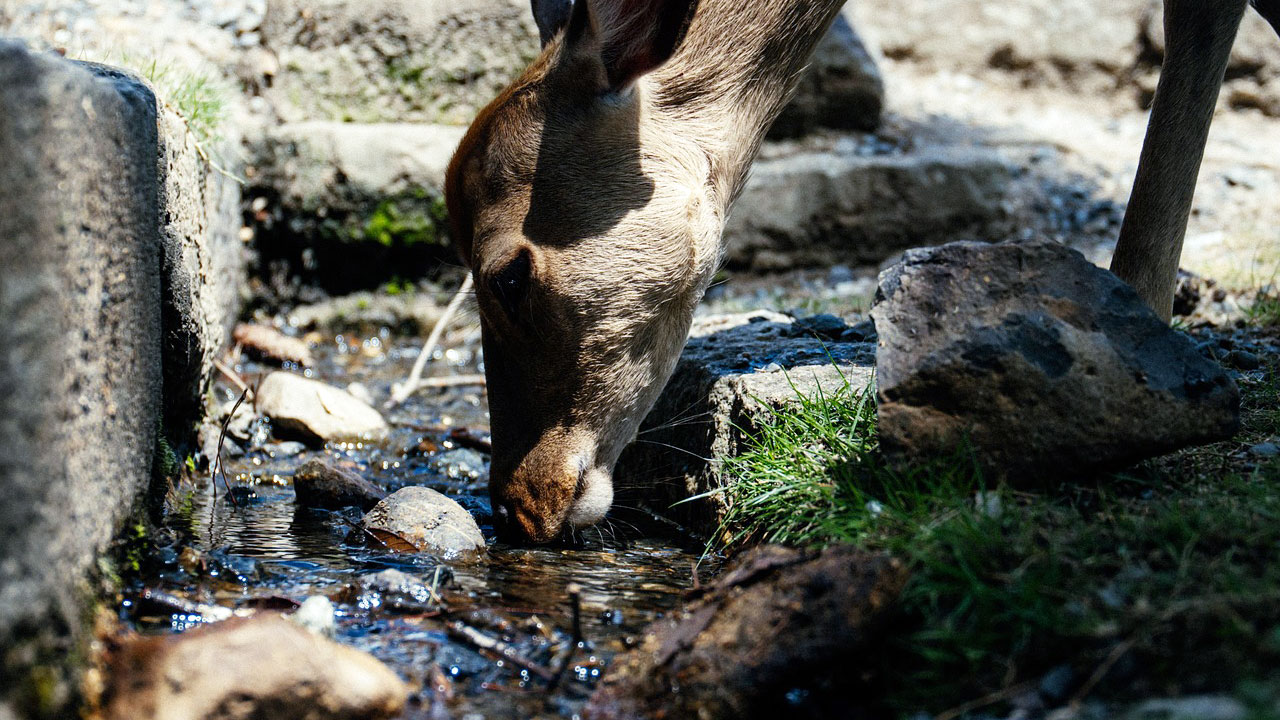
Photo credit: devinedsel/Pixabay.com
Water has always shaped hunting, but in some states it is doing a lot more than just helping you guess where animals might show up. It is changing access, pushing wildlife into tighter corridors, drying up small-water spots hunters used to count on, and shifting where pressure piles up once the season opens. In dry states, that often means animals concentrate harder around the few reliable sources left. In wetter states, it can mean flooded access, altered marsh use, or public ground hunting differently because water levels keep moving. Either way, hunters end up adjusting. State wildlife agencies and western deer reports keep tying habitat conditions, drought, water availability, and changing distribution to both animal movement and hunter opportunity.
This list leans on states where current agency material, drought reporting, waterfowl habitat conditions, or access updates make it pretty clear that water is not just a background factor right now. It is actively reshaping where hunters go, where game holds, and how much ground still hunts the way people remember.
Arizona
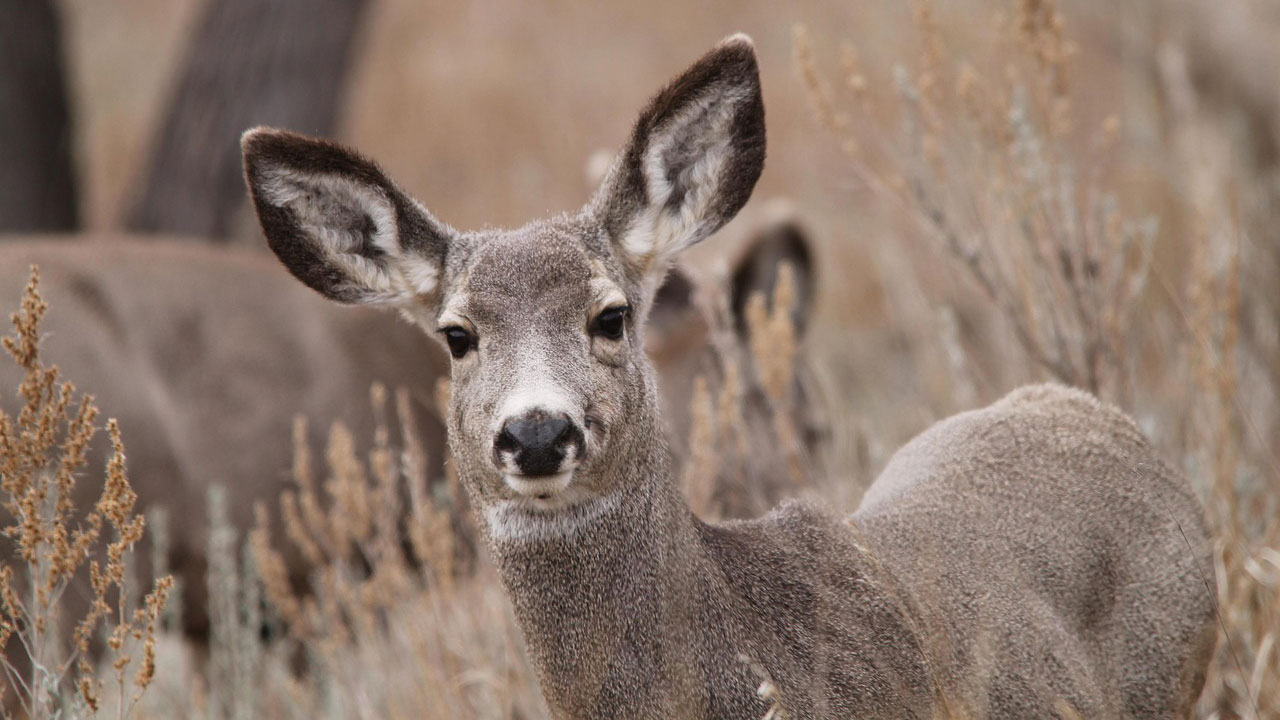
Arizona belongs near the top because water is everything there in a bad year and still matters a lot in a decent one. Arizona Game and Fish has repeatedly told hunters and landowners that wildlife concentrate around surface water during hot, dry periods, and western mule deer status work continues to identify drought and habitat conditions as major pressures across desert and arid-range herds. When that happens, hunters start changing too. They shift toward tanks, seep areas, riparian strips, and the few places that still hold dependable moisture.
The pattern change is not subtle in a state like Arizona. Ground that looked huntable on a map may stop mattering if nearby water disappears. Meanwhile, the places still holding water can attract more animal use and more hunter attention than normal. That compresses both game movement and hunting pressure into narrower bands than many people prefer.
New Mexico
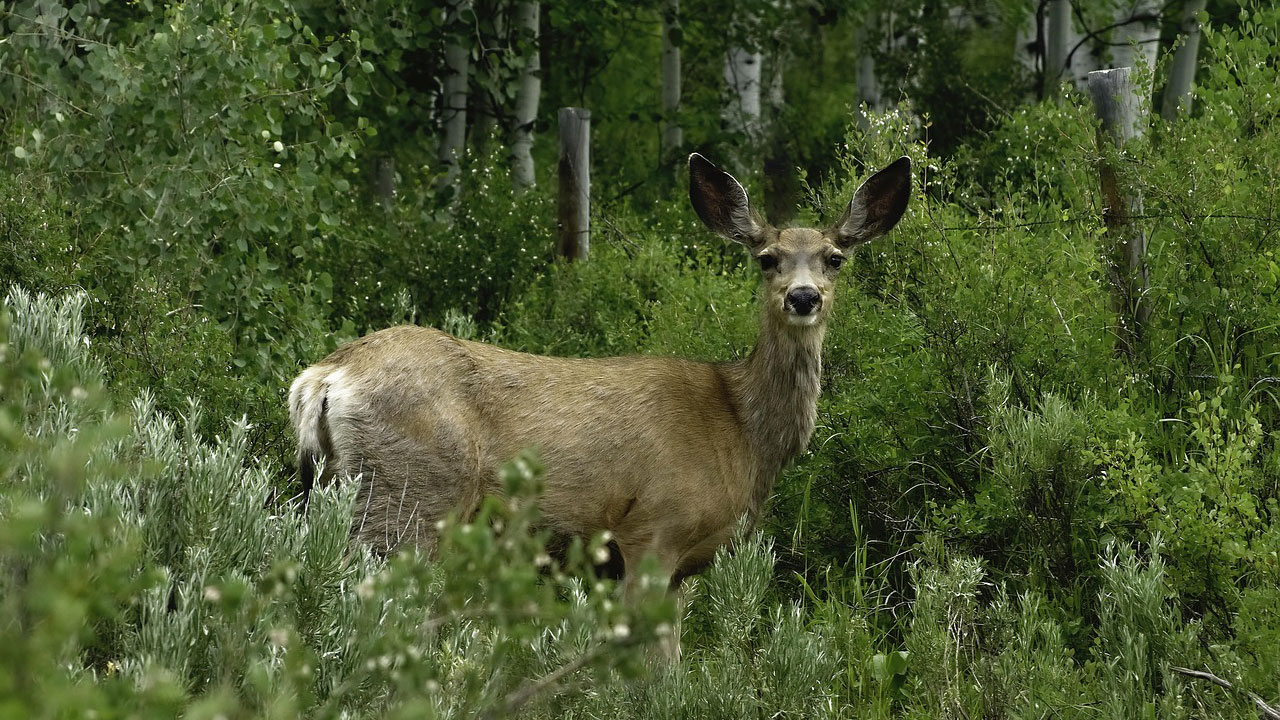
New Mexico fits for a lot of the same reasons as Arizona. Water access and drought conditions keep pushing wildlife into more predictable pockets, especially in country where water developments, stock tanks, and riparian cover have outsized importance. Broader western mule deer reporting from 2025 still identifies drought and water-linked habitat stress as major factors across range states, and New Mexico remains one of the places where that plays out visibly on the ground.
Hunters feel it when some country simply stops holding the same kind of traffic it used to. Instead of spreading out over a wider area, people start keying harder on proven water-linked routes, shaded pockets, and lower country where animals can still feed and drink without burning too much energy. That changes scouting, stand placement, and how quickly certain public spots get crowded.
Utah
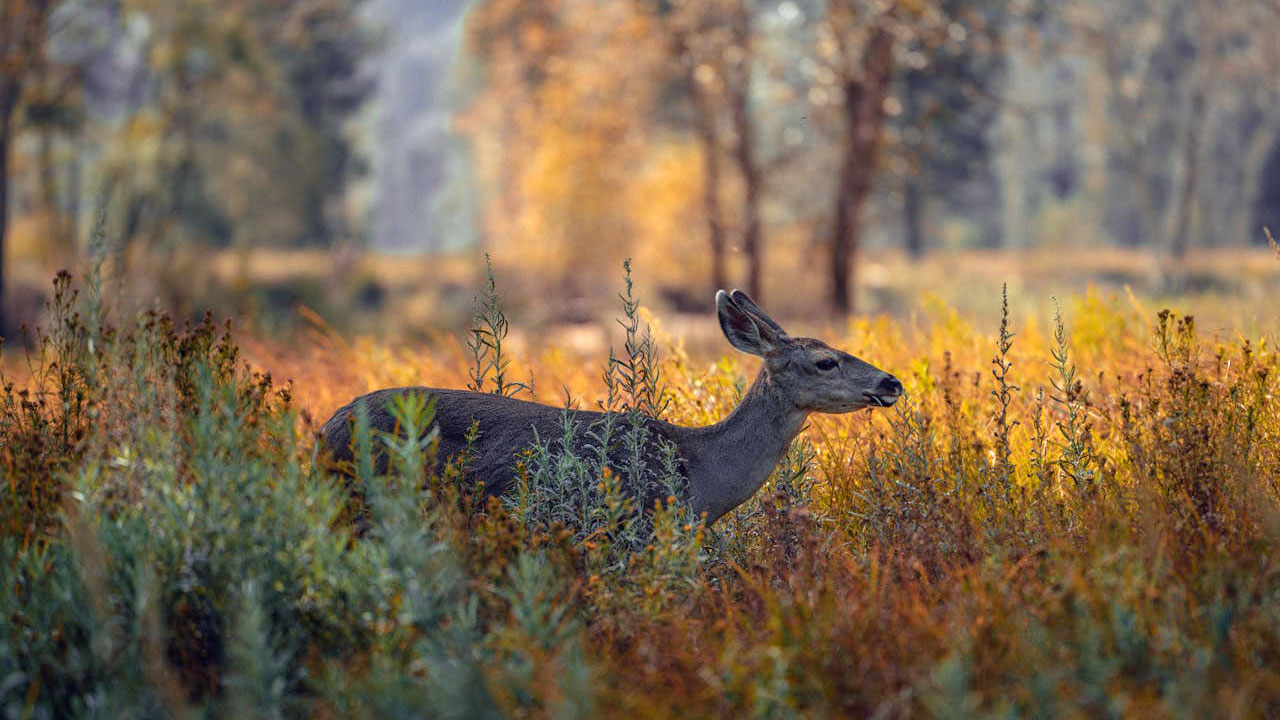
Utah deserves a spot because DWR and current statewide management planning continue to frame mule deer around habitat quality, drought sensitivity, and changing conditions on the landscape. In a state where so much deer and elk country is dry, steep, and seasonally tough, water reliability shapes where animals linger and where hunters bother spending time. Utah’s 2025–2030 statewide mule deer plan keeps habitat and drought squarely in the conversation.
That matters because water does not just affect summer patterning. It affects range condition, forage quality, and how much usable country a herd really has once pressure builds. In Utah, hunters often end up shifting effort toward canyon systems, springs, and better-watered transition country when the rest of the map starts looking good only on paper.
Nevada
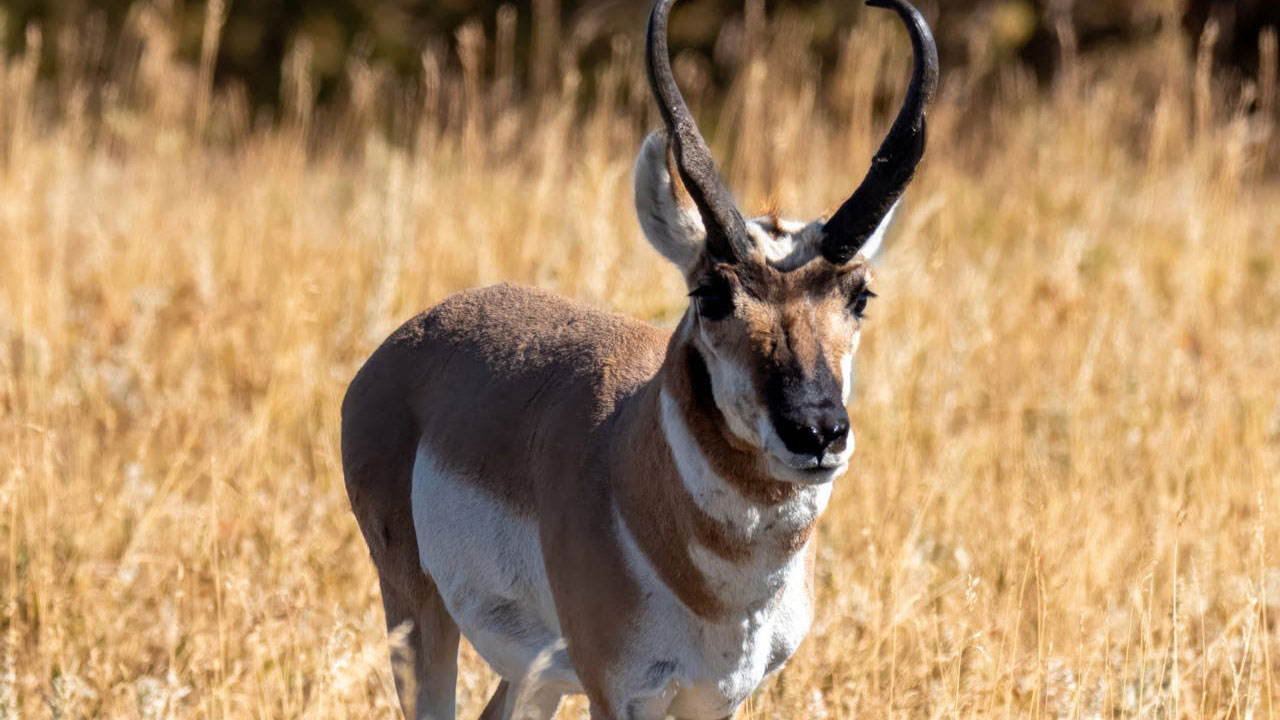
Nevada is one of the clearest western examples because NDOW’s recent big-game outlooks still tie herd condition to drought, precipitation, and habitat moisture. The 2025 big game status materials noted improved moisture in some places but also made clear how closely deer, antelope, and elk conditions track water-driven habitat change. In Nevada, that instantly becomes a hunting-pattern story because so much country only works when water and feed line up right.
Hunters in Nevada know the difference between broad usable country and country that only looks open until you realize the water picture is bad. When smaller sources fade, animals tighten around better basins, guzzlers, and riparian strips. That can make some units feel more concentrated and more pressured even if the total acreage has not changed at all.
Colorado
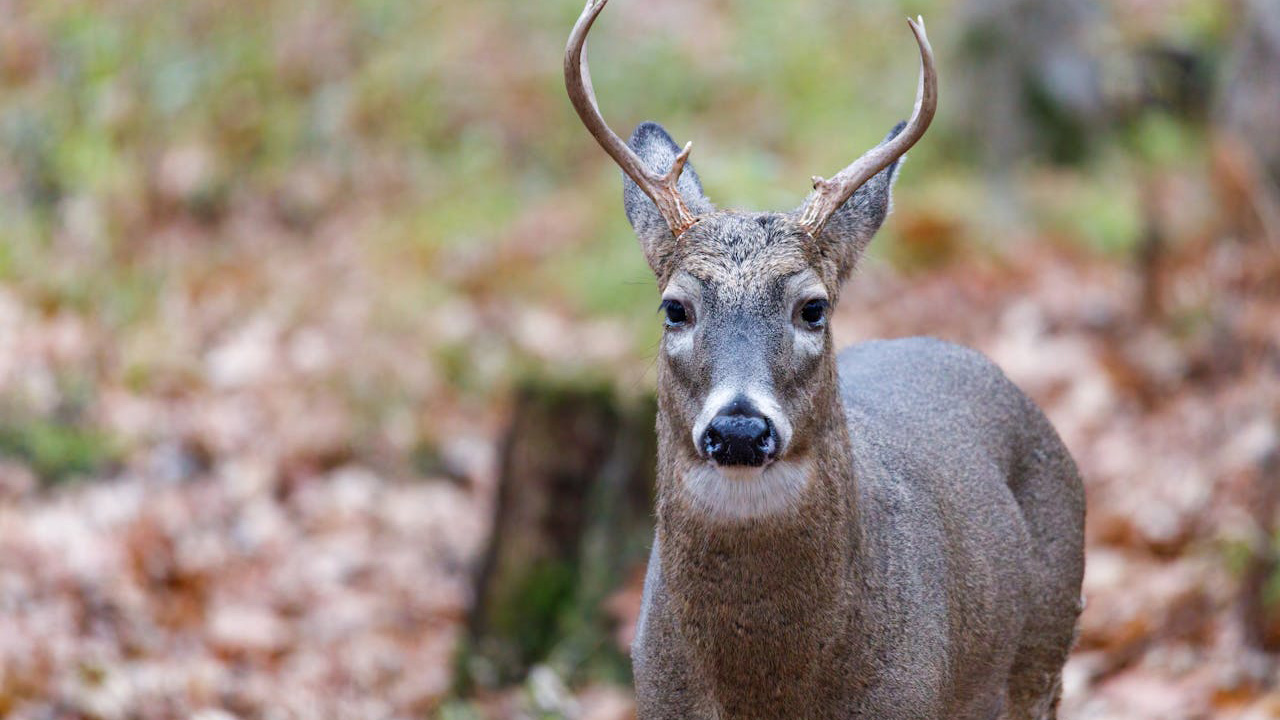
Colorado makes the list because CPW herd planning and current western deer work still keep drought, habitat quality, and changing moisture conditions front and center. Even though Colorado is not as brutally water-limited statewide as Arizona or Nevada, water availability still shifts how animals use summer range, lower transition ground, and foothill country. That matters to both archery and rifle hunters.
You also see the change in how hunters adapt to dry years by focusing more on riparian benches, north-facing cover, and terrain closer to dependable water. In some areas, it means more animals holding tighter to cooler pockets and less spread-out movement across otherwise attractive country. In practical terms, water can turn broad scouting plans into a much narrower hunt.
Wyoming

Wyoming belongs here because WGFD and regional mule deer reporting continue to tie range conditions, drought stress, and habitat quality to herd performance. In a big, open state where people love to think in terms of huge country, water still quietly decides which parts of that country matter. The 2025 range-wide mule deer status report from WAFWA keeps drought and habitat condition among the big recurring issues for western deer states like Wyoming.
That changes hunting patterns in a pretty direct way. Animals do not always stop using the big country, but they start favoring the pieces of it that still offer dependable moisture and feed. Hunters respond by glassing different basins, shifting away from dry low-value stretches, and leaning harder on creek systems or water-supported ag edges where movement becomes more predictable.
Montana
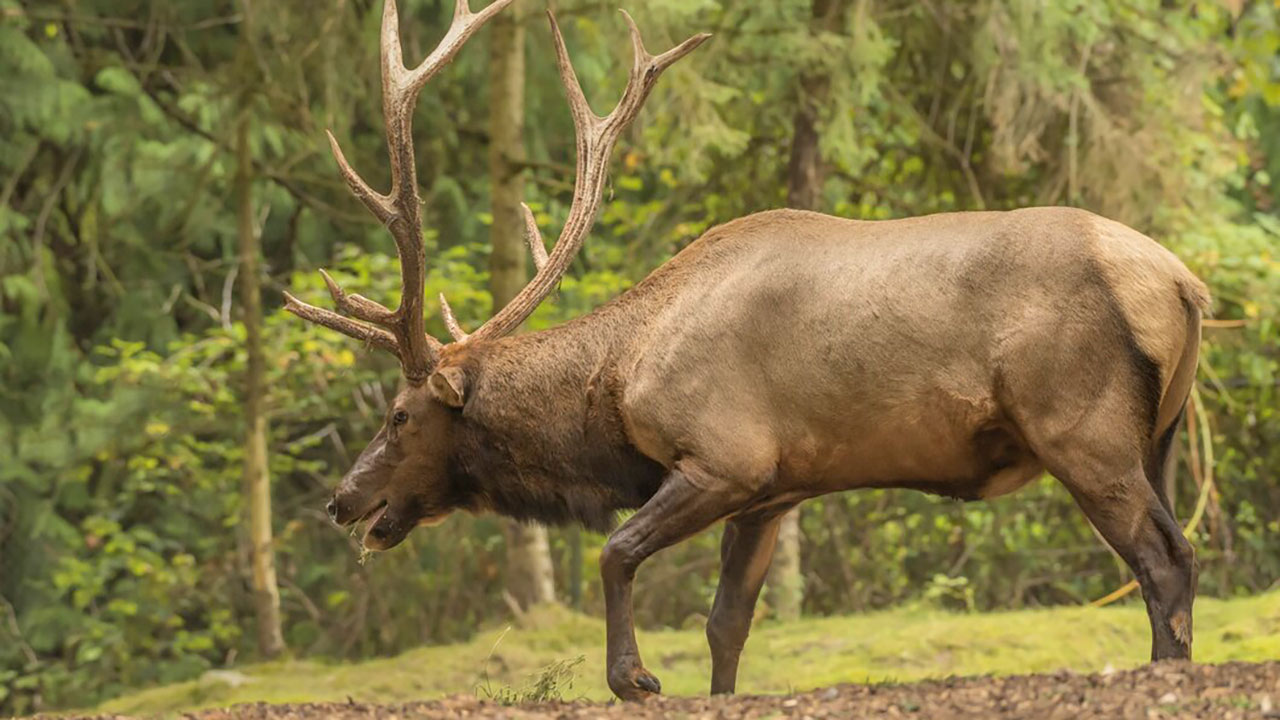
Montana is on the list because water affects both big-game distribution and hunter access depending on the year. In dry conditions, water-supported bottoms, river corridors, and irrigated edges often matter more. In wet conditions, flooding and saturated ground can change access and use patterns in low country. Montana FWP’s recent drought and habitat discussions, along with regional mule deer reporting, still point to moisture and habitat as major drivers of herd behavior.
For hunters, that means the usual assumptions about where animals should be may not hold if the water picture shifts. A dry year can pull deer and elk closer to more dependable feed and water sources, while unusual wet conditions can change road use, river access, or how much country is even pleasant to hunt. Water does not just move animals in Montana. It changes how hunters move through the landscape too.
Idaho

Idaho makes sense here because it sits in that same western habitat-and-moisture conversation where drought, fire recovery, forage, and dependable water all affect where big game holds. Regional mule deer reporting and state-level herd planning continue to show how tightly western hunting conditions are tied to habitat moisture and quality, not just tag numbers.
That becomes a hunting-pattern issue when some country dries down enough that it simply loses day-to-day value. In those conditions, hunters start keying harder on creek-fed timber, irrigated interfaces, springs, and shaded benches instead of wandering giant chunks of country that used to be productive more evenly.
Oregon
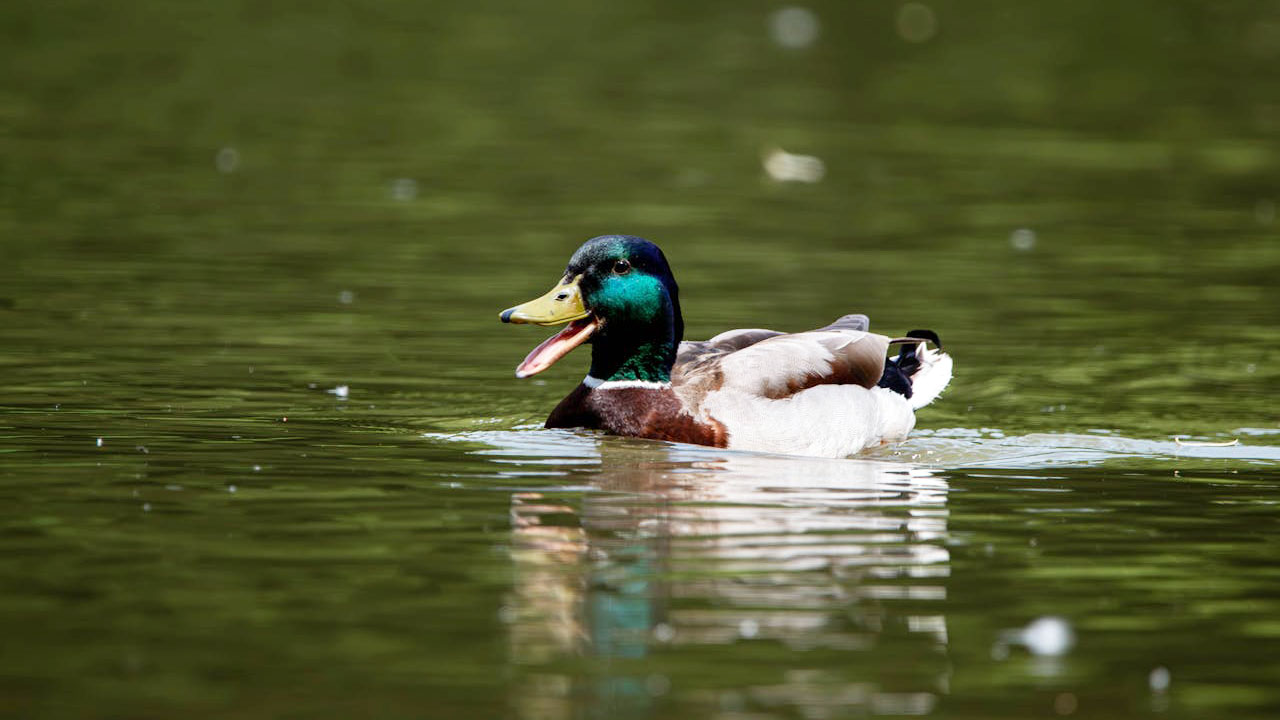
Oregon belongs because water access affects both big-game country and waterfowl ground there. ODFW’s recent drought and wildlife materials point to low-water conditions affecting habitat and wildlife use, while current waterfowl and access updates also reflect how marsh and wetland conditions can shift hunter opportunity. That means Oregon hunters can feel water changes from the deer woods all the way to the duck blind.
That double impact matters. In dry upland and forest country, water-linked habitat can pull animals into tighter use areas. In wetlands and refuge-style hunting, water levels can decide what habitat is huntable and how birds use it. When one factor starts influencing two totally different hunting styles in the same state, it belongs on a list like this.
California
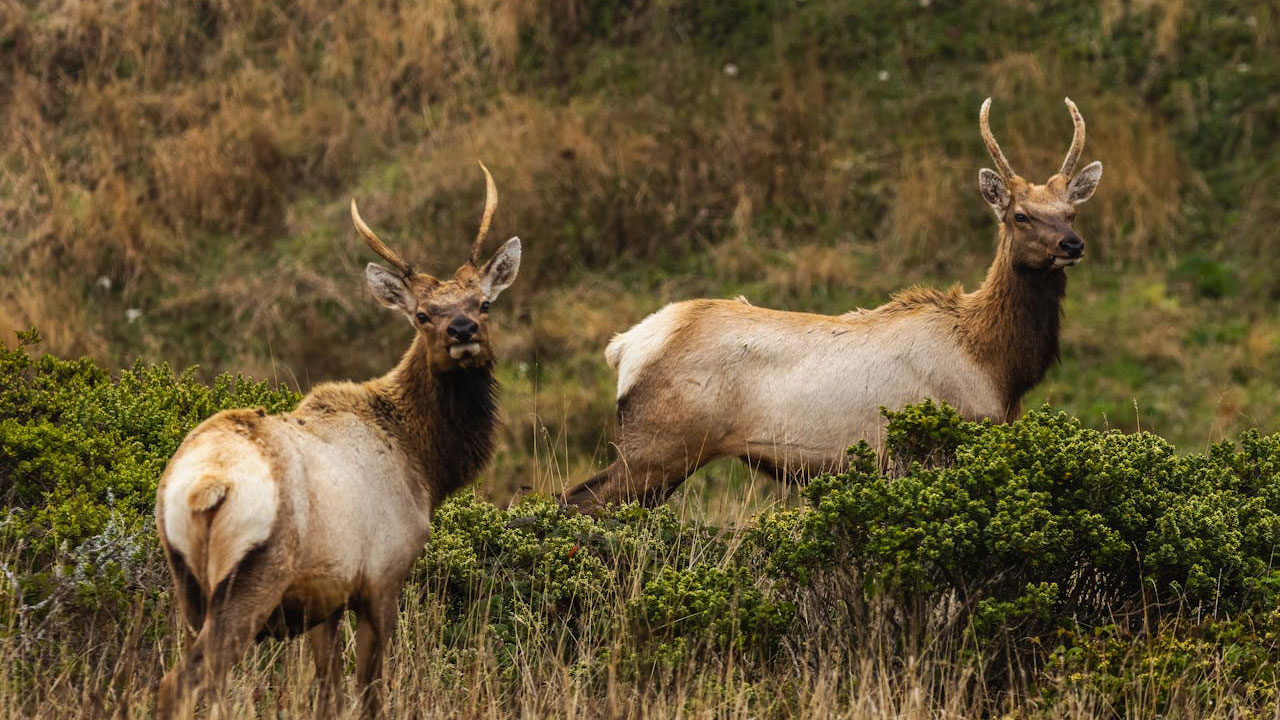
California has to be here because water is now tied to everything from drought stress and habitat quality to the changing footprint of tule elk, deer, and wetland birds. California’s wildlife drought pages and habitat reporting have repeatedly emphasized the effect of severe dry conditions and shifting water availability on wildlife. In a state with a lot of public ground, ag edges, foothill habitat, and major wetland bird hunting, water changes hunting patterns in more than one lane.
In practical terms, that means some hunting areas get more crowded because they still hold feed and water while other places fade. It also means duck and goose hunters feel the squeeze when managed wetlands and seasonal habitat do not flood the way they should. California is one of the easiest states to point to when the question is whether water availability changes where hunters go. It clearly does.
South Dakota
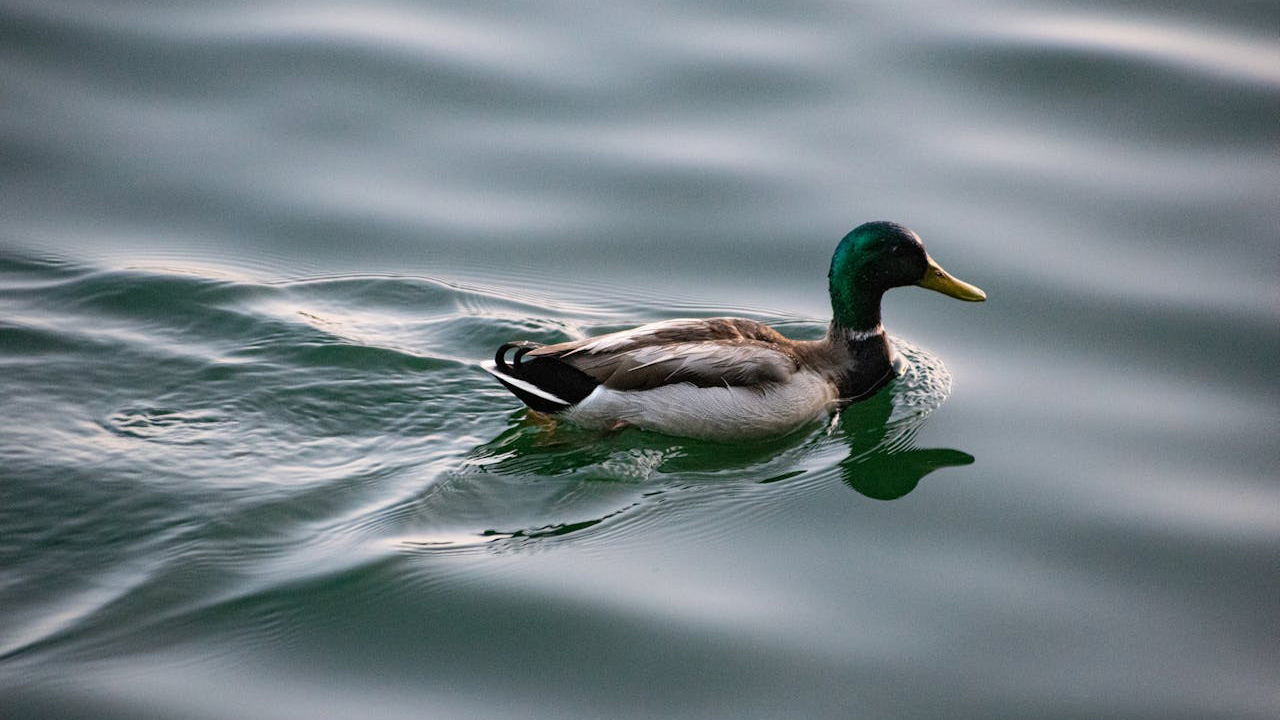
South Dakota may surprise some people, but it deserves a place because Game, Fish and Parks has had to talk directly about low-water conditions affecting waterfowl habitat and broader wildlife use in dry years. Prairie potholes, stock ponds, and small wetlands matter a lot there, and when they dry up, both birds and hunters shift.
This is one of those states where water changes patterns without needing mountain-state drama. When the wet spots go away, bird use concentrates differently, hunter setups change, and some ground loses value fast. That is still water access changing hunting patterns, just in a prairie system instead of a desert one.
North Dakota
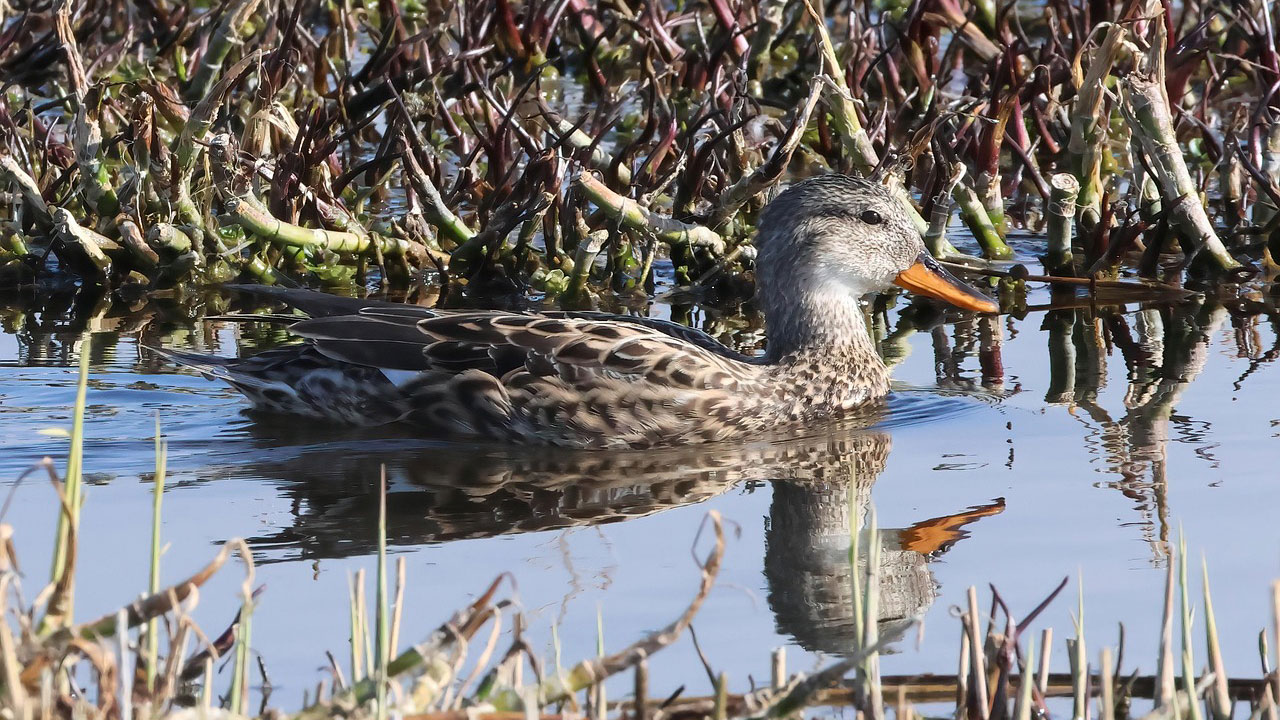
North Dakota belongs for very similar prairie-wetland reasons. The state’s waterfowl world runs heavily on wetland conditions, and current federal and Flyway reporting for 2025 noted variable habitat tied to prairie conditions and water availability. When water conditions are off in the prairie pothole region, duck distribution, nesting success, and hunter expectations all move with it.
Hunters in North Dakota feel that fast. Some sloughs and wetlands that usually hold birds become marginal, while the places that still have decent water attract more bird use and more hunting interest. That can compress pressure and make certain access points matter more than they did in wetter years.
Louisiana
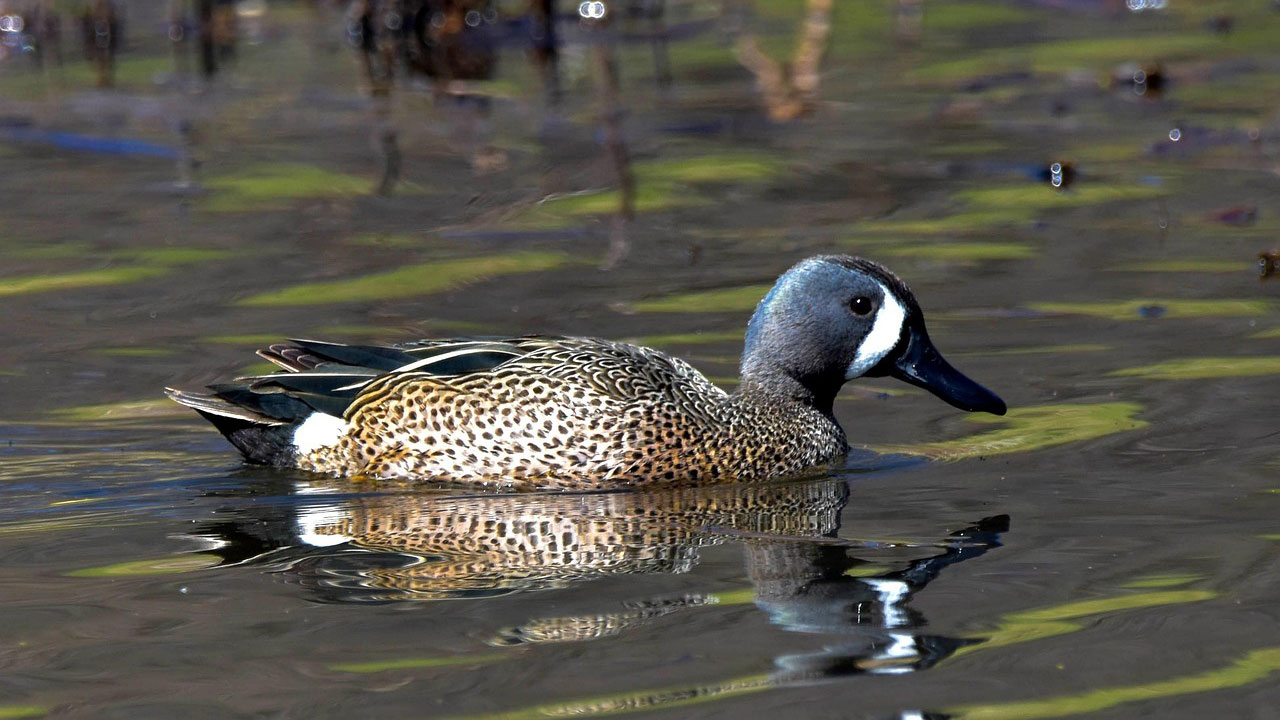
Louisiana belongs because water access there is not mainly about drought-driven tanks and springs. It is about coastal marsh change, salinity, flooding patterns, and the way shifting wetland conditions affect duck use and hunting access. LDWF’s coastal and waterfowl materials keep tying habitat condition and hydrology to what hunters see on the landscape.
In a marsh state, water can help or hurt depending on timing and quality. Too little water, the wrong salinity mix, or bad marsh conditions can change where birds want to be and how hunters can reach them. That absolutely changes hunting patterns, even if the state’s water story looks very different from Nevada’s.
Arkansas
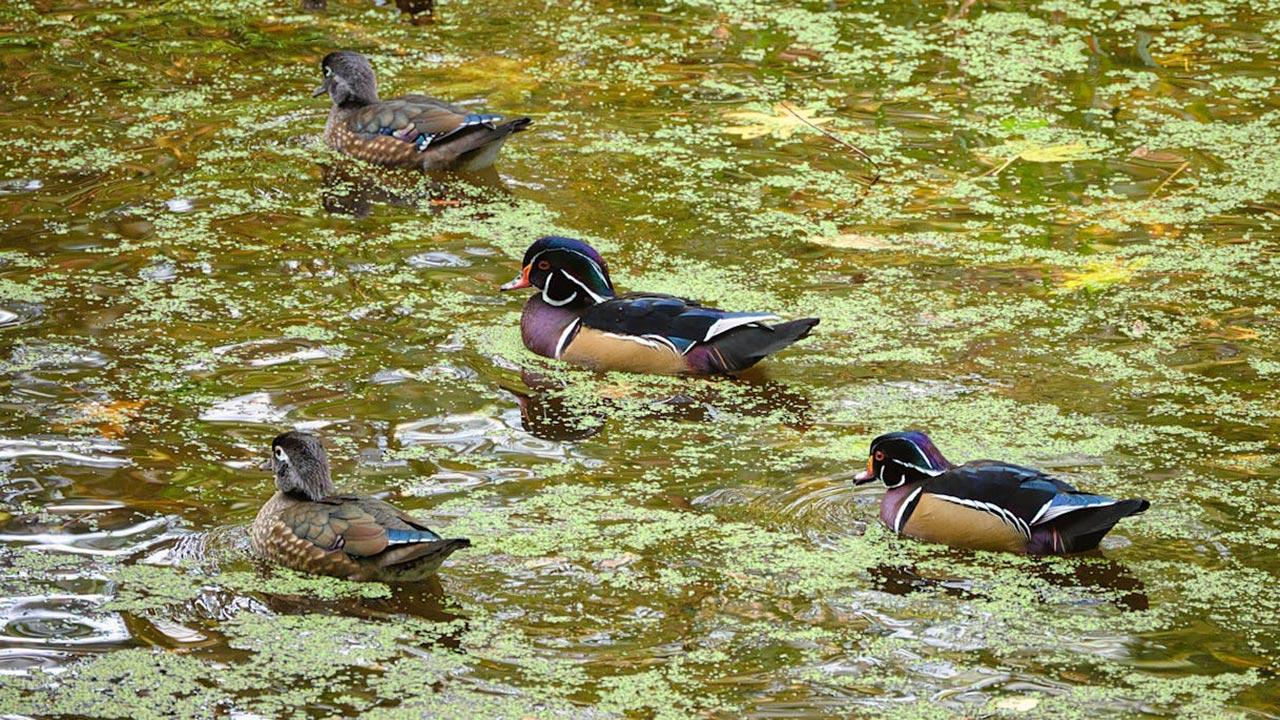
Arkansas fits because duck hunting there lives and dies on water setup in a lot of places. AGFC habitat and waterfowl updates routinely focus on water levels, flooding, greentree reservoir conditions, and access timing. When the right timber is not flooded right, patterns change for both birds and hunters.
That makes Arkansas one of the clearest non-Western entries. Water does not just influence habitat there. It decides whether classic duck spots hunt the way people expect. If flooding is late, low, or uneven, pressure shifts and birds use the landscape differently. That is a direct hunting-pattern change, not a subtle one.
Mississippi
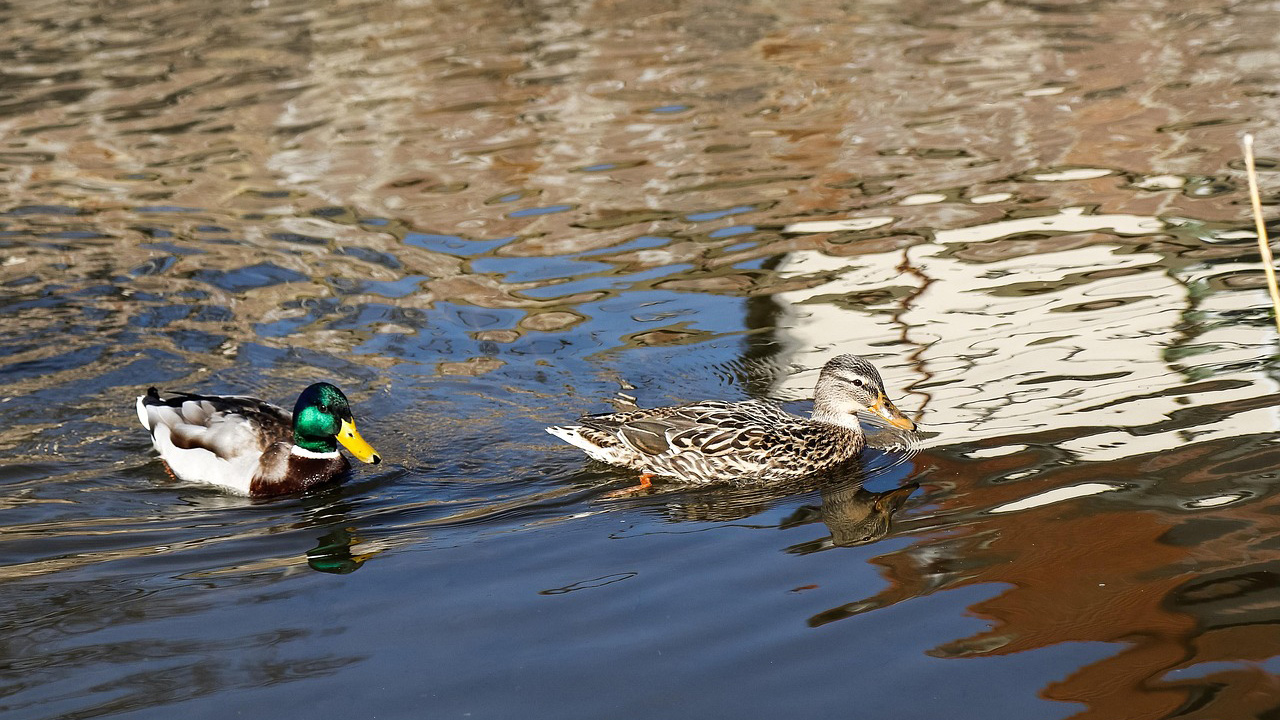
Mississippi deserves a spot for many of the same Delta and waterfowl reasons as Arkansas and Louisiana. Waterfowl use, flooded timber opportunity, backwater access, and habitat timing all shape how the season hunts. Mississippi Flyway and state-linked habitat reporting continue to show how water conditions influence bird distribution and hunter success.
What makes Mississippi worth including is that the water story there affects both where birds pile in and where people can actually get on them. In the wrong conditions, some traditional spots lose value while other flooded or managed areas get hammered. That is the exact kind of pattern shift this list is about.
Like The Avid Outdoorsman’s content? Subscribe to our newsletter so you never miss an article.
Here’s more from us: