
Photo credit: AveCalvar/Pixabay.com
A lot of people picture getting lost as something that happens deep in rough backcountry, in bad weather, with cliffs and no trail. In real life, people get turned around in “easy” terrain all the time because easy terrain makes them lazy. A short trail, a familiar park, flat woods, open desert, creek bottoms, old roads, and well-used public land all have one thing in common: they make people think they do not really need to pay attention. That is usually where the trouble starts. The National Park Service says leaving marked trails can lead to becoming lost, and both NPS and REI still push navigation and the Ten Essentials because unexpected delays and wrong turns happen even on simple outings.
Easy country can be especially deceptive because it rarely feels urgent until you have already stacked a few dumb little choices on top of each other. You miss a turn, keep walking instead of checking, trust your phone too much, take a shortcut, and suddenly the trail that felt harmless an hour ago looks unfamiliar in every direction. The Forest Service says advanced planning is your best survival tool and advises people to trust map and compass, remember how they got where they are, and stay calm if lost.
Starting without really looking at the route

This is one of the most common beginner mistakes because people think “easy trail” means they can just start walking and figure it out as they go. That works right up until the loop splits, the old road forks, or the trail system is bigger than it looked on the app. REI recommends carrying navigation tools even for day hikes, and the Forest Service says to get a trail map and plan your route based on time, ability, and interest.
A lot of people glance at distance and elevation and never really study the route shape. They do not notice intersections, bailout options, water crossings, or how far they need to go before the turn back. Then when the trail starts looking slightly different than expected, they do not have enough mental picture to know whether anything is actually wrong.
Trusting a phone like it cannot fail

Phones are useful, but they make a lot of people careless. REI specifically warns that smartphone-based apps might not work with poor or no cell service and says to pack a navigation tool and a backup. That matters because people often treat “blue dot on phone” like a magic shield against bad decisions.
The problem is not just dead battery or no signal. It is also people who never download offline maps, never bring a battery pack, and never look up long enough to match what they see on the ground to where they think they are. A phone is a good tool. It is a bad excuse to stop navigating.
Leaving the trail for “just a minute”

This one gets people all the time. The National Park Service says deviating from designated trails can lead to becoming lost, and that warning exists for a reason. People step off for a view, to use the bathroom, to look at a creek, to cut a corner, or to follow an animal path that looks obvious for about thirty seconds. Then it stops being obvious.
Easy terrain makes this mistake worse because it does not look dangerous. Open woods, low brush, or rolling desert can feel like you can just step back whenever you want. But once you break line of sight with the trail and turn around once or twice, the ground starts looking samey fast.
Following social trails like they are official

A lot of well-used places are full of side paths, shortcut cuts, game trails, bike spurs, fisherman tracks, and boot-made social trails. Some of them reconnect. Some of them absolutely do not. The Park Service explicitly warns hikers to stay off social trails as well as off designated trail edges.
This is especially dangerous in “easy” parks because the wrong path often looks just as worn as the right one for a while. People see dirt and footprints and assume somebody else already proved it was the correct way. That is a lazy gamble, and it can walk you straight into a drainage, a dead end, or the wrong ridge.
Taking shortcuts because the terrain looks simple

Flat country, open forest, and broad slopes make people think they can improve on the trail. That is usually when they get off course. The official guidance to stay on trail exists partly because shortcuts are one of the fastest ways to stop knowing exactly where you are.
A shortcut also robs you of all the little confirmation points that keep you oriented. On the marked trail, a turn, blaze, bridge, sign, or junction helps keep your brain lined up. Off the trail, you are just freelancing. In easy terrain, that can feel harmless right up until everything starts looking alike.
Not noticing landmarks on the way in
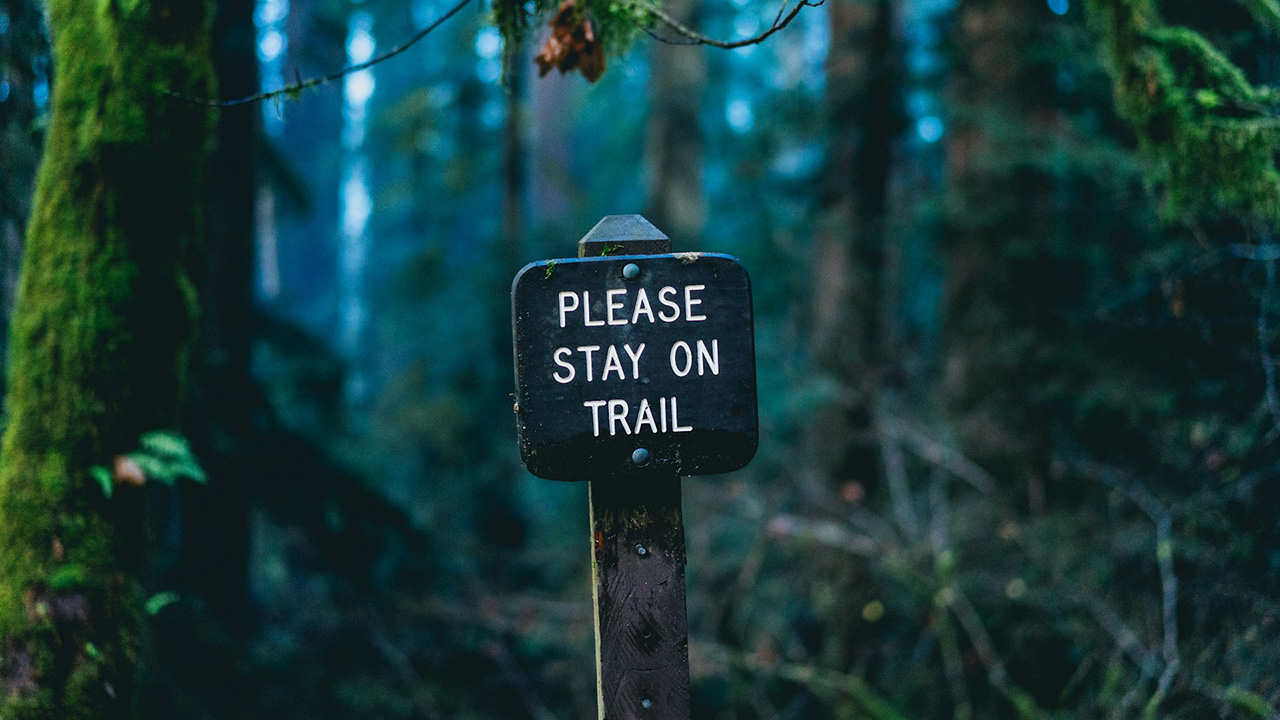
The Forest Service says that if you get lost, you should try to remember how you got to your present location and relate landmarks to your map. That sounds simple, but most people do not do it while they are moving. They walk in on autopilot and assume the trail will feel just as obvious coming back.
Then they turn around and realize the return view looks different. The creek crossing is less obvious from the other direction. The signed junction looked more visible on the way in. The hill they barely noticed now blends into three other hills. People who pay attention outbound usually recover faster when something feels off.
Missing an early turn and then refusing to stop

American Hiking’s lost-trail advice says not to keep hiking aimlessly because you will likely get more lost. That is exactly the trap here. People miss one junction, feel a little uncertain, and instead of stopping immediately, they keep walking because they do not want to admit they may have messed up.
That pride adds distance to the mistake. Easy terrain encourages this because nothing is screaming danger. The trail still looks walkable. The woods still look normal. So instead of checking the map while the error is small, they keep rolling until the wrong turn becomes a real problem.
Assuming flat ground is easy to navigate
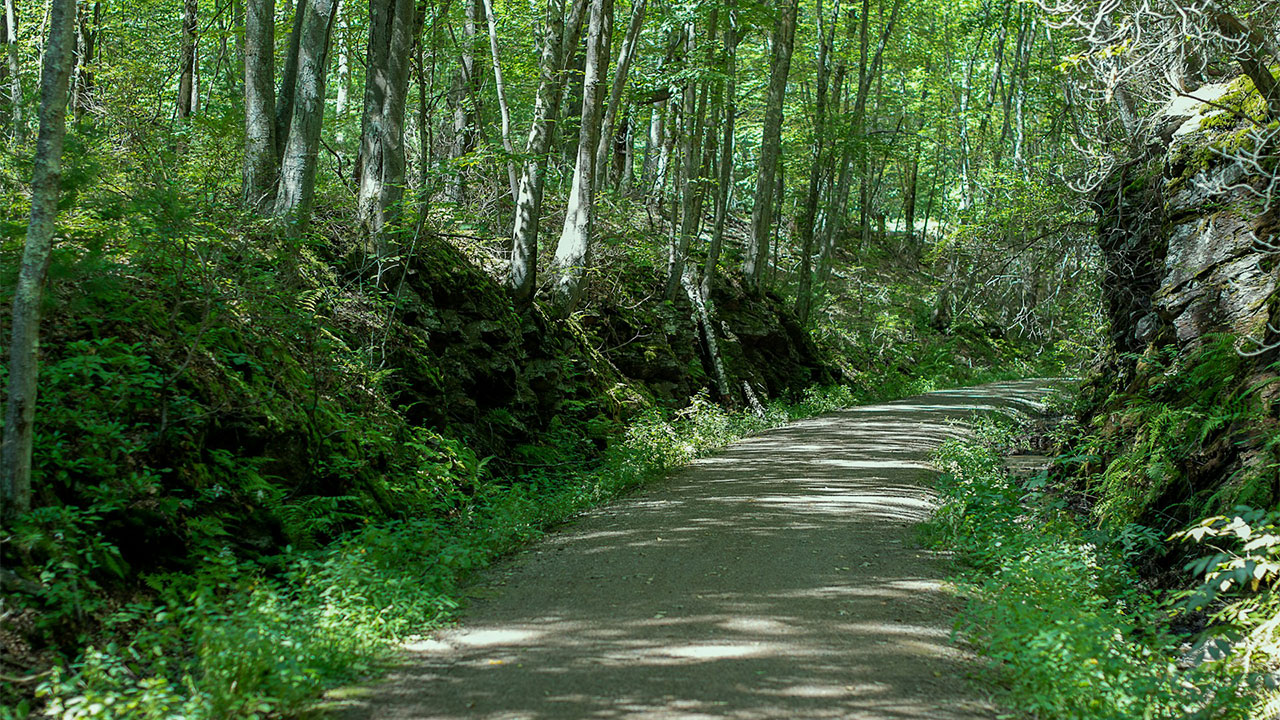
Flat country can actually be harder than people expect because it often gives you fewer obvious reference points. In rolling mountains, at least you usually know where the valley, ridge, or major slope is. In flat woods, marsh edges, or open scrub, everything can start to feel the same once you drift off line. The Forest Service stresses using landmarks and map relation for a reason.
People get overconfident in flat terrain because it looks nontechnical. But nontechnical is not the same thing as easy to navigate. A flat area with multiple user paths, old roads, and repeating tree lines can scramble somebody faster than a mountain trail with obvious structure.
Letting the trail day run longer than planned
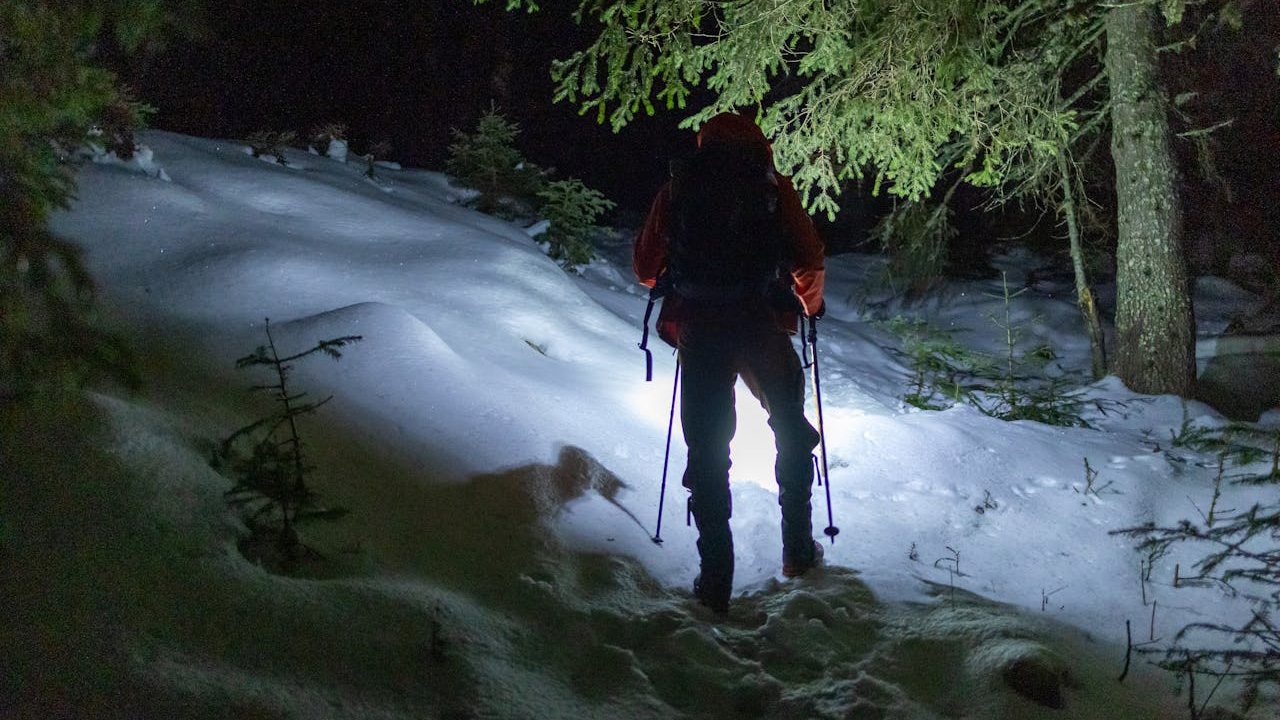
The Ten Essentials exist partly because unexpected delays happen, and both NPS and REI emphasize preparing for them. One of the easiest ways to get in trouble on an easy trail is simply staying out too long. You start late, linger at a viewpoint, take extra loops, and suddenly you are trying to navigate familiar-looking country in low light.
A trail that was simple in full daylight can get a whole lot less simple when every junction looks dimmer and every sign is harder to spot. Easy terrain makes people sloppy with turnaround times because they assume they can always just hustle back. That assumption gets weak fast once daylight starts leaking out.
Not carrying even basic navigation backup

REI says navigation is one of the Ten Essentials and recommends bringing at least a phone plus backup, ideally with map and compass as appropriate. NPS says the Ten Essentials help with unexpected delays and sudden changes. The point is not that every short hike requires a giant backpack. The point is that “easy” is exactly when people leave the basics behind.
Then when something small goes wrong, they have nothing to stabilize the situation. No map. No backup battery. No light. No whistle. No extra layer. Getting lost gets a lot worse when you are also unprepared to stay put, stay calm, and think clearly.
Hiking while distracted and half-paying attention

This one sounds obvious, but it is a real reason people drift off the plot. Easy trails encourage conversation, music, phone checking, and mental autopilot. You stop noticing blazes, signs, forks, creek bends, and subtle trail changes. Then the moment you finally look up, you realize you are not as sure as you thought you were.
Good navigation is not just owning tools. It is actually staying engaged with the ground in front of you. The Forest Service’s advice to pay close attention to surroundings and landmarks is simple because that is still the core of not getting lost.
Treating old roads and wide paths like they all go somewhere useful
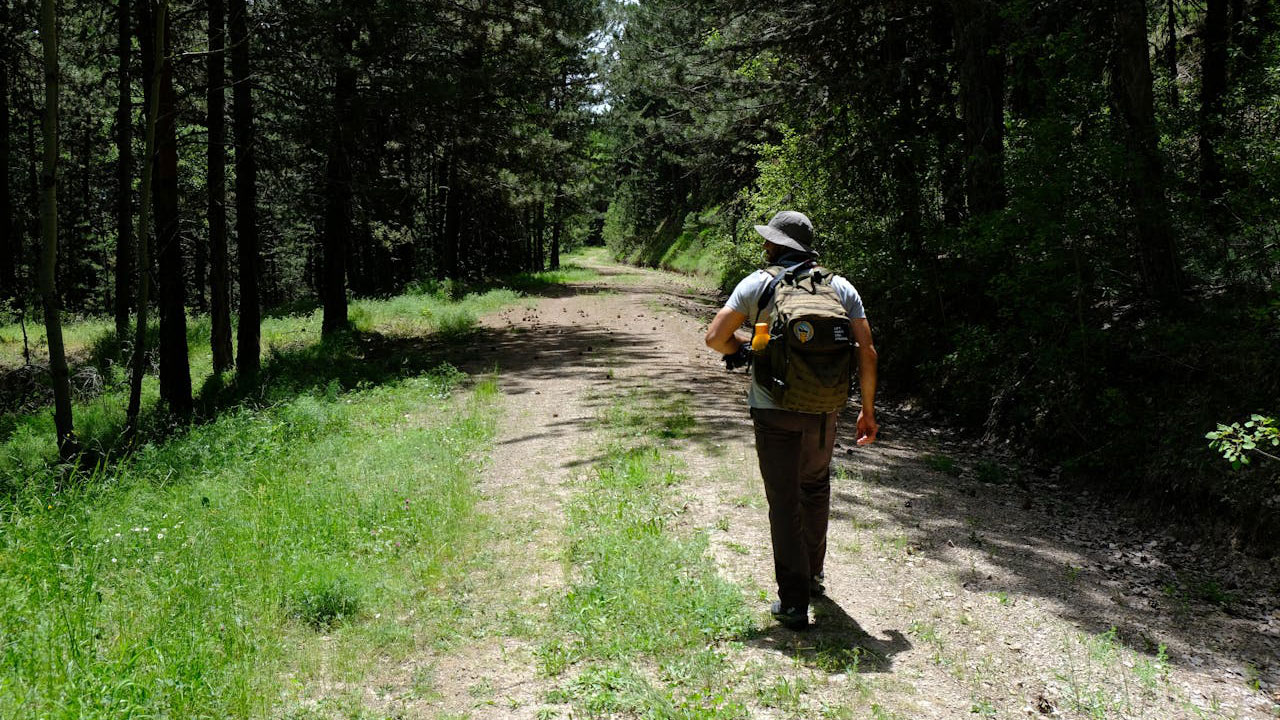
Old logging roads, fire roads, ranch tracks, and broad utility corridors fool people because they look official and easy to follow. Sometimes they are. Sometimes they pull you away from the trail system completely. A wide wrong route can be more convincing than a narrow right one.
This is another version of the social-trail mistake, just bigger. People trust width and wear too much. If the route does not match the plan, the map, or the direction of travel you expected, that easy walking surface can still be the wrong answer. REI’s advice to carry route description or guidebook support is helpful here because not every obvious path is part of your route.
Failing to tell anybody the real plan

The Forest Service emphasizes advanced planning, and part of that is leaving enough information that someone knows where you meant to be. People often say vague stuff like “I’m going hiking for a bit” and never leave trail name, route, or expected return. That turns a simple delay into a much bigger problem if they do get turned around.
Easy terrain makes people skip this because they think it would be dramatic to leave details for a two-hour hike. But if a short trail is exactly where people get complacent, then that is also exactly where basic trip communication still makes sense.
Not knowing what to do the second they realize they’re off

American Hiking says do not keep hiking aimlessly, and the Forest Service says panic is your greatest enemy and that your best bet may be to stay where you are, especially near nightfall, injury, or exhaustion. A lot of people make the original navigation mistake worse because they have no plan for the moment after the mistake.
They speed up, zigzag, and start guessing. That turns uncertainty into disorientation. In easy terrain, this can happen quietly because the environment still feels nonthreatening. But wandering fast in the wrong direction is still wandering fast in the wrong direction.
Assuming trail traffic will save them

Busy or easy trails make people think somebody will always come along, signs will always be obvious, and help will always be close. Sometimes that is true. Sometimes you miss the crowd by an hour, take the wrong spur, and suddenly wind up in a quiet section where nobody is coming anytime soon.
That false sense of safety is part of what makes easy terrain dangerous. People behave differently when they think the consequences are low. NPS and Forest Service guidance both keep circling back to preparation and staying on the route because popularity is not a navigation system.
Like The Avid Outdoorsman’s content? Subscribe to our newsletter so you never miss an article.
Here’s more from us: