Photo credit: LoneStar Civilian/Youtube
Impact-Site-Verification: 884807c1-ae35-444d-9a1a-7f3a1de7ceca
Some knives are built to win the first impression test. They look tough in the sheath, feel substantial in the hand for about ten seconds, and carry the kind of styling that makes a guy think he is buying one knife for every hard job on earth. Then the real work starts. You skin with it, clean fish with it, cut rope, make kindling, choke up for finer cuts, or wear it on your belt for a full day, and the weak spots start showing. Big handles feel awkward. Thick blades wedge. Tantos fight slicing work. Tactical carry setups get old in a hurry.
That is the lane this list is coming from. These are all real knives, and some of them are well-made. The problem is not always quality. The problem is fit. A knife can be built exactly the way the company intended and still be a lousy pick for the way most hunters and campers actually use a belt knife. If you want a blade that earns its keep instead of just looking the part, these are the kinds of models worth thinking twice about. Product specs and official positioning on these models back up why they land in this conversation.
Gerber LMF II Infantry
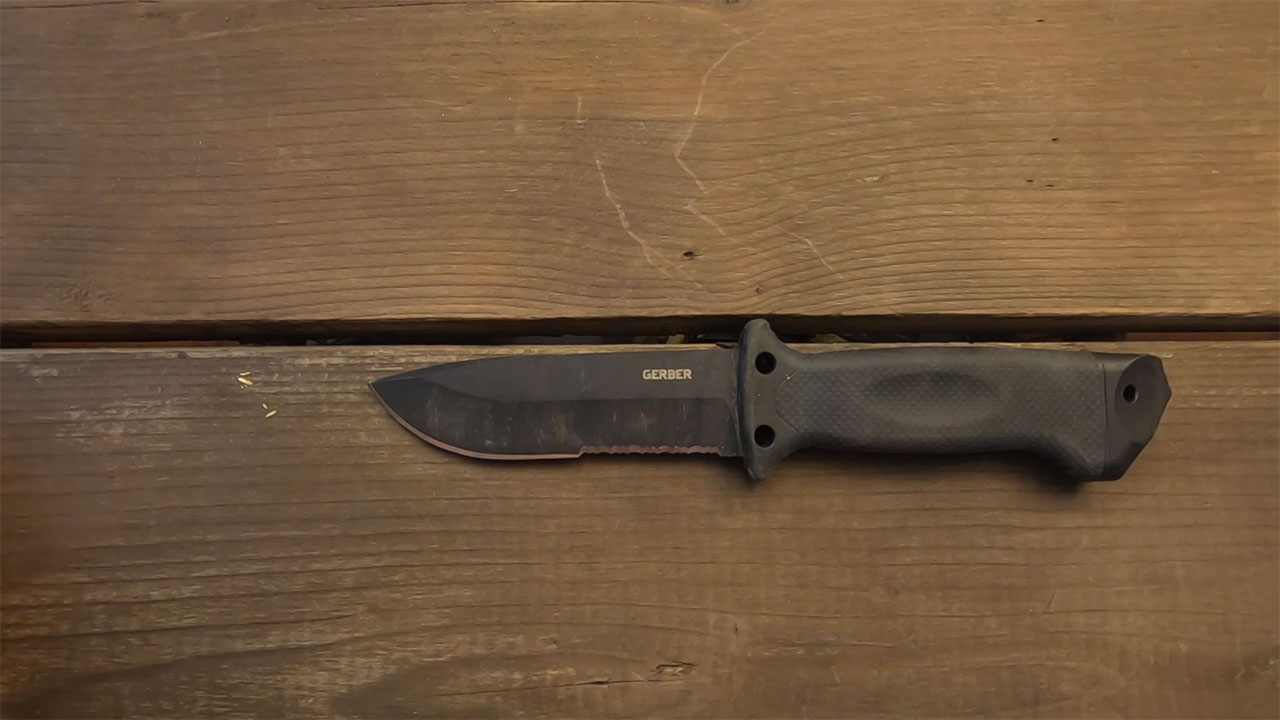
The LMF II Infantry is a real survival knife in every sense of the word. Gerber describes it as a 10-inch fixed blade with a partially serrated blade, MOLLE-compatible sheath, and built-in sharpener. That tells you exactly what it wants to be. It is a rugged field/survival tool, not a clean, efficient hunting knife.
That is why it lands here so easily. Hanging on a belt, it looks ready for anything. In real hunting use, it is bulky, overbuilt, and harder to love once you start doing normal cutting chores. Between the size, the serrations, and the survival-first layout, it feels like a knife built around a fantasy of emergency use instead of the steady, repetitive work most outdoorsmen actually ask from a fixed blade. It looks like a beast. That does not mean it is pleasant.
KA-BAR Becker BK2 Campanion

The BK2 has a loyal following, and KA-BAR openly pitches it as a knife for people who camp, hunt, and spend time afield. That sounds perfect until you remember what the BK2 really is: a thick, chunky camp knife with a hard-use personality and a MOLLE-compatible sheath. Even fans tend to talk about it like a tank.
That tank-like feel is exactly the problem for a lot of real use. On a belt, the BK2 looks serious and dependable. In the hand, especially over longer cutting sessions, it can feel like too much knife for the kind of work most hunters actually do. It is far more enjoyable splitting kindling or abusing around camp than it is doing finer game work. If your knife slices more often than it pries, the BK2 can start feeling like a crowbar that happened to get sharpened.
Gerber StrongArm
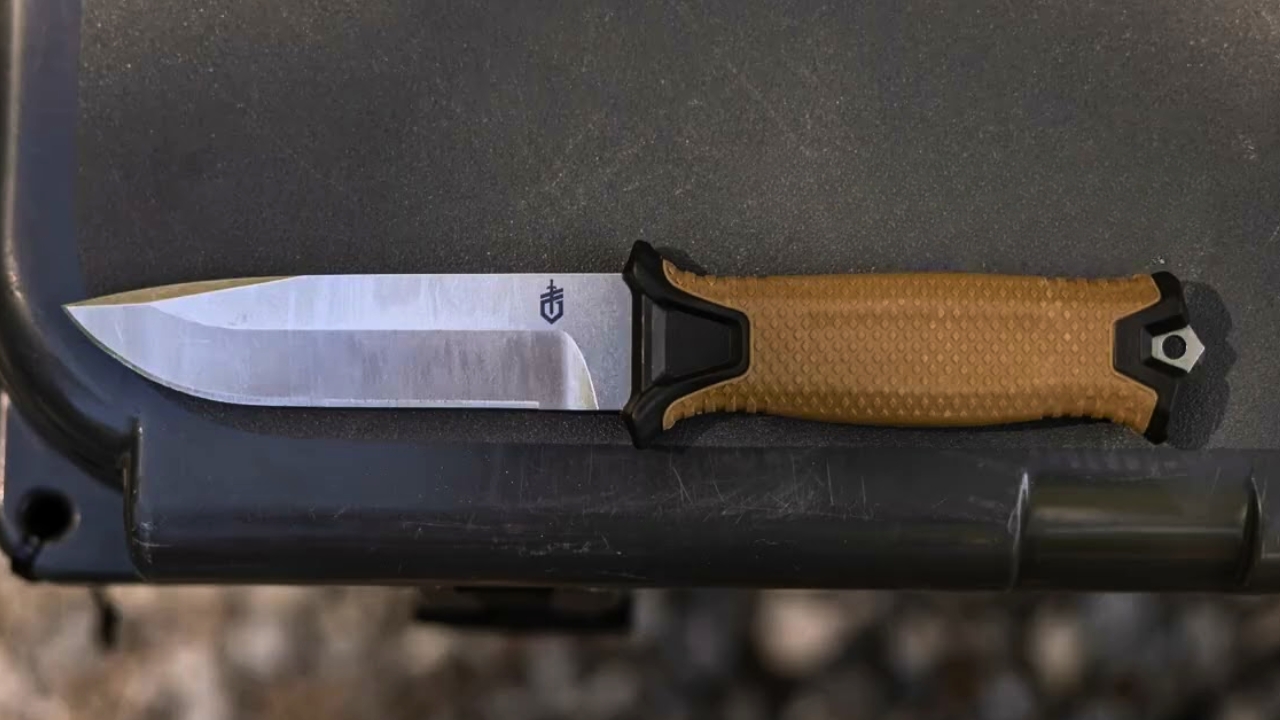
Gerber calls the StrongArm its best-selling fixed blade and leans hard into its full tang construction, 420HC steel, rubberized grip, and highly configurable MOLLE-compatible sheath system. That is a very polished pitch, and the knife absolutely looks the part hanging off gear.
The issue is that the StrongArm still feels like a tactical/camp knife first and a hunting knife second. It carries more system than most hunters need and more attitude than many cutting chores reward. It is not a bad knife. It is a knife that makes more sense for somebody who wants a rugged all-conditions field blade than for a guy trying to process game comfortably and quietly. The StrongArm photographs better than it butchers, and that is the whole point of this list.
Cold Steel SRK
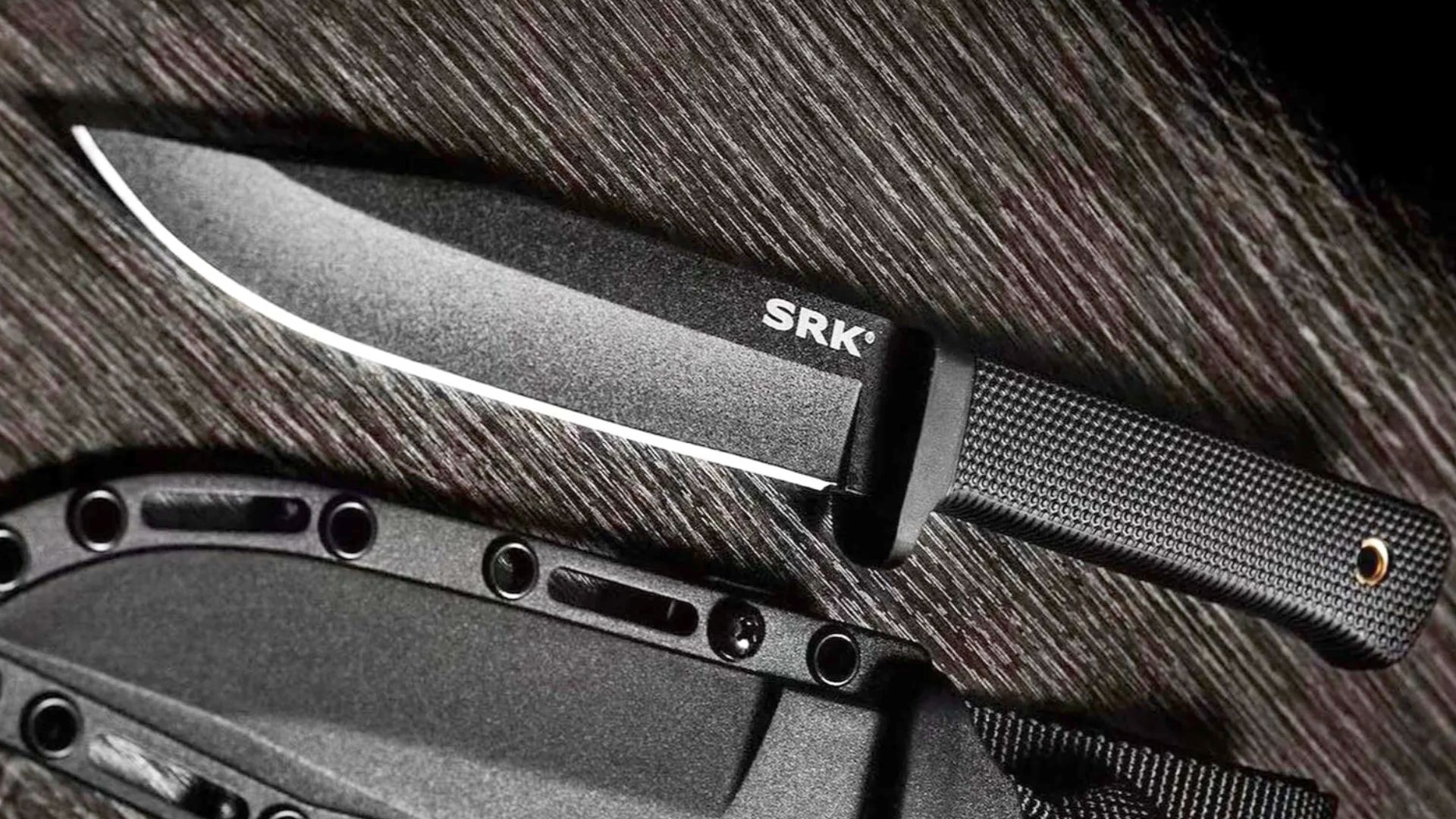
Cold Steel’s own language tells you a lot here. The SRK is marketed as a survival and rescue knife with deep roots in military and tactical circles, even being described as popular with military and law enforcement users. That is a real identity, and it is why so many guys buy one thinking they are getting the ultimate do-all fixed blade.
But that survival/tactical identity also makes it easy to overbuy if your real use is deer camp, field dressing, and normal outdoor chores. The SRK rides well enough and looks rugged, but it still leans toward a tougher, more general combat-survival profile than a true hunting knife profile. For slicing and control work, a lot of hunters will find it less natural than the hype suggests. It is one of those knives that makes you feel prepared for everything while being a little clumsy at the stuff you actually do most.
SOG SEAL Pup Elite

SOG does not hide what this knife is. The SEAL Pup Elite is described as a thick, durable compact tactical fixed blade with a spine rasp, deep finger grooves, glass-reinforced nylon handle, TiNi-coated blade, and MOLLE-compatible sheath. Again, that sounds exciting. It also tells you this knife was not born out of somebody quietly trying to build the best deer-processing tool possible.
On a belt, it checks a lot of boxes guys like. In real use, those grooves, coatings, and tactical features do not necessarily add up to comfort or cutting efficiency. The blade shape is workable, but the whole package still feels more “operator belt kit” than “knife I want in my hand for an hour of actual field work.” It is the kind of knife that sells confidence fast and then slowly starts reminding you it was designed for a different lane than the one most hunters live in.
Cold Steel Kobun
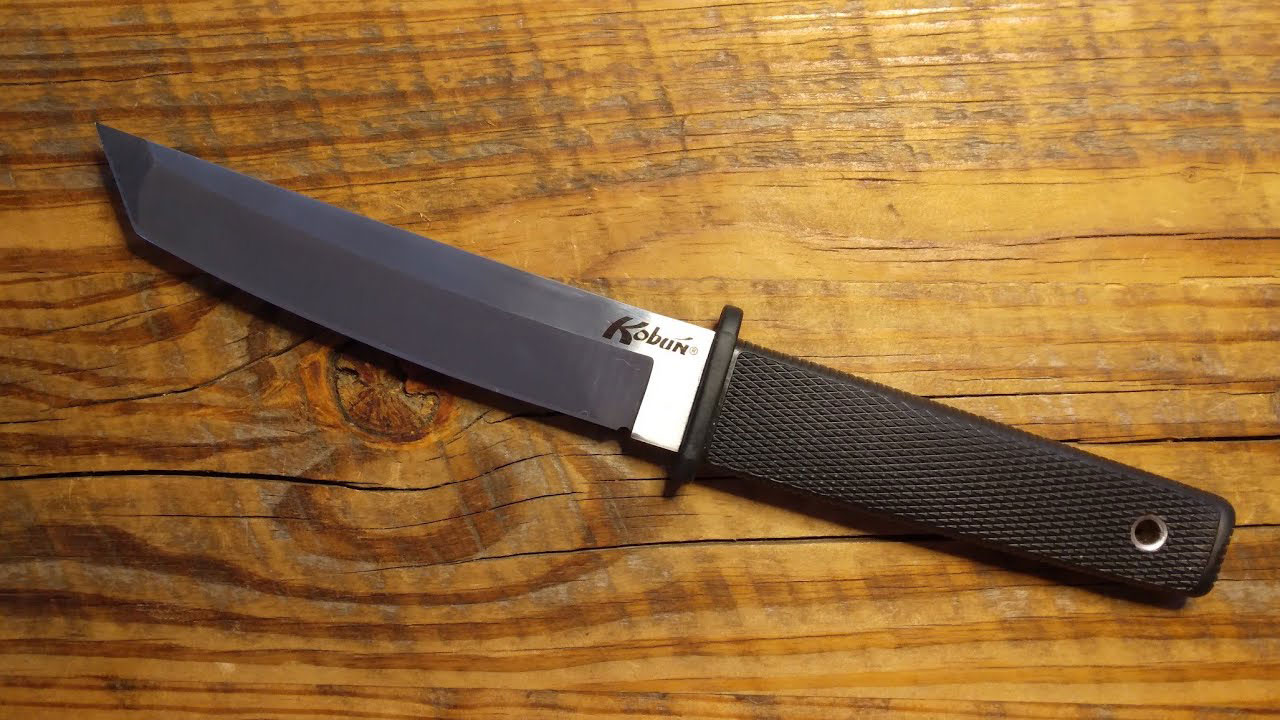
The Kobun is a lightweight fixed blade with a very distinct tanto profile, and Cold Steel openly leans into the knife’s tactical identity. That is not a criticism by itself. It is just the truth about what the knife is trying to do.
The reason it fits this article is simple: tantos keep getting carried like utility knives by people who want the look more than the geometry. The Kobun is slim, easy to strap on, and full of attitude. It also has the kind of blade profile that gets awkward fast when you ask it to do normal field knife work. It is not the knife’s fault. It is just a reminder that a design built around piercing and tactical styling is not usually the thing you want when your day mostly involves slicing, trimming, and fine control.
KA-BAR Becker BK7

KA-BAR pitches the BK7 as an all-purpose utility knife designed for soldiers and adventurers, and that says plenty. The knife is built with a bigger, broader mission in mind than most hunters need from a belt knife. It looks excellent. It also carries like a lot of knife.
That is why the BK7 belongs here. It is the kind of blade a guy buys because he wants one knife that can handle anything from camp abuse to heavy chopping to defensive fantasy scenarios. Real life usually asks for a lot less drama and a lot more control. The BK7 makes a bigger statement than most field dressing and camp chores call for, and after the cool factor wears off, plenty of users figure out they would rather have something shorter, handier, and less committed to the survival-knife image.
Benchmade Nimravus
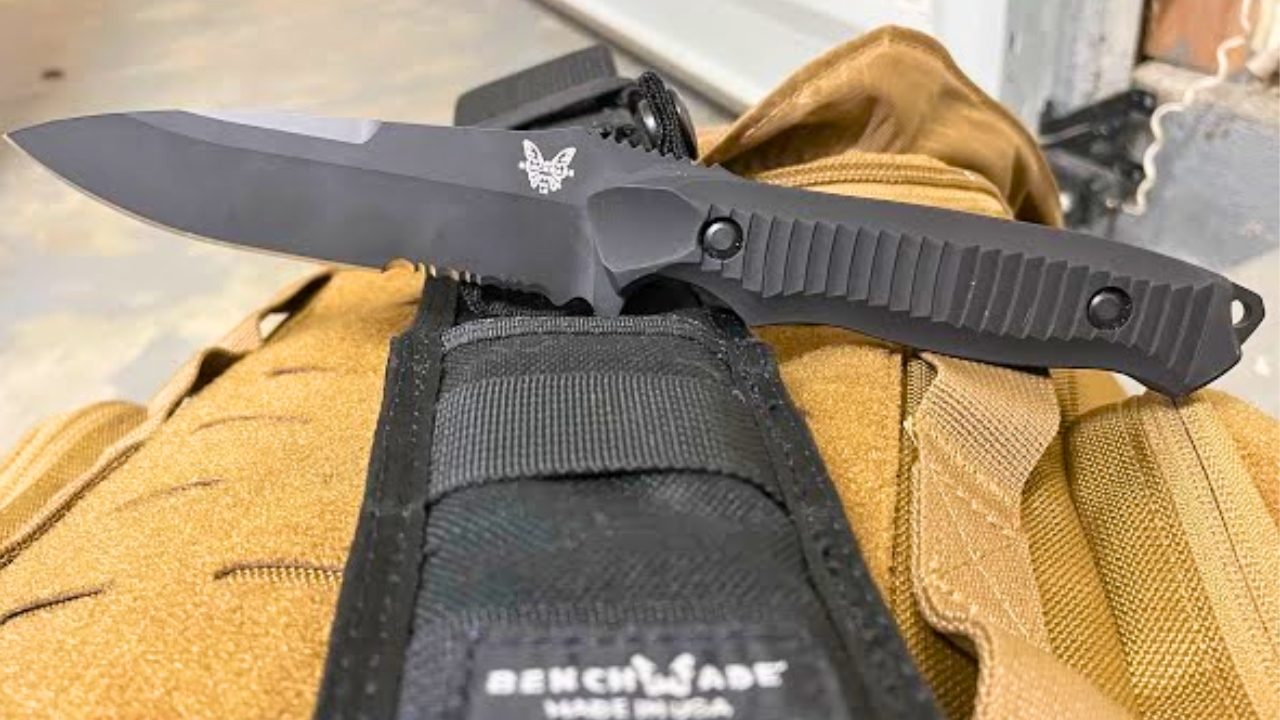
The Nimravus has been around forever for a reason, and it is far from junk. It is also a perfect example of a knife that carries a tactical look and feel many guys love even when it is not the best match for their real use. Retail listings consistently describe the fixed blade version as a coated drop point with aluminum handle scales, pronounced finger groove, thumb ramp, and MOLLE-compatible nylon sheath.
That setup looks slick and serious on a belt. In real outdoors use, metal scales and a tactical-first carry package can start feeling less charming, especially compared with more hunting-focused handle materials and simpler sheaths. The Nimravus is a capable knife, but it still leans toward the “hard-use tactical fixed blade” market, and that shows. A lot of hunters who buy one because it looks versatile eventually realize they are carrying a better-looking solution than the job really called for.
Toor Krypteia T
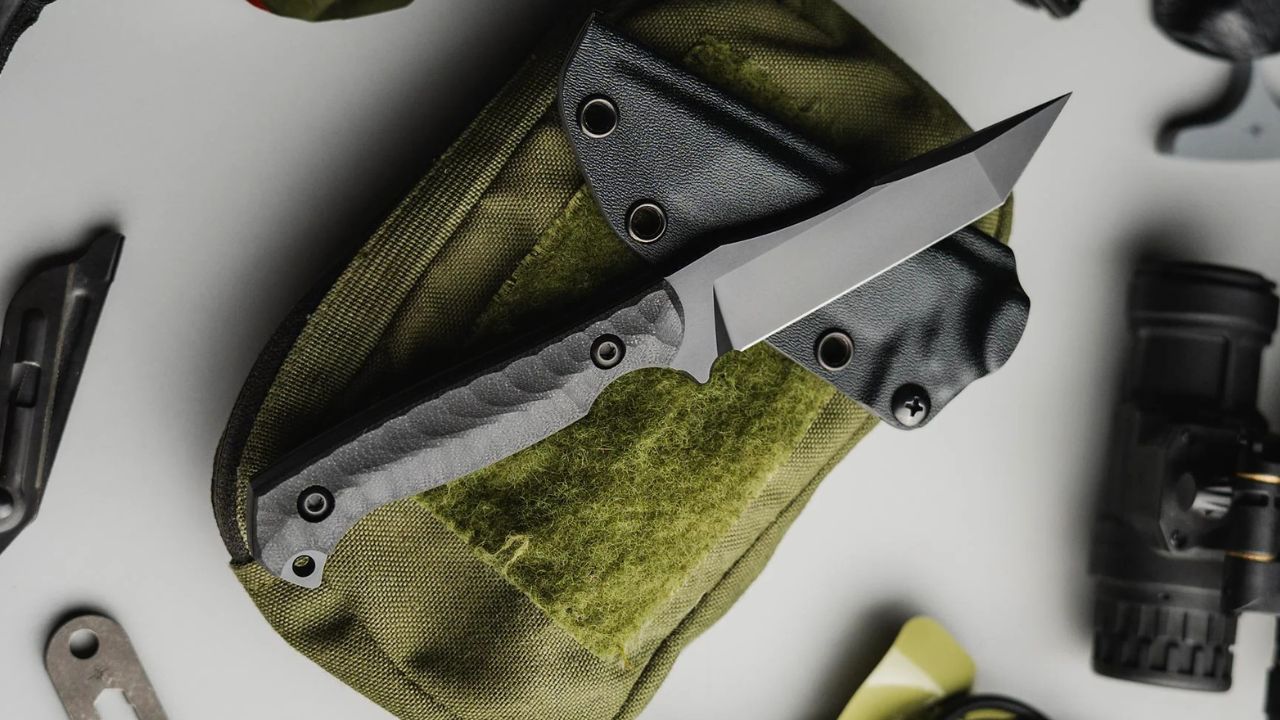
Toor describes the Krypteia T as a concealable blade with a low-profile Kydex sheath and a proven track record of versatility and protection, marketed for policing and modern operator use. That is about as direct as it gets. This is a tactical tanto built for a certain mindset and user.
That is exactly why it fits so neatly in this article. The Krypteia T looks outstanding. It rides clean. It has premium appeal. It also brings a tanto blade into a role where a lot of hunters would be far better served by a more conventional profile. If your real life involves processing game, camp food, light woodwork, and general outdoor chores, this knife asks you to adapt to it more than it adapts to you. It is a very good example of a knife that can be well-made and still wrong for the lane.
Smith & Wesson SW910TAM
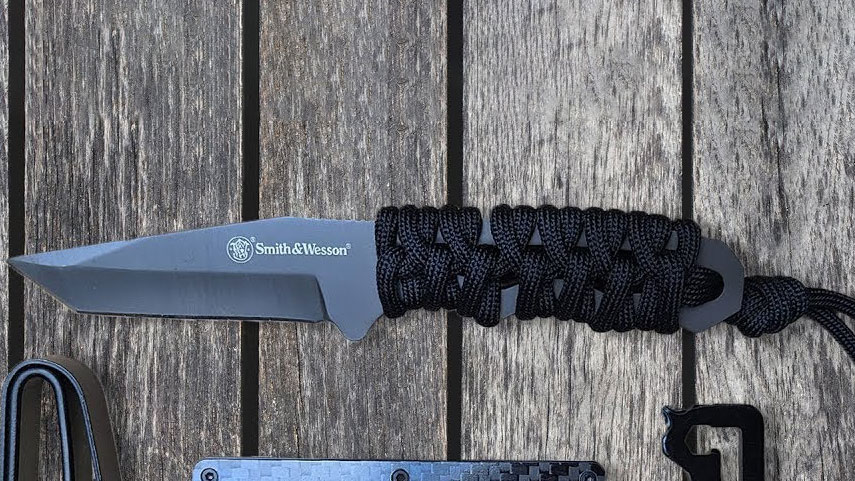
This one is almost too easy. Smith & Wesson’s own listing describes the SW910TAM as a small fixed tanto with a paracord handle, sheath, and chain for neck carry. It is lightweight, compact, and cheap enough that a lot of people grab one because it looks like a handy little backup blade with attitude.
The problem is that you are stacking multiple compromises at once. You get a tanto edge, a cord-wrapped handle, and a tiny neck-knife format all in one package. That may be fine for a backup blade or novelty carry, but it is not a knife most outdoorsmen will enjoy using for real, sustained work. It is one of those models that sells the idea of preparedness much better than it delivers comfortable, capable field use. Fun little knife to own maybe. Not the one I’d want to rely on.
Cold Steel OSS
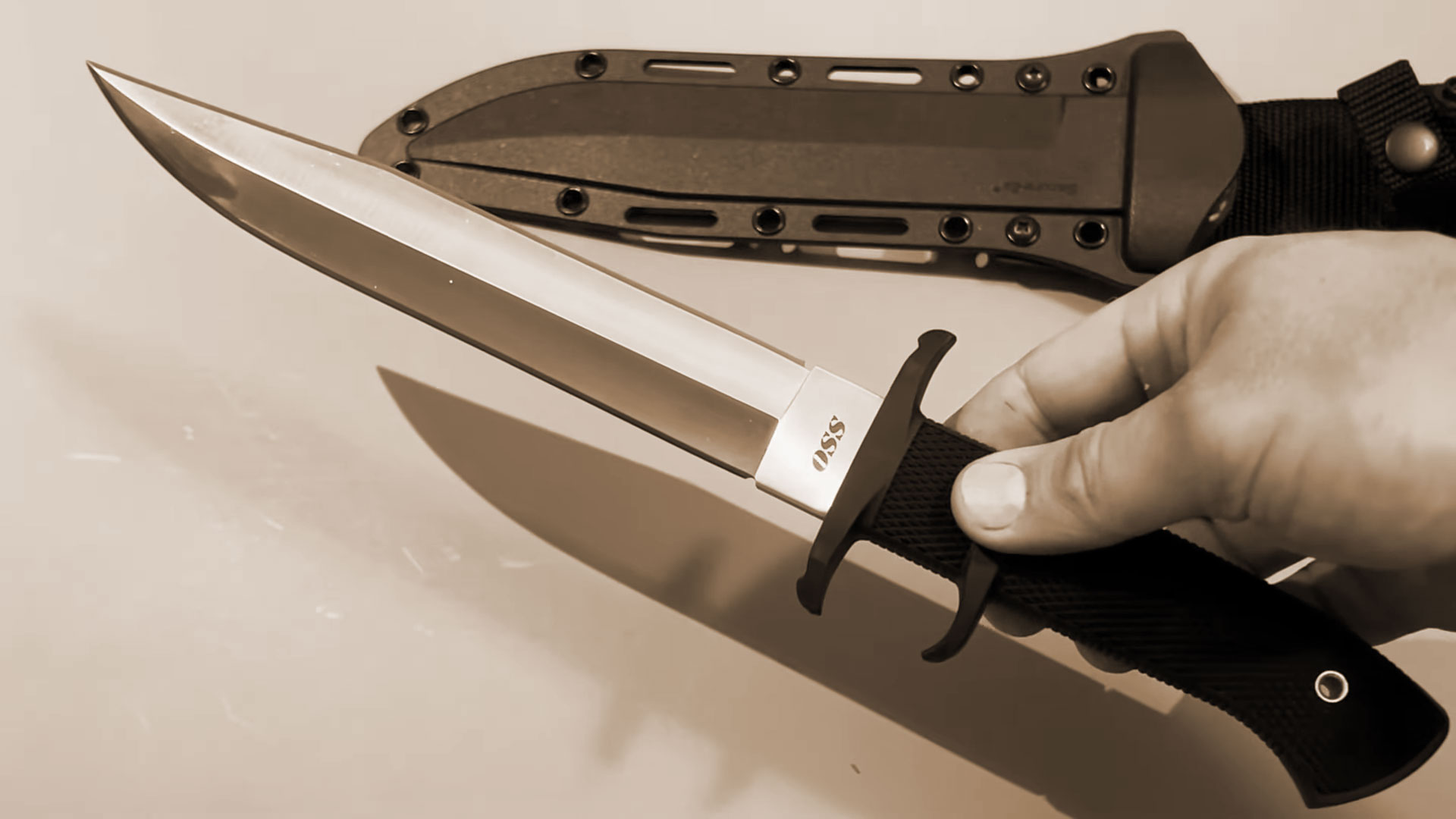
The OSS is a dedicated double-edged fighter, and Cold Steel’s listings and dealer pages make that pretty obvious. It is balanced, aggressive, and built around a role that is not normal hunting or camp work.
That is the whole issue. A double-edged dagger looks fantastic on a belt and carries serious presence, but it makes ordinary outdoors use clumsier than it needs to be. You lose the easy thumb placement and controlled choke-up options that make real utility work smoother and safer. The OSS is cool, no question. It is just the wrong kind of cool for a guy who mostly needs one good edge and predictable control. As a conversation piece, it is strong. As an everyday field knife, it gets old fast.
Buck 124 Frontiersman
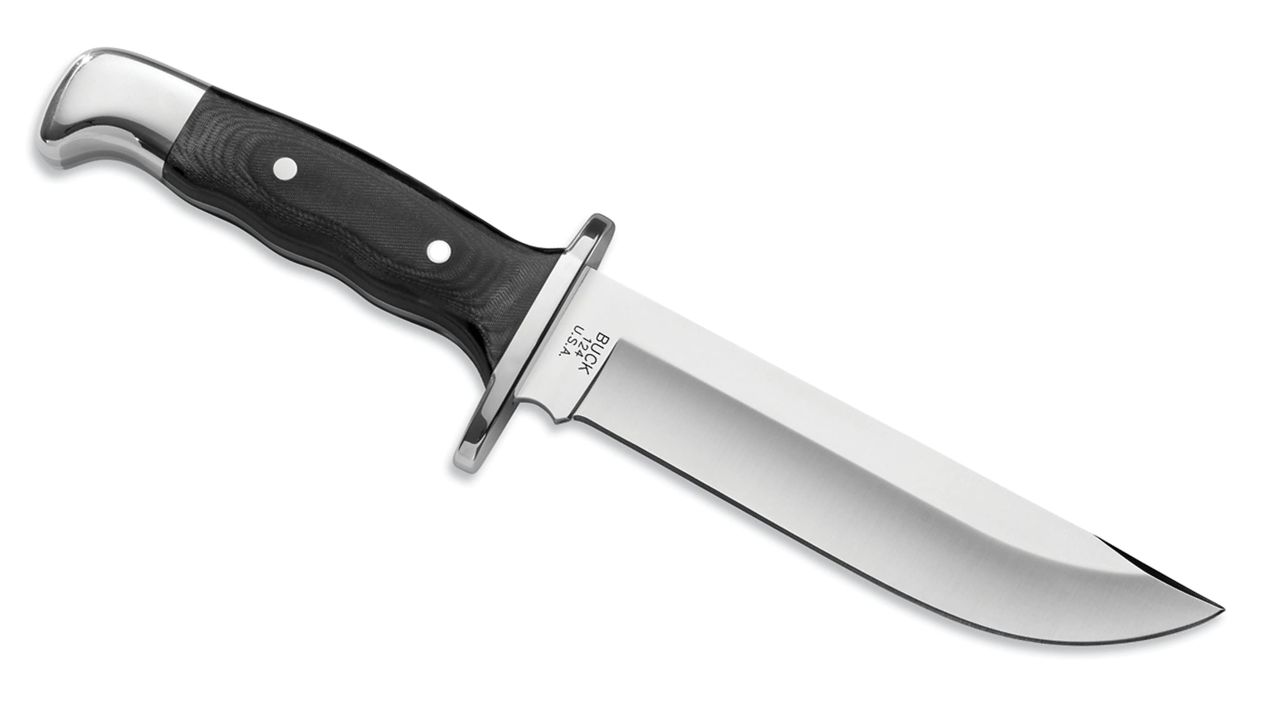
Buck calls the 124 Frontiersman a classic Bowie that still performs today, and that is fair. It is a long, traditional fixed blade with a leather sheath and a strong visual presence. This is exactly the kind of knife that makes a man think of campfires, old-school hunting camps, and broad-shouldered belt carry.
That same classic Bowie appeal is also what gets guys in trouble. The 124 is a lot of blade for most hunting chores, and that matters more once the work turns precise. It is not that the knife is bad. It is that a big Bowie asks you to carry and control extra knife all day when most real cutting does not need it. The Frontiersman wins style points easily. It just proves, again, that a knife can be iconic and still be more pleasant to admire than to live with.
Buck 119 Special

This one needs a little respect because the 119 is a legitimate classic, and Buck has every right to call it a longtime favorite of hunters and outdoorsmen. It is not here because it is a poor knife. It is here because a lot of people still buy it as a default belt knife without asking whether they actually want that much blade on them for all-around real use.
The 119 wears the old-school hunting image beautifully, and plenty of hunters use it well. But it is also a knife that gets chosen for tradition and look as much as for practical fit. For many guys, especially those wanting a nimble all-around belt knife, the 119 ends up being more blade than necessary and less handy than something shorter. It is proof that even a good knife can be “miserable in real use” for the wrong user if the appeal is mostly emotional and not based on how he actually cuts.
Ontario SP10 Raider Bowie
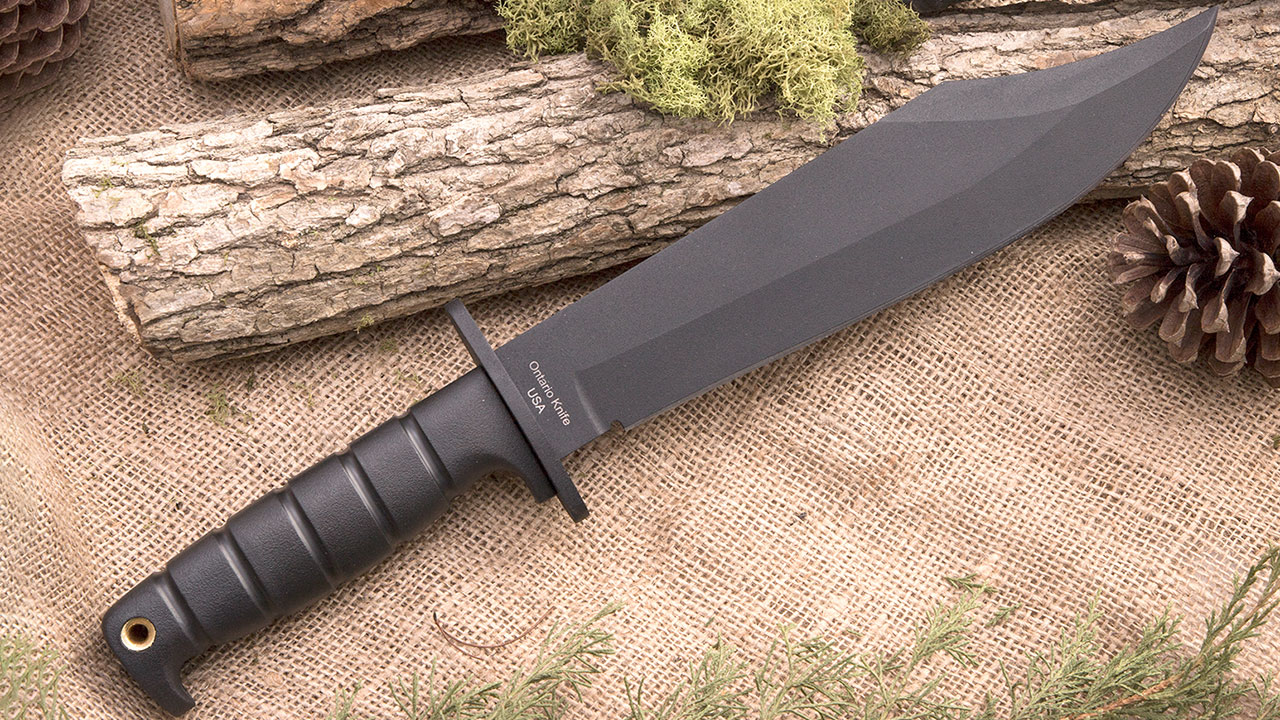
The SP10 Raider Bowie is another giant statement blade. Dealer listings put it around a 9.75-inch Bowie blade with thick stock, coated carbon steel, Kraton handle, and nylon sheath, and the design screams survival/hard utility more than everyday field use.
That is exactly why it lands here. Hanging off a belt, it looks like the kind of knife that can do absolutely anything. In practice, it is a huge slab of blade that asks a lot from the user when the work turns normal and repetitive. For clearing brush or indulging your inner movie extra, sure. For the kind of cutting most hunters and campers actually do, it is oversized in a way that gets tiring. Big Bowies have their place. Most men just imagine that place is larger than it really is.
CRKT Hissatsu Fixed Blade
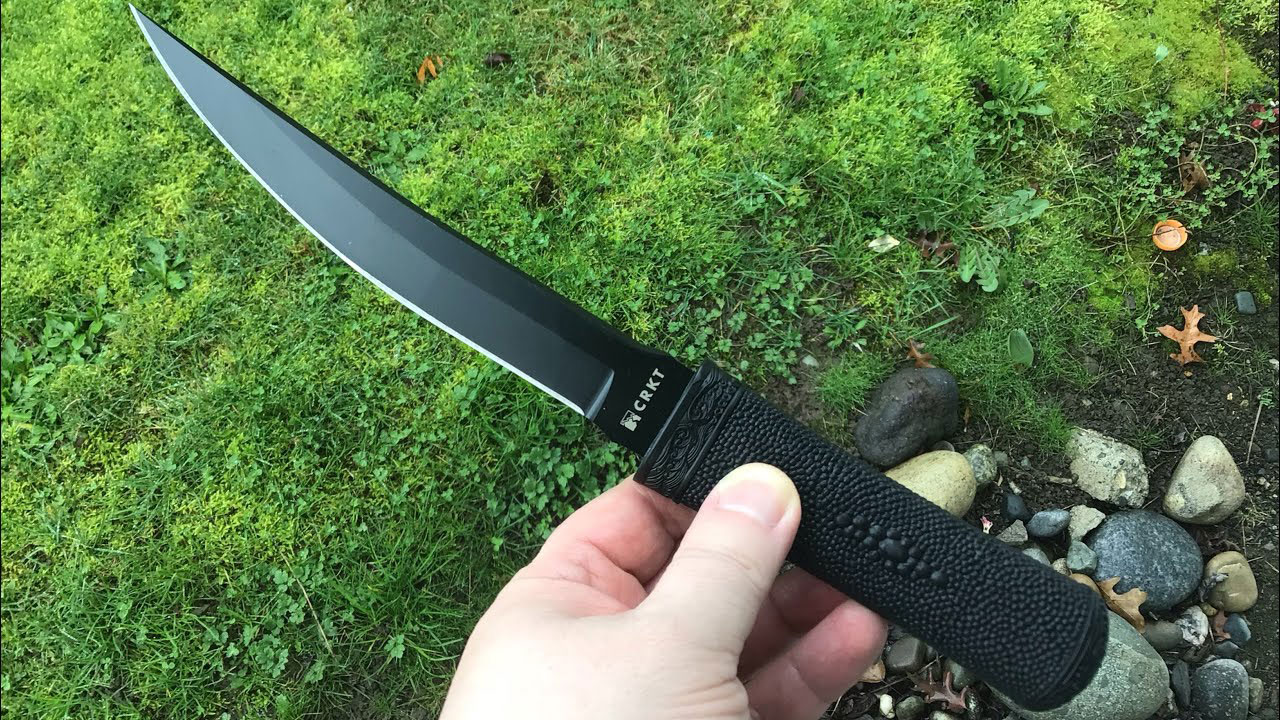
The Hissatsu is a purpose-built tactical knife built around a Japanese-inspired fighting profile, and even third-party retail descriptions lean heavily on its anti-terror/CQB identity. Nobody should look at this knife and mistake it for a practical hunting design.
Still, knives like this keep getting bought because they look sharp, different, and serious on a belt. Then real use happens. That narrow, aggressive shape might be excellent inside its intended lane, but general camp chores and hunting tasks are not that lane. The Hissatsu is all commitment. It is a focused blade sold to people who often think “focused” means “better.” In actual outdoors work, it usually means “more awkward.” This is one of the clearest examples of a knife being absolutely true to itself and still being a poor match for most users.
Like The Avid Outdoorsman’s content? Subscribe to our newsletter so you never miss an article.
Here’s more from us: