

Photo credit: SPN Firearms/YouTube
Not every firearm billed as a “trail gun” is cut out for actual trail use. Some look good on paper or feel nice at the range, but when you’re deep in the woods and need something reliable, they just don’t hold up. Whether it’s poor durability, weak calibers, or frustrating design flaws, these guns can let you down when it matters most. Here are the ones you might want to leave at home.
Taurus Judge

The Taurus Judge sounds great—shotgun shells and .45 Colt in one package. But in the real world, it’s more gimmick than go-to. It’s bulky, heavy, and the rifling isn’t great for either round.
Carrying it on the trail can feel like dragging around a brick. Accuracy is so-so, and shotshells don’t do well beyond a few feet. It’s fun at the range, but there are better options when your safety’s on the line.
KelTec PMR-30
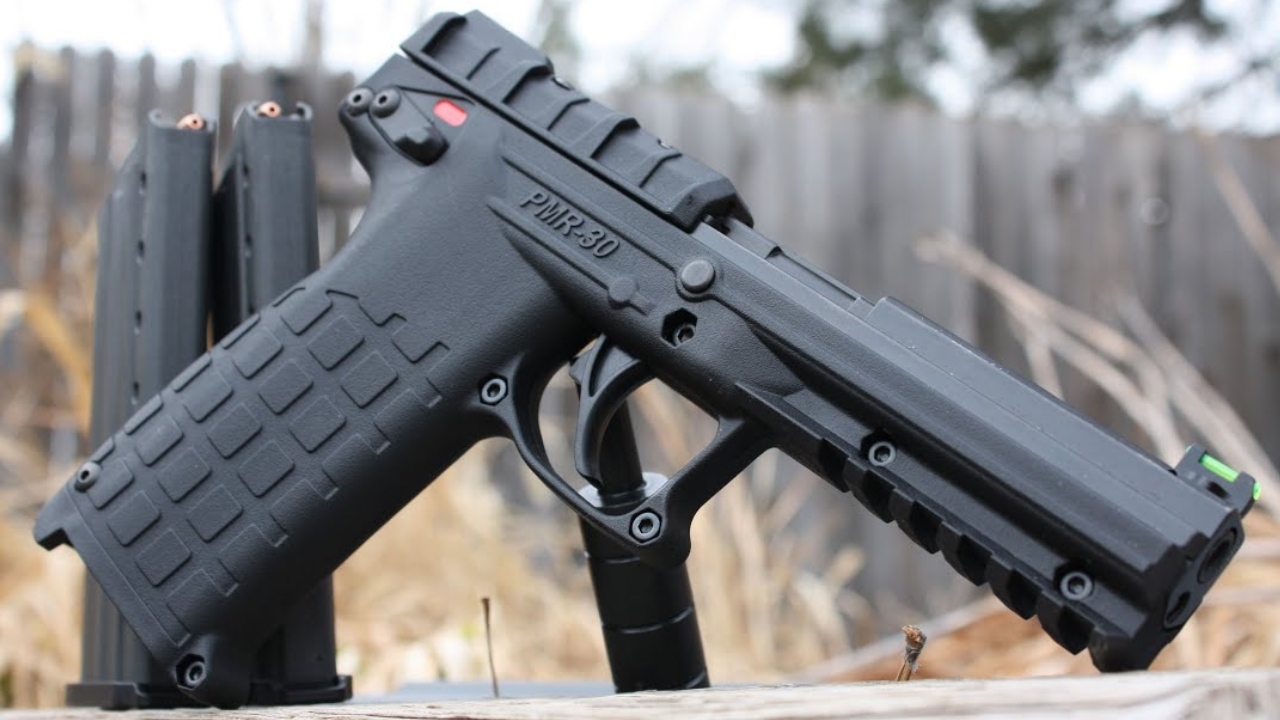
On paper, 30 rounds of .22 Magnum sounds perfect for the trail. But the PMR-30 has a track record of finicky reliability. Light strikes, feeding issues, and mag seating problems aren’t uncommon.
It’s lightweight and flashy, sure, but that doesn’t matter when it chokes halfway through a mag. In remote areas, you want something you can trust every time you pull the trigger—this one might not be it.
North American Arms Mini Revolver

Yes, it’s tiny. Yes, it fits in your pocket. But the NAA Mini Revolver in .22 is more of a novelty than a dependable trail companion. Reloading it takes forever, and the grip is barely usable.
In a pinch, it’s better than nothing, but it’s a poor choice for anything beyond snakes or super-close-range pests. There’s no real confidence in a gun you can lose in your coat lining.
Ruger LCP II in .22 LR
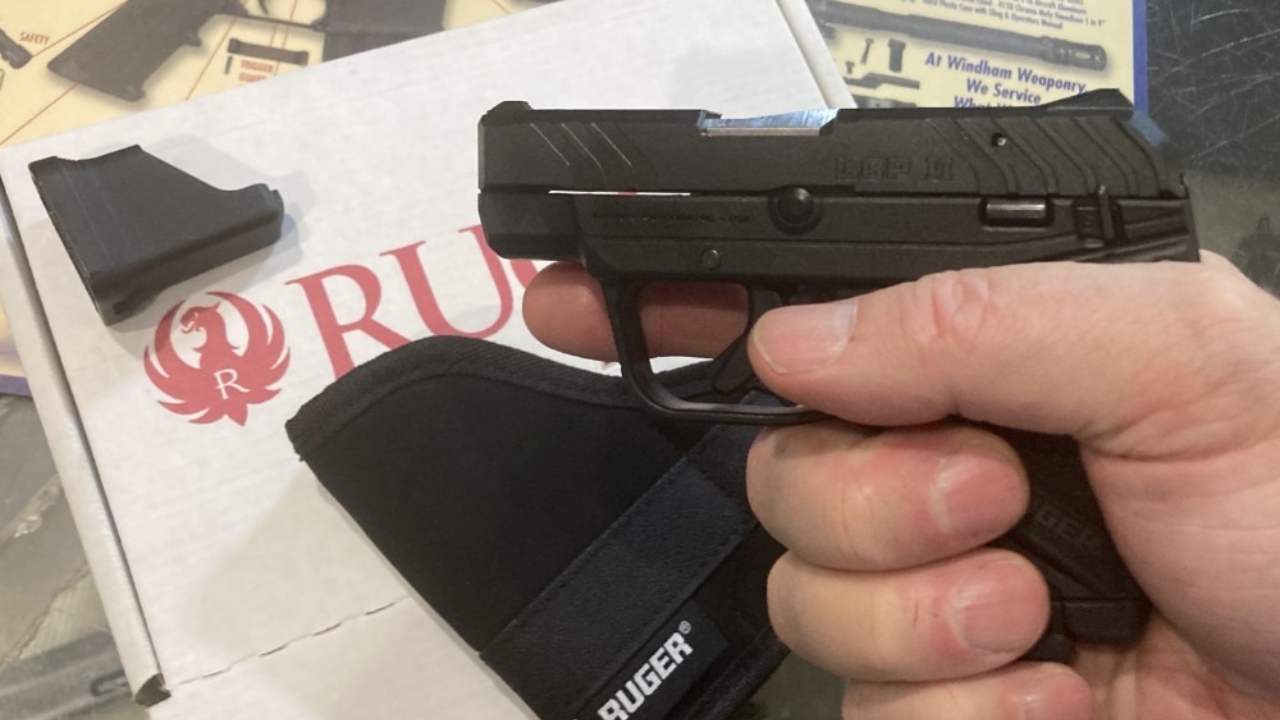
Ruger’s LCP II in .22 LR is a handy little pistol—until it isn’t. Semi-auto rimfires tend to struggle, and this one’s no exception. Even with quality ammo, stovepipes and light strikes are frequent.
Its size makes it easy to carry, but you might be trading peace of mind for convenience. If your trail gun can’t handle a little dirt or grit, it’s not worth betting your safety on.
Heritage Rough Rider

This .22 revolver looks the part and won’t cost much, but it’s not really built for serious use. The safety lever is awkward, and the fixed sights aren’t great. It also takes forever to reload.
It’s fine for casual plinking, but it’s not something you’ll want to rely on in a pinch. Durability and speed matter more than nostalgia when you’re miles from help.
Chiappa Rhino

The Rhino is different, no doubt. But that low bore axis and futuristic look come with issues. The trigger can be inconsistent, and some users report reliability problems with certain loads.
It’s also heavier than it looks and awkward to carry. If you’re deep in the backcountry, you want something that’s proven under pressure—not something that gets looks at the range.
Smith & Wesson Bodyguard .380

This one gets tossed around as a good carry or backup gun, but for trail use? Not ideal. The .380 round is on the weaker side, and the Bodyguard’s small frame makes follow-up shots harder than they should be.
The long trigger pull doesn’t help either. When you’re dealing with unpredictable situations outdoors, you want stopping power and shootability—this lacks both.
Glock 44

Glock finally made a rimfire, and it’s… okay. But “okay” doesn’t cut it in the woods. The Glock 44 has been hit or miss with reliability, especially with bulk .22 ammo, and it’s picky about magazines.
If you’re already carrying something Glock-sized, why not make it a centerfire with real stopping power? This one’s fun for training, but not dependable enough for trail work.
Bond Arms Derringer
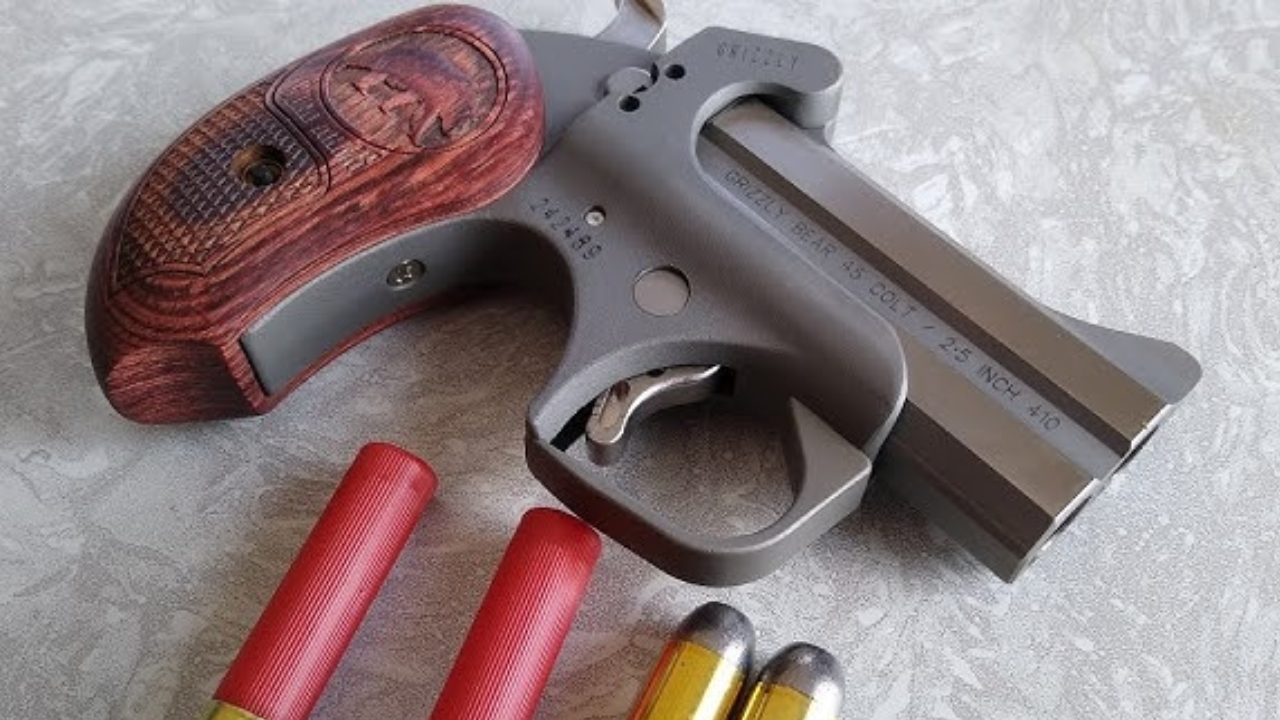
Bond Arms derringers look tough, but functionally, they’re slow, heavy, and hard to shoot well. Two shots and you’re fumbling with a reload that takes ages under stress.
They’re also heavier than they appear and awkward to draw from most holsters. It’s more of a range toy or backup novelty—not something you’d reach for when things go sideways on the trail.
Walther P22

The Walther P22 is another rimfire that feels great in hand but doesn’t always deliver when you need it most. Feeding issues are common, and it’s picky about ammo and maintenance.
It’s fun for casual use, but it doesn’t inspire confidence. A trail gun should be simple, rugged, and ready to go when you are—this one asks for more attention than it should.
*This article was developed with AI-powered tools and has been carefully reviewed by our editors.


