Image Credit: Fercast/ Shutterstock.
A good knife isn’t about looks or brand names—it’s about what it can actually do when you need it. Whether you’re field dressing a deer, cutting rope, or making a quick shelter, your knife needs to pull its weight. If it can’t handle the basics without falling short, it has no business riding in your pocket or pack.
Here’s what every knife should be able to do before you even think about carrying it—and if yours can’t check these boxes, it’s time for an upgrade.
Hold a Sharp Edge Through Real Use
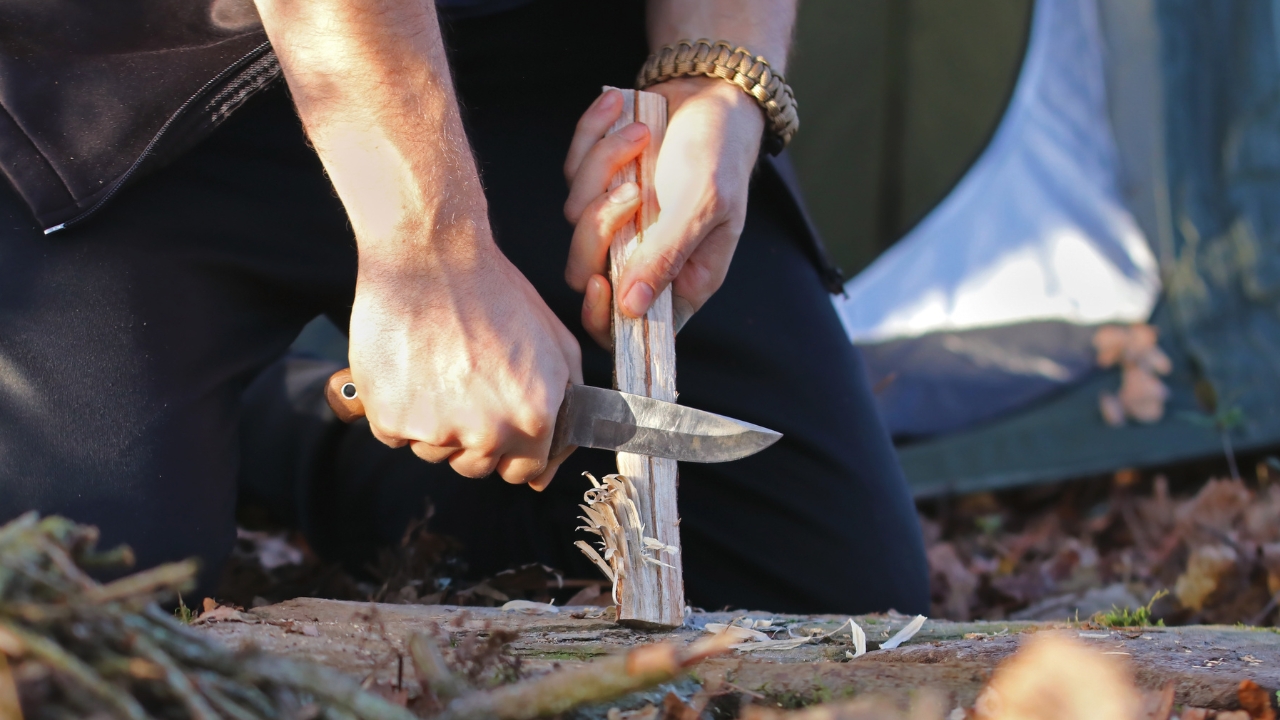
If your knife goes dull halfway through dressing a deer or fizzles out after slicing a few branches, it’s not worth carrying. Edge retention isn’t a luxury—it’s a requirement. You shouldn’t need to reach for a sharpener after every job.
The steel should stay sharp through regular use—wood, hide, rope, even the occasional bone. If you’re spending more time sharpening than cutting, your knife’s failing you. Quality steel and a proper heat treat make all the difference.
Take a Beating Without Breaking
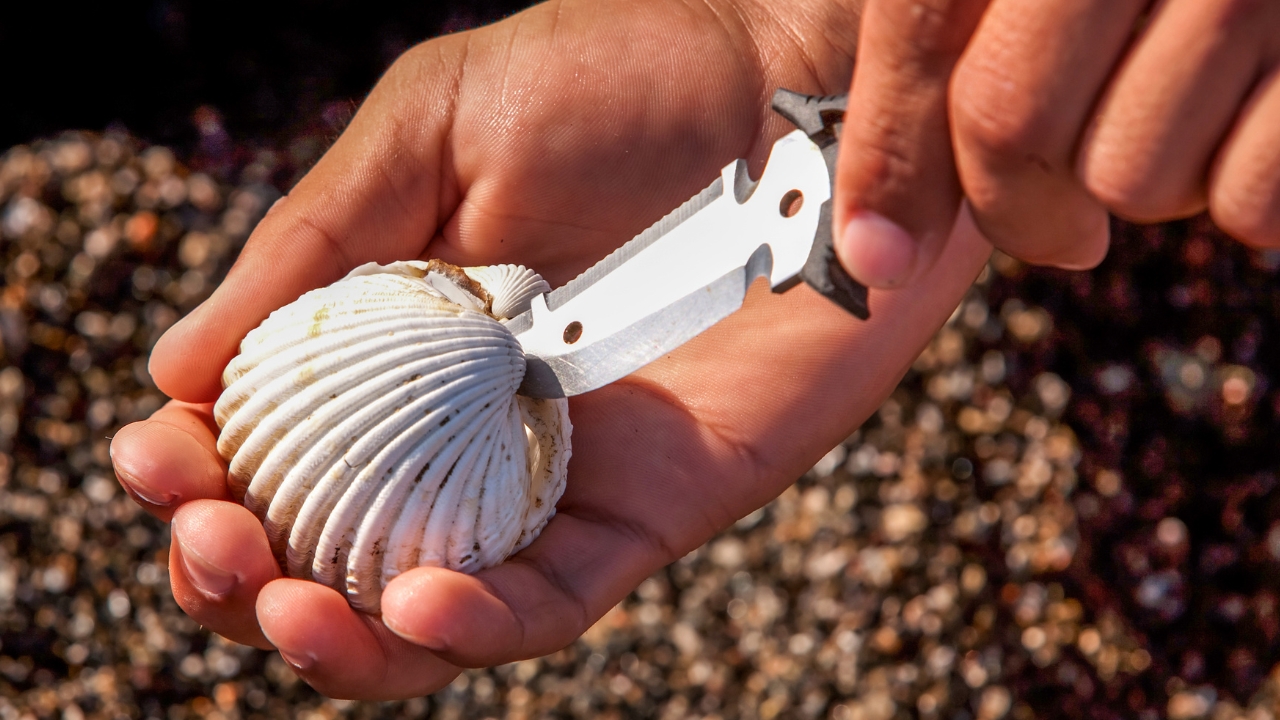
A knife doesn’t live in a glass case—it gets dropped, twisted, and used for jobs it probably wasn’t meant for. If the blade chips from batoning wood or the tip snaps during a simple pry, that knife’s not tough enough for real use.
Durability matters more than most folks admit. You need a knife that can handle hard use without flinching. If you’re worried about it breaking, leave it at home—it’s not the one.
Lock Up Solid (If It Folds)

Folding knives are handy, but only if they lock up like they’re supposed to. A sloppy lock or weak mechanism turns a useful tool into a hazard fast. If the blade wiggles, rattles, or gives under pressure, you’re asking for stitches.
You should be able to apply pressure—forward, backward, and sideways—without worrying about it giving out. A good lockup feels secure. If it doesn’t, it’s not a knife you want in your hand when things get serious.
Get Razor Sharp Without a Fight
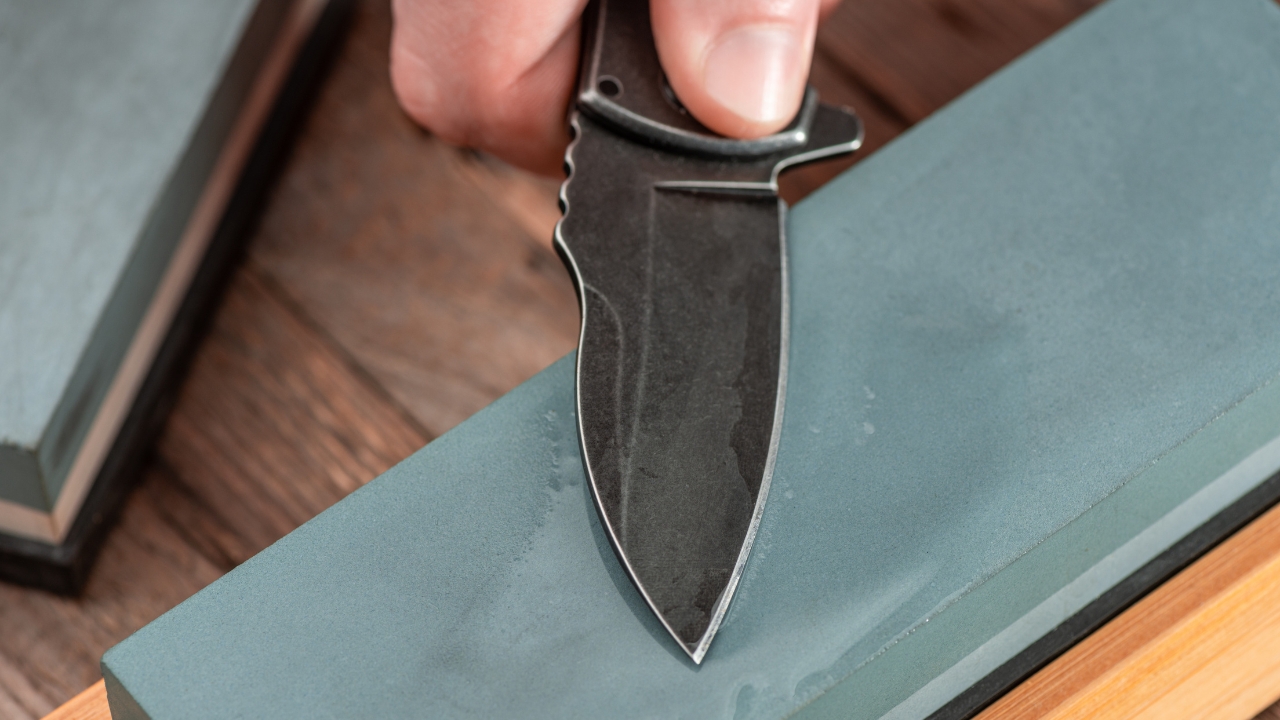
Even the best blades need sharpening eventually. But if your knife takes an hour and a prayer to get back to working condition, it’s not doing you any favors. You should be able to put an edge on it with basic tools and some patience.
Some steels are too hard to sharpen in the field, and some factory grinds are just plain bad. A knife that won’t take an edge quickly and cleanly isn’t worth keeping around.
Cut Clean Through Tough Material
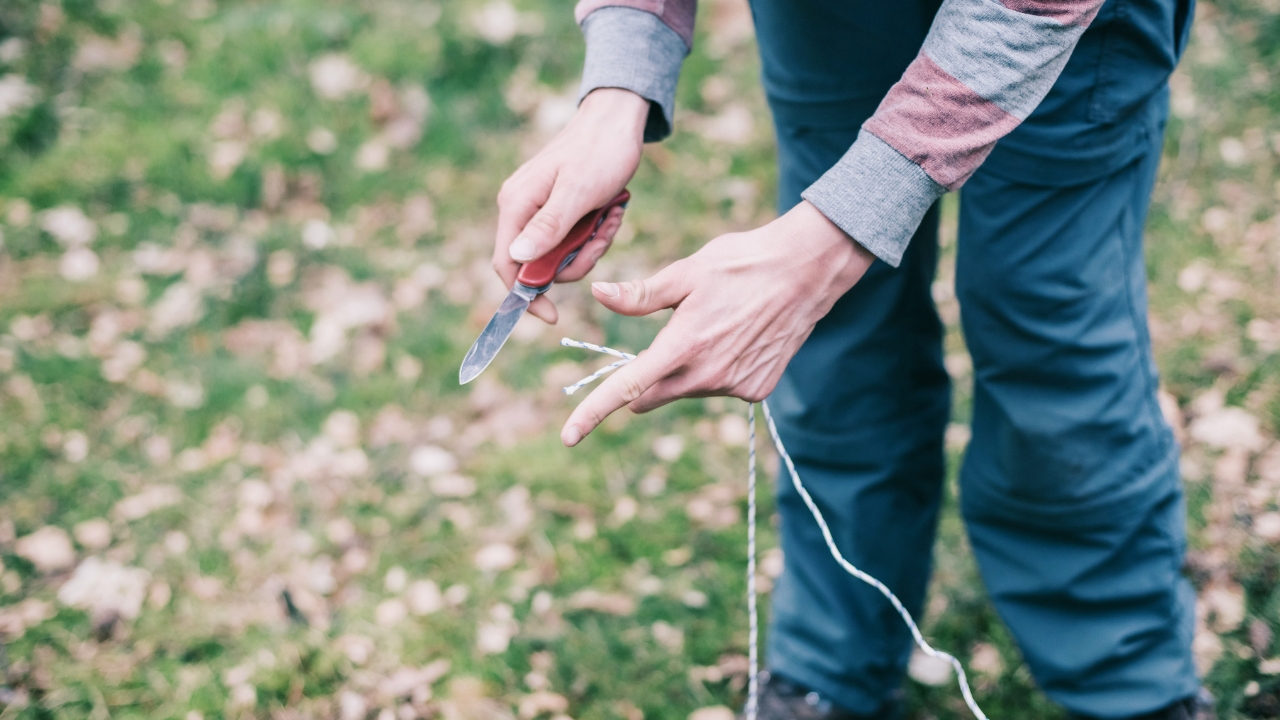
If you can’t slice paracord clean, shave feather sticks, or open thick packaging without sawing like a maniac, your blade geometry’s wrong—or it’s just dull. A good knife should cut like it means it, not struggle through the basics.
Check your grind and edge angle. A well-designed knife should bite in and slice smooth, even with moderate pressure. If you’ve got to force it every time, the design or the steel’s letting you down.
Handle Well in Wet or Cold Conditions

When your hands are cold, wet, or gloved, your knife still needs to work. Slippery handles and poor ergonomics are dangerous. A good knife should feel secure and controllable no matter the conditions.
Look for a solid grip design—textured scales, finger grooves, or contours that keep it planted in your hand. If your knife feels sketchy in the rain or hard to control in gloves, it’s not suited for real-world use.
Handle Field Dressing Without Trouble
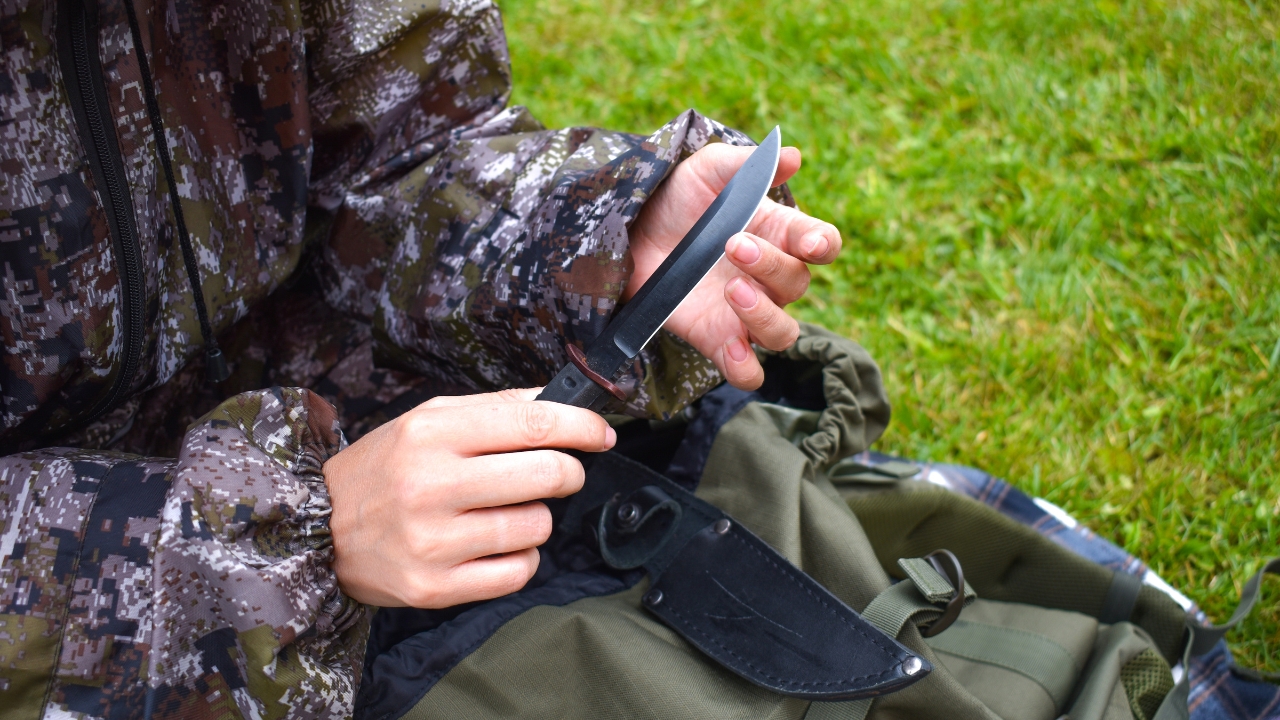
A knife that can’t process game cleanly has no place in your hunting kit. You need a blade that can separate hide, muscle, and bone without turning the job into a struggle. If it tears or snags more than it slices, it’s working against you.
The right blade shape, sharp point, and a controllable handle make all the difference. You want something that feels precise and dependable when you’re elbow-deep in a deer. If it doesn’t help you work fast and clean, it’s not the right tool.
Open One-Handed
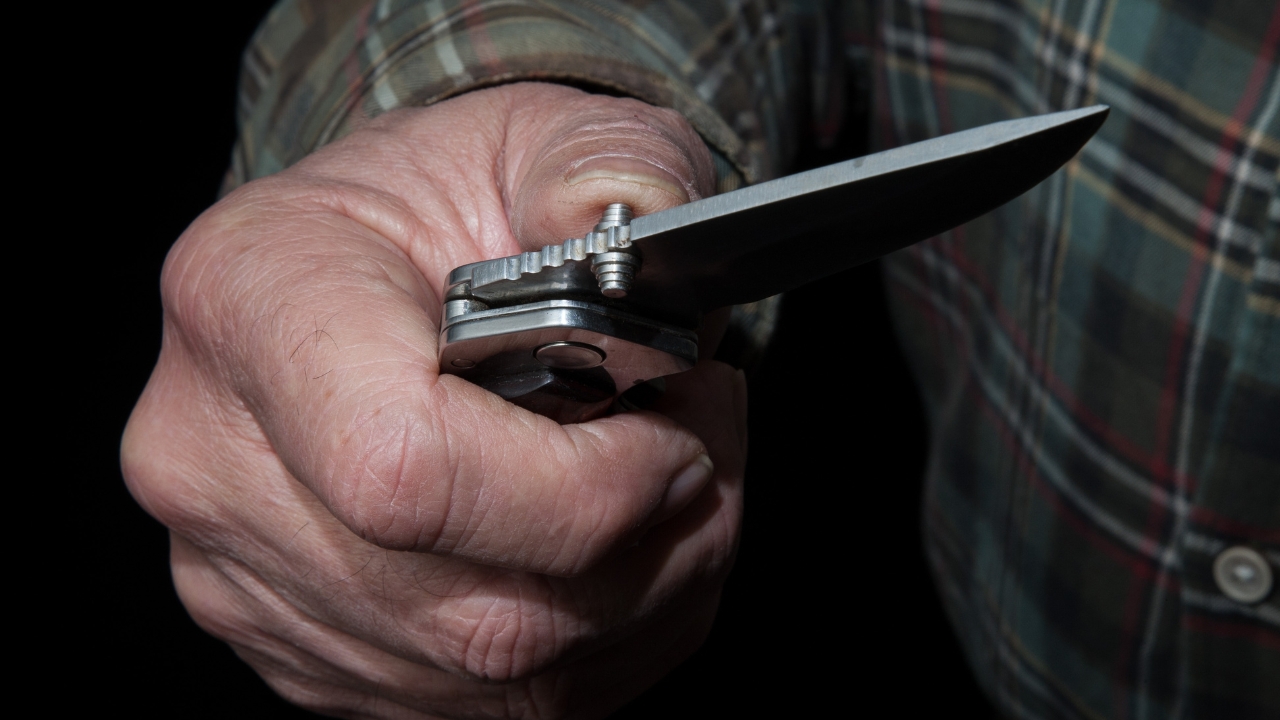
If it takes two hands and a wrestling match to open your knife, it’s going to be useless when speed matters. One-handed opening isn’t about looking cool—it’s about being ready. Whether you’re tangled in rope or have one hand full, you need that blade out fast.
Thumb studs, flippers, or nail nicks—it doesn’t matter how it opens, so long as it works reliably. If your knife fumbles when you need it most, that’s a liability you don’t need.
*This article was developed with AI-powered tools and has been carefully reviewed by our editors.