
Photo credit: Pocketknife collector/YouTube
Pocketknife collecting isn’t like buying a new blade off a shelf. The stuff collectors chase is usually tied to a specific era, tang stamp, factory, or short production window—and condition matters more than most people realize. Two knives that look “about the same” to a casual buyer can be worlds apart to someone who knows stamps, shields, grinds, and what original parts are supposed to look like. That’s why the truly sought-after pocketknives don’t stay available for long when they pop up in clean shape with the right markings and the right fit.
The other thing collectors learn fast is that “rare” doesn’t always mean “old.” Some of the hardest knives to track down are newer sprint runs or limited batches that disappeared the moment they hit dealers, then got tucked away. The common thread is scarcity plus demand—either because the knife represents a peak era of a brand, a special pattern that doesn’t show up often, or a run that serious collectors already know to grab immediately.
Case “Tested” era knives with clear tang stamps
Case knives from the “Tested” era are a big deal because they represent a time period collectors respect for materials, patterns, and workmanship, and the tang stamp is everything. A clean stamp, correct pattern, solid snap, and honest wear can make one of these a centerpiece. The reason collectors chase them is simple: they’re old enough to carry history, common enough to be recognizable, and scarce enough in truly clean condition that you don’t just trip over them at every show.
The trap is that there are plenty of beat-up examples and plenty of “cleaned up” knives that look better than they should. Collectors want crisp stamps, correct shield placement, and blades that haven’t been ground down to nubs. If you see one that checks those boxes, it’s usually not sitting there long.
Remington “Bullet” knives in original condition
Remington Bullet knives are one of those pieces that even non-collectors recognize, and that recognition drives demand. When you get into the details—original blades, correct etches, proper jigging, intact shield, good snap—clean examples become genuinely hard to find. These aren’t just “old Remingtons.” They’re a specific slice of Remington pocketknife history that people chase because it’s iconic, and iconic knives get picked over fast.
What real collectors watch for is originality. Blades that were heavily polished, replaced parts, or sloppy sharpening can kill interest. A Bullet knife that still looks like it lived a normal life instead of being “restored” within an inch of its life is the kind of thing collectors will travel for.
Schrade Walden USA patterns that still have strong snap
Schrade Walden knives are a sweet spot for collectors who like old American production, classic patterns, and knives that were made to be used. The challenge is that a lot of Schrade Waldens were actually used hard, which means finding one with tight walk-and-talk, solid snap, and no major blade loss can take time. Collectors hunt them because the brand and era mean something, and because a clean Schrade Walden still feels like a “real” knife in hand.
The details that matter are usually mechanical. Does it open and close like it should? Are the blades centered? Is there wobble? Has someone peened pins or sanded handles? A Schrade Walden that’s mechanically crisp, not just “shiny,” is what serious collectors grab.
Queen Cutlery winterbottom bone and early premium runs
Queen has a reputation among collectors for certain materials and runs that hit a quality level people still talk about. Winterbottom bone is one of those handle materials that draws eyes immediately, and when you combine that with a pattern collectors already like, you end up with knives that don’t stay available long. These aren’t always “rare” in the museum sense, but clean examples from the right window can be tough to land because they get snapped up quickly.
Collectors also watch for correct fit and finish and the “feel” of a good Queen—tight, clean, and consistent. The market is full of knives that look good in photos but feel sloppy in hand. The Queen pieces people really chase are the ones that still feel like a premium knife when you work them.
Great Eastern Cutlery limited runs that disappeared instantly
GEC is the modern answer to “why is this thing impossible to find?” Some runs sell out fast, then the knives vanish into collections. Certain patterns, handle materials, and small-batch releases become the kind of thing guys talk about like a rumor—because you can’t just go buy one when you decide you want it. That scarcity is part of the appeal, and it keeps demand hot long after the run is gone.
Collectors chase GEC because the knives scratch that traditional itch but still feel new and crisp, and because the company has a habit of producing runs that create instant “if you know, you know” demand. If you see a desirable pattern in clean shape with tube and papers, assume somebody else is already thinking about buying it.
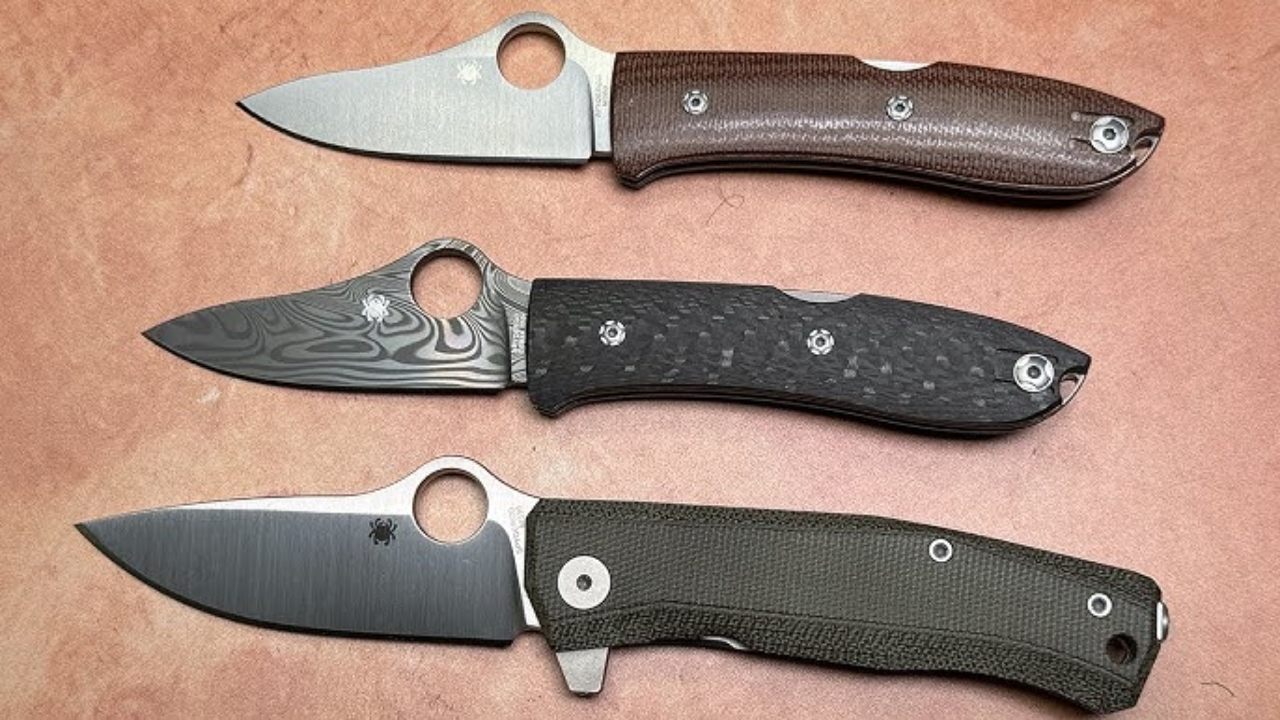
Spyderco Sprint Runs that became “the one you missed”
Sprint Runs are collector bait because they’re limited by design, often use premium steels or special handle materials, and don’t come back in the same configuration once they’re gone. Collectors chase them because they’re a clean story: short production window, known variants, and a community that tracks what’s what. Once a Sprint Run becomes known as “the good one,” it turns into a knife people hunt specifically to fill a gap.
Condition and completeness matter here too. Boxes, paperwork, and the right markings can separate a serious collectible from a knife that’s “just used.” A lot of Sprint Runs got carried, and that’s fine, but the cleaner ones tend to disappear into collections and stay there.
Benchmade Gold Class folders that stayed complete
Benchmade Gold Class knives live in that crossover space between knife collecting and high-end collecting. They’re limited, they have distinctive materials, and they’re often bought to be kept pristine. The reason collectors hunt them is because the best examples include everything—box, documents, original presentation—and because certain Gold Class models have a reputation that outlasts the year they were released.
The downside is the market attracts flip culture and “collector grade” claims that don’t match reality. Real collectors check for completeness, correct parts, and whether the knife has been disassembled or altered. A clean, complete Gold Class that’s truly un-messed-with is the kind of knife people will pay attention to immediately.
Vintage Barlows and Congress patterns with crisp stamps
Some patterns never stop being collectible. Vintage Barlows and Congress knives are classic American patterns that collectors love because they’re tied to tradition, but finding truly clean ones with crisp stamps and strong mechanical action is harder than people think. These knives were working tools, and most of them lived working lives. That’s what makes the good survivors stand out.
The reason collectors hunt them is that the pattern is familiar, but the details are where the value hides—stamp clarity, blade shape, snap, handle integrity, and whether the knife has been “improved” by someone with sandpaper. If you’re evaluating these in person, a small loupe and good light make a difference, and you can grab simple inspection tools and basic knife oil at Bass Pro Shops so you’re not guessing at stamps and hairline cracks under bad show lighting.
Like The Avid Outdoorsman’s content? Subscribe to our newsletter so you never miss an article.
Here’s more from us:


