Photo credit: The Avid Outdoorsman
The landowner was not walking some forgotten corner of public ground. He was on his own property.
That is what made the hunting blind so irritating from the start.
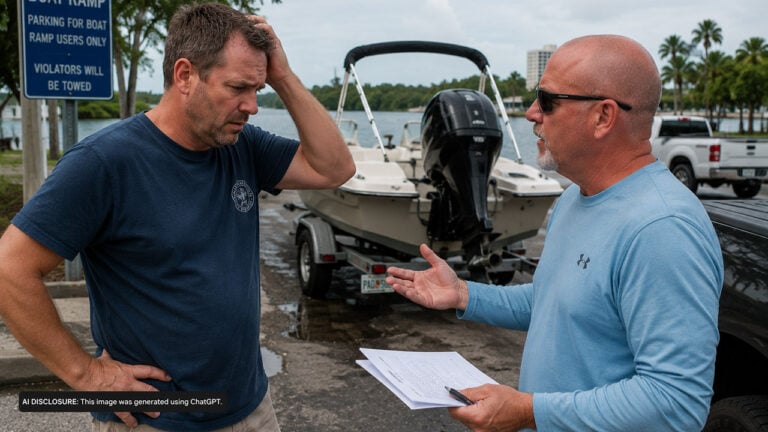
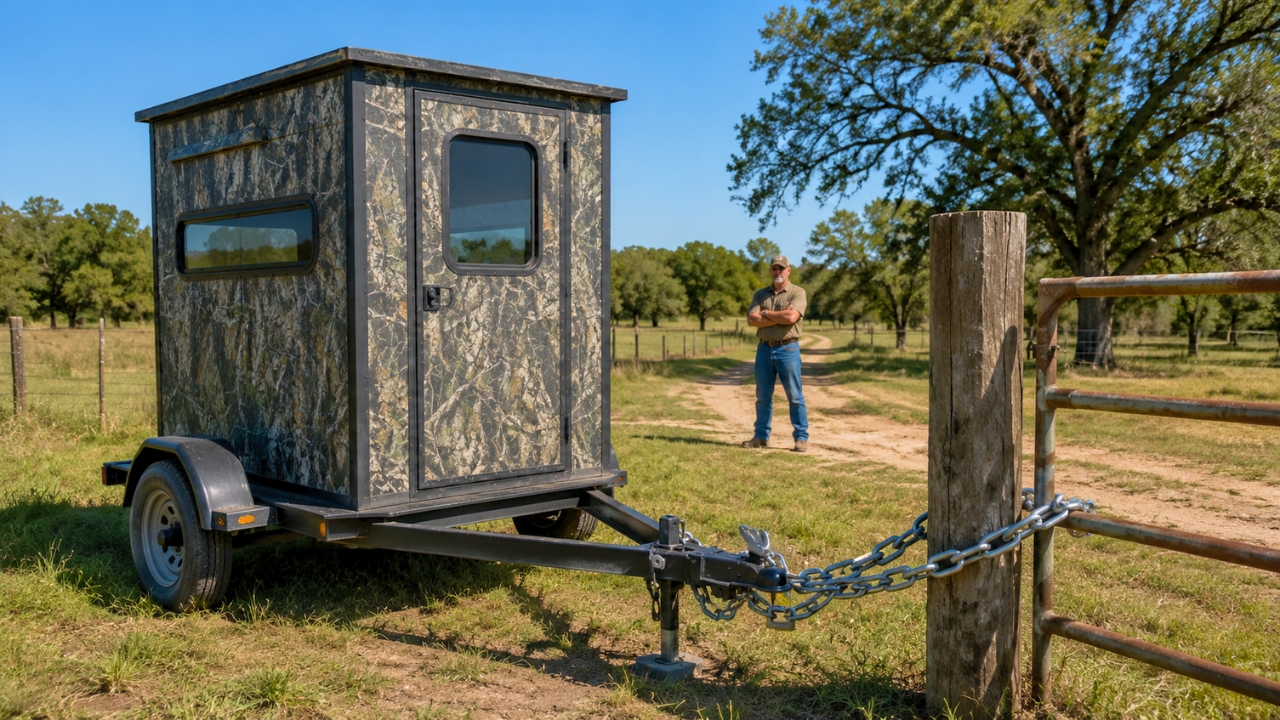
In a Reddit post, the poster said he found what looked like a portable hunting blind trailer sitting on his land. It was not his. He had not given anyone permission to bring it there. And from the way he described it, nobody had bothered to call, ask, explain, or even leave a note.
It was just there.
That kind of thing hits a nerve with landowners because it is not like someone dropped a glove near the fence or forgot a chair after tracking a deer. A blind trailer has to be hauled in. Somebody had to bring it onto the property, park it, and walk away like the place belonged to them.
The poster had already checked with the people who were supposed to have permission. He said the only person allowed to hunt that property was his girlfriend’s dad, and the blind did not belong to him. That narrowed things down pretty quick. Whoever brought the trailer in was either confused, bold, or hoping nobody would notice.
And that is where the whole thing gets uncomfortable.
A lot of landowners will give a person the benefit of the doubt once. Maybe somebody had old permission from a previous owner. Maybe they were told wrong by a neighbor. Maybe they got turned around, crossed a bad line, or relied too much on a map app. Those things happen.
But a whole blind trailer sitting on private land does not feel like a casual mistake. It feels like somebody planned to hunt there.
The poster’s response was simple. He chained it up.
That was probably the part that made a lot of readers grin a little, because it is the kind of practical rural answer that says plenty without getting reckless. He did not say he smashed it. He did not drag it to the road. He did not set it on fire or turn it into a target. He secured it where it sat and waited for whoever owned it to come explain why it was there in the first place.
There is something almost funny about that visual. Some trespasser or mystery hunter walks back in expecting to grab his blind or climb into it for a sit, and suddenly the thing is locked down on somebody else’s property. Now he has to make the call every landowner wants him to make: “Hey, I think you found my blind.”
Except that phone call would also come with the obvious question: why was it there?
That is the part people who do this never seem to think through. If you leave equipment on land you do not own, eventually you may have to claim it. And when you claim it, you are also admitting you were there.
The poster seemed pretty aware of that. Chaining it up gave him leverage without making a mess. If the owner came forward, the landowner could ask who he was, how he got there, who told him he could use the land, and whether he had been hunting it already. If nobody came forward, then the blind was just an abandoned piece of equipment sitting where it did not belong.
Either way, he had made the point clear: this property is not open.
The bigger issue was not only the blind. It was the unknown person attached to it. If someone is comfortable hauling in a blind trailer, what else has he done? Has he been driving through the property? Has he been setting cameras? Has he been feeding deer? Has he been hunting while the actual owner had no idea anyone was out there?
That is where trespass setups get serious. It is not only about property rights. It is about safety. A mystery hunter on private land means the owner does not know where someone may be sitting with a weapon. He does not know which direction they are shooting. He does not know if family, livestock, workers, or invited hunters might cross through that same area.
A blind trailer is equipment, sure. But it also signals intent.
The poster’s move was not dramatic, but it was firm. He did not chase anyone down. He did not start a shouting match at a gate. He found something that did not belong, locked it where it was, and made the owner come to him if he wanted it back.
That is probably the cleanest way to handle a situation that could get ugly fast. Because once a landowner finds somebody else’s hunting setup on his land, the trust is already gone. The next step is figuring out whether it was a mistake, a trespasser, or the beginning of a bigger poaching problem.
What Commenters Said
Commenters mostly agreed that chaining up the blind was a solid move.
A lot of people said the poster should document everything before doing anything else. Take pictures of the blind, the location, tire tracks, any entry point, and the chain. If the person came back angry or tried to claim the landowner damaged something, the poster would have a record showing exactly where it was found and how it was secured.
Several people told him to call the game warden. Their thinking was simple: if someone is placing a hunting blind on private land without permission, there is a good chance they either have hunted there already or planned to. That pushes it beyond random trespass and into hunting enforcement territory.
Others said to set up trail cameras nearby and watch who came back. That advice came up because the blind owner might not call. He might try to sneak in, cut the chain, move the blind, or remove evidence that he had been there. A camera would give the landowner proof instead of just a mystery trailer and a bad feeling.
Some commenters joked that the landowner had just inherited a new blind. But even the joking replies usually came with a serious warning: do not destroy it, do not sell it immediately, and do not do anything that could make the landowner look like the problem. Secure it, document it, and let the owner explain himself if he wants it back.
A few people brought up the chance of an honest mistake. Maybe somebody thought they were on the neighbor’s land. Maybe the person had permission years ago and did not know things had changed. But most commenters seemed to think that excuse only goes so far. If you are hauling hunting equipment onto land, it is your job to know where you are.
The strongest advice was to treat the blind as evidence, not a free toy. A mystery blind on private land means someone crossed a line, physically and legally. The landowner did not have to lose his temper to make that clear. Locking it down sent the message just fine.