Photo credit: garten-gg/Pixabay.com
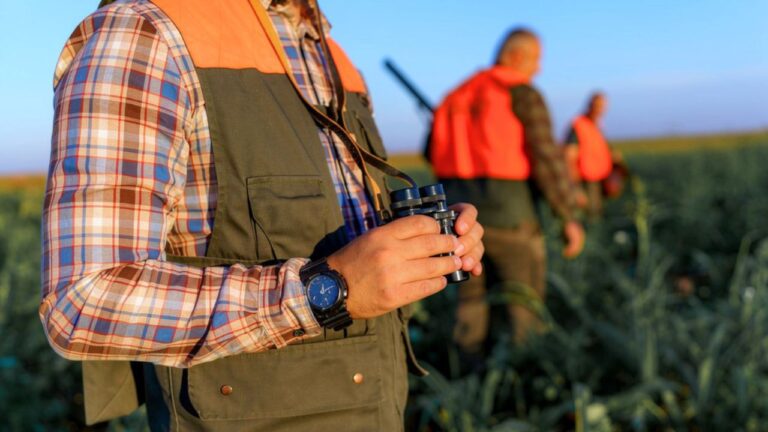
A group of hunters said they were out on what seemed like a legal goose hunt when an outfitter showed up and accused them of trespassing.
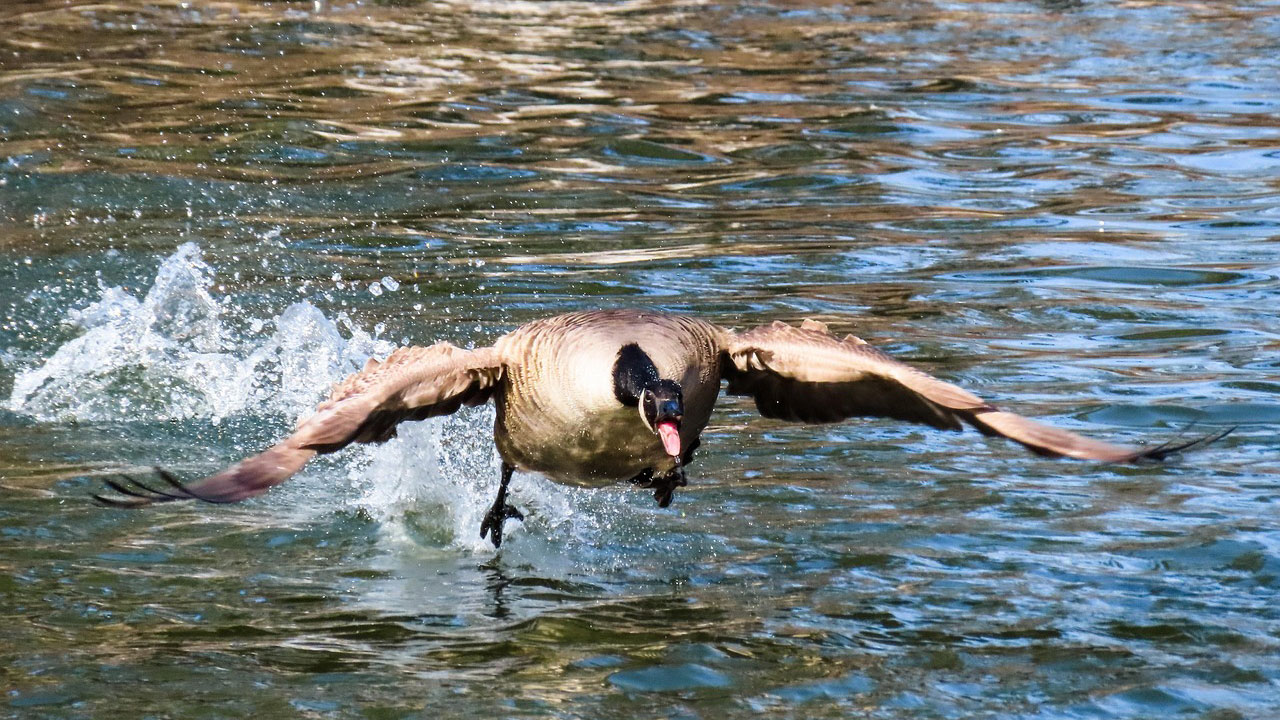
The hunters were set up on a pond, and according to the Reddit post, they shot birds from the water. That should have been the simple part. They were hunting, the birds came in, shots were fired, and geese hit the pond.
Then the argument started.
An outfitter came over and claimed they were trespassing. From his side, the hunters were apparently on ground or water connected to an area he believed he controlled, leased, or had permission to hunt. From their side, they did not think they were doing anything wrong. They believed they were legally allowed to be where they were, and the outfitter was trying to run them off.
That is where waterfowl hunting gets messy fast. Field edges, ponds, flooded areas, leases, public access, private land, and property lines can all overlap in ways that are not always obvious from the bank. A field may be private. A pond may sit partly on one parcel and partly on another. A public road may touch water, but that does not always mean hunters can access it. An outfitter may have permission for one piece, but that does not automatically give him control of everything nearby.
Still, outfitters can get territorial. They may have paying clients, scouted birds, leased fields, and spent money locking down access. If another group shoots birds on or near the same water, it can feel like they are blowing up a hunt the outfitter worked to set up. But feeling wronged is not the same as having legal authority.
The hunters wanted to know whether the outfitter had a real trespassing claim or whether he was just trying to intimidate them.
That question matters because waterfowl hunting conflicts can turn ugly quickly. Everyone involved may be armed. People are already amped up from the hunt. Birds are moving. Dogs may be working. Someone feels like their spot has been stolen. Someone else feels like they are being bullied off legal access. Add an outfitter with a business interest, and the pressure gets even higher.
The post centered on whether the hunters were legally standing or hunting from where they were allowed to be. That is the line that decides the whole fight. If they crossed private land to reach the pond without permission, the outfitter may have a point. If they were on public water or had legal access from their side, the outfitter’s frustration may not matter.
The trouble is that these disputes are hard to settle in the moment. A hunter standing there with a shotgun and wet birds is not going to calmly pull up deeds, easements, water boundaries, state access rules, and lease terms while an angry outfitter is telling him to leave. Most of the time, the safest move is to document the encounter, avoid escalating, and get a game warden involved.
That is what many commenters focused on. They wanted the hunters to stop relying on what the outfitter said and check with someone who actually had authority. A conservation officer or game warden could look at the location, access point, state water laws, and property boundaries much better than Reddit could.
The outfitter’s role also bothered people. If he was simply mad that someone else shot birds near his operation, that is not enough. Public wildlife does not belong to whoever scouted it first. But if the hunters accessed the pond through land he leased or hunted birds from private ground without permission, that is different.
The hunters seemed caught between those two possibilities. They did not want to admit wrongdoing if they had done nothing wrong. They also did not want to get hit with a trespassing charge because they misunderstood access rules around a pond.
That is the kind of lesson waterfowl hunters usually learn the hard way: knowing where the birds are is not enough. You need to know exactly where you can stand, how you can legally access the spot, where property lines run, and what rules apply to water, banks, ditches, and submerged land in that state.
Because once someone shows up claiming trespass, the hunt is basically over. Even if you are right, the morning changes from calling birds to defending your presence.
In this case, the outfitter’s accusation turned a goose hunt into a property-rights argument. And until the hunters got a real answer from a game warden or local authority, they were stuck trying to figure out whether they had been bullied or warned.
Commenters mostly told the hunters to call a game warden and get a straight answer from the people who enforce those rules. Several said water access and trespass laws vary too much by state for Reddit to give a clean answer without exact location details.
Some commenters said outfitters can be aggressive when they think another group is cutting into their leased or scouted birds. They warned that an outfitter claiming trespass does not automatically mean the hunters were actually trespassing.
Others pushed back and said the hunters needed to be brutally honest about how they accessed the pond. If they crossed private land without permission, stood on private ground, or retrieved birds from private land without permission, the outfitter’s complaint could have teeth.
A few people said that even if the water itself was public, access matters. You may be allowed to float or hunt certain water, but that does not always mean you can walk across private land to get to it.
The practical advice was to mark the exact location, save any maps or OnX screenshots, document the access route, and call the game warden before going back. If the hunt was legal, the hunters needed to know that with confidence. If it was not, they needed to find out before the next argument came with a ticket.